Types of Pain
Wound pain can be classified as nociceptive or neuropathic: Nociceptive
Activation of sensory neurons responding to harmful stimuli; it further breaks down into somatic and visceral.
- Somatic Pain: Arises from bones, skin, or muscles and is felt as aching or throbbing
- Visceral Pain: Originates from internal organs, often described as cramping (e.g., abdominal cramps)
Types of Pain
Wound pain can be classified as nociceptive or neuropathic: Neuropathic (Chronic)
Dysfunction in the nervous system, often felt as burning or shooting (e.g., shingles pain)
____ pain can become chronic if it persists for longer than six months or continues to worsen over time (Physician Partners of America, 2022).
Nociceptive
Physiological Effects of Pain
_________ reduces blood flow to the wound site, limiting oxygen and nutrient delivery.
Pain-induced vasoconstriction
Physiological Effects of Pain
Persistent pain elevates cortisol and adrenaline, which can suppress the immune system and tissue repair (Woo, 2012).
Stress Hormone Release
Physiological Effects of Pain
Chronic pain sustains inflammation, leading to the prolonged presence of inflammatory cytokines and enzymes that can damage tissue and delay healing (Woo, 2012).
Inflammatory Response
Psychological Effects of Pain
Stress, Anxiety, and Depression
- Disrupt sleep.
- Reduce appetite.
- Lower energy, all of which are essential for healing.
Psychological Effects of Pain
Feelings of Helplessness and Frustration
- Increase stress levels.
- Trigger cortisol release, which suppresses the immune system and impairs tissue repair when prolonged (West Coast Wound and Skin Care, 2023).
Psychological Effects of Pain
Depression
- Decreases self-care and adherence to wound care plans.
- Prolongs healing and increases the risk of complications.
Pain Assessment: Standardized Tools: Scales- PQRST, Numeric Pain, Wong-bakers (faces), FLACC, Visual Analog Scale (VAS), Numeric Rating Scale (NRS), and McGill Pain Questionnaire
Use scales like the PQRST, Numeric Pain Scale (NPS), Wong-Baker FACES™ Scale, FLACC, Visual Analog Scale (VAS), Numeric Rating Scale (NRS), and McGill Pain Questionnaire for consistent pain measurement (Kirkcaldy et al., 2023).
Pain Assessment: PQRST
A standardized, easy-to-use mnemonic framework healthcare providers and patients use to systematically evaluate the nature, severity, and history of a patient's pain
P- provocation / Palliation: What triggers the pain, or makes it worse or better?
Q- quality: How does the pain fell? (e.g., is it sharp, dull, burning, etc)
R- region / radiation: Where exactly is the pain located, and does it spread or move to other parts of the body?
S- severity: How bad is the pain? Pt. are normally asked to rate their pain from 0 to 10.
T- timing: When did the pain start, how long does it last
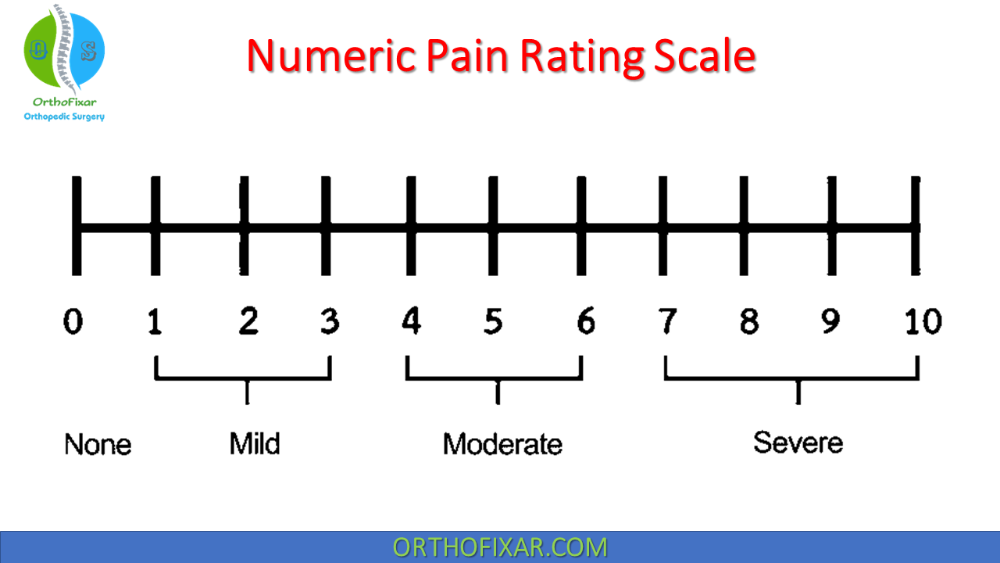
Pain Assessment: Numeric Pain Rating Scale
An 11-point scale (0–10) designed to measure pain intensity. Patients verbally state or circle a number that best reflects their pain level, with 0 meaning "no pain" and 10 meaning "the worst pain imaginable".
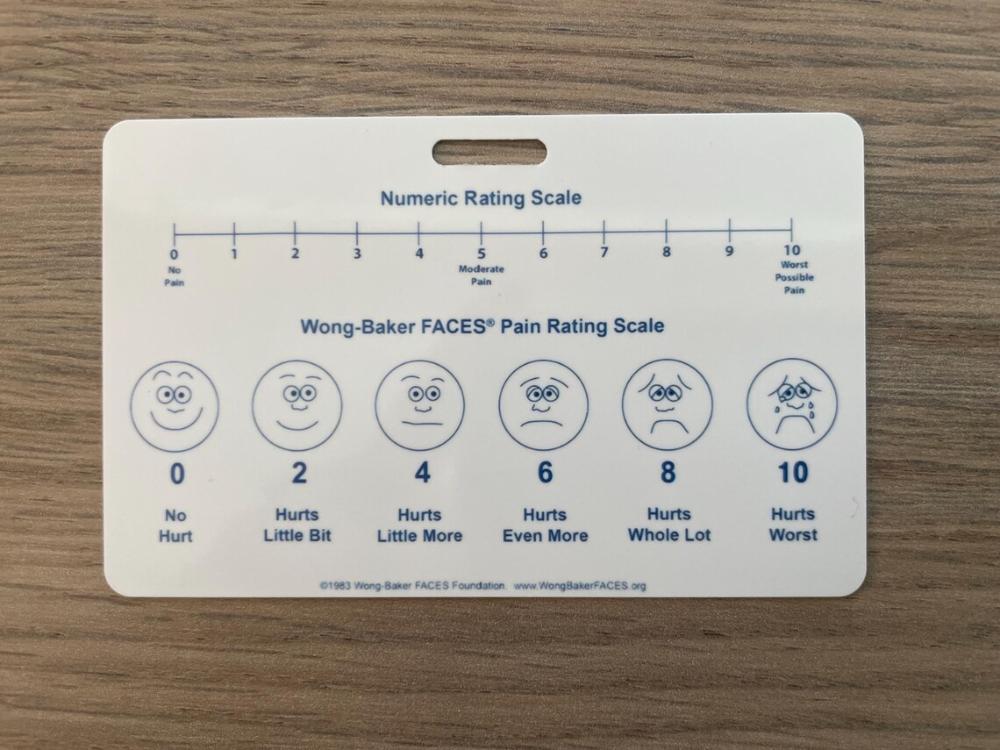
Pain Assessment: Wong baker faces pain rating scale
A visual self-assessment tool used by healthcare professionals to help individuals especially children ages 3 and older—communicate and rate their level of physical pain. Patients choose the face that best matches how much they hurt
Pain Assessment: McGill Pain Questionnaire
A multidimensional self-report scale that helps clinicians measure the subjective quality, location, and intensity of a patient's pain.
* It translates a patient's specific word choices into quantifiable data to track pain patterns and treatment effectiveness
True / False
There is no clinical difference between the Numeric Pain Scale and the Numeric Pain Rating Scale (NPRS)
True
* They are two names for the exact same standardized 0-11 point assessment tool used by healthcare providers to measure pain severity.
The Transdisciplinary Approach. Key team members include:
- Patient, their family, and/or caregivers
- Wound care clinician
- Nurses and patient care staff
- Providers and pharmacists
- Physical and occupational therapists
- Psychologists and social workers
- Integrative therapists
Which BEST describes how pain can impede wound healing?
Pain increases the release of stress hormones, suppressing the immune system and reducing the body's ability to heal wounds.
Pain reduces the release of stress hormones, enhancing the immune system and improving the body's ability to heal wounds.
Pain increases inflammation and collagen production to improve wound healing.
Pain enhances blood flow to the wound area through vasoconstriction to improve healing.
Pain increases the release of stress hormones, suppressing the immune system and reducing the body's ability to heal wounds.
* Pain increases the release of stress hormones like cortisol and adrenaline, which can suppress the immune system, reducing the body's ability to heal wounds. Pain does not reduce the release of stress hormones; increased inflammation does not increase collagen production or enhance blood flow to improve healing.
Non-Pharmaceutical; Offloading
- Bed cradles to keep blankets off wounds
- Pressure-relieving mattresses, overlays, and cushions
- Limb elevation to reduce swelling
- Splints to immobilize the wound
- Footwear to redistribute weight
A wound care clinician can ease patient anxiety through reflective listening. Attentively hearing the patient’s concerns, followed by repeating those concerns back to the patient, is a powerful tool that
- Validates feelings
- Acknowledges pain
- Enhances trust
- Reduces misunderstandings
Factors that impact pain during dressing changes include:
- Sensory stimuli
- Dressing selection
- Wound cleansing
- Scheduling
- Frequency and technique
Often recommended as a non-irritating, isotonic option, saline gently cleanses without causing pain or tissue injury (Kirkcaldy et al., 2023).
Saline Solution
- Specialized Wound Cleansers Designed to balance moisture and remove debris without causing discomfort
- Moisturizing agents: Certain hydrogel-based cleansers retain moisture in the wound bed, reducing pain and promoting faster healing (Firlar et al., 2022).
- Antimicrobials: Mild antimicrobial agents reduce infection risk without harming wound tissue.
- Surfactants:
Betaine/polyhexanide cleansers (e.g., Prontosan®) help lift debris gently, minimizing the need for scrubbing.
- Moisturizing agents:
Certain hydrogel-based cleansers retain moisture in the wound bed, reducing pain and promoting faster healing (Firlar et al., 2022).
-
- Antimicrobials:
Mild antimicrobial agents reduce infection risk without harming wound tissue.
- Pre-medicate and schedule dressing changes during peak effects
of medication. Some typical times for peak effects include:
- Oral:
Oral: ~45 minutes – 1 hour
Pre-medicate and schedule dressing changes during peak effects of medication. Some typical times for peak effects include:
- Topical lidocaine:
~30 minutes
Pre-medicate and schedule dressing changes during peak effects of medication. Some typical times for peak effects include:
- Injectable lidocaine (local):
~2-5 minutes
Pre-medicate and schedule dressing changes during peak effects of medication. Some typical times for peak effects include: Parental (IV) opioids:
~5-15 minutes
Frequency and Technique
Fewer dressing changes and gentle techniques reduce trauma and discomfort.
Frequency and Technique
Comfort measures include: 1
Adjust the frequency of changes based on wound needs.
Frequency and Technique
Comfort measures include: 2
Soak adhered dressings with saline for nontraumatic removal.
Frequency and Technique
Comfort measures include: 3
Avoid over-packing wounds.
Frequency and Technique
Comfort measures include: 4
Use skin sealants to protect periwound skin from epidermal stripping.
Frequency and Technique
Comfort measures include: 5
Use skin barriers to protect periwound skin from maceration.
Frequency and Technique
Comfort measures include: 6
Use a contact layer over the wound bed to avoid trauma during removal.
Frequency and Technique
Comfort measures include: 7
Warm topical products to room temperature before use.
Oral Analgesics:
Oral analgesics should be based on pain characteristics and patient factors. PRN medications can be used before episodic/incidental pain, while routine administration is more beneficial for continual pain.
- Non-opioid analgesics for mild to moderate pain
- Nonsteroidal Anti-Inflammatory Drugs (NSAIDs), such as ibuprofen (Motrin®) and naproxen (Aleve®), reduce inflammation and provide pain relief.
- Acetaminophen (Tylenol®): Commonly used for mild to moderate pain, acetaminophen effectively reduces pain but lacks anti-inflammatory properties.
- Opioid analgesics for moderate to severe pain
- Opioids like morphine (OroMorph®), oxycodone (OxyContin®), and hydrocodone (Vicodin®) may be used alone or in combination with non-opioid analgesics.
Adjuvant Medications
enhance pain relief alongside primary treatments, especially for chronic and neuropathic pain. They help address multiple pain pathways and reduce primary analgesic doses, thus minimizing side effects (Kirkcaldy et al., 2023).
Types of Adjuvant Medications
Adjuvant medications, though intended for other conditions, can help manage wound-related pain:
Antidepressants ; Anticonvulsants ; Muscle Relaxants ; Baclofen (Lioresal®) and Cyclobenzaprine (Flexeril®)
Adjuvant Medications
Baclofen (Lioresal®) and Cyclobenzaprine (Flexeril®):
Alleviate spasms and chronic wound pain but may lead to drowsiness, dizziness, or dependency.
Adjuvant Medications
Anticonvulsants
- Gabapentin (Neurontin®) and Pregabalin (Lyrica®):
Reduce excitatory neurotransmitter release to manage neuropathic pain. Side effects are drowsiness and dizziness.
Adjuvant Medications
Serotonin-Norepinephrine Reuptake Inhibitors (SNRIs):
Duloxetine (Cymbalta®) and venlafaxine (Effexor®) relieve neuropathic and musculoskeletal pain but may cause nausea, dizziness, and insomnia.
Adjuvant Medications
Antidepressants
- Tricyclic Antidepressants (TCAs):
Amitriptyline (Elavil®) and nortriptyline (Pamelor®) increase serotonin and norepinephrine, helping ease neuropathic pain (e.g., diabetic neuropathy). Side effects include dry mouth, constipation, and drowsiness.
Adjuvant Medications
Benefits and Considerations
The use of adjuvant medications allows for combining different medication types for a synergistic effect, enhancing pain relief with reduced dosage and side effects.
Adjuvant Medications: Benefits
- Enhance pain relief by targeting multiple pain pathways.
- Potentially reduce primary analgesic dosages, lowering the risk of side effects.
Adjuvant Medications: Considerations
- Side effects and individual health factors (comorbidities, pain type)
- Regular assessments and treatment adjustments are key for optimal management.
Which strategies would provide the most comprehensive approach to managing wound pain?
Using only NSAIDs and opioids for all pain relief
Only using a topical analgesic like lidocaine
Combining pharmaceutical and non-pharmaceutical strategies
Elevating the limb and using an adherent dressing
Combining pharmaceutical and non-pharmaceutical strategies
- Oral analgesics like NSAIDs, acetaminophen, and opioids manage wound pain, while ____offers localized relief with fewer systemic effects.
topical lidocaine
- Adjuvant medications, including antidepressants, anticonvulsants, and muscle relaxants, enhance pain relief, especially for ____ or _____
chronic or neuropathic pain.
Which is a non-pharmaceutical method for relieving wound pain?
Using nonsteroidal anti-inflammatory drugs (NSAIDs) to reduce inflammation and pain
Applying lidocaine (Lidoderm) gel to the wound
Elevating the affected limb
Using opioid medications like morphine (Oramorph)
Elevating the affected limb
How does pain impact the wound healing process?
Pain increases blood flow to the wound area, speeding healing.
Pain increases the release of stress hormones that suppress the immune system.
Pain reduces inflammation, helping the wound heal faster.
Pain enhances oxygen supply to the wound, promoting healing.
Pain increases the release of stress hormones that suppress the immune system
Which type of pain is often described as burning, stabbing, or shooting in nature?
Nociceptive pain
Visceral pain
Neuropathic pain
Somatic pain
Neuropathic pain
* Neuropathic Pain is caused by damage, lesions, or disease affecting the somatosensory nervous system. Because the nerves themselves are misfiring or injured, patients classically describe this sensation as burning, stabbing, shooting, tingling, or like an "electric shock". Common examples include diabetic neuropathy and sciatica. [1, 2, 3, 4]
What is the primary advantage of using topical analgesics for wound pain management?
They provide systemic pain relief.
They reduce the risk of systemic side effects.
They work faster than oral analgesics.
They enhance the immune response.
They reduce the risk of systemic side effects.
Which is a key consideration when selecting a dressing to minimize wound pain?
The dressing should adhere tightly to the wound bed.
The dressing should promote a dry wound environment.
The dressing should be non-adherent.
The dressing should be opaque.
The dressing should be non-adherent.
* Adherent dressings can stick to the wound bed, causing pain and damaging the tissue when the dressing is removed.