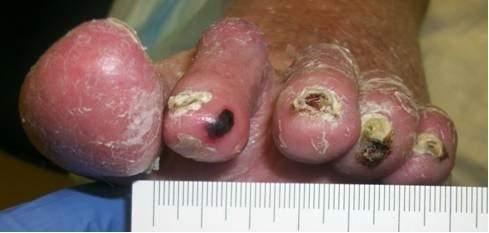
Can you tell which is a VLU, arterial ulcer, mixed venous-arterial ulcer, and DFU?
Arterial ulcers are found on the foot and appear punched out with a dry, pale, or necrotic wound bed. The skin may be shiny and hairless with trophic nail change (thickening) due to a lack of circulation.
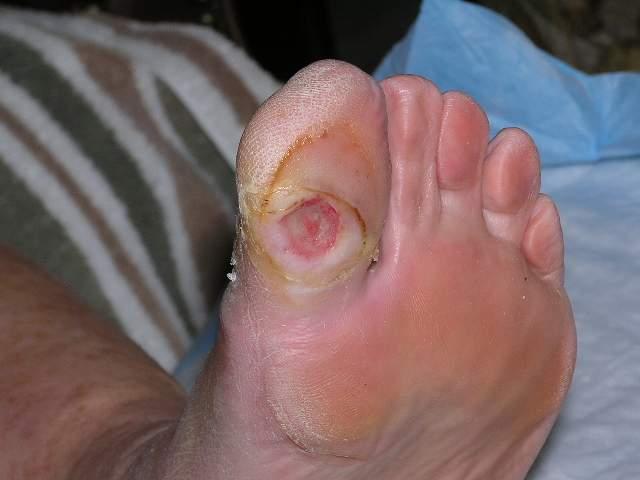
Can you tell which is a VLU, arterial ulcer, mixed venous-arterial ulcer, and DFU?
DFUs are found on the bottom of the foot, especially on pressure points (e.g., heels or balls of the feet) (DynaMed, 2024a). They can look round or punched out with varying depths. A callus or dry skin often surrounds the wound.
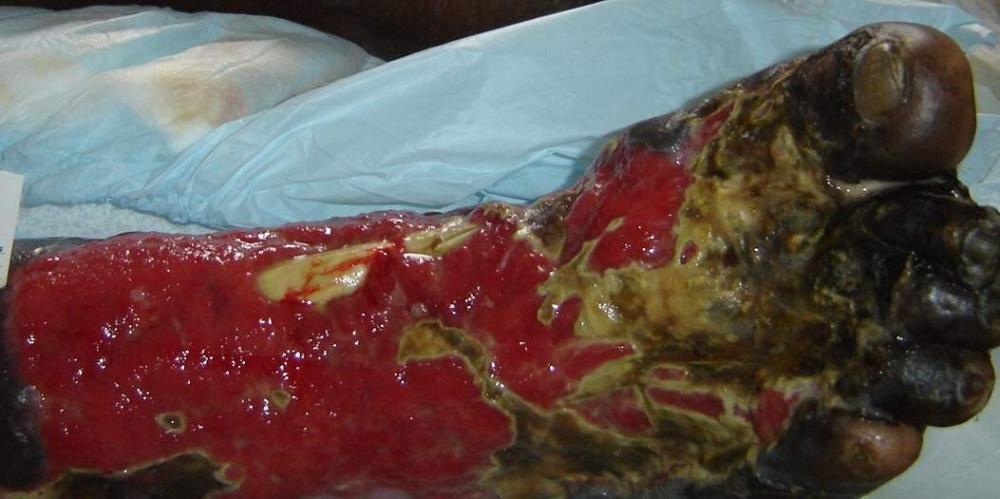
Can you tell which is a VLU, arterial ulcer, mixed venous-arterial ulcer, and DFU?
Mixed venous-arterial ulcers are a combination of both venous and arterial insufficiencies, meaning the veins and arteries are compromised (Jais, 2023). They are more complex because they involve both venous stasis and ischemia.
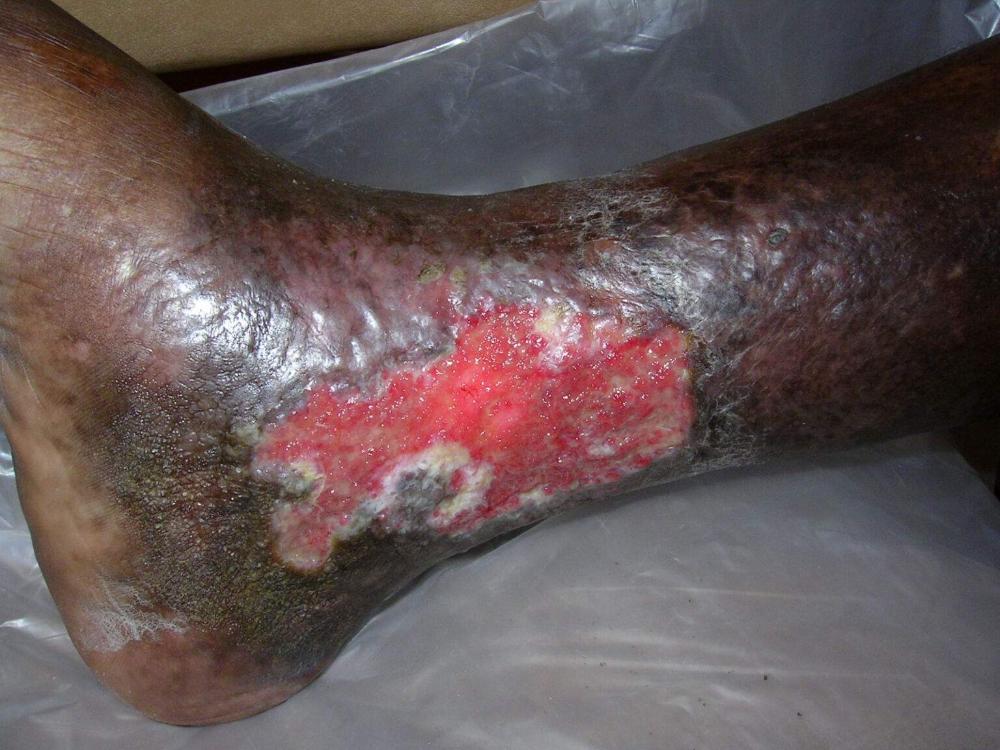
Can you tell which is a VLU, arterial ulcer, mixed venous-arterial ulcer, and DFU?
VLUs are usually highly exudative, painful, shallow wounds with irregular edges between the ankle and shin, often in the gaiter area. They may be covered with fibrous slough and/or ruddy granulation tissue. The lower extremity (LE) will be edematous and often has hemosiderin staining around the wound.
T
I
M
E
R
S
Tissue management
Infection control and inflammation
Moisture balance
Edges of wound
Repair/regeneration
Social factors
- The TIMERS framework addresses key aspects of wound care: Tissue management, infection control, moisture balance, wound edge care, repair/regeneration, and social factors.
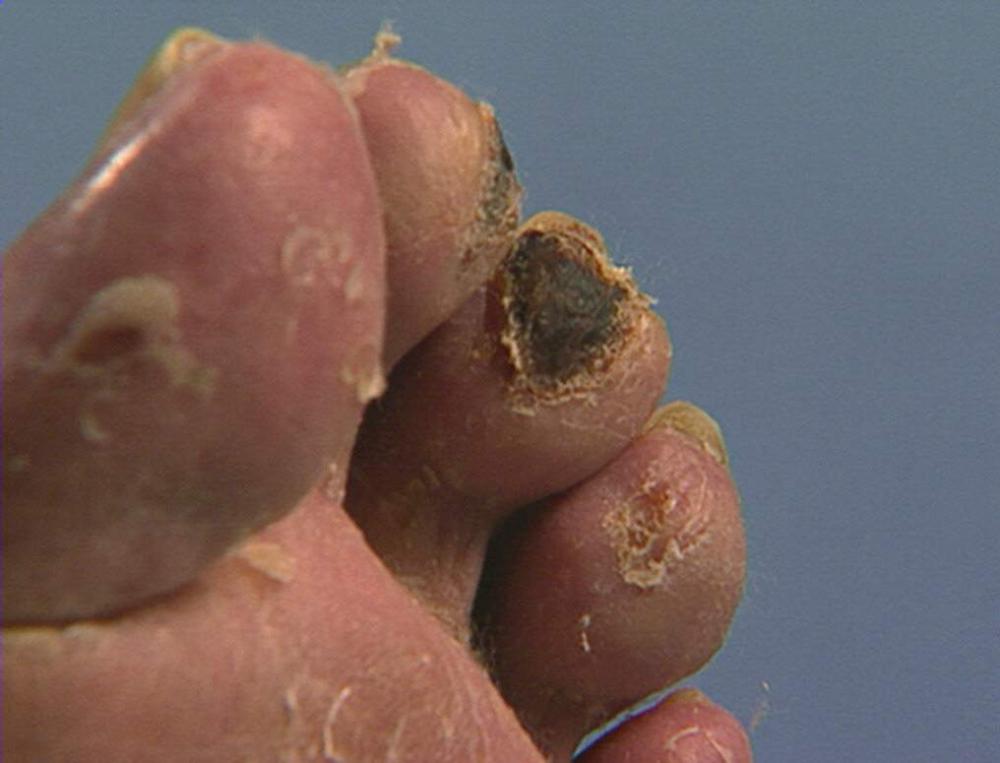
Debriding Eschar
The need to debride eschar should be assessed with every dressing change * Remember that:
- Removal of eschar may be considered if wound infection is suspected.
- Dry eschar should be left alone in ischemic limbs and heels.
- Unstable eschar may need immediate surgical debridement.
Moisture Maintenance: Ensure a moist wound environment for optimal healing. Dressings should align with wound characteristics. Some examples include:
- Exudative: Use calcium alginate, collagen, foam
- Infected: Silver, iodine, polyhexamethylene biguanide (PHMB)
- Necrotic: Collagenase, honey-impregnated
- Dry: Collagen gel, hydrogel
Debridement should be appropriate to the patient’s condition and consistent with overall management goals. Types of debridement include:
- Surgical (sharp)
- Autolytic
- Bio-surgical
- Enzymatic
- Mechanical
What is a TCC and what does it do?
TCCs are the gold standard for offloading most DFUs and can be used for certain arterial ulcers (DynaMed, 2024a). A TCC redistributes pressure across the entire foot and lower leg, which can:
- Reduce pressure on the ulcer site.
- Allow the patient to walk.
- Promote healing by immobilizing the foot.
- Reduce movement that can exacerbate the ulcer.
Removable Cast Walkers and Boots
Removable cast walkers and boots can be adjusted to the patient’s comfort level. They allow for easier access to inspect the wound and provide wound care, especially in the infected wound or ischemic wound where TCC is not indicated. Types include (Bowers & Franco, 2020):
- Pneumatic or controlled ankle motion (CAM) walker
- Half-wedge shoe
- Heel relief shoe
These devices are easier to use than TCCs. However, patients may remove them, which ultimately hinders pressure reduction and can minimize healing (DynaMed, 2024a). Therefore, it is important to remind patients to wear their walkers or boots as much as possible. What is it?
Removable cast walkers and boots
What is iTCC
Instant Total Contact Casting (iTCC) is a modified approach to traditional TCC that offers many of the same benefits but is faster and easier to apply. iTCC involves converting a removable cast walker into an offloading device that mimics the effects of a traditional TCC by making it non-removable—typically by wrapping it with cohesive or casting material
Key Takeaways:
* Key aspects of wound care
The TIMERS framework addresses key aspects of wound care: Tissue management, infection control, moisture balance, wound edge care, repair/regeneration, and social factors.
Key Takeaways:
Moisture
Maintaining moisture balance is essential for wound healing, using dressings that manage drainage or add moisture depending on the wound's condition, ensuring it never dries out or becomes overly moist.
Key Takeaways:
Pressure relief
Offloading provides pressure relief, pain reduction, and protection against further trauma to the ulceration. Total contact casts (TCCs) are considered the “gold standard” for offloading DFUs.
Compression is a primary therapy for ___s.
VLUs
While compression alone may not heal every VLU, it is essential for promoting healing and reducing recurrence. The effectiveness of compression therapy depends on the skill of the person applying it and patient adherence to wearing compression garments or bandages, a frequent challenge with patients with VLU.
Levels of Compression Therapy
Compression therapy is available in varying degrees of pressure, measured in millimeters of mercury (mmHg).
Level Pressure Amount (mmHg)
High
30 to 40
Level Pressure Amount (mmHg)
Medium
20 to 30
Level Pressure Amount (mmHg)
Low
14 to 17
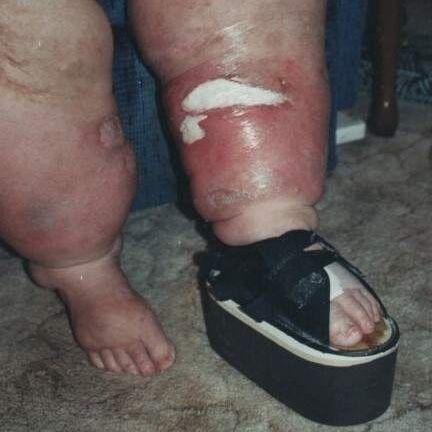
What condition best describes this image?
Cellulitis
Bacterial infection of deeper skin tissue
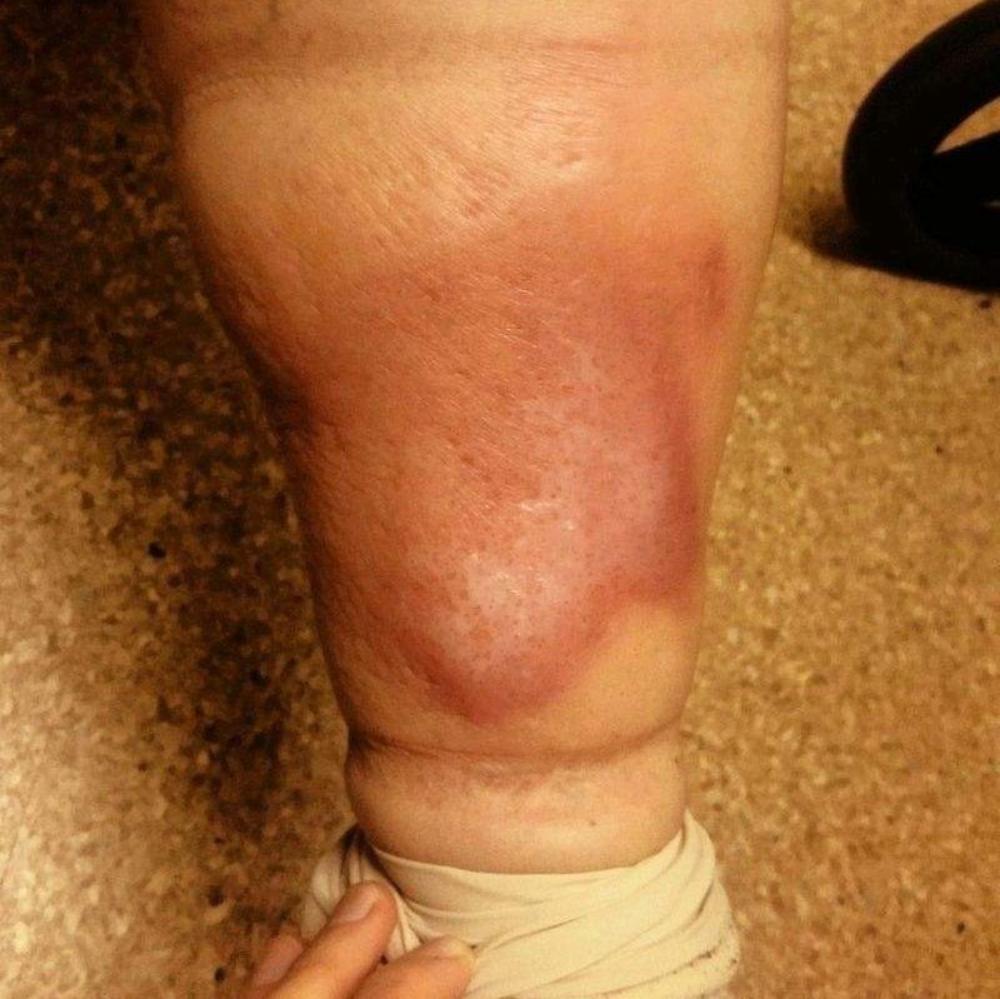
What condition best describes this image?
Erysipelas
Bacterial infection of the upper dermis, presents as bright red skin with induration and sharply demarked edges
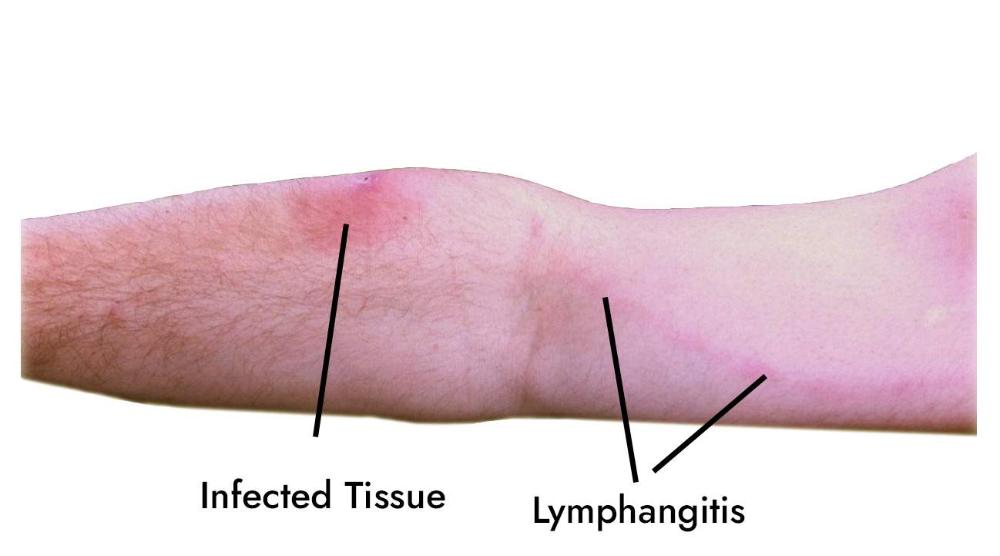
What condition best describes this image?
Lymphangitis
Infected lymph vessels with distinctive red streak traveling along the lymphatic vessels
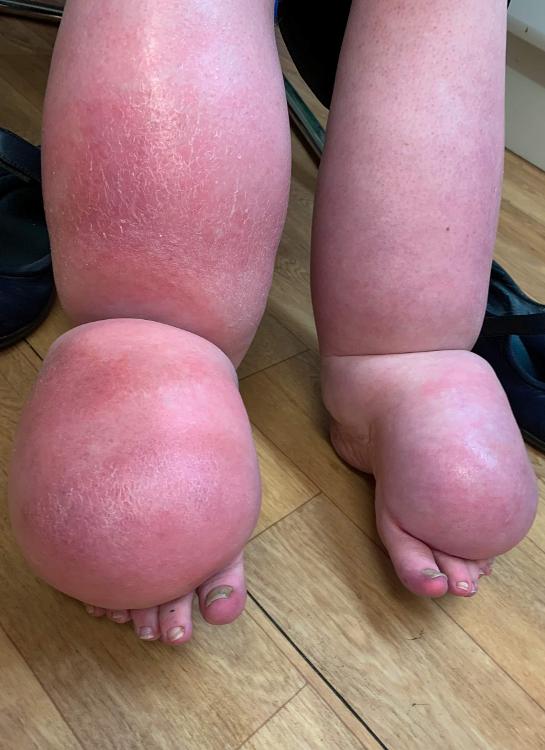
What condition best describes this image?
Bacterial or Fungal infection & Lymphangitis
Infected lymph vessels with distinctive red streak traveling along the lymphatic vessels
Deep skin folds from swelling can get infected by bacteria or fungus
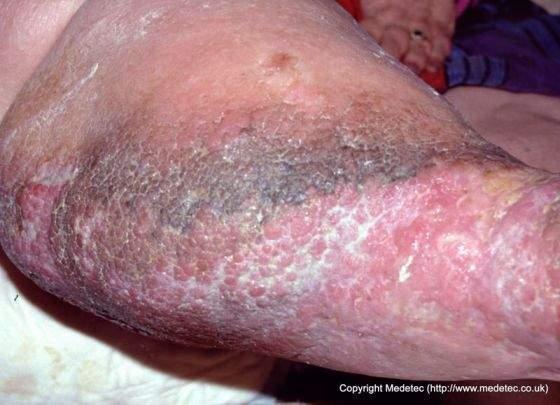
What condition best describes this image?
Lymphatic papillomatosis
Lumpy, cobblestone-looking, firm, raised projections resulting from dilated surface lymphatic vessels or lymph accumulation
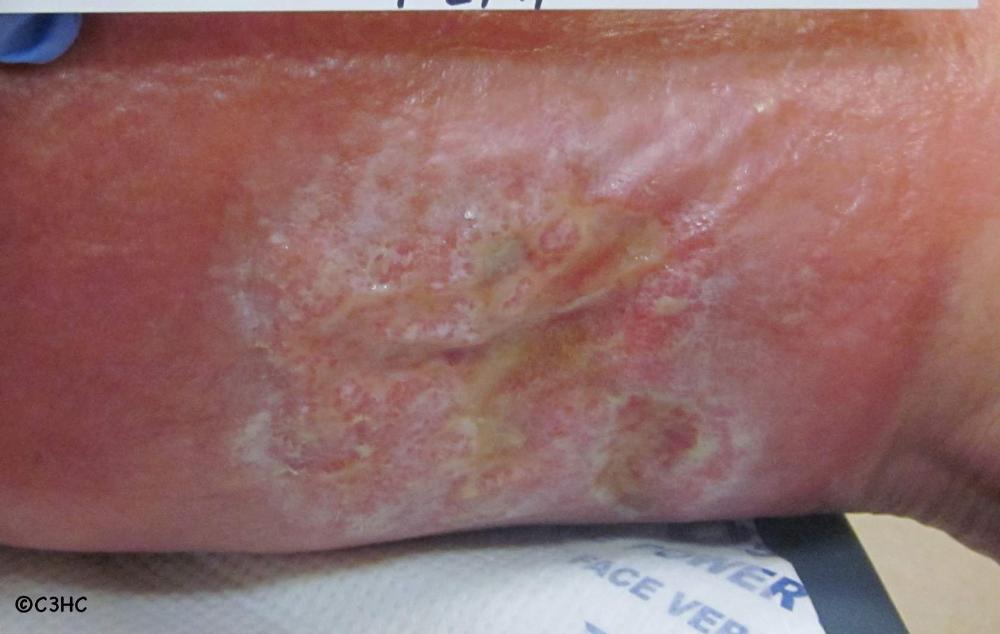
What condition best describes this image?
Lymphorrhea
Weeping of light, amber-colored, protein-rich, lymph fluid through the skin
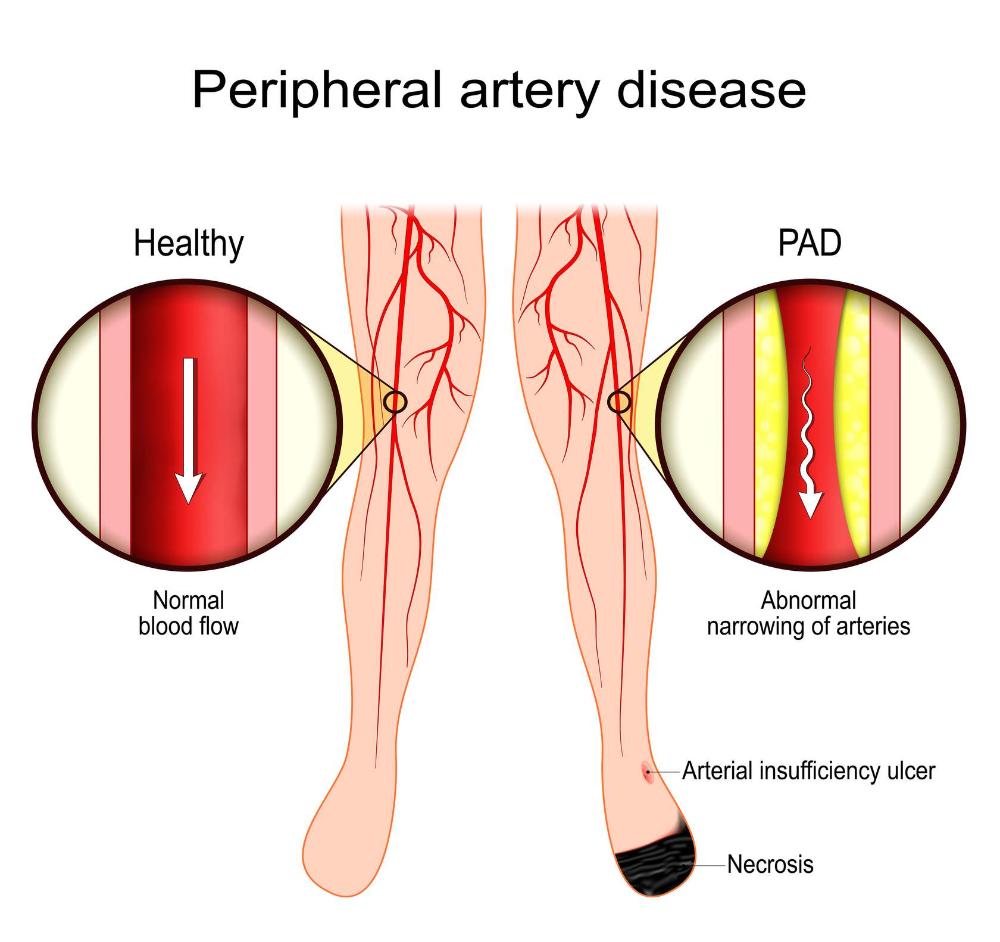
Peripheral artery disease
Arterial ulcers develop because there is not enough blood flow to the area. This must be addressed. Otherwise, tissue viability may decrease, and wound healing may be delayed. Multiple strategies are employed to improve the conditions for wound healing. Goals of treatment should include:
- Preservation of viable tissue.
- Preventing infection.
- Wound healing.
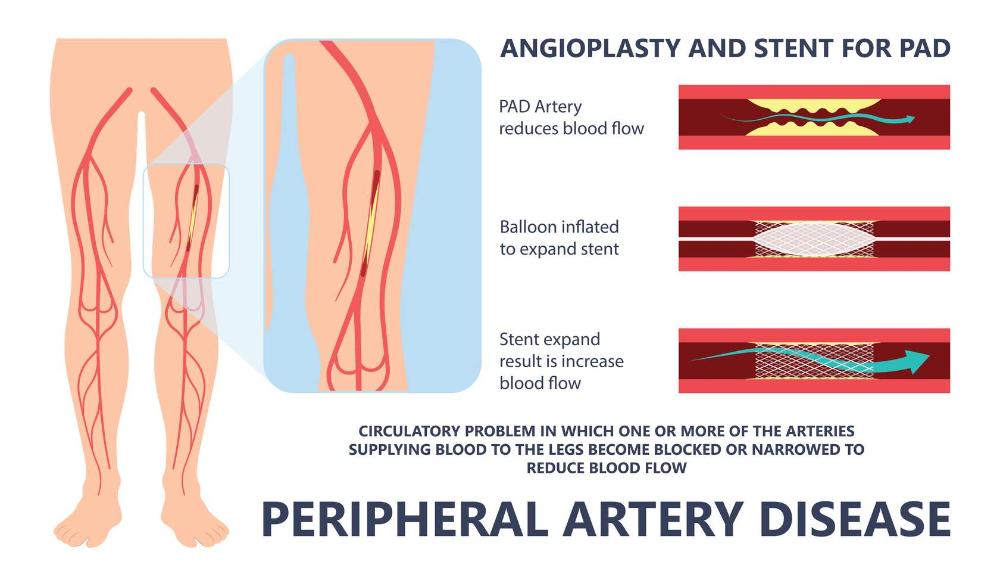
Revascularization
Adequate arterial blood flow is required for wound healing in the lower limb. Surgical methods and less invasive measures can improve the vascularization of the affected limb. Endovascular procedures, such as angioplasty or stent placement, open narrowed arteries. Bypass surgery (e.g., femoral-popliteal bypass) helps create a new route for blood flow around blocked arteries.
Both open surgery and endovascular repair are valid approaches, depending on the disease severity and patient-specific factors (Bryant & Nix, 2024). The decision to pursue surgery must balance the procedure's risks against the potential benefits of improved blood flow and healing.
Margaret's revascularization surgery is successful. What is the next best step in managing her arterial ulcer post-surgery?
Use a non-occlusive, moisture-balancing dressing to promote healing.
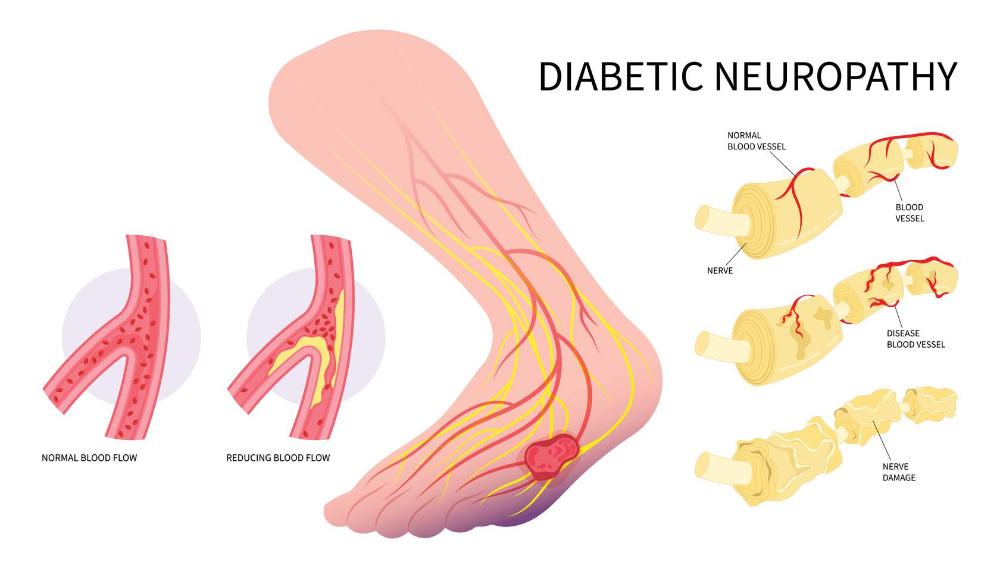
The patient with diabetes and a wound presents a complex situation when it comes to healing. The statistics are sobering (Armstrong et al., 2023):
- Around 50 to 60% become infected.
- Of all infections, around 20% lead to lower extremity amputations.
- The 5-year mortality rate is approximately 30% for those with a DFU.
- The 5-year mortality rate is over 70% for those who undergo a major amputation.
DFUs result from biochemical (e.g., glycemic control), peripheral neuropathy, and vascular factors.
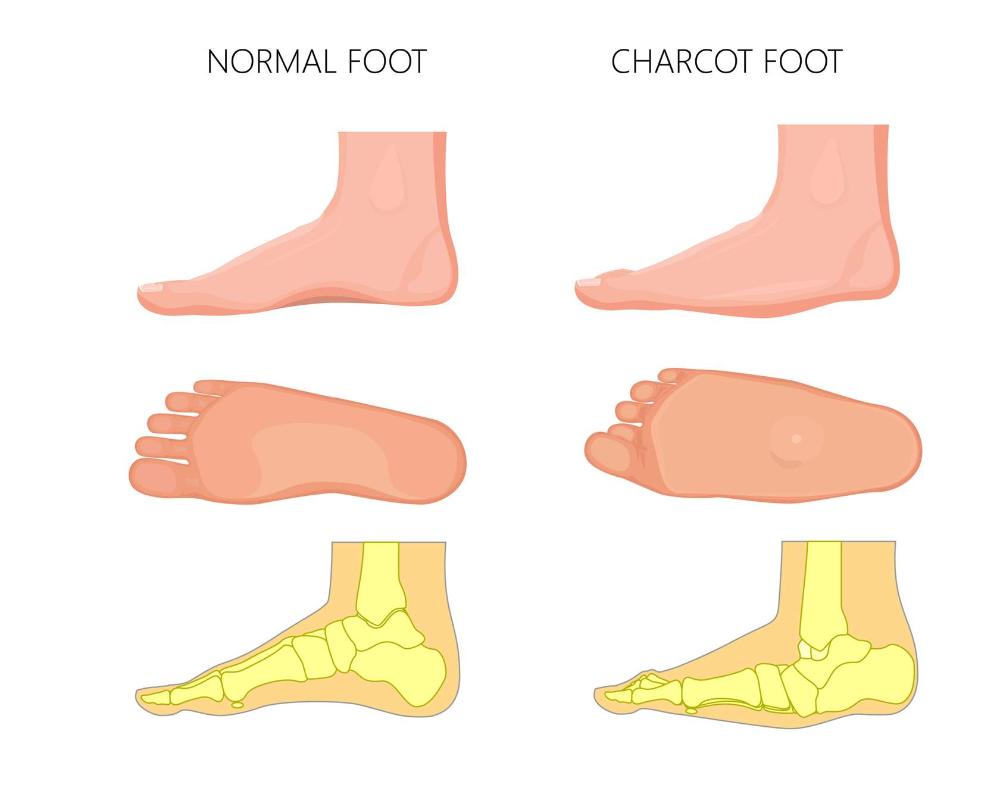
Checking for Charcot Neuroarthropathy (CNO)
Charcot neuroarthropathy (i.e., Charcot Foot) is a sterile inflammatory condition affecting individuals with diabetes who have neuropathy. This condition leads to damage in bones, joints, and soft tissues in the foot, presenting as a red, hot, swollen foot (Senneville et al., 2023).
If left untreated, Charcot foot can progress to fractures and dislocations, resulting in a severely deformed foot. Diagnosis is often delayed, leading to worsened damage and lengthening treatment time.
Geraldo, a 60-year-old with CVI and PAD, presents with a mixed venous-arterial ulcer. His ABI is 0.7. What type of compression therapy would be BEST?
Low-level compression
Low-level compression between 23 and 30 mmHg would be BEST for those with an ABI of 0.7 as it helps improve venous return without reducing arterial flow. Complete avoidance of compression would allow venous hypertension to persist, leading to the worsening of the venous component of the ulcer. Therapeutic compression between 30 and 40 mmHg is too high for a patient with an ABI of 0.7 and could worsen ischemia.
While IPC is helpful in some cases, it is not typically considered when traditional compression methods are not tolerated or effective, and low-level compression is still needed.
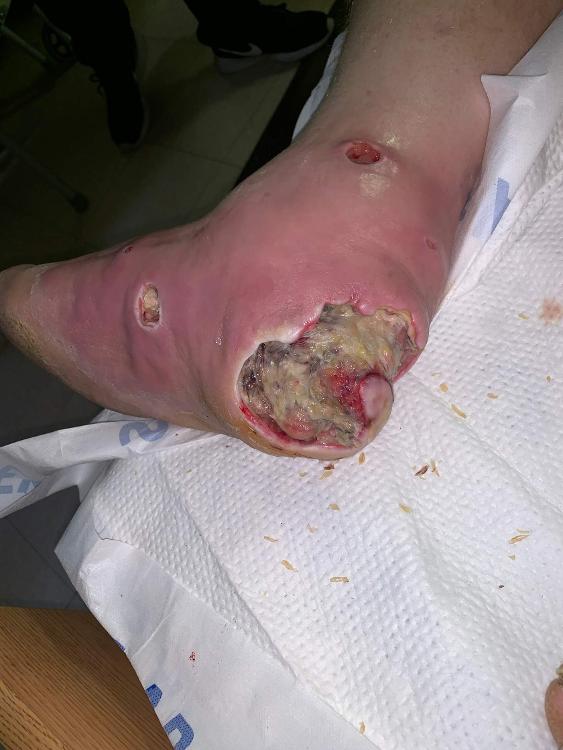
A 58-year-old man presents with the wound seen in the image on the heel of his foot. The wound is deep with necrotic tissue, heavy slough, and some areas of exposed tissue. The surrounding skin is inflamed, erythematous, and appears swollen. The patient has a history of uncontrolled diabetes and reports difficulty feeling sensations in his feet. His pulses are diminished, but he denies any rest pain. Upon palpation, the area is warm and tender, and there is moderate purulent drainage. The ABI is 0.85.
What is the BEST action you should consider FIRST for managing this DFU?
Refer for revascularization to improve blood flow to the foot.
Start systemic antibiotics to control the infection and offload with a TCC.
Debride, irrigate, apply calcium alginate to open areas and start offloading with TCC.
Check CRP and ESR for the presence of infection before next action.
Check CRP and ESR for the presence of infection before next action.
*
The image and description suggest there is an infection in this wound. However, signs of infection are often masked in patients with diabetes, making the use of serum biomarkers like CRP, ESR, and PCT useful in identifying the presence of infection. Debridement is appropriate, however, in the presence of infection, a TCC is contraindicated. The patient's ABI is 0.85, indicating mild PAD, not critical limb ischemia requiring revascularization. Systemic antibiotics should not be used for suspected infection and should be culture driven, making the best option checking for infection via chemical biomarkers.
Which type of ulcer is typically associated with brownish discoloration, swelling, and shallow wounds with irregular edges?
Diabetic foot ulcer
Arterial ulcer
Venous leg ulcer
Mixed venous-arterial ulcer
Venous Leg Ulcer
Which of the following dressings is most appropriate for an exudative venous leg ulcer?
Hydrogel
Honey-impregnated dressing
Transparent film
Calcium alginate
Calcium alginate
What is the MAIN reason for using compression therapy in patients with venous leg ulcers?
To reduce arterial pressure
To debride necrotic tissue
To prevent tissue ischemia
To promote venous blood return
To promote venous blood return
What advice should a healthcare provider give a patient with venous leg ulcers to prevent recurrence?
Avoid walking long distances.
Wear compression stockings daily.
Keep legs elevated for 30 minutes once a week.
Avoid wearing tight-fitting shoes.
Wear compression stockings daily.
Which of the following therapies would be BEST for a deep arterial ulcer that will not heal?
Electrical stimulation
Negative Pressure Wound Therapy (NPWT)
Enzymatic debridement
Hyperbaric Oxygen Therapy (HBOT)
Negative Pressure Wound Therapy (NPWT)
Note:
* HBOT is beneficial in specific conditions like acute arterial insufficiency related to crush injury, but it is not routinely used as the primary therapy for deep arterial ulcers. NPWT supports wound healing in deep, non-healing ulcers by reducing wound size, improving perfusion, and managing exudate
When applying a compression bandage, where should you start to wrap?
At the knee
At the base of the toes
At the mid-calf
At the ankle
At the base of the toes
Which condition must be stabilized before applying compression therapy in patients with a mixed venous-arterial ulcer?
Neuropathy
Diabetes mellitus
Peripheral arterial disease (PAD)
Hypertension
Peripheral arterial disease (PAD)
What should patients with diabetic foot ulcers do daily to prevent worsening of the condition?
Use tight-fitting shoes for support
Walk barefoot around the house
Apply bandages directly to ulcers
Inspect their feet for signs of injury or infection
Inspect their feet for signs of injury or infection
In what situation should dry eschar be left intact rather than debrided?
On venous leg ulcers
When the wound is infected
When the patient is on antibiotics
In ischemic limbs
In ischemic limbs
Note:
* Infected wounds require eschar removal to prevent further complications. Dry eschar should be left intact in ischemic limbs to prevent further damage and potential infection.
Which of the following strategies is recommended to reduce pressure on diabetic foot ulcers and promote healing?
Topical antibiotics
Footwear modifications
Exercise therapy
Heat therapy
Footwear modifications
What is a typical characteristic of an arterial ulcer?
Punched-out appearance
Brownish discoloration
Round with callused edges
Shallow wounds with irregular edges
Punched-out appearance
zz
What is the main benefit of using negative pressure wound therapy (NPWT) for chronic wounds?
Provides high moisture balance
Promotes granulation tissue formation
Reduces bacterial load
Removes necrotic tissue
Promotes granulation tissue formation HOW: The suction creates mechanical forces that stimulate cellular growth, rapidly building new, healthy tissue to fill deep
NPWT also reduces bacterial load. It draws out bacteria and creates an optimal moist, closed environment, which reduces the risk of recurrent infections
What role does glycemic control play in the management of diabetic foot ulcers (DFUs)?
Enhances immune system function
Increases vascular resistance
Encourages the formation of calluses
Reduces oxygen levels in tissues
Enhances immune system function
* Uncontrolled hyperglycemia delays healing by causing nerve damage, impairing circulation, and weakening the body's ability to fight off bacterial infections
For patients with venous leg ulcers, how often should compression stockings be replaced to ensure effectiveness?
Once a month
Every 6 months
Every 12 months
Every 2 years
Every 6 months