What is the definition of a cell? (write out)
The smallest part of a living thing.
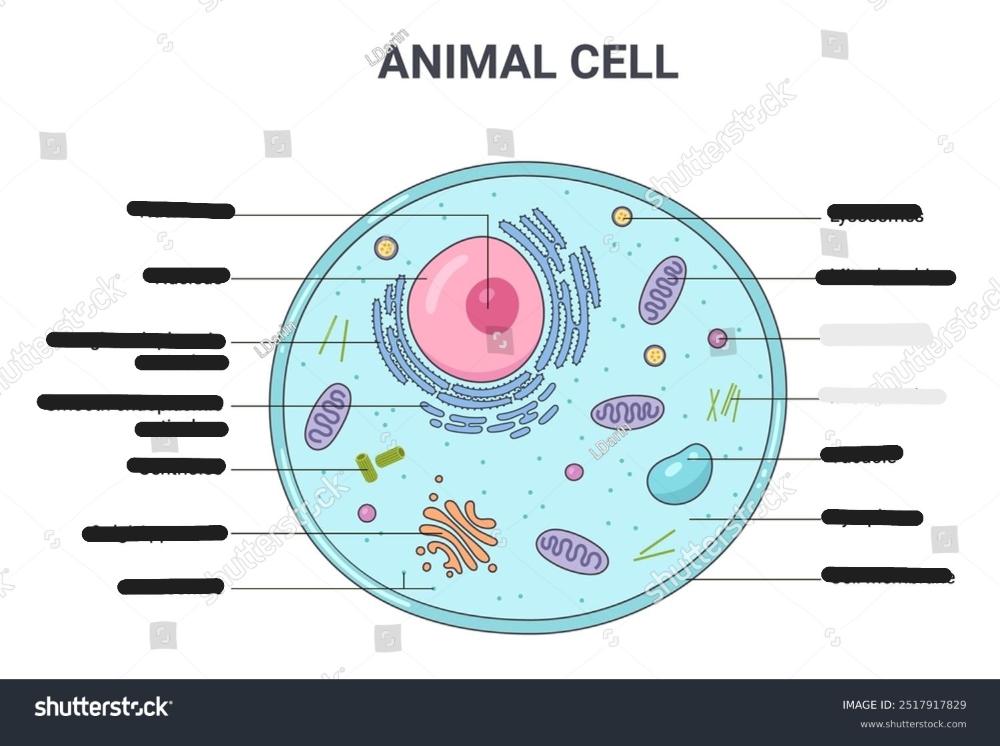
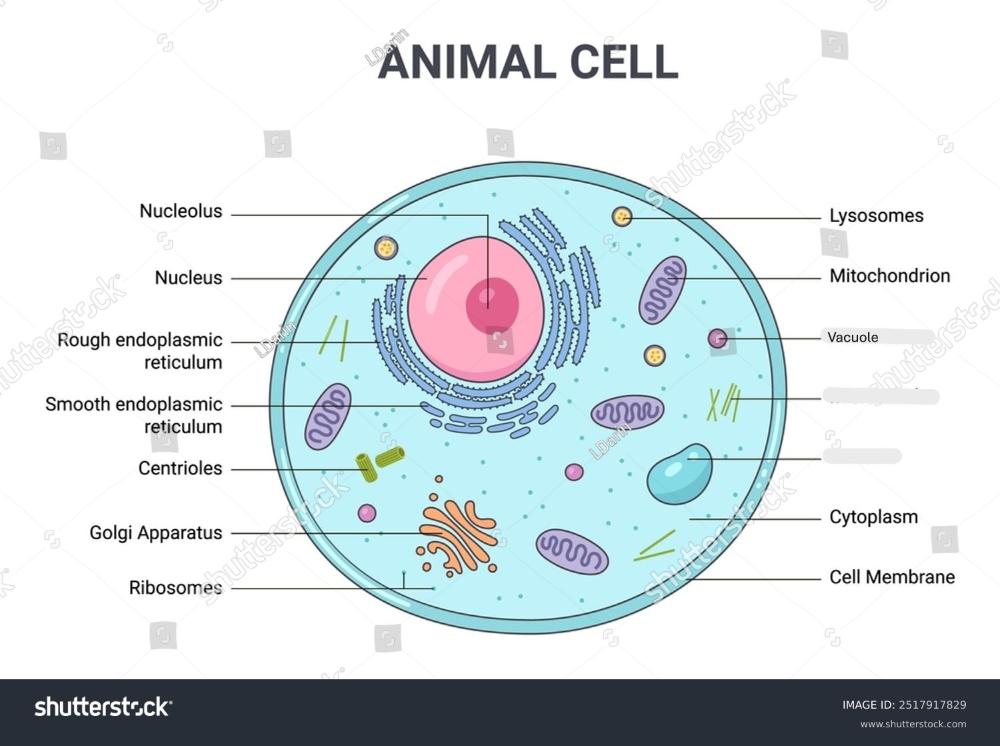
Cell membrane
like a skin that surrounds the cell
separates inside of cell from everything on the outside.
Does not Contain Chromatin
Has phospholipid bilayer
controls what goes in and out of the cell.
surrounds both plant and animal cells
Cytoplasm
jelly-like liquid that fills the cell
DNA
The cells instruction matter; tells the cell what to do
Genetic material
Located in the nucleus
Two main types of cells: Eukaryotic Cells
Complex, found in plants and animals
Have organelles (tiny organs)
Do Eukaryotic cells have a nucleus?
Yes, they have a distinct nucleus
Eukaryotic cell's nucleus
Control center of the eukaryotic cell.
Inside is DNA which is organized into structures called chromosomes when the cell is ready to divide.
contains Nucleolus, where ribosomes are made
Ribosomes
Little factories that make proteins
Float freely in the cytoplasm
can attach to the Endoplasmic Reticulum
endoplasmic reticulum
a network of passages that helps move materials around the cell
What are the two types of Endoplasmic Reticulum?
Rough ER
Smooth ER
Rough ER
Has ribosomes attached
involved in making proteins
Smooth ER
Doesn't have ribosomes attached
involved in making fats and detoxifying the cell
Golgi Apparatus or Golgi body
receives proteins and other materials from the ER, modifies them, and packages them up to be sent to where they are needed.
Vacuoles
like storage sacs
in plants cells, there's often a large central one that stores water.
In animal cells, they are usually smaller and have various storage functions.
they are larger in plant cells
Lysosomes
they contain enzymes that break down waste materials and old cell parts
Like a cell's recycling center.
Mitochondria
perform cellular respiration which creates energy in the form of ATP that the cell needs to function
converts glucose to ATP
cells that need more energy have more mitochondria.
Cytoskeleton
the cell's internal scaffolding.
made of protein fibers that give the cell its shape, help it move, and support its internal structures
Chloroplasts (green)
in plants cells only
responsible for photosynthesis
makes glucose
they are green because they contain a pigment called chlorophyll.
Cell Wall
In plants cells only
the extra layer outside their cell membrane
provides extra support, structure, and protection
Prokaryotic Cells
simple cells
No nucleus or membrane-enclosed organelles
DNA floats in cytoplasm
Are Prokaryotic cells always single-celled organisms?
yes, they are made up of just one cell.
Flagella
some prokaryotic cells have this
whip-like tails that help them move around
Example: sperm cells
All cells have ___ ________, ___________, and ________ ________ (DNA)
cell membrane, cytoplasm, and genetic material.
What does DNA stand for?
Deoxyribonucleic acid
What part of the cell contains DNA?
The eukaryotic and prokaryotic cells
What are the 4 nucleotides?
adenine, thymine, cytosine, guanine
Adenine - Thymine
Cytosine - Guanine
What is the shape of DNA?
A double helix, two spirals twisting around each other
what breaks down the cell membrane?
salt and detergent
Phospholipid: ____________ head, ________________ tail
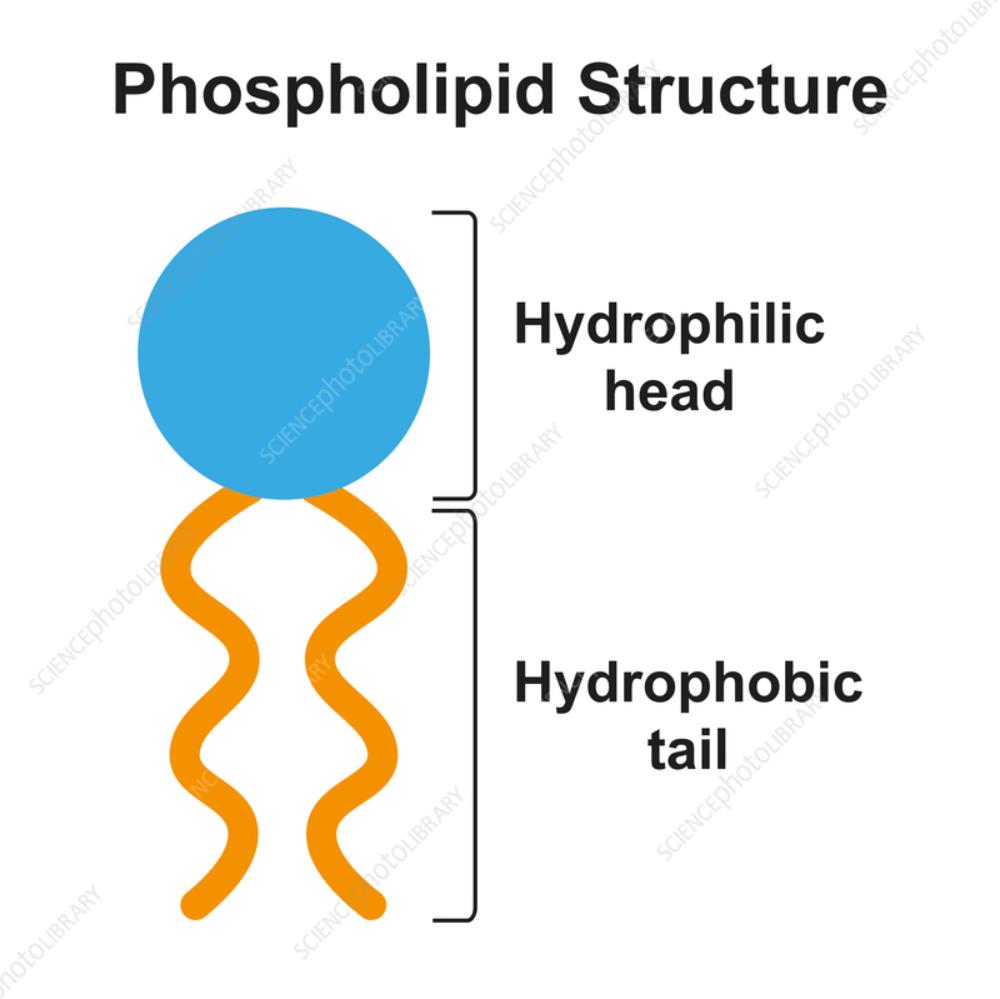
Hydrophilic
water - loving
head of a phospholipid
Hydrophobic
water - fearing
tail of a phospholipid
list 4 substances that can easily cross the cell membran ewithout the use of cellular energy:
gases, dust, liquids, solids/
What do cells use glycoproteins for?
to identify and attach to other cells
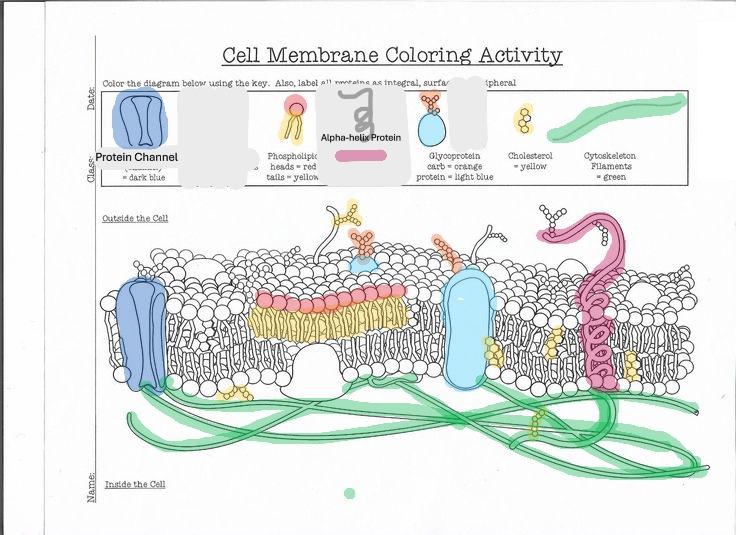
know this.