A&P II Chapters 20 21 and 22 Attendance Quiz 6 and 7 Unit Test 6 Northeast Mississippi Community College
Possible causes of hypoxia include ________.
too little oxygen in the atmosphere
Which of the choices below is NOT a role of the pleurae?
aids in blood flow to and from the heart because the heart sits between the lungs
Inspiratory capacity is:
the total amount of air that can be inspired after a tidal expiration
Which of the disorders below is characterized by destruction of the walls of the alveoli producing abnormally large air spaces that remain filled with air during exhalation?
Emohysema
Intrapulmonary pressure is the:
Pressure within the alveoli of the lungs
Which of the following maintains the patency (openness) of the trachea?
C-shaped cartilage rings
The amount of air that can be inspired above the tidal volume is called ____________.
Inspiratory reserve
Which of the choices below determines the direction of respiratory gas movement?
partial pressure gradient
Regulatory T cells ___________.
may function in preventing autoimmune reactions
Which immunoglobulin class is attached to the external surface of B cells and acts as an antigen receptorf the B cell?
igD
Activated T cells and macrophages release to mobilize immune cells and attract other leukocytes into the area.
Cytokines
Natural killer (NK) cells __________.
can kill cancer cells before the immune system is activated
T-cell activation requires ________.
antigen binding and co-stimulation
Phagocyte mobilization involves ________.
mainly neutrophil and macrophage migration into inflamed areas
Cytotoxic t cells ___________.
are the only T cells that can directly attack and kill other cells
Small molecules that bind with self-proteins to produce antigenic substances are called ________.
Haptens
The primary immune response __________.
has a lag B period while B cells proliferate and differentiate into plasma cells
Monoclonal antibodies are used for the diagnosis of all of the following except
Juvenile diabetes
Which of the following would be classified as a delayed hypersensitivity reaction?
allergic contact dermatitis
Which of the following is the correct sequence of events in phagocytosis?
chemotaxis, adherence, ingestion, digestion, killing
Which of the following is not a normal component of lymph?
red blood cells
Antibodies that act against a particular foreign substance are released by ________.
plasma cells
What is a bubo?
an infected lymph node
A sentinel node is ________.
the first node to receive lymph from an area suspected to be cancerous
Which of the following is not a function of lymph nodes?
produce lymph fluid and cerebro-spinal fluid
Lymph capillaries are absent in all but which of the following?
digestive organs
Select the correct statement about lymphoid tissue.
Lymphoid tissue is predominantly reticular connective tissue.
Which of the following does not influence hemoglobin saturation?
nitric oxide
The respiratory membrane is a combination of ________.
alveolar and capillary walls and their fused basement membranes
The nose serves all the following functions except ________.
as the direct initiator of the cough reflex
Complete the following statement using the choices below. Air moves out of the lungs when the pressure inside the lungs is ________.
greater than the pressure in the atmosphere
Unlike inspiration, expiration is a passive act because no muscular contractions are involved. Expiration, however, depends on two factors. Which of the choices below lists those two factors?
the recoil of elastic fibers that were stretched during inspiration and the inward pull of surface tension due to the film of alveolar fluid
Which of the following counteracts the movement of bicarbonate ions from the RBC?
chloride shifting
In the plasma, the quantity of oxygen in solution is ________.
only about 1.5% of the oxygen carried in blood
Gas emboli may occur because a ________.
diver holds his breath upon ascent
The statement, "in a mixture of gases, the total pressure is the sum of the individual partial pressures of gases in the mixture" paraphrases ________.
Dalton's law
Which of the following statements is true regarding the respiratory rate of a newborn?
The respiratory rate of a newborn is, at its highest rate, approximately 40-80 respirations per minute.
For gas exchange to be efficient, the respiratory membrane must be ________.
0.5 to 1 micrometer thick
The most powerful respiratory stimulus for breathing in a healthy person is ________.
increase of carbon dioxide
The erythrocyte count increases after a while when an individual goes from a low to a high altitude because the ________.
concentration of oxygen and/or total atmospheric pressure is lower at high altitudes
Surfactant helps to prevent the alveoli from collapsing by ________.
interfering with the cohesiveness of water molecules, thereby reducing the surface tension of alveolar fluid
The factors responsible for holding the lungs to the thorax wall are ________.
surface tension from pleural fluid and negative pressure in the pleural cavity
Which respiratory-associated muscles would contract if you were to blow up a balloon?
internal intercostals and abdominal muscles would contract
The loudness of a person's voice depends on the ________.
force with which air rushes across the vocal folds
Select the correct statement about the pharynx.
The auditory tube drains into the nasopharynx.
Factors that influence the rate and depth of breathing include ________.
voluntary cortical control
Which of the choices below is not a factor that promotes oxygen binding to and dissociation from hemoglobin?
number of red blood cells
With the Bohr effect, more oxygen is released because a(n) ________.
decrease in pH (acidosis) weakens the hemoglobin-oxygen bond
Which of the choices below describes the forces that act to pull the lungs away from the thorax wall and thus collapse the lungs?
the natural tendency for the lungs to recoil and the surface tension of the alveolar fluid
The major nonelastic source of resistance to air flow in the respiratory passageways is ________.
friction
Which of the following determines lung compliance?
alveolar surface tension
Which of the statements below does not describe antigens?
Antigens only come from microbes
Which cells become immunocompetent due to thymic hormones?
lymphocytes
Select the correct statement about lymph transport.
Lymph transport depends on the movement of adjacent tissues, such as skeletal muscles.
Lymphoid tissue that appears as a swelling of the mucosa in the oral cavity is called a(n) ________.
tonsil
Which of the following determine(s) what specific foreign substances our adaptive immune system will be able to recognize and resist?
Our genes
Antibody functions include all of the following except ________.
cross-linking cell-bound antigens on red blood cells when blood types are properly matched
B lymphocytes develop immunocompetence in the ________.
bone marrow
B cells respond to the initial antigen challenge by ________.
producing progeny cells that include plasma cells and memory cells
Which of the following is not a method by which antibodies work?
direct cell lysis
Which of the following does not contain a mucosa-associated lymphatic tissue?
thymus
Which of the following is not a function of the lymphatic system?
transporting respiratory gases
Select the correct statement about lymphocytes.
B cells produce plasma cells, which secrete antibodies into the blood.
Which of the following is not a part of the lymphatic system?
erythrocytes
Which of the following statements is a false or incorrect statement?
After becoming immunocompetent, the naive T cells and B cells are exported to the bone marrow where the encounters with antigens occur.
Which of the following cells predominate at the sites of chronic infections?
Macrophages
Which of the following is not a function of the inflammatory response?
replaces injured tissues with connective tissue
Interferons ________.
interfere with viral replication within cells
The tonsils located at the base of the tongue are the ________.
lingual tonsils
Functions of the spleen include all of those below except ________.
forming crypts that trap bacteria
Large clusters of lymph nodes occur in all of the following locations except the ________.
lower extremities
Which of the following would not be classified as a lymphatic structure?
pancreas
The thymus is most active during ________.
childhood
Which of the following is not a role of activated complement?
prevention of immediate hypersensitivity reactions
Which of the following statements regarding NK cells is a false or incorrect statement?
NK cells are a type of neutrophil.
Which of the following is characteristic of antibodies?
composed of heavy and light polypeptide chains
Select the correct statement about the function of antibodies.
Complement fixation is the main mechanism by which antibodies provide protection.
The antibody molecule is held together by ________ bonds.
disulfide
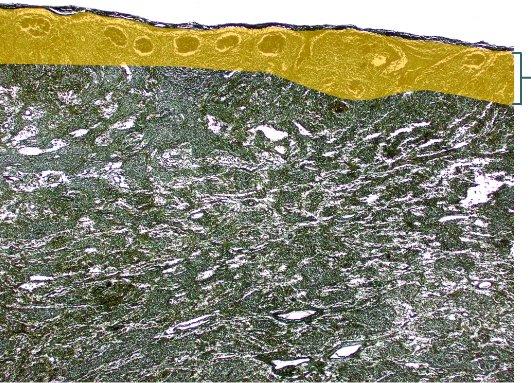
Which structure is highlighted?
cortex
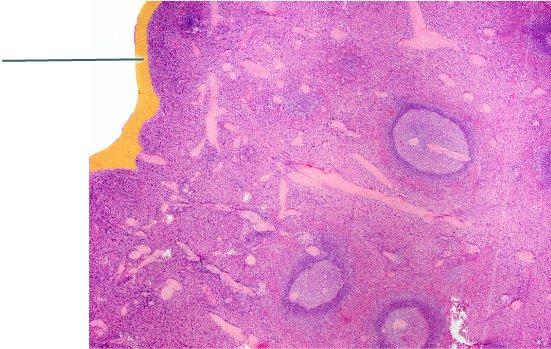
Which structure is highlighted?
capsule
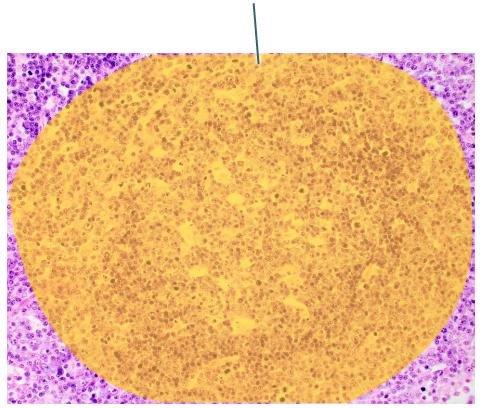
Which structure is highlighted?
lymphoid follicle

Which structure is highlighted?
medulla
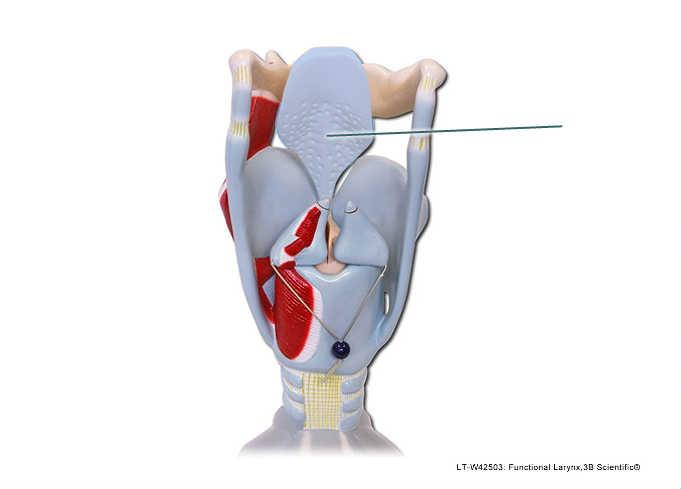
The highlighted structure is composed of what type of cartilage?
elastic
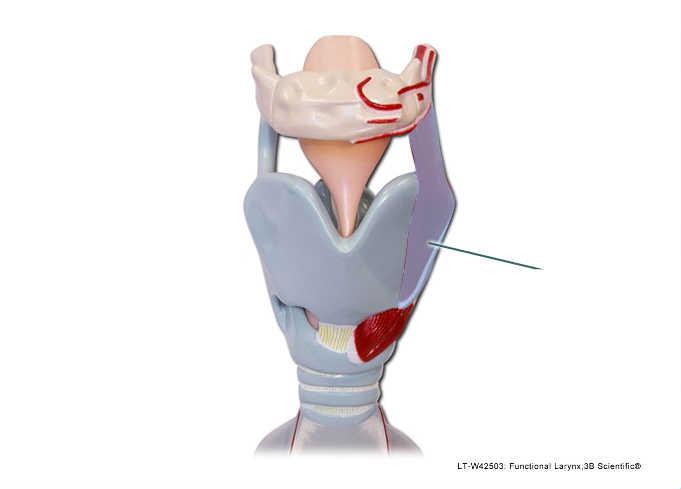
Which two structures are connected by the highlighted muscle?
thyroid cartilage and hyoid bone
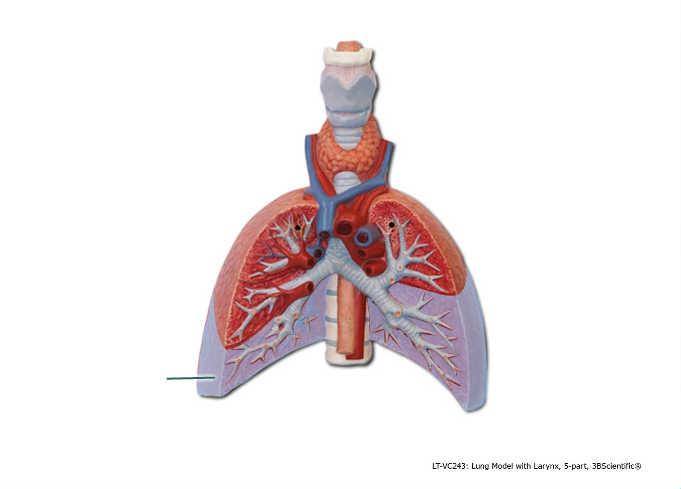
Which lobe is highlighted?
inferior
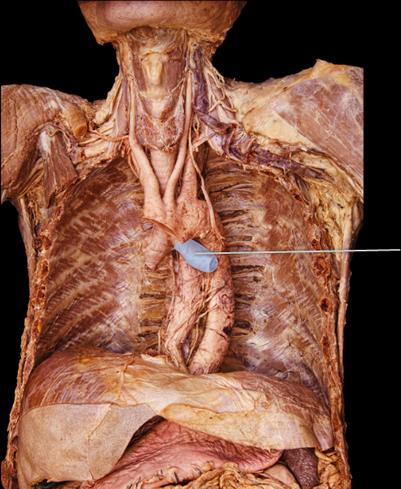
Which structure is highlighted?
left main bronchus

Which cartilage is highlighted?
thyroid
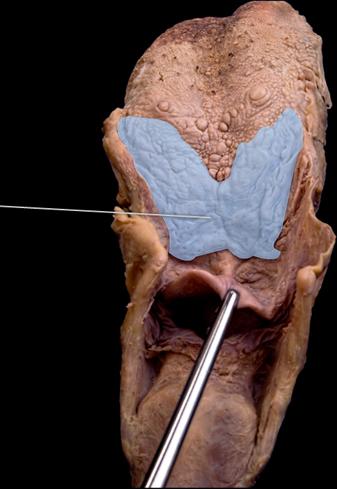
Which structure is highlighted?
lingual tonsil
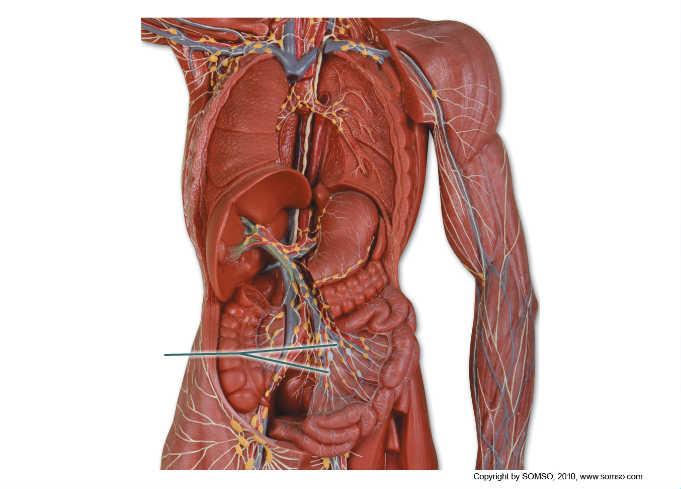
Which nodes are highlighted?
mesenteric
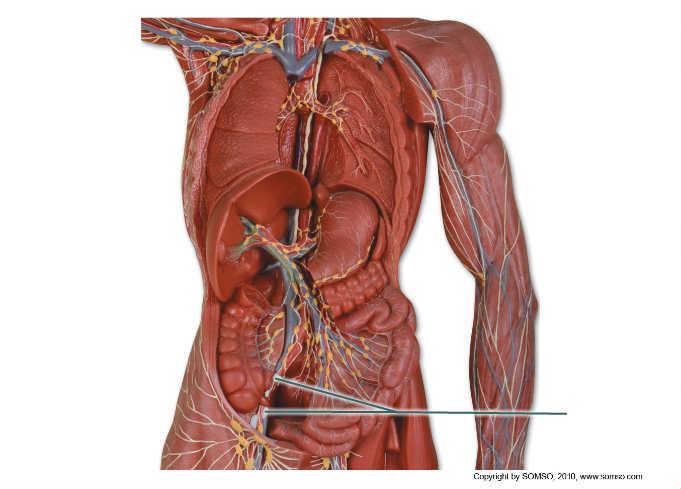
Which nodes are highlighted?
iliac
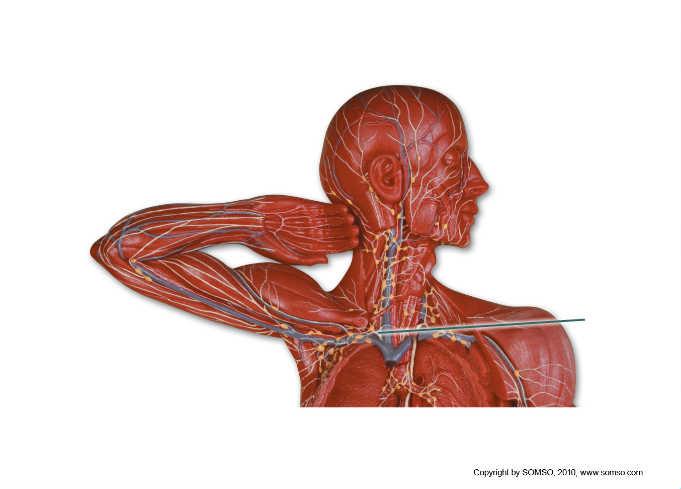
Which structure is highlighted?
right lymphatic duct
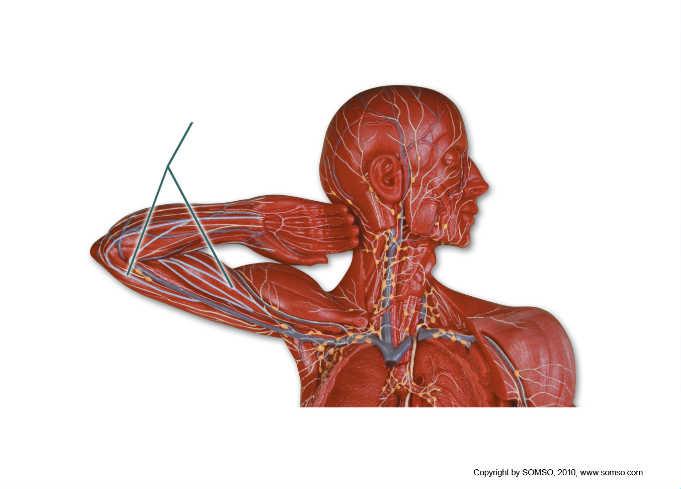
Which structures are highlighted?
lymphatic collecting vessels
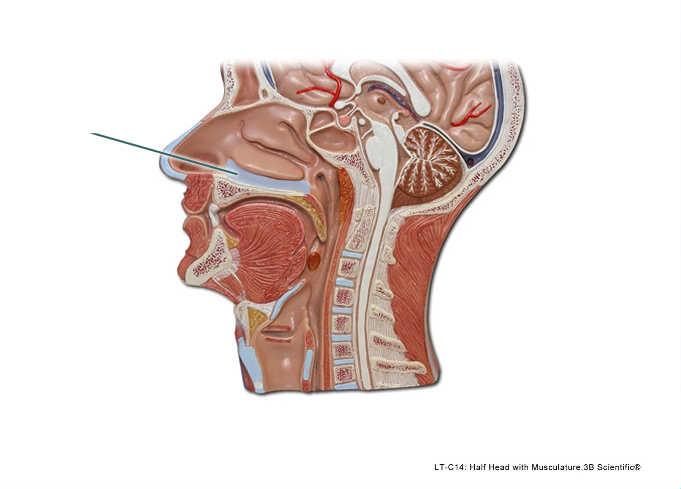
Which structure is highlighted?
inferior meatus
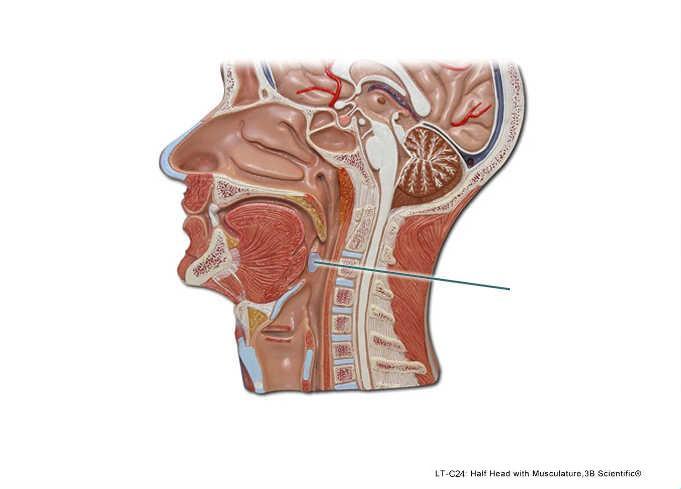
Which structure is highlighted?
palatine tonsil

Which lymph nodes are highlighted?
axillary
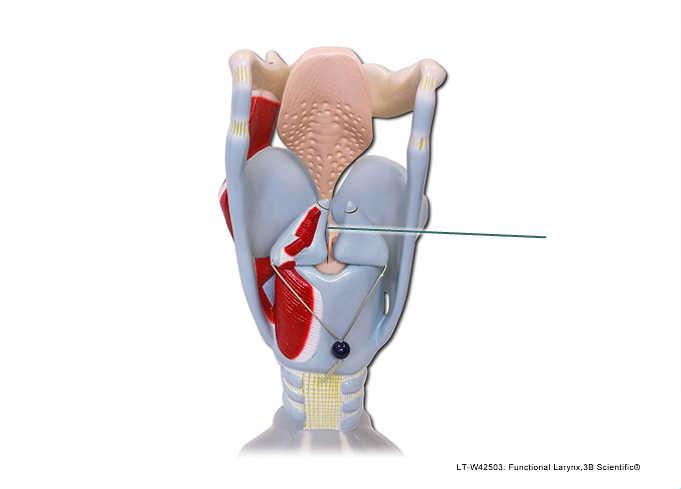
Which structure is highlighted?
rima glottidis
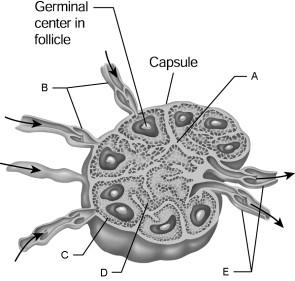
Medulla.
D
Efferent vessels.
E
Cortex.
C
Afferent vessels.
B
Trabecula.
A
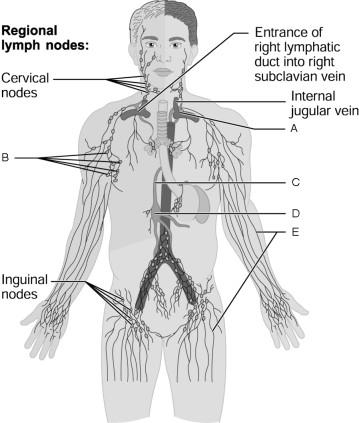
Lymphatic collecting vessels.
E
Axillary node.
B
Cisterna chyli.
D
Entrance of thoracic duct into subclavian vein.
A
Thoracic duct.
C
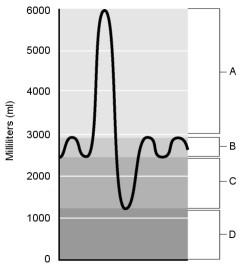
Inspiratory reserve volume.
A
Tidal volume.
B
Expiratory reserve volume.
C
Residual volume
D
Air that does not participate in the exchange of gases.
D
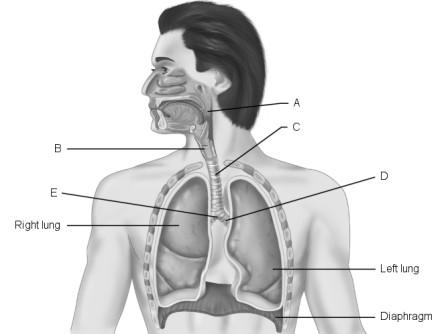
Main (primary) bronchus.
D
Pharynx.
A
Larynx.
B
Carina of trachea.
E
Trachea.
C