Instructions for Side by Side Printing
- Print the notecards
- Fold each page in half along the solid vertical line
- Cut out the notecards by cutting along each horizontal dotted line
- Optional: Glue, tape or staple the ends of each notecard together
Cell Cycle Review
front 1 Types of prokaryotic cell division | back 1 binary fission conjugation |
front 2 Binary fission | back 2 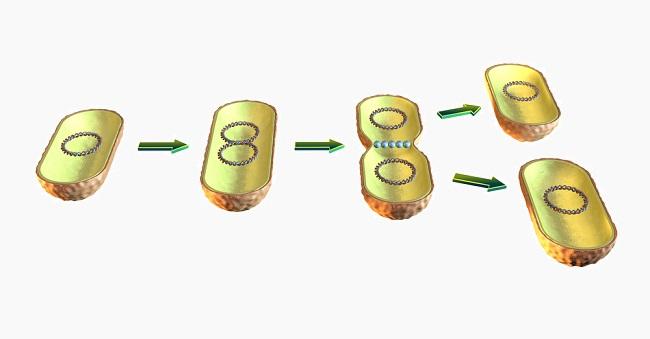 when prokaryotes, replicate the DNA and then split in half. Forms two identical cells Asexual reproduction |
front 3 Conjugation | back 3 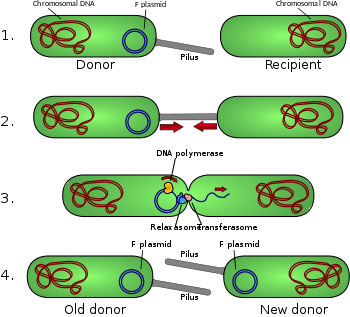 process that occurs in bacteria one cell transfers a copy of extra chromosomal DNA (plasmid) |
front 4 chromatin | back 4 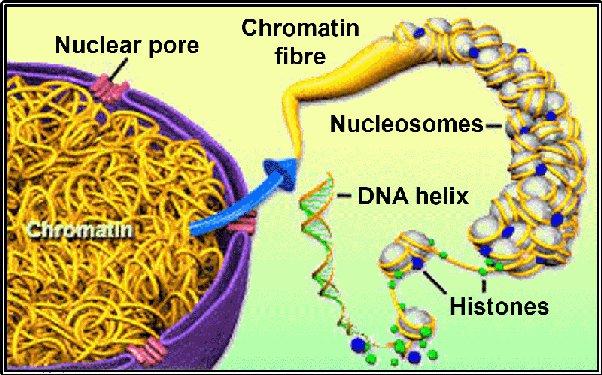 DNA wrapped around histone proteins in this stage during interphase and cytokinesis |
front 5 chromosome | back 5 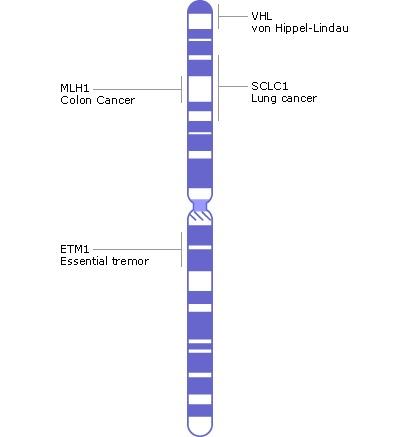 Chromatin that condenses and supercoils before cell division |
front 6 sister chromatids | back 6 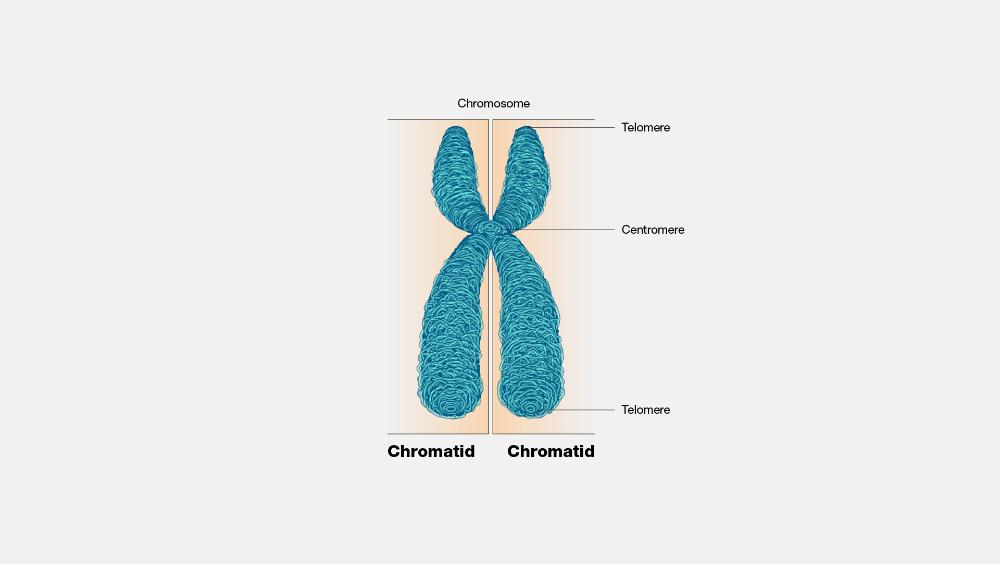 a chromosome paired with its identical copy held together by centromere |
front 7 Cell Cycle | back 7 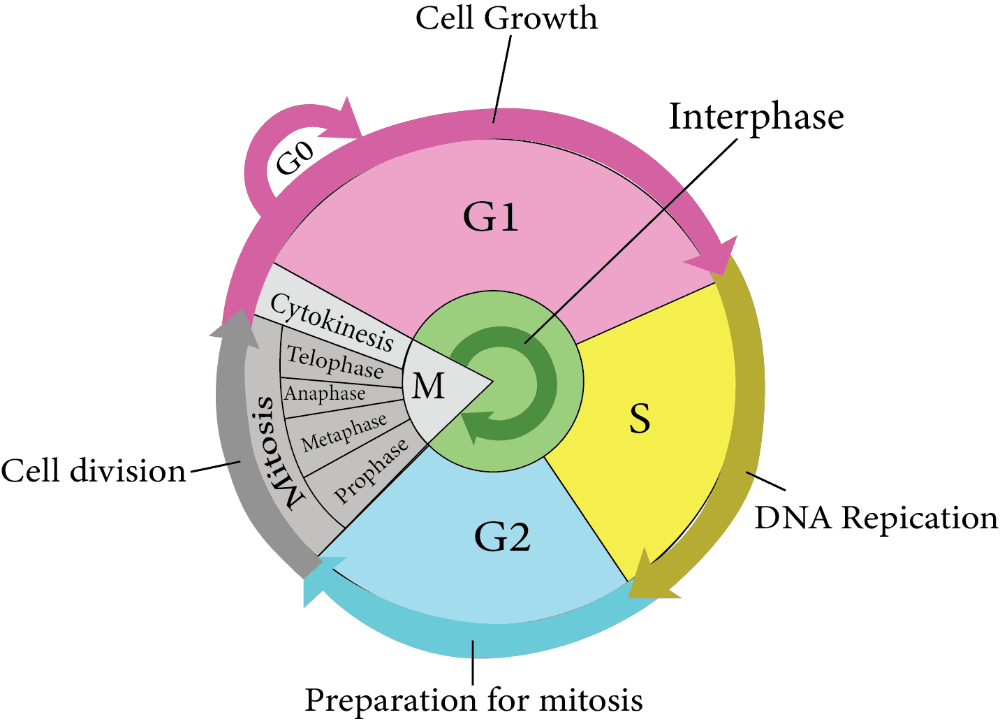 3 stages in the life of a cell Interphase Mitosis Cytokinesis |
front 8 Interphase | back 8 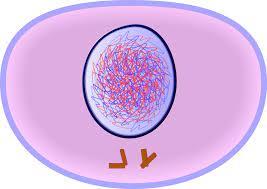 the time in between cell divisions where a cell spends most of it life 3 steps: G1, S, G2 |
front 9 G1 | back 9 First growth in interphase Gap 1 phase time where cell does its job eats, gets rid of waste, makes proteins |
front 10 S phase | back 10 synthesis stage Time when DNA replication occurs during interphase |
front 11 G2 | back 11 2nd Growth phase Gap 2 phase Cell produces any extra materials or organelles needed for cell division |
front 12 centromere | back 12 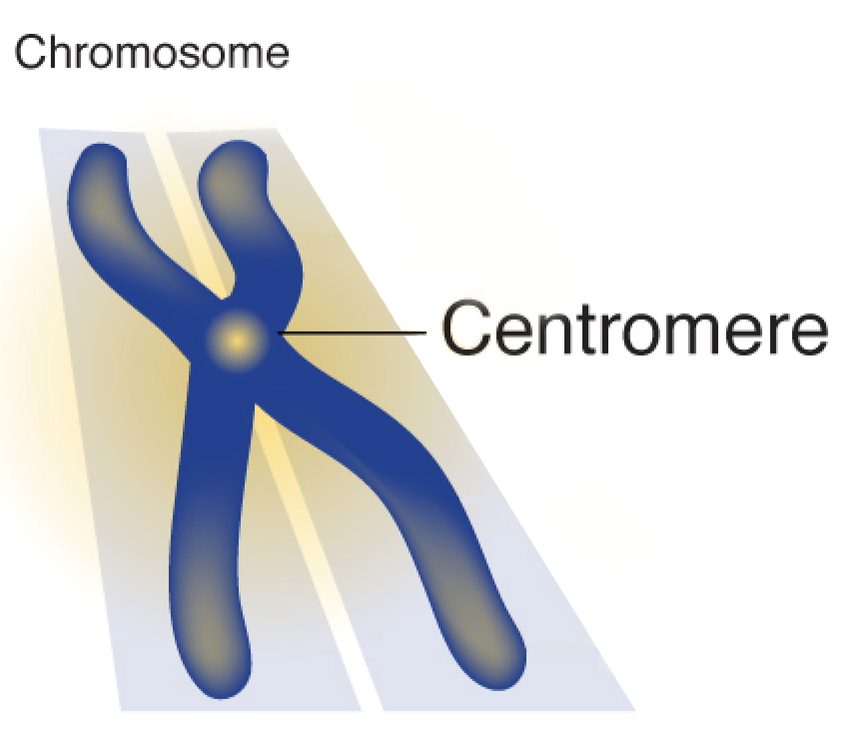 structure that holds sister chromatids together |
front 13 centrioles | back 13 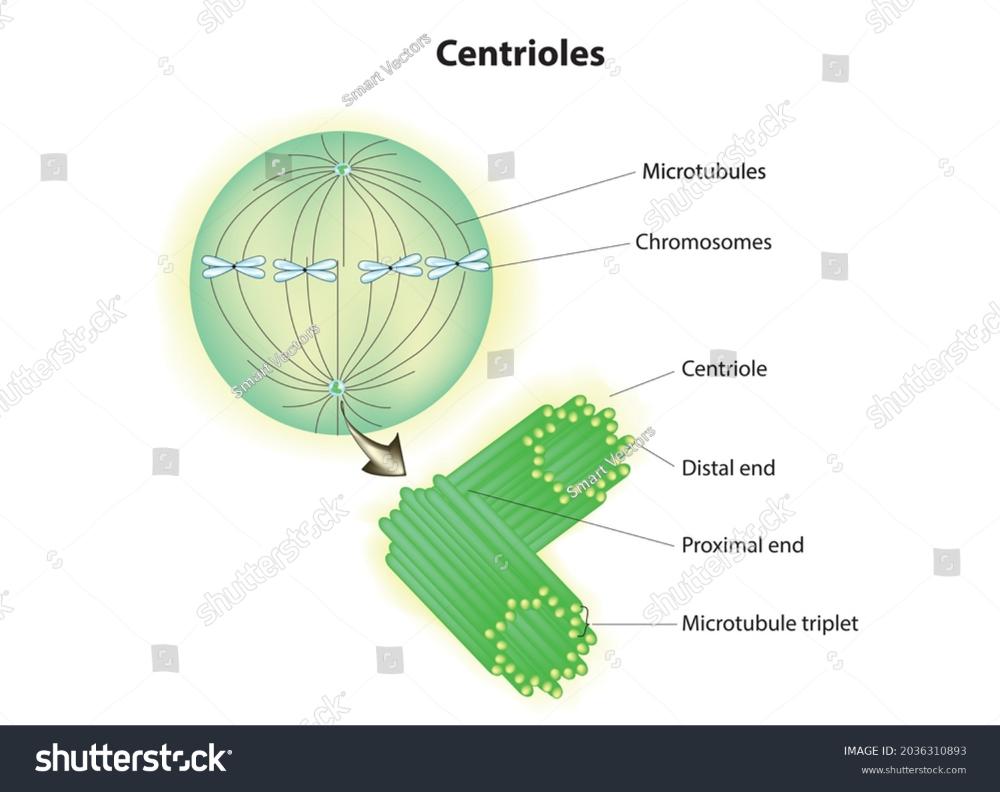 organelles in animal cells that release the spindle fibers |
front 14 spindle fibers | back 14 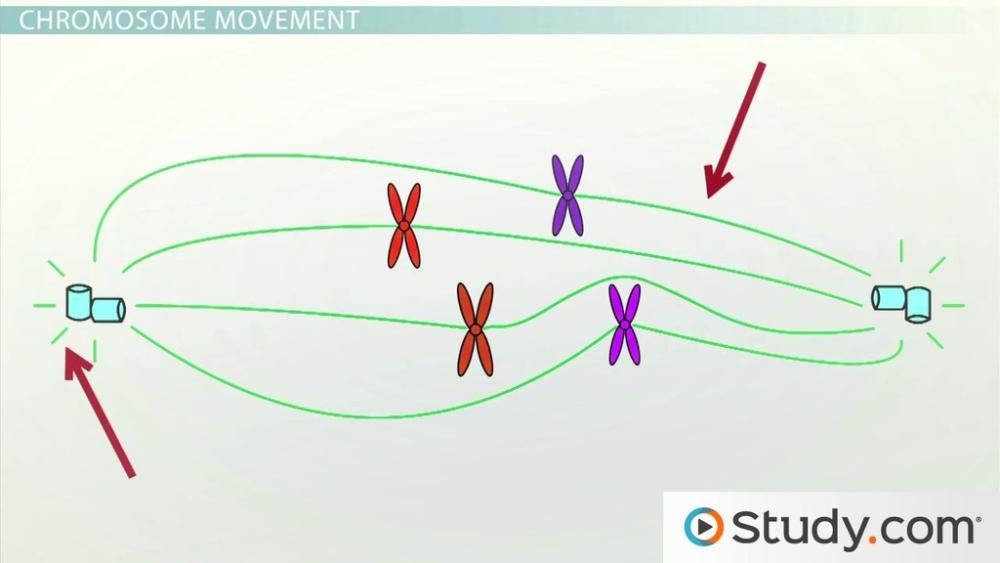 rope like structures that attach to the centromeres and help separate the sister chromatids |
front 15 Mitosis | back 15 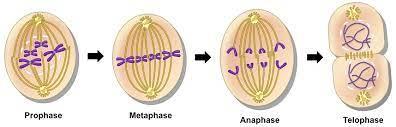 division of the nucleus |
front 16 prophase | back 16 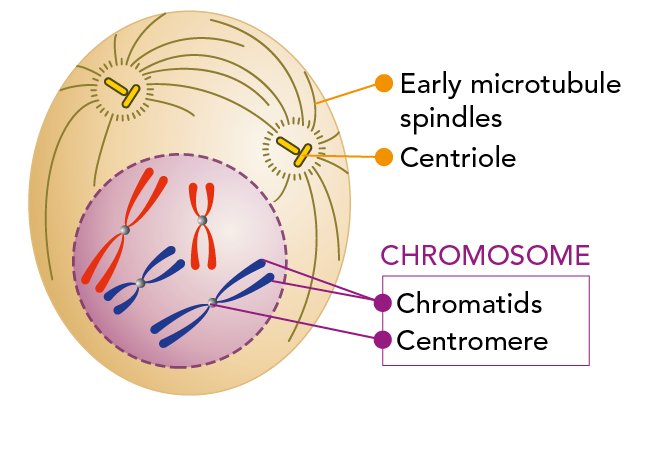 first stage of mitosis sister chromatids appear held by a centromere nuclear envelope and nucleolus start to break down centrioles move to opposite poles |
front 17 metaphase | back 17 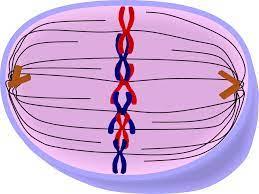 sister chromatids line up along the midline or equator of the cell spindle fibers attach to the centromeres |
front 18 anaphase | back 18 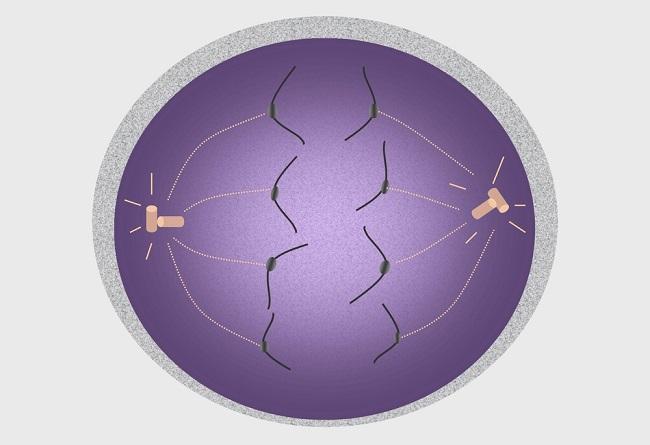 third stage of mitosis spindle fibers retract and pull sister chromatids apart individual chromosomes move towards opposite poles |
front 19 telophase | back 19 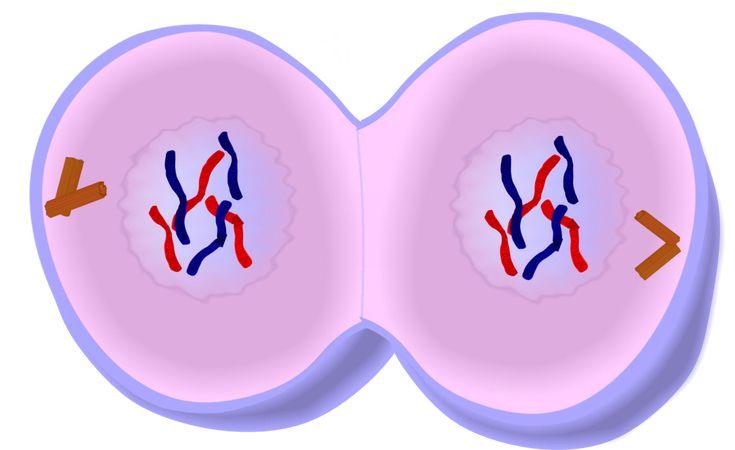 end of mitosis chromosomes reach opposite ends of cells cell is elongated new nuclei and nucleoli begin to form |
front 20 cytokinesis | back 20 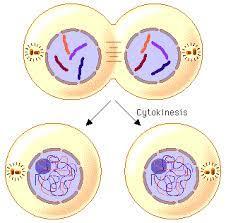 cell splits into two identical daughter cells animal cells have a cleavage furrow (pinching of cell membrane ) plant cells have a cell plate that forms between the 2 cells and separates them |
front 21 cancer cells | back 21 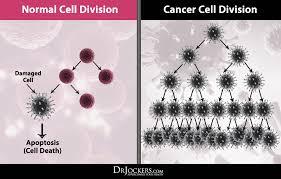 cells that divide more often do not spend time in interphase |