Does osteoarthritis present with symmetric or asymmetric joint involvement?
Does rheumatoid arthritis present with symmetric or asymmetric joint involvement?
asymmetric
symmetric
Does osteoarthritis present with systemic symptoms (e.g. fever, fatigue)?
Does rheumatoid arthritis present with systemic symptoms (e.g. fever, fatigue)?
No
Yes
Knee cartilage loss in osteoarthritis begins medially or laterally?
medially
What demographic is associated with rheumatoid arthritis?
_____ > _____ years of age
Women > 65 years of age
Btwn RA and Osteoarthritis, which one improves with activity?
RA
What demographic is associated with ankylosing spondylitis?
_____ adult _____
Young adult males
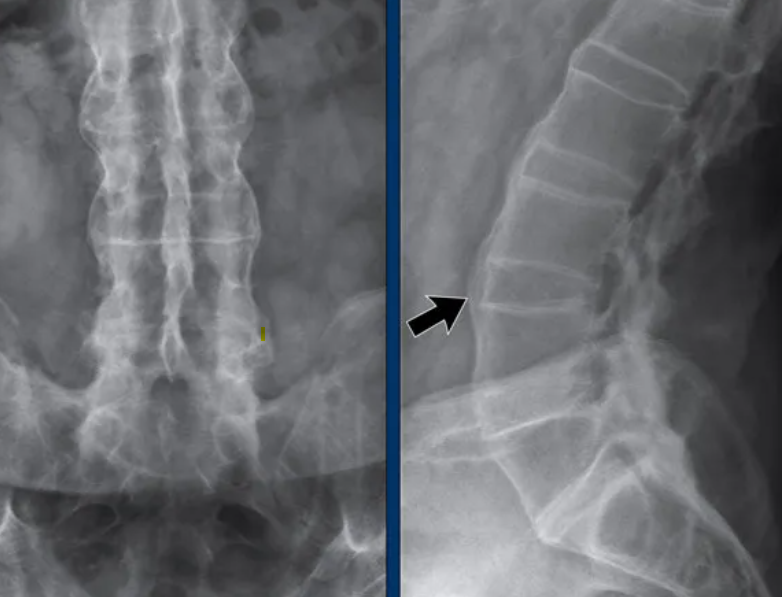
Ankylosing spondylitis is characterized by a(n) "_____ _____" appearance on X-ray
bamboo spine
Psoriatic arthritis most commonly involves the _____ joints of the hands and feet.
DIP
Psoriatic arthritis is associated with "_____" fingers and toes
sausage
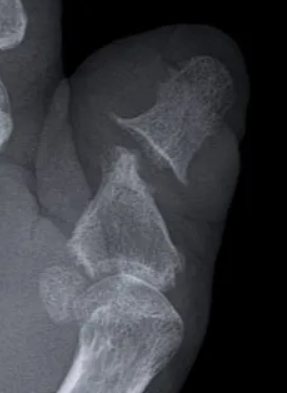
Psoriatic arthritis is associated with a(n) "pencil-in-____" deformity on X-ray
pencil-in-cup
Is gout more common in males or females?
Males
Does gout present with symmetric or asymmetric joint involvement?
asymmetric
Is gout more common in males or females?
Is pseudogout more common in males or females?
Males
both equal
A uterine mass is composed of a benign neoplastic proliferation of smooth muscle arising from the myometrium. Which diagnosis is most likely?
A. Leiomyoma
B. Leiomyosarcoma
C. Endometrioma
D. Adenomyosis
A. Leiomyoma
Uterine leiomyomas arise from which tissue layer?
A. Endometrium
B. Myometrium
C. Perimetrium
D. Serosa
B. Myometrium
Which enzyme is deficient in Lesch-Nyhan syndrome?
A. Adenosine deaminase
B. Xanthine oxidase
C. HGPRT
D. Dihydrofolate reductase
C. HGPRT
HGPRT deficiency produces what effect on uric acid production?
______
Increases
What is the inheritance pattern of Lesch-Nyhan syndrome?
A. X-linked recessive
B. Autosomal recessive
C. X-linked dominant
D. Autosomal dominant
A. X-linked recessive
HGPRT deficiency causes what change in de novo purine synthesis?
A. Complete inhibition
B. Increased synthesis
C. Decreased synthesis
D. Unchanged synthesis
B. Increased synthesis
Which mnemonic can be used to remember manifestations of Lesch-Nyhan syndrome?
A. JONES
B. C-MOPS
C. HGPRT
D. FROM JANE
C. HGPRT
- H: Hyperuricemia
- G: Gout
- P: Poor intellect / Pissed off (aggression)
- R: Recessive (X-linked recessive)
- T: Tense muscles (dystonia)
The articular surfaces of adjoining bones are covered by what tissue?
A. Fibrocartilage
B. Elastic cartilage
C. Dense connective tissue
D. Hyaline cartilage
D. Hyaline cartilage
Which collagen type predominates in articular hyaline cartilage?
Type II collagen
Articular cartilage of adjoining bones is surrounded by what structure?
A. Tendon sheath
B. Joint capsule
C. Periosteum
D. Bursa
B. Joint capsule
Which HLA subtype is associated with seronegative spondyloarthritis according to these notes?
A. HLA-DR4
B. HLA-DR1
C. HLA-B2
D. HLA-DQ2
C. HLA-B2
Synovial fluid is particularly rich in which substance?
A. Hyaluronic acid
B. Uric acid
C. Collagen II
D. Fibrin
A. Hyaluronic acid
What is the major function of synovial fluid?
A. Increase bone formation
B. Lubricate joint motion
C. Promote cartilage erosion
D. Produce osteophytes
B. Lubricate joint motion
What is the most common type of arthritis?
Osteoarthritis
Progressive degeneration of articular cartilage from wear and tear describes which disease?
A. Rheumatoid arthritis
B. Psoriatic arthritis
C. Gout
D. Osteoarthritis
D. Osteoarthritis
Which sex is more commonly affected by osteoarthritis?
Females
What is the major risk factor for osteoarthritis?
A. Smoking
B. Age over 60
C. Silica exposure
D. HLA-DR4
B. Age over 60
Which additional factor increases osteoarthritis risk?
A. Low body weight
B. Male sex
C. Obesity
D. Young age
C. Obesity
Which history increases the risk of developing osteoarthritis?
A. Viral infection
B. Autoimmunity
C. Hyperuricemia
D. Joint trauma
D. Joint trauma
Which hand joints are classically affected by osteoarthritis?
A. MCPs, wrists, elbows
B. MCPs, PIPs, wrists
C. PIPs, DIPs, first CMC
D. DIPs, wrists, MCPs
C. PIPs, DIPs, first CMC
Which thumb joint is commonly affected in osteoarthritis?
A. First MCP
B. First DIP
C. Radiocarpal joint
D. First CMC
D. First CMC
A patient develops knee pain after prolonged use. Which disease best fits this weight-bearing joint pattern?
A. Osteoarthritis
B. Rheumatoid arthritis
C. Septic arthritis
D. Reactive arthritis
A. Osteoarthritis
Which joints are commonly affected by osteoarthritis after use?
A. Shoulders and elbows
B. Hips and knees
C. MCPs and wrists
D. Cervical spine only
B. Hips and knees
Which spinal region is commonly affected by osteoarthritis?
A. Upper cervical spine
B. Thoracic spine
C. Lumbar spine
D. Sacrum spine
C. Lumbar spine
Fragments of cartilage floating within an osteoarthritic joint are called what?
A. Pannus fragments
B. Rheumatoid bodies
C. Tophi
D. Joint mice
D. Joint mice
Eburnation in osteoarthritis refers to what process?
A. Polishing of subchondral bone
B. Destruction of synovium
C. Calcification of cartilage
D. Necrosis of ligaments
A. Polishing of subchondral bone
Why does eburnation occur in osteoarthritis?
A. Immune-complex deposition
B. The bone friction causes it
C. Crystal deposition
D. Synovial infection
B. The bone friction causes it
What are osteophytes in osteoarthritis?
A. Cartilage fragments
B. Synovial granulomas
C. Reactive bony outgrowths
D. Uric acid deposits
C. Reactive bony outgrowths
Joint-space narrowing with osteophyte formation on imaging most strongly suggests what?
A. Rheumatoid arthritis
B. Septic arthritis
C. Gout
D. Osteoarthritis
D. Osteoarthritis
Which medications are used for osteoarthritis pain management?
A. NSAIDs or acetaminophen
B. Methotrexate or azathioprine
C. Rituximab or abatacept
D. Allopurinol or colchicine
A. NSAIDs or acetaminophen
Which treatment may be injected directly into an osteoarthritic joint?
A. Penicillin
B. Glucocorticoids
C. Methotrexate
D. Allopurinol
B. Glucocorticoids
Synovitis followed by formation of an inflammatory pannus characterizes which disease?
A. Osteoarthritis
B. Gout
C. Rheumatoid arthritis
D. Septic arthritis
C. Rheumatoid arthritis
What is a pannus in rheumatoid arthritis?
A. Cartilage calcification
B. Bony outgrowth
C. Uric acid deposit
D. Inflamed granulation tissue
D. Inflamed granulation tissue
Which HLA subtype is a risk factor for rheumatoid arthritis?
A. HLA-DR4
B. HLA-B2
C. HLA-DQ2
D. HLA-A3
A. HLA-DR4
Which additional HLA subtype is associated with rheumatoid arthritis?
A. HLA-B27
B. HLA-DR1
C. HLA-DQ8
D. HLA-A2
B. HLA-DR1
Which group contains only rheumatoid arthritis risk factors?
A. HLA-DR4, DR1, smoking, silica
B. Obesity, trauma, age, female sex
C. HLA-B2, alcohol, obesity, trauma
D. Age, smoking, hyperuricemia, asbestos
A. HLA-DR4, DR1, smoking, silica
Which hand joints are classically affected by rheumatoid arthritis?
A. DIPs, first CMC, wrists
B. PIPs, MCPs, wrists
C. DIPs, PIPs, first CMC
D. MCPs, DIPs, first CMC
B. PIPs, MCPs, wrists
Which deformity is characteristic of rheumatoid arthritis?
A. Radial finger deviation
B. Ulnar wrist deviation
C. Ulnar finger deviation
D. Isolated DIP deviation
C. Ulnar finger deviation
Rheumatoid arthritis may produce which wrist deformity?
A. Ulnar wrist deviation
B. Volar wrist deviation
C. Dorsal wrist deviation
D. Radial wrist deviation
D. Radial wrist deviation
Long-standing rheumatoid arthritis can cause subluxation of which region?
A. Cervical spine
B. Lumbar spine
C. Thoracic spine
D. Sacroiliac joint
A. Cervical spine
this is very dangerous
Which imaging pattern most strongly suggests rheumatoid arthritis?
A. Osteophytes and sclerosis
B. Narrowing, erosions, periarticular osteopenia
C. Chondrocalcinosis and cysts
D. Joint mice and eburnation
B. Narrowing, erosions, periarticular osteopenia
Rheumatoid nodules contain which central histologic finding?
A. Caseous necrosis
B. Fat necrosis
C. Fibrinoid necrosis
D. Liquefactive necrosis
C. Fibrinoid necrosis
Which cells characteristically surround the necrotic center of rheumatoid nodules?
A. Eosinophils
B. Plasma cells
C. Giant cells
D. Palisading histiocytes
D. Palisading histiocytes
Where can rheumatoid nodules occur?
_____ and _____ organs
skin and visceral organs
Which visceral organ is specifically listed as a site of rheumatoid nodules?
______
Lung
A patient with long-standing rheumatoid arthritis develops splenomegaly and neutropenia. Which diagnosis is most likely?
A. Felty syndrome
B. Reiter syndrome
C. Sjögren syndrome
D. Still disease
A. Felty syndrome
Which type of amyloidosis is associated with rheumatoid arthritis?
A. AL amyloidosis
B. ATTR amyloidosis
C. Secondary AA amyloidosis
D. Dialysis-related amyloidosis
C. Secondary AA amyloidosis
Rheumatoid factor is usually which immunoglobulin class?
A. IgA
B. IgG
C. IgE
D. IgM
D. IgM
Rheumatoid factor is directed against which target?
A. Fc portion of IgG
B. Fab portion of IgM
C. Fc portion of IgA
D. Citrullinated collagen
A. Fc portion of IgG
Which antibody is particularly specific for rheumatoid arthritis?
A. ANA
B. Anti-CCP
C. Anti-dsDNA
D. Anti-centromere
B. Anti-CCP
Anti-CCP antibodies recognize which type of antigen?
A. Double-stranded DNA
B. Cardiolipin
C. Citrullinated peptides
D. Basement membrane
C. Citrullinated peptides
Which arthritis is associated with noninflammatory synovial fluid?
A. Rheumatoid arthritis
B. Reactive arthritis
C. Psoriatic arthritis
D. Osteoarthritis
D. Osteoarthritis
What synovial-fluid WBC count is characteristic of osteoarthritis in these notes?
A. Below 2,000/mm³
B. Above 5,000/mm³
C. Above 50,000/mm³
D. Below 100/mm³
A. Below 2,000/mm³
Which arthritis is associated with inflammatory synovial fluid?
A. Osteoarthritis
B. Rheumatoid arthritis
C. Degenerative arthritis
D. Traumatic arthritis
B. Rheumatoid arthritis
What synovial-fluid WBC count is characteristic of rheumatoid arthritis in these notes?
A. Below 500/mm³
B. Below 2,000/mm³
C. Above 5,000/mm³
D. Exactly 2,000/mm³
C. Above 5,000/mm³
Heberden nodes are bony swellings involving which joints?
A. MCP joints
B. PIP joints
C. Wrist joints
D. DIP joints
D. DIP joints
Bouchard nodes are bony swellings involving which joints?
A. PIP joints
B. DIP joints
C. MCP joints
D. CMC joints
A. PIP joints
Seronegative spondyloarthropathies characteristically lack which laboratory marker?
A. ANA
B. Anti-CCP
C. Rheumatoid factor
D. Anti-dsDNA
C. Rheumatoid factor
Which skeletal region is characteristically involved in seronegative spondyloarthropathies?
A. Distal phalanges
B. Upper extremities
C. Peripheral skeleton
D. Axial skeleton
D. Axial skeleton
Which mnemonic summarizes the major seronegative spondyloarthropathies?
A. PEAR
B. JONES
C. C-MOPS
D. FROM JANE
A. PEAR
In the PEAR mnemonic, what does P represent?
A. Polymyalgia rheumatica
B. Psoriatic arthritis
C. Polyarteritis nodosa
D. Pseudogout
B. Psoriatic arthritis
In the PEAR mnemonic, what does E represent?
A. Erosive osteoarthritis
B. Erythema nodosum
C. Enteropathic arthritis
D. Eosinophilic fasciitis
C. Enteropathic arthritis
Enteropathic arthritis is particularly associated with which disease category?
A. Rheumatoid disease
B. Gout
C. Osteoarthritis
D. Inflammatory bowel disease
D. Inflammatory bowel disease
In the PEAR mnemonic, what does A represent?
A. Ankylosing spondylitis
B. Acute rheumatic fever
C. Amyloid arthropathy
D. Autoimmune arthritis
A. Ankylosing spondylitis
In the PEAR mnemonic, what does R represent?
A. Rheumatoid arthritis
B. Reactive arthritis
C. Reiterated arthritis
D. Rheumatic arthritis
B. Reactive arthritis
How does inflammatory back pain from seronegative spondyloarthropathy typically respond to exercise?
Improves
Which ocular manifestation is associated with seronegative spondyloarthropathies?
A. Retinitis
B. Cataracts
C. Glaucoma
D. Uveitis
D. Uveitis
Ankylosing spondylitis primarily involves which structures?
A. Spine and sacroiliac joints
B. DIP joints and wrists
C. MCP joints and elbows
D. Shoulders and ankles
A. Spine and sacroiliac joints
Which ocular complication is an extra-articular manifestation of ankylosing spondylitis?
A. Conjunctivitis
B. Uveitis
C. Retinal detachment
D. Optic neuritis
B. Uveitis
A patient with ankylosing spondylitis develops a new diastolic murmur. Which valvular lesion is classically associated?
A. Mitral stenosis
B. Tricuspid stenosis
C. Aortic regurgitation
D. Pulmonic regurgitation
C. Aortic regurgitation
Why can ankylosing spondylitis cause aortic regurgitation?
A. Papillary muscle rupture
B. Infective vegetations
C. Mitral annular calcification
D. Aortitis
D. Aortitis
Which triad characterizes reactive arthritis?
A. Conjunctivitis, urethritis, arthritis
B. Uveitis, diarrhea, arthritis
C. Pharyngitis, rash, arthritis
D. Splenomegaly, neutropenia, arthritis
A. Conjunctivitis, urethritis, arthritis
A patient develops arthritis, conjunctivitis, and urethritis after an illness. Which diagnosis is most likely?
A. Rheumatoid arthritis
B. Reactive arthritis
C. Osteoarthritis
D. Ankylosing spondylitis
B. Reactive arthritis
Which additional gastrointestinal symptom may accompany reactive arthritis?
A. Constipation
B. Hematemesis
C. Diarrhea
D. Jaundice
C. Diarrhea
Reactive arthritis classically develops in which demographic?
A. Elderly adults
B. Young adults
C. Neonates
D. Older children
B. Young adults
Reactive arthritis classically follows which type of infection?
A. GI or Chlamydia infection
B. Pulmonary or fungal infection
C. Skin or viral infection
D. CNS or parasitic infection
A. GI or Chlamydia infection
Which sexually transmitted organism can trigger reactive arthritis?
A. Neisseria gonorrhoeae
B. Treponema pallidum
C. Chlamydia trachomatis
D. Haemophilus ducreyi
C. Chlamydia trachomatis
What type of synovial fluid characterizes reactive arthritis?
A. Purulent
B. Septic
C. Hemorrhagic
D. Sterile
D. Sterile
A patient has inflammatory arthritis associated with psoriasis and nail lesions. Which diagnosis is most likely?
A. Psoriatic arthritis
B. Reactive arthritis
C. Rheumatoid arthritis
D. Septic arthritis
A. Psoriatic arthritis
Septic arthritis results from which underlying process?
A. Crystal deposition
B. Infectious invasion
C. Autoimmune synovitis
D. Cartilage degeneration
B. Infectious invasion
What type of organism most commonly causes septic arthritis?
A. Fungal
B. Viral
C. Bacterial
D. Parasitic
C. Bacterial
A sexually active young adult develops septic arthritis. Which organism is most likely?
A. Staphylococcus aureus
B. Streptococcus pyogenes
C. Escherichia coli
D. Neisseria gonorrhoeae
D. Neisseria gonorrhoeae
What is the typical cause of septic arthritis in older children and adults?
A. Staphylococcus aureus
B. Neisseria gonorrhoeae
C. Streptococcus pneumoniae
D. Enterococcus faecalis
A. Staphylococcus aureus
A patient has one acutely red, swollen, painful joint. Which diagnosis should be strongly considered?
A. Osteoarthritis
B. Septic arthritis
C. Rheumatoid arthritis
D. Reactive arthritis
B. Septic arthritis
Which joint is most commonly involved in septic arthritis?
A. Shoulder
B. Hip
C. Knee
D. Wrist
C. Knee
Purulent synovial fluid with WBCs above 50,000/mm³ suggests what?
A. Osteoarthritis
B. Reactive arthritis
C. Rheumatoid arthritis
D. Septic arthritis
D. Septic arthritis
Which triad characterizes gonococcal arthritis-dermatitis syndrome?
A. Polyarthralgia, tenosynovitis, dermatitis
B. Arthritis, urethritis, conjunctivitis
C. Fever, arthritis, hematuria
D. Rash, diarrhea, arthritis
A. Polyarthralgia, tenosynovitis, dermatitis
Gout results from deposition of which crystals?
A. Calcium oxalate
B. Monosodium urate
C. Calcium pyrophosphate
D. Cholesterol crystals
B. Monosodium urate
Where are monosodium urate crystals especially deposited?
A. Pulmonary alveoli
B. Cardiac valves
C. Joints
D. Biliary ducts
C. Joints
What is the most common form of gout?
A. Secondary gout
B. Renal gout
C. Tophaceous gout
D. Primary gout
D. Primary gout
Primary gout is characterized by which etiology?
A. Unknown etiology
B. Leukemia
C. Renal insufficiency
D. Lesch-Nyhan syndrome
A. Unknown etiology
Why can leukemia cause secondary gout?
A. Reduced inflammation
B. Increased cell turnover
C. Decreased purine synthesis
D. Increased calcium excretion
B. Increased cell turnover
Which disorders can cause secondary gout through increased cellular turnover?
A. Osteoarthritis and RA
B. SLE and scleroderma
C. Leukemia and myeloproliferative disorders
D. Psoriasis and eczema
C. Leukemia and myeloproliferative disorders
Lesch-Nyhan syndrome predisposes to gout because of impaired ability to do what?
A. Calcium absorption
B. Pyrimidine degradation
C. Uric acid filtration
D. Salvage purine
D. Salvage purine
Which glycogen storage disease can cause secondary gout?
A. Von Gierke disease
B. Pompe disease
C. McArdle disease
D. Cori disease
A. Von Gierke disease
Renal insufficiency predisposes to gout through what mechanism?
A. Increased purine synthesis
B. Decreased uric acid excretion
C. Increased calcium absorption
D. Reduced neutrophil activation
B. Decreased uric acid excretion
Painful acute gout involving the first MTP is called what?
A. Tophus
B. Chondrocalcinosis
C. Synovitis
D. Podagra
D. Podagra
Monosodium urate crystal deposition activates which inflammatory cells?
A. Neutrophils
B. Eosinophils
C. Basophils
D. Erythrocytes
A. Neutrophils
Why can alcohol consumption precipitate acute gout?
A. Increased calcium absorption
B. Competes for renal excretion
C. Blocks neutrophil migration
D. Decreases purine intake
B. Competes for renal excretion
Which foods can precipitate acute gout because of high purine content?
A. Dairy and eggs
B. Fruits and vegetables
C. Red meat and seafood
D. Bread and rice
C. Red meat and seafood
Chronic gout produces which characteristic deposits?
A. Pannus
B. Osteophytes
C. Joint mice
D. Tophi
D. Tophi
What is a gouty tophus?
A. White chalky urate aggregate
B. Reactive bony outgrowth
C. Inflamed granulation tissue
D. Calcified cartilage fragment
A. White chalky urate aggregate
Which location is commonly affected by gouty tophi?
A. Nasal septum
B. External ear
C. Cornea
D. Fingernail
B. External ear
Which periarticular structure commonly develops gouty tophi?
A. Prepatellar ligament
B. Rotator cuff
C. Olecranon bursa
D. Meniscus
C. Olecranon bursa
Which tendon commonly develops gouty tophi?
A. Patellar tendon
B. Biceps tendon
C. Triceps tendon
D. Achilles tendon
D. Achilles tendon
Chronic gout may eventually cause which major complication?
A. Renal failure
B. Liver failure
C. Pulmonary fibrosis
D. Heart failure
A. Renal failure
How can chronic gout cause renal failure?
A. Glomerular antibody deposition
B. Tubular urate deposition
C. Renal artery thrombosis
D. Calcium oxalate deposition
B. Tubular urate deposition
What shape characterizes monosodium urate crystals?
A. Rhomboid
B. Spherical
C. Needle-shaped
D. Hexagonal
C. Needle-shaped
What birefringence characterizes gout crystals?
A. Strongly positive
B. Weakly positive
C. Nonbirefringent
D. Negative
D. Negative
Under parallel polarized light, MSU crystals appear what color?
A. Yellow
B. Blue
C. Red
D. Green
A. Yellow
Under perpendicular polarized light, MSU crystals appear what color?
A. Yellow
B. Blue
C. Red
D. Green
B. Blue
Pseudogout results from deposition of which crystals?
A. Monosodium urate
B. Calcium oxalate
C. Calcium pyrophosphate
D. Cholesterol
C. Calcium pyrophosphate
Which condition is associated with pseudogout?
A. Rheumatoid arthritis
B. SLE
C. Osteoarthritis
D. Hemochromatosis
D. Hemochromatosis
Which endocrine disorder is associated with pseudogout?
A. Hyperparathyroidism
B. Hyperthyroidism
C. Addison disease
D. Diabetes insipidus
A. Hyperparathyroidism
Which joint is most commonly affected by pseudogout?
A. First MTP
B. Knee
C. Wrist
D. Shoulder
B. Knee
Which radiographic finding classically suggests pseudogout?
A. Joint mice
B. Osteophytes
C. Chondrocalcinosis
D. Pannus formation
C. Chondrocalcinosis
What shape characterizes calcium pyrophosphate crystals?
A. Needle-shaped
B. Hexagonal
C. Spherical
D. Rhomboid-shaped
D. Rhomboid-shaped
What birefringence characterizes pseudogout crystals?
A. Weakly positive
B. Strongly negative
C. Nonbirefringent
D. Strongly positive
A. Weakly positive
Under parallel polarized light, pseudogout crystals appear what color?
A. Yellow
B. Blue
C. Green
D. Red
B. Blue
A benign neoplasm of adipose tissue within a fibrous capsule is called what?
A. Liposarcoma
B. Rhabdomyoma
C. Lipoma
D. Leiomyoma
C. Lipoma
What is the most common benign soft-tissue tumor in adults?
A. Rhabdomyoma
B. Fibroma
C. Leiomyoma
D. Lipoma
D. Lipoma
A malignant tumor arising from adipose tissue is called what?
A. Liposarcoma
B. Lipoma
C. Rhabdomyosarcoma
D. Leiomyoma
A. Liposarcoma
What is the most common malignant soft-tissue tumor in adults?
A. Rhabdomyosarcoma
B. Liposarcoma
C. Leiomyosarcoma
D. Fibrosarcoma
B. Liposarcoma
Which cell type is characteristic of liposarcoma?
A. Rhabdomyoblast
B. Myofibroblast
C. Lipoblast
D. Chondroblast
C. Lipoblast
A benign tumor of striated muscle is called what?
A. Lipoma
B. Leiomyoma
C. Rhabdomyosarcoma
D. Rhabdomyoma
D. Rhabdomyoma
A malignant tumor of skeletal muscle is called what?
A. Rhabdomyosarcoma
B. Rhabdomyoma
C. Leiomyosarcoma
D. Liposarcoma
A. Rhabdomyosarcoma
What is the most common malignant soft-tissue tumor in children?
A. Liposarcoma
B. Rhabdomyosarcoma
C. Leiomyosarcoma
D. Fibrosarcoma
B. Rhabdomyosarcoma
Which cell type is characteristic of rhabdomyosarcoma?
A. Lipoblast
B. Osteoblast
C. Rhabdomyoblast
D. Chondroblast
C. Rhabdomyoblast
Skin picking and lip biting are characteristic behavioral findings in which disorder?
A. Von Gierke disease
B. Gout
C. Pseudogout
D. Lesch-Nyhan syndrome
D. Lesch-Nyhan syndrome
Tumors of striated muscle are called what when benign and malignant, respectively?
A. Rhabdomyoma and rhabdomyosarcoma
B. Leiomyoma and leiomyosarcoma
C. Lipoma and liposarcoma
D. Fibroma and fibrosarcoma
A. Rhabdomyoma and rhabdomyosarcoma
Which structures are examples of fibrous synarthroses?
A. Pubic and manubriosternal joints
B. Cranial sutures and tooth sockets
C. Knee and hip joints
D. SI and facet joints
B. Cranial sutures and tooth sockets
Immobile cartilaginous joints are referred to as what?
A. Synovial joints
B. Synarthroses
C. Syndesmoses
D. Synchondroses
D. Synchondroses
Which joints are listed as examples of immobile cartilaginous joints?
A. Manubriosternal and pubic symphyses
B. Hip and knee joints
C. Cranial sutures and teeth
D. Shoulder and elbow joints
A. Manubriosternal and pubic symphyses
Which synovial cell type functions as a specialized macrophage with phagocytic activity?
A. Type A synoviocyte
B. Type B synoviocyte
C. Chondrocyte
D. Fibrocyte
A. Type A synoviocyte
Which synovial cell type resembles a fibroblast?
A. Type A synoviocyte
B. Type B synoviocyte
C. Osteoclast
D. Macrophage
B. Type B synoviocyte
Type B synoviocytes synthesize which important joint lubricant?
A. Uric acid
B. Type I collagen
C. Hyaluronic acid
D. Hydroxyapatite
C. Hyaluronic acid
Which structures are absent from hyaline cartilage?
A. Collagen and proteoglycans
B. Chondrocytes and matrix
C. Synovium and cartilage
D. Vessels, lymphatics, and nerves
D. Vessels, lymphatics, and nerves
The autoimmune response in rheumatoid arthritis is initiated primarily by which cells?
A. CD4+ helper T cells
B. CD8+ cytotoxic T cells
C. Plasma cells
D. Neutrophils
A. CD4+ helper T cells
Activated T cells in rheumatoid arthritis express RANKL. What does RANKL promote?
A. Cartilage lubrication
B. Bone resorption
C. Collagen synthesis
D. Synovial fluid absorption
B. Bone resorption
Which cytokine is most firmly implicated in rheumatoid arthritis pathogenesis?
A. IL-4
B. IL-10
C. TNF
D. IFN-beta
C. TNF
A patient receives long-term anti-TNF therapy for rheumatoid arthritis. Which infection is particularly concerning?
A. Influenza
B. Rhinovirus
C. Parvovirus B19
D. Mycobacterium tuberculosis
D. Mycobacterium tuberculosis
Why should patients receiving long-term anti-TNF therapy be monitored for infection?
A. Opportunistic infections are increased
B. Antibody production becomes excessive
C. Neutrophil activity becomes excessive
D. Complement is overactivated
A. Opportunistic infections are increased
Juvenile idiopathic arthritis must begin before what age?
A. 12 years
B. 16 years
C. 18 years
D. 21 years
B. 16 years
For juvenile idiopathic arthritis, arthritis must persist for at least how long?
A. Two weeks
B. Four weeks
C. Six weeks
D. Twelve weeks
C. Six weeks
Juvenile idiopathic arthritis is best described as what?
A. Single genetic disorder
B. Bacterial joint infection
C. Crystal-induced arthritis
D. Heterogeneous group of disorders
D. Heterogeneous group of disorders
Acute suppurative bacterial arthritis usually reaches the joint through which route?
A. Hematogenous spread
B. Direct neural spread
C. Lymphatic obstruction
D. Transplacental spread
A. Hematogenous spread
A chronic progressive monoarticular arthritis is caused by Mycobacterium tuberculosis. Which diagnosis best fits?
A. Reactive arthritis
B. Mycobacterial arthritis
C. Rheumatoid arthritis
D. Psoriatic arthritis
B. Mycobacterial arthritis
Mycobacterial arthritis usually has which clinical pattern?
A. Acute polyarticular disease
B. Migratory symmetric arthritis
C. Chronic progressive monoarthritis
D. Intermittent axial arthritis
C. Chronic progressive monoarthritis
Urate is the final product of which metabolic pathway?
A. Pyrimidine synthesis
B. Heme catabolism
C. Glycogen breakdown
D. Purine catabolism
D. Purine catabolism
Ganglion cysts are nearly always found near which structures?
A. Joint capsules or tendon sheaths
B. Long-bone metaphyses or joint capsule
C. Skeletal muscle bellies or joint capsule
D. Subcutaneous adipose tissue or tendon sheaths
A. Joint capsules or tendon sheaths
What is the typical maximum size of a ganglion cyst according to these notes?
A. 0.5 cm
B. 1.5 cm
C. 3 cm
D. 5 cm
B. 1.5 cm
Which malignant adipose tumor is the most common sarcoma of adulthood?
A. Rhabdomyosarcoma
B. Leiomyosarcoma
C. Liposarcoma
D. Fibrosarcoma
C. Liposarcoma
Nodular fasciitis is characterized by proliferation of which cells?
A. Chondrocytes and osteoblasts
B. Adipocytes and lipoblasts
C. Myocytes and rhabdomyoblasts
D. Fibroblasts and myofibroblasts
D. Fibroblasts and myofibroblasts
Nodular fasciitis most commonly occurs in which population?
A. Young adults
B. Neonates
C. Elderly adults
D. Pregnant women
A. Young adults
How does nodular fasciitis typically behave?
A. Highly metastatic
B. Self-limited
C. Locally destructive
D. Universally recurrent
B. Self-limited
In contrast to many other tissue tumors, skeletal muscle neoplasms are predominantly what?
A. Benign
B. Congenital
C. Malignant
D. Inflammatory
C. Malignant
Rhabdomyosarcoma is a malignant tumor showing differentiation toward what tissue?
A. Smooth muscle
B. Adipose tissue
C. Fibrous tissue
D. Skeletal muscle
D. Skeletal muscle
Rhabdomyosarcoma is classified as which broad tumor type?
A. Mesenchymal tumor
B. Epithelial tumor
C. Neuroendocrine tumor
D. Germ-cell tumor
A. Mesenchymal tumor
Leiomyomas are benign tumors derived from which tissue?
A. Skeletal muscle
B. Smooth muscle
C. Adipose tissue
D. Fibrous tissue
B. Smooth muscle
Leiomyomas most commonly arise in which organ?
A. Ovary
B. Cervix
C. Uterus
D. Bladder
C. Uterus
According to these notes, leiomyomas represent what in women?
A. Most common sarcoma
B. Most common carcinoma
C. Most common ovarian tumor
D. Most common neoplasm
D. Most common neoplasm
Hyaline cartilage is composed predominantly of which collagen type?
Type II
Approximately 50% of first gout attacks involve which joint?
A. Knee
B. First MTP
C. Wrist
D. Ankle
B. First MTP
A first gout attack involving the big toe most commonly affects which articulation?
A. First DIP
B. First CMC
C. First MTP
D. First MCP
C. First MTP
A popliteal synovial cyst is more commonly called what?
A. Ganglion cyst
B. Synovial sarcoma
C. Desmoid tumor
D. Baker cyst
D. Baker cyst
According to these notes, which tumor typically presents around the knee in approximately 80% of cases?
A. Diffuse tenosynovial giant cell tumor
B. Liposarcoma
C. Rhabdomyosarcoma
D. Leiomyosarcoma
A. Diffuse tenosynovial giant cell tumor
What does the term “sarcoma” indicate regarding tumor origin?
A. Epithelial origin
B. Connective/soft-tissue origin
C. Neural origin
D. Hematopoietic origin
B. Connective/soft-tissue origin
Dupuytren contracture results from which type of proliferative disorder?
A. Deep fibromatosis
B. Nodular fasciitis
C. Superficial fibromatosis
D. Tenosynovial tumor
C. Superficial fibromatosis
Deep fibromatoses are also known by which name?
A. Ganglion cysts
B. Baker cysts
C. Nodular fasciitis
D. Desmoid tumors
D. Desmoid tumors