Palliative Care
A holistic approach that addresses the physical, psychological, and spiritual needs of patients and families or caregivers.
Hospice Care
Focuses on comfort care.
_______ ___ care seeks to relieve suffering and enhance QoL through effective symptom management and psychosocial support
Palliative wound
What is the primary goal of palliative wound care?
To give back control of patients’ lives and facilitate the highest level of independence, dignity, and comfort possible. The focus of care must shift from doing what is best for the wound to what is best for the patient
What are the Secondary goals of palliative wound care?
- Stabilizing current wounds
- Preventing the development of new ones when possible
- Preventing infection
- Managing symptoms to enhance patient comfort and well-being
- Promoting healing when feasible
- Preventing further wound breakdown through off-loading and positioning
Principles of Palliative Wound Care
Patient-Centered Care
Symptom Managment
Holistic Approach
Interdisciplinary
Adaptability
Focus on Comfort
Acronym HOPPES
H Hemorrhage
O Odor control
P Pain
P Pruritus
E Exudate
S Superficial infection
Immediate Management
Interventions when bleeding is observed in the wound bed include:
A. Direct Pressure:
B. Elevation:
C. Calcium Alginate:
D. Avoid Cytotoxic Agents:
- Direct Pressure: Apply firm, direct pressure for at least 5 minutes without interruption to allow clot formation.
- Elevation: Elevate the affected extremity above heart level to help reduce blood flow and slow bleeding.
- Calcium Alginate: Promotes hemostasis by absorbing blood and supporting clot formation.
- Avoid Cytotoxic Agents: Solutions like Dakin’s can interfere with clotting and delay hemostasis
Adjunctive Interventions
When direct pressure and elevation are insufficient, the following interventions may be considered:
- Silver Nitrate Sticks: Chemically cauterize the bleeding site, providing localized hemostasis.
- Hemostatic Agents: Gelfoam® sterile sponges or products like WoundSeal® powder create a physical barrier to support clot formation.
Wound cleansing
Gently remove exudate and debris to reduce bacterial load and odor. Hypochlorous acid wound cleansers are safe and effective for reducing bacteria (Patel & Cox-Hayley, 2019).
Debridement
Gentle mechanical debridement with saline moistened gauze to remove necrotic tissue.
Topical and oral antimicrobials
- Metronidazole gel (0.75 to 0.80%) applied directly to the wound once daily for 5 to 7 days is effective in controlling anaerobic bacteria (Bryant & Nix, 2024).
- Metronidazole tablets may also be crushed and applied to the wound; however, this practice is based on case reports rather than high-level evidence (Bryant & Nix, 2024).
- Systemic Metronidazole can be used if there is evidence of deep tissue infection causing foul odor. It can be administered per IV or orally, instead of or in addition to topical metronidazole (Patel & Cox-Hayley, 2019).
Note: Metronidazole use for wound odor is off-label, as its FDA-approved indications are rosacea and bacterial vaginal infections.
Antimicrobial dressings
- Cadexomer iodine reduces bacterial counts, controls odor, and absorbs exudate, making it ideal for when both odor management and exudate absorption are required.
- Medical grade honey has antimicrobial benefits and there is some evidence that it may be effective in the management of odor as well as wound pain (Patel & Cox-Hayley, 2019).
- Silver dressings release silver ions when they come in contact with wound exudate to reduce bacterial load by killing a wide range of bacteria. Several dressing types are available for moderate to heavy exudating wounds.
- Hydrofera blue dressings contain methylene blue and gentian violet, which are antimicrobials that reduce bioburden and odor associated with the byproducts of bacteria. The foam structure of these dressings absorbs moderate to heavy exudating wounds.
Hydrofera blue dressings
Contain methylene blue and gentian violet, which are antimicrobials that reduce bioburden and odor associated with the byproducts of bacteria. The foam structure of these dressings absorbs moderate to heavy exudating wounds.
Silver dressings
Release silver ions when they come in contact with wound exudate to reduce bacterial load by killing a wide range of bacteria. Several dressing types are available for moderate to heavy exudating wounds.
Medical grade honey
Has antimicrobial benefits and there is some evidence that it may be effective in the management of odor as well as wound pain.
Cadexomer iodine
Reduces bacterial counts, controls odor, and absorbs exudate, making it ideal for when both odor management and exudate absorption are required.
Natural Alternatives
- Yogurt or Buttermilk: Patel and Cox-Hayley (2019) suggest applying yogurt or buttermilk to the wound for 15 minutes after cleaning to reduce wound odor by lowering pH, though evidence is limited.
- Essential Oils: Some essential oils have been identified as exerting antimicrobial activity, with minimal cytotoxicity activity (Akhmetova et al., 2016).
- Sugar: Sugar is quickly diluted after application, so frequent reapplication may be necessary to maintain effectiveness and prevent bacterial resistance. To help retain diluted sugar in the wound, a paste made from petroleum jelly and glycerin can be used to reduce sugar washout from the wound bed (Akhmetova et al., 2016).
- Yogurt or Buttermilk:
Suggest applying to the wound for 15 minutes after cleaning to reduce wound odor by lowering pH, though evidence is limited.
- Essential Oils:
Some have been identified as exerting antimicrobial activity, with minimal cytotoxicity activity (Akhmetova et al., 2016).
- Sugar:
Quickly diluted after application, so frequent reapplication may be necessary to maintain effectiveness and prevent bacterial resistance. To help retain diluted sugar in the wound, a paste made from petroleum jelly and glycerin can be used to reduce sugar washout from the wound bed.
Charcoal dressings (commercially available)
Absorb odor; some absorb exudate, but their effectiveness diminishes when wet.
Topical treatments are often preferred for localized wound pain due to their direct action and fewer systemic side effects (McNichol et al., 2021):
- Lidocaine (Lidoderm®): Available as gels, creams, or patches, lidocaine provides numbing to the area, reducing pain sensation
- Capsaicin (Qutenza®): Derived from chili peppers, reduces pain signal intensity when applied as an ointment
- Diclofenac (Voltaren®): A topical non-steroidal anti-inflammatory drug (NSAID) that can help reduce inflammation and pain at the wound site
Lidocaine
Provides numbing to area, reducing pain sensation
Capsaicin
Reduces pain signal intensity when applied as an ointment
- Diclofenac (Voltaren®):
A topical non-steroidal anti-inflammatory drug (NSAID) that can help reduce inflammation and pain at the wound site
Oral Analgesics
For more severe or persistent pain, oral analgesics may be necessary. The choice of medication depends on the severity of the pain and any co-existing conditions the person may have.
- Acetaminophen (Tylenol®): Often used for mild to moderate pain, it has fewer gastrointestinal side effects but should be used cautiously in patients with liver dysfunction.
- Non-Steroidal Anti-Inflammatories (NSAIDs): Medications such as ibuprofen (Motrin®) and naproxen (Aleve®), are effective for pain that involves inflammation but should be used with caution in patients with kidney issues or gastrointestinal risks.
- Opioids: Medications such as morphine (MS Contin®), oxycodone (OxyContin®), and fentanyl (Actiq®) may be required for moderate to severe pain.
- Opioids: Medications such as morphine (MS Contin®), oxycodone (OxyContin®), and fentanyl (Actiq®) may be required for moderate to severe pain.
May be required for moderate to severe pain.
- Acetaminophen (Tylenol®):
Often used for mild to moderate pain, it has fewer gastrointestinal side effects but should be used cautiously in patients with liver dysfunction.
- Non-Steroidal Anti-Inflammatories (NSAIDs):
Medications such as ibuprofen (Motrin®) and naproxen (Aleve®), are effective for pain that involves inflammation but should be used with caution in patients with kidney issues or gastrointestinal risks.
Adjuvant Pain Medications
Medications, though intended for other conditions, can be used alongside primary analgesics to enhance pain relief:
Tricyclic Antidepressants (TCAs)
Serotonin-Norepinephrine Reuptake Inhibitors (SNRIs)
- Serotonin-Norepinephrine Reuptake Inhibitors (SNRIs):
Duloxetine (Cymbalta®) and venlafaxine (Effexor®) relieve neuropathic and musculoskeletal pain but may cause nausea, dizziness, and insomnia.
- Tricyclic Antidepressants (TCAs):
Amitriptyline (Elavil®) and nortriptyline (Pamelor®) increase serotonin and norepinephrine, helping ease neuropathic pain (e.g., diabetic neuropathy). Side effects include dry mouth, constipation, and drowsiness.
Adjuvant- Anticonvulsants
- Gabapentin (Neurontin®) and Pregabalin (Lyrica®): Reduce excitatory neurotransmitter release to manage neuropathic pain. The side effects are drowsiness and dizziness.
Adjuvant-Muscle Relaxants
Baclofen (Lioresal®) and Cyclobenzaprine (Flexeril®):
Alleviate spasms and chronic wound pain but may lead to drowsiness, dizziness, or dependency.
Adjuvant-Muscle Relaxants
Corticosteroids
- Corticosteroids (e.g., Dexamethasone, Prednisolone):
Reduce swelling, pressure, and pain in cases of inflammation contributing to pain.
Adjuvant-Muscle Relaxants
Bisphosphonates
- Bisphosphonates (e.g. Alendronate [Fosamax®]):
Can help manage deep, throbbing pain in cases where cancerous wounds involve bony structures.
Cutaneous irritation around a wound bed may raise concerns about an _____ ________.
underlying malignancy.
Cutaneous irritation around a wound bed may raise concerns about an underlying malignancy. Common causes include:
- Tumor activity: Irritation of nerve endings from growing tumor
- Presence of denuded skin from excess exudate
Management
Interventions for cutaneous irritation include:
- Increase fluid intake to maintain skin hydration.
- Apply hydrophilic lotions (e.g., Lubriderm® or Cetaphil®) after bathing while the skin is still damp to lock in moisture.
- Avoid vasodilation which can increase pruritus
- Do not rub or scratch the area.
- Apply cool compresses or take tepid baths.
- Topical corticosteroids or preparations containing calamine to the area.
What is pruritus
An uncomfortable, irritating sensation on the skin that provokes the desire to scratch. It can be localized to a small area or widespread, and range from a minor annoyance to a disabling condition that disrupts sleep and mental well-being.
Excessive exudate, often caused by ___ ___ ___ , can lead to maceration, odor, and discomfort (Tandler & Stephen-Haynes, 2017; Bryant & Nix, 2024).
malignant tumor activity, capillary permeability, or tissue autolysis
Heavy exudate requires careful management to prevent:
- Maceration of surrounding skin
- Saturation of dressings
- Odor
- Patient discomfort
Management
Interventions for exudate control include:
- Absorptive dressings (e.g., foam dressings, alginates)
- Super absorptive dressings
- Negative pressure wound therapy (NPWT)
- Wound drainage pouches (ostomy pouches may work too)
To protect a sensitive and friable wound bed, use a contact layer over the wound bed that allows drainage to flow into an absorptive dressing that can be changed frequently without removing the contact layer and causing discomfort (Letizia et al., 2010; Bryant & Nix, 2024)
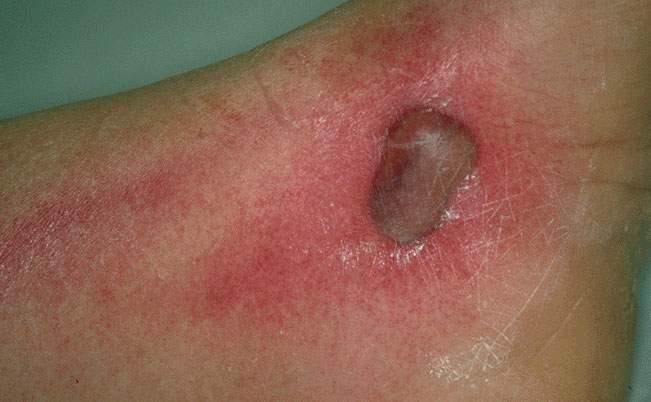
Superficial Infections
Infections typically present with localized redness, warmth, swelling, and sometimes increased exudate or odor.
Which is the best approach to managing exudate from a malignant wound in a palliative care patient?
Applying a dry gauze dressing
Correctly unselected
Using an absorbent foam or alginate dressing
Correctly selected
Using adhesive tape to secure dressings
Correctly unselected
Ignoring the exudate and focusing only on pain control
Using an absorbent foam or alginate dressing
Which topical treatment is MOST appropriate for managing localized wound pain?
Topical antibiotics like mupirocin
Lidocaine gel or cream
Corticosteroids like hydrocortisone
Antihistamines like diphenhydramine
Lidocaine gel or cream
* Topical lidocaine provides localized pain relief with minimal systemic side effects. Antibiotics address infection; corticosteroids address inflammation, and antihistamines address pruritus.
Developing a care plan requires a comprehensive evaluation of the patient’s (Oropallo et al., 2024):
- Medical history and wound characteristics.
- Psychosocial and emotional needs.
- Nutritional status.
What is the primary goal when developing a palliative care plan for wound management?
To completely heal the wound as quickly as possible
To focus solely on pain elimination
To enhance the patient's quality of life while managing symptoms
To use the most aggressive treatment to prolong life
To enhance the patient's quality of life while managing symptoms
* The primary goal of palliative wound care is to enhance the patient’s quality of life through symptom management, not to prioritize wound healing or aggressive treatment.
Why is it important to discuss advanced directives when creating a palliative wound care plan?
To ensure the care team knows how to maximize wound healing
To align treatment with the patient’s goals and wishes for end-of-life care
To determine the most aggressive interventions for the patient
To eliminate the need for further care planning
To align treatment with the patient’s goals and wishes for end-of-life care
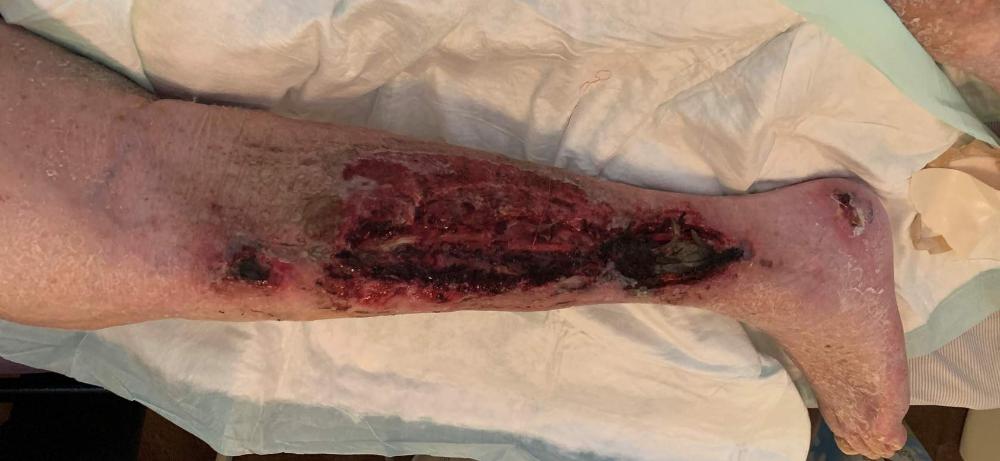
Skin Failure
In terminal illness, skin breakdown becomes unpreventable and untreatable as the body’s systems fail.
Managing Skin Changes
Managing the skin changes for palliative care patients should include:
Moisturizing Regularly Use gentle, fragrance-free moisturizers to reduce dryness and maintain skin integrity.
Gentle Handling Minimize skin trauma by performing all care activities with caution to prevent tearing or bruising.
Pressure Management Prevent pressure injuries with regular repositioning, supportive devices (e.g., mattresses, cushions, offloading booties), and timely incontinence care.
Address Pressure Injuries Treat early signs promptly with appropriate wound care, including cleaning, dressing changes, and topical treatments for pain or infection.
Promote Hydration Encourage fluid intake when possible and use hydrating sprays or gels for additional moisture if oral hydration is limited.
Do you remember what skin lesion is rapidly progressive, usually appears in the last two weeks of life, may be shaped like a butterfly and often on the sacrum?
Kennedy Terminal Ulcer (KTU)
A KTU is recognized for its sudden appearance and rapid progression, with the body’s functional decline during the dying process, typically manifesting in the shape of a pear, butterfly, or horseshoe and often located over the sacrum.
Radiation used in the treatment of cancer causes long-term changes in the blood supply to the skin and underlying tissues, leading to dry, irritated skin and/or wounds that are difficult to heal. Symptom management includes:
- Moisturizers, hydrogels, and aloe vera to soothe irritated skin
- Topical steroids may be prescribed to reduce inflammation.
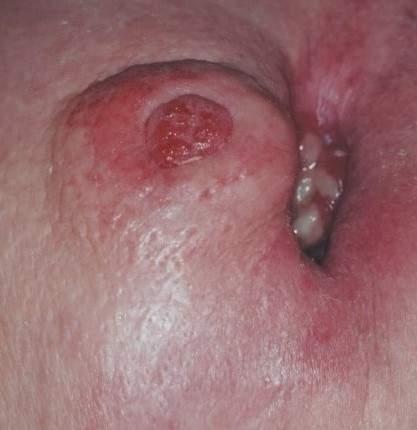
Malignant Fungating Wounds
Malignant fungating wounds arise when cancerous cells infiltrate the skin and surrounding blood vessels, leading to skin breakdown and wound formation. Managing these wounds can be challenging due to associated symptoms like odor, bleeding, and significant pain, along with the emotional and psychological impact on the patient.
Malignant Fungating Wounds: Treatments
Wound care includes gentle cleansing, non-adherent dressings, and keeping a moist wound bed. Preventing and stopping bleeding with direct pressure or hemostatic agents.
_____ ___is most likely to result in a malignant fungating wound, with approximately 70% of malignant fungating wounds being of breast tissue origin (McNichol et al., 2021).
Symptom management includes:
- Control odors, exudate, pain
- Prevent infection
Breast cancer
Advance directives establish guidance on the patient’s care preferences. However, they do not prevent healthcare providers from offering supportive measures such as:
- Pressure redistribution to prevent or lessen skin breakdown
- Appropriate wound dressings and dressing changes
- Meeting wound goals such as preventing infections, exudate, and odor control
What should be a major consideration when repositioning palliative care patients to prevent pressure injuries?
The patient's comfort
Offloading booties
Position changes every hour
Elevating heels at all times
The patient's comfort
Which condition may appear suddenly in palliative care patients and signify end of life?
Radiation ulcers
Malignant wounds
Kennedy Terminal Ulcer
Venous leg ulcers
Kennedy Terminal Ulcer
What dressing type is MOST appropriate for managing heavy exudate in a malignant wound?
Dry gauze dressing
Adhesive tape to secure dressing
Absorbent foam or alginate dressing
Charcoal dressings for odor control
Absorbent foam or alginate dressing
What does the HOPPES acronym help healthcare providers address in palliative wound care?
Psychological needs
Wound-related symptoms like odor and exudate
Nutritional deficits
End-of-life care decisions
Wound-related symptoms like odor and exudate
Which topical treatment is MOST appropriate for managing localized wound pain?
Topical antibiotics like mupirocin
Antihistamines for itching
Corticosteroids like hydrocortisone
Lidocaine gel or creams
Lidocaine gel or creams
What is the first step to developing a palliative wound care plan?
Set goals for wound healing.
Assess the patient’s condition.
Monitor the wound every day.
Provide pain medication.
Assess the patient’s condition.