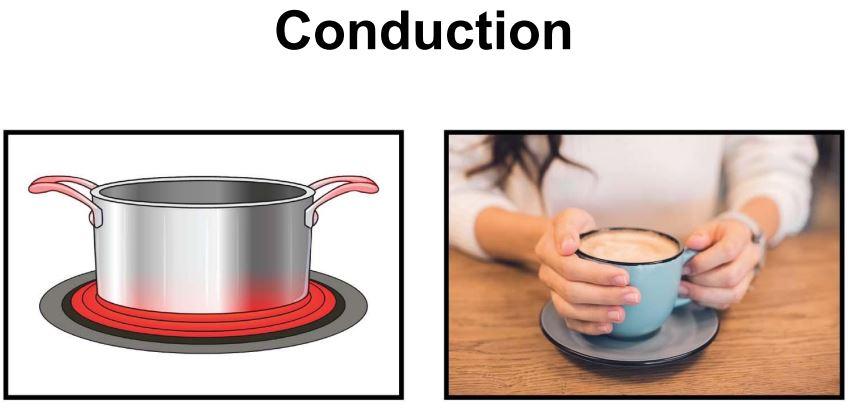
Transfer of thermal energy that occurs in solids, liquids, and gases when two substances of different temperatures touch
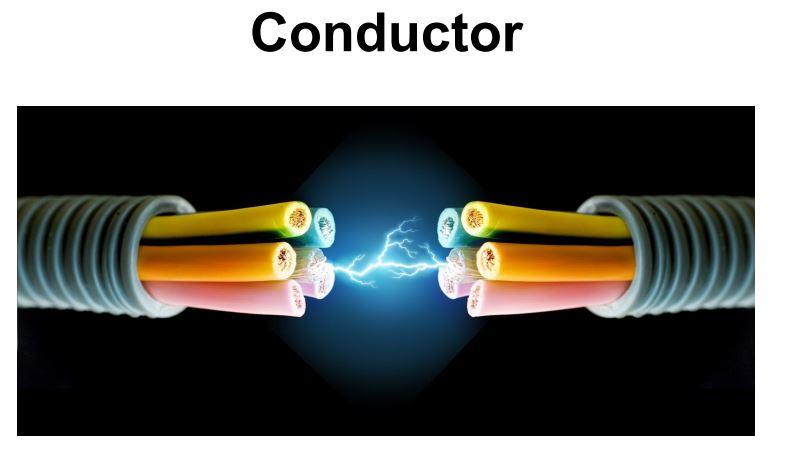
A substance that allows the flow of electrical charge or transfers thermal energy through matter
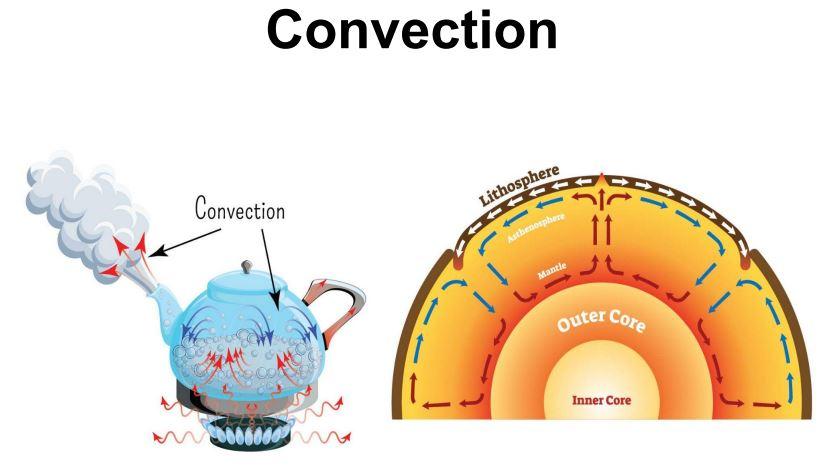
Heat transfer caused by the rising of hotter, less dense fluids and the falling of cooler, denser fluids
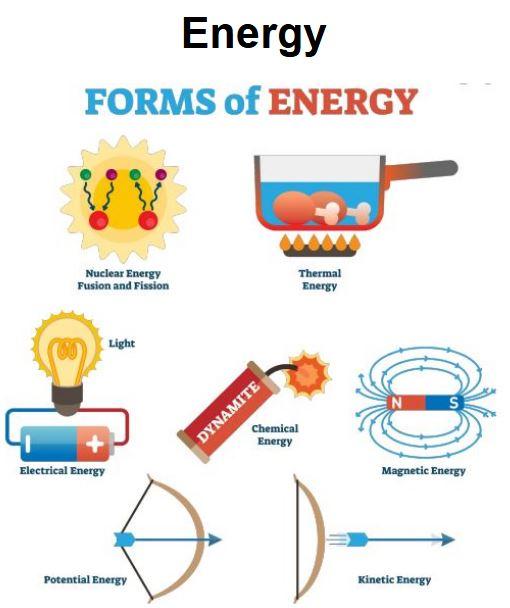
The ability of a system to do work; required for changes to happen within a system
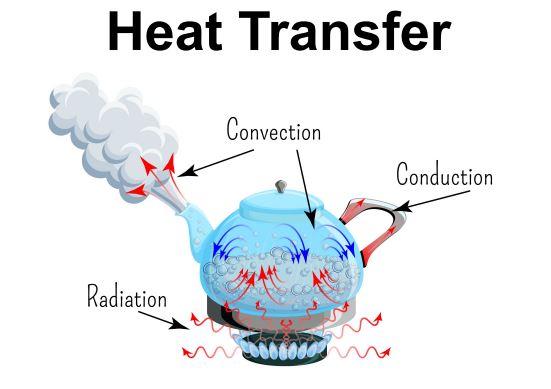
The thermal energy exchange between two objects of different temperatures; energy moves in a predictable pattern from warmer sites to cooler sites until all sites have reached the same temperature
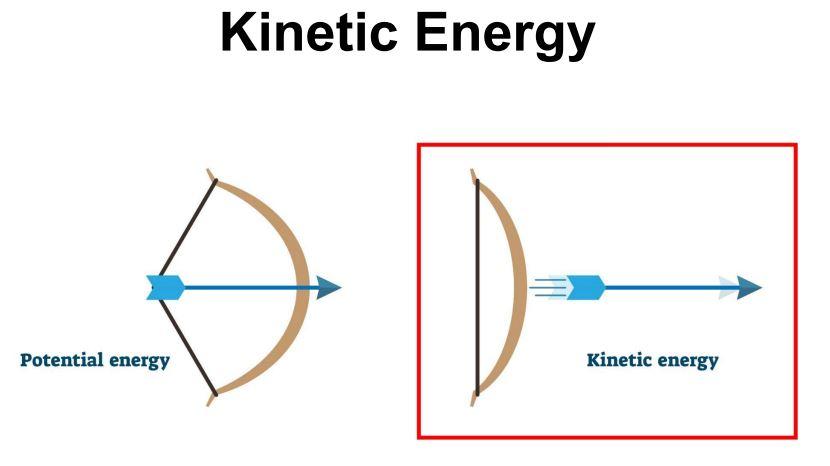
Energy of motion
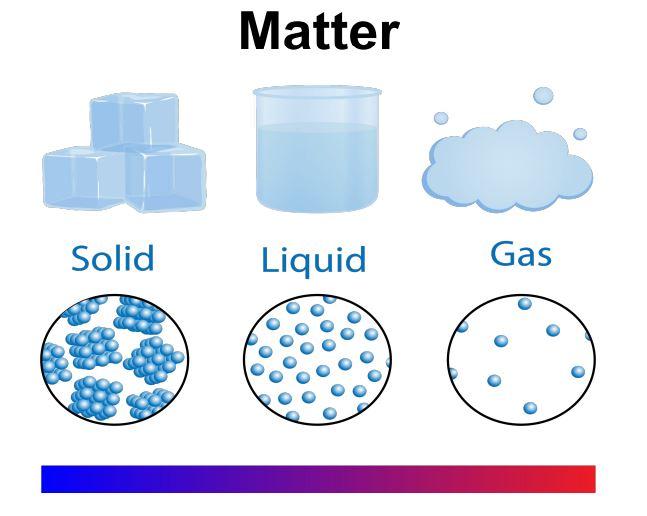
Anything that has volume and mass
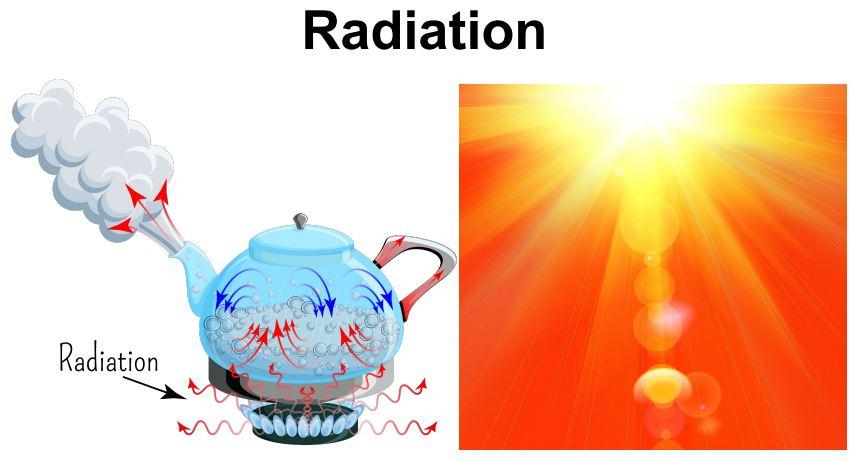
The transfer of energy by the movement of electromagnetic waves or subatomic particles
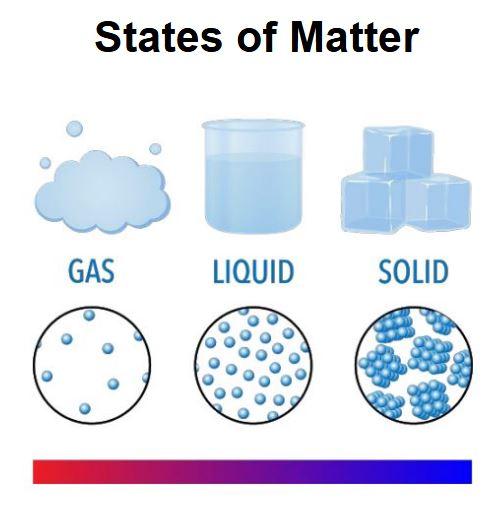
Distinct forms of matter known in everyday experience: solid, liquid, and gas; also referred to as phases
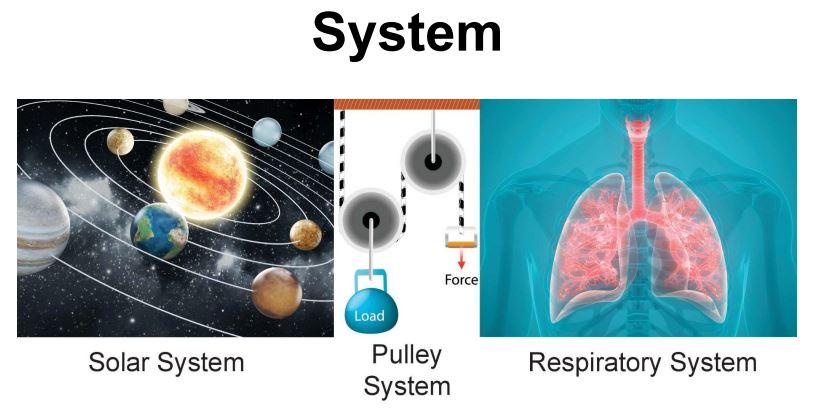
A group of interacting, interrelated, or interdependent elements forming a complex whole
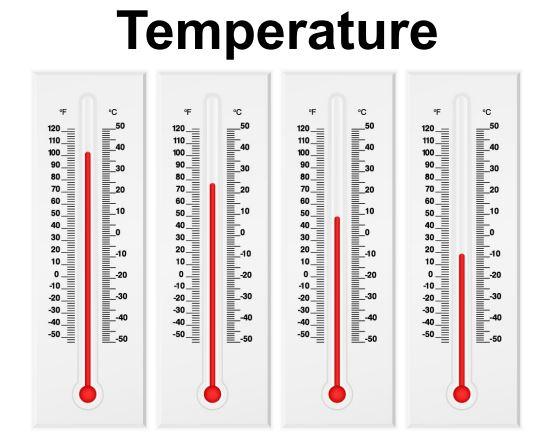
Average kinetic energy of all the particles in a material; measured by a thermometer in degrees (usually degrees Celsius or degrees Fahrenheit)
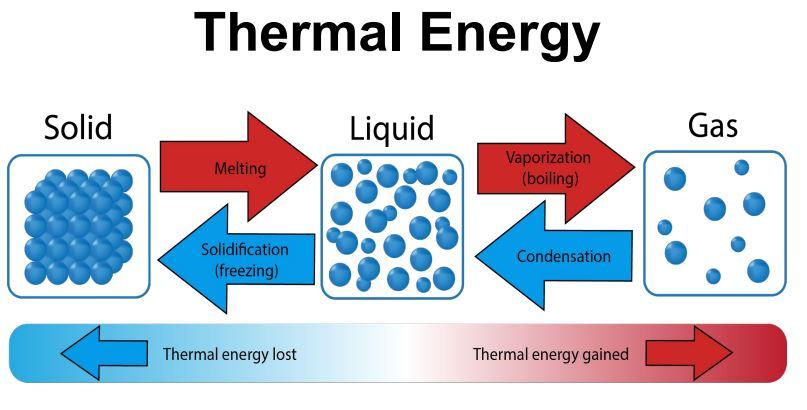
The total kinetic (motion) energy of the tiny particles that make up matter; the faster the particles move, the warmer the matter becomes.