MYOLOGY: Axial Muscles: Vertebral Column: Posterior, Anterior & Lateral
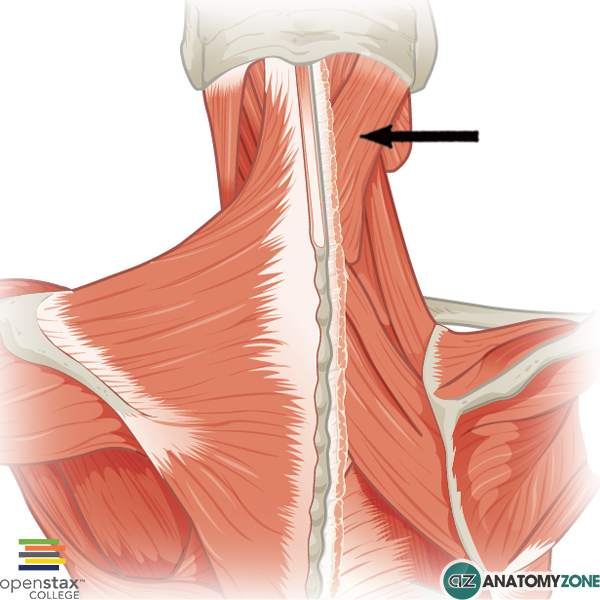
Identify (A) and state the origin AND insertion?
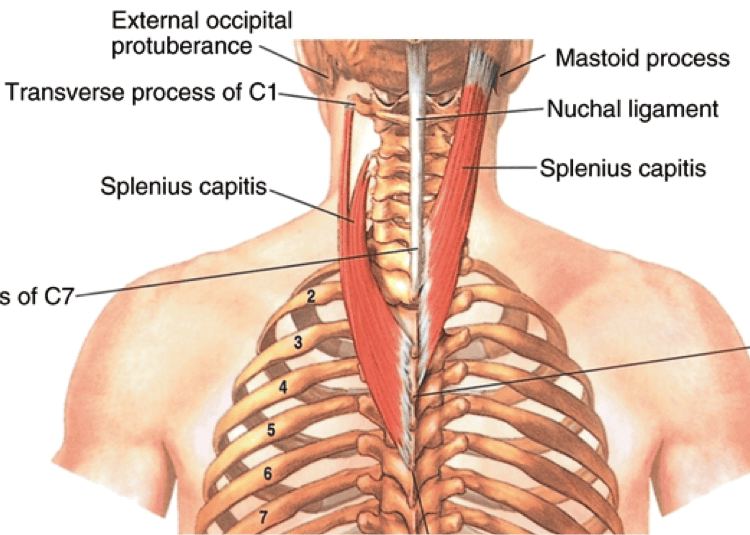
(A) Splenius Capitis
Origin: Spinous Processes of Cervical & Upper Thoracic
Insertion: Mastoid Process & Superior Nuchal Line
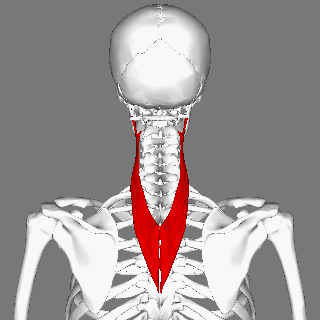
Identify (B) and state the origin AND insertion?
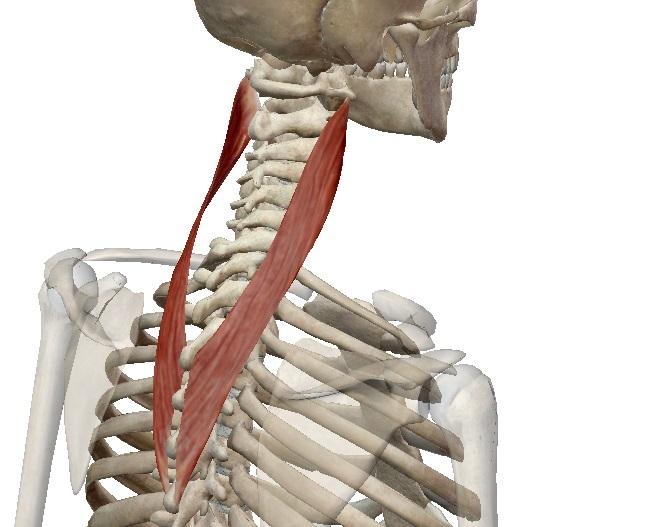
(B) Splenius Cervicis
Origin: Spinous Processes of Mid-Thoracic
Insertion: Transverse Processes of C1-C4

State the bilateral AND unilateral action of (A) & (B) Splenius Muscles?
Bilateral: Extend Head & Neck
Unilateral: Ipsilateral Cervical Rotation & Ipsilateral Cervical Lateral Flexion
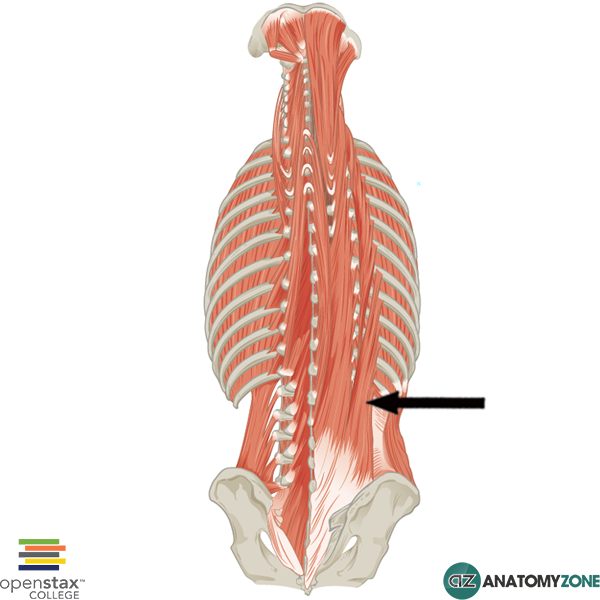
Identify and state which group (A) belongs to?
State the Insertion of (A)?
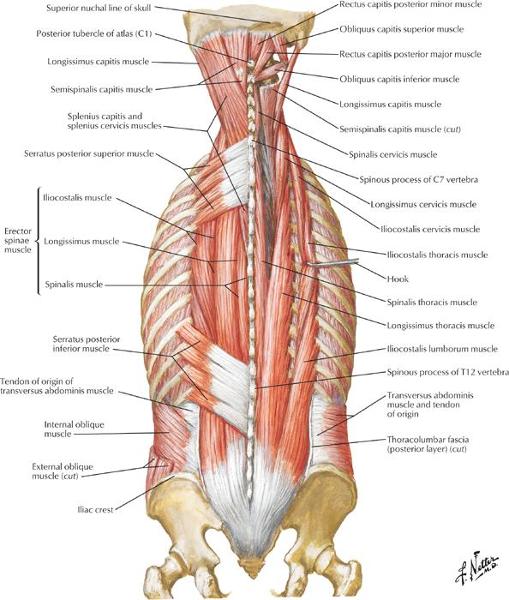
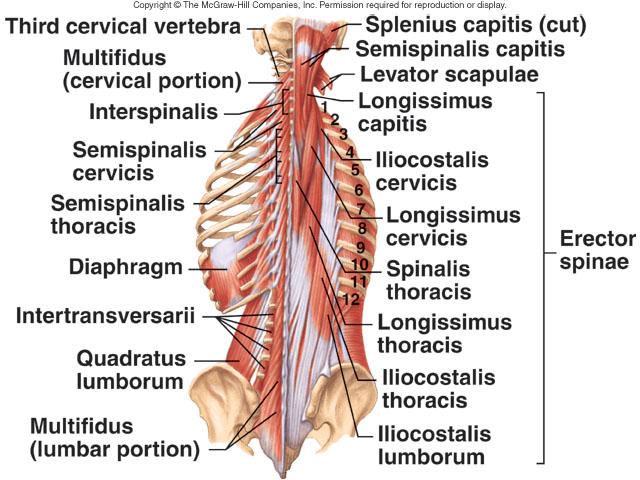
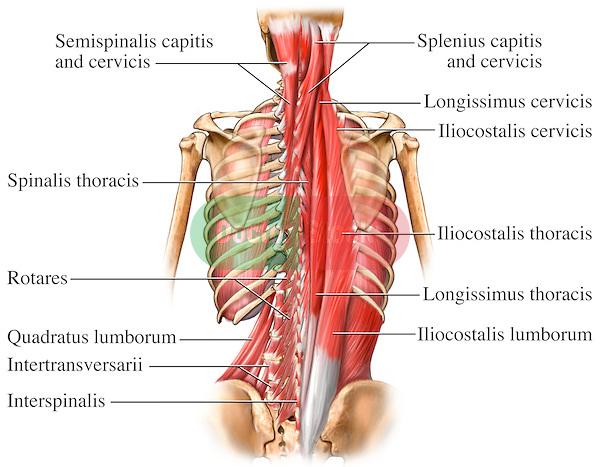
A) Iliocostalis Lumborum
B) The Erector Spinae Group
C) Transverse Processes & Angle of Ribs
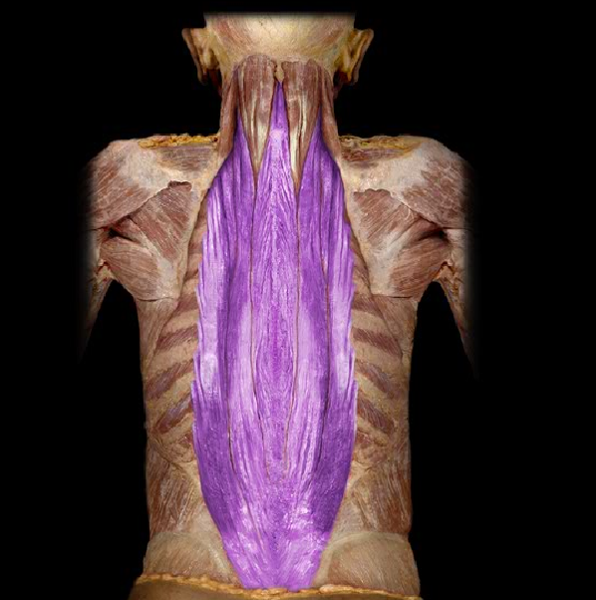
What are the actions of the group in (A) when acting unilaterally compared with bilaterally?
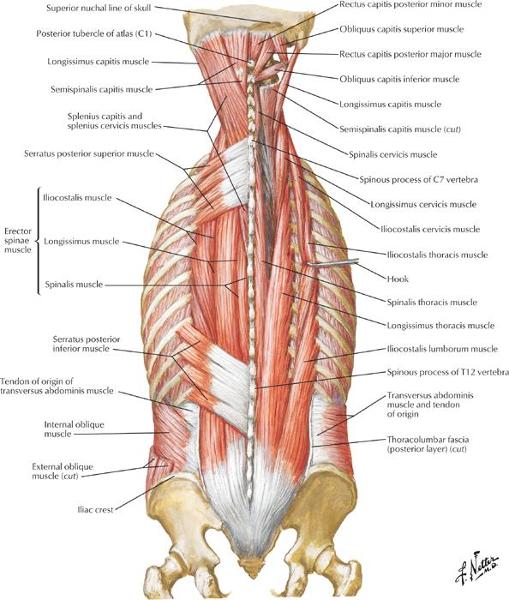
(A) Ipsilateral Flexion of vertebral column – unilateral
(B) Extension of vertebral column – bilateral
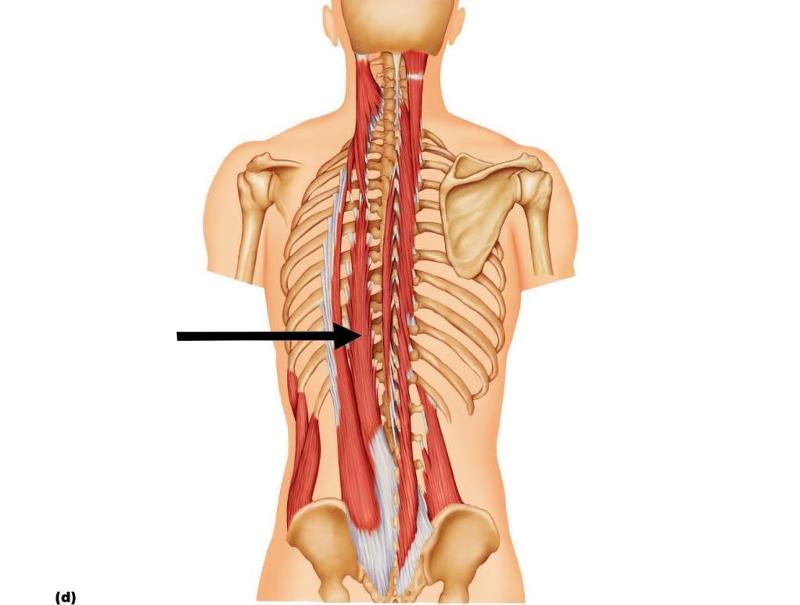
Identify and state which group (A) belongs to?
State the Insertion of (A)?
(A) Longissimus
(B) The Erector Spinae Group
(C) Transverse Processes
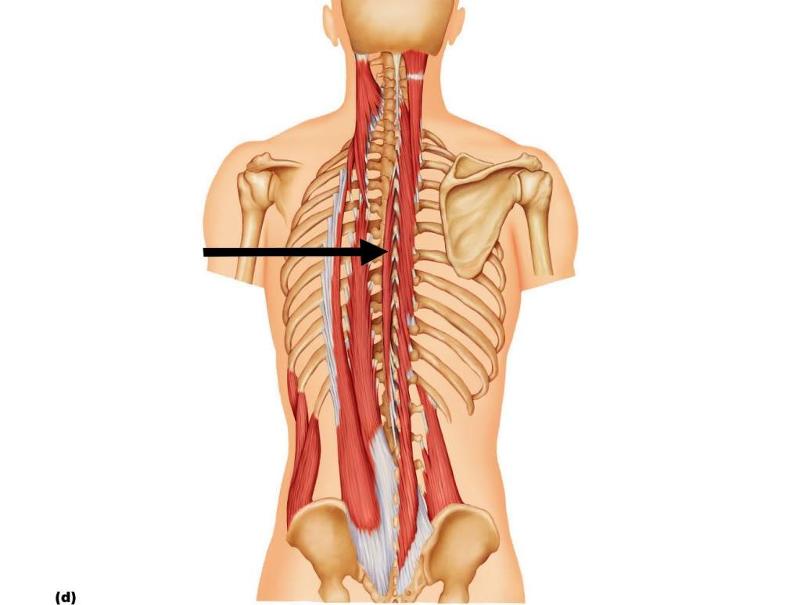
Identify and state which group (A) belongs to?
State the Origin AND Insertion of (A)?
(A) Spinalis
(B) The Erector Spinae Group
(C) ORIGIN & INSERTION: Spinous Processes: Thoracic
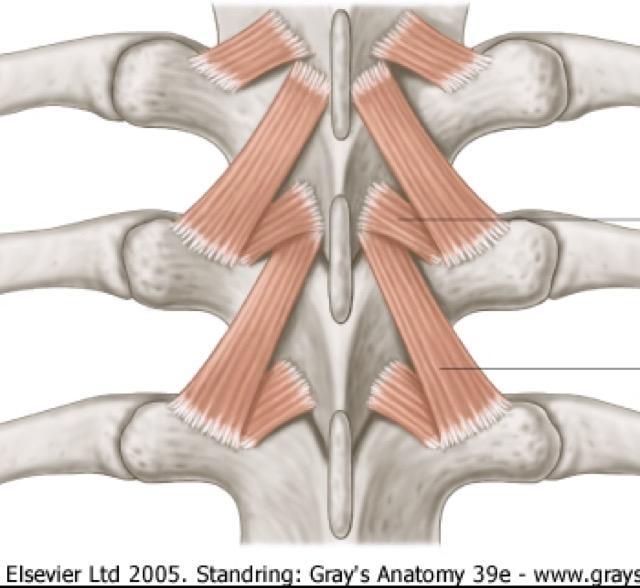
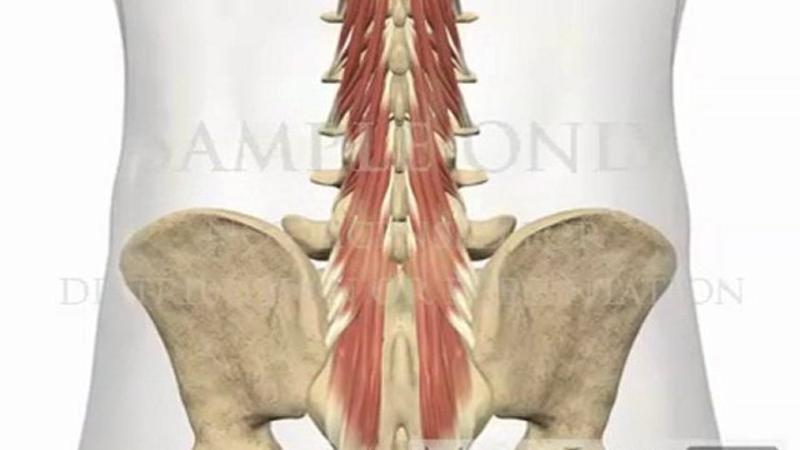
Identify and state which group (A) belongs to?
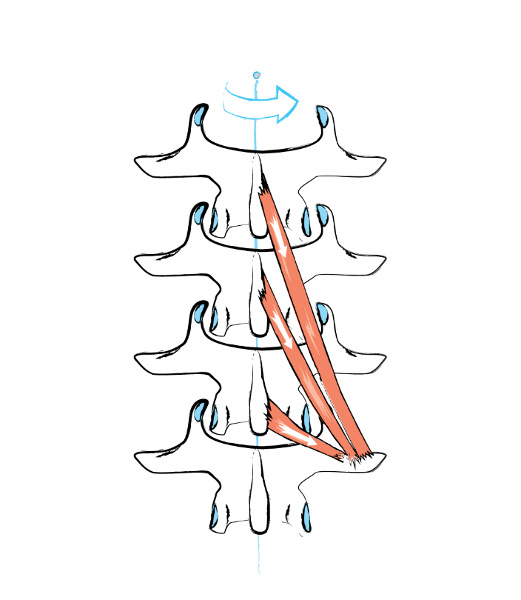
(A) Rotatores
(B) Transversospinales Group
Identify and state which group (B) belongs to?
(A) Multifidus
(B) Transversospinales Group
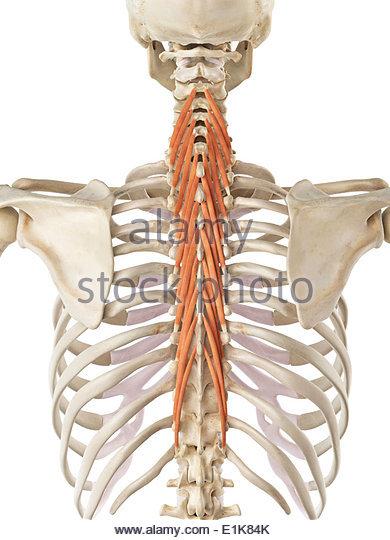
Identify and state which group (B) belongs to?
(A) Semispinalis
(B) Transversospinales Group
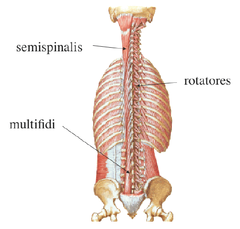
State the Origin AND Insertion of the transversospinales group muscles (rotatores, multifidus, semispinalis)?
(A) ORIGIN: Transverse Processes
(B) INSERTION: Spinous Processes
(C) ACTION: extend vertebral column
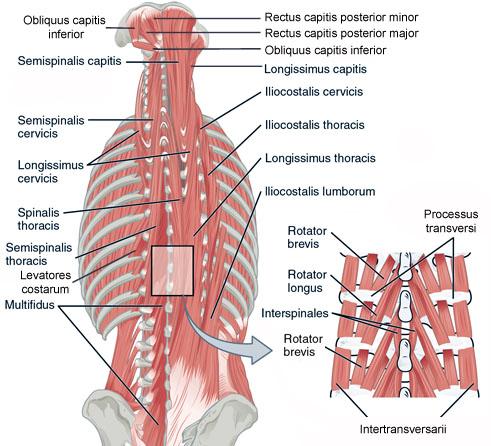
State the ACTION AND INNERVATION of then transversospinales group muscles (rotatores, multifidus, semispinalis)?
(A) extend vertebral column
(B) Dorsal Rami Nerve
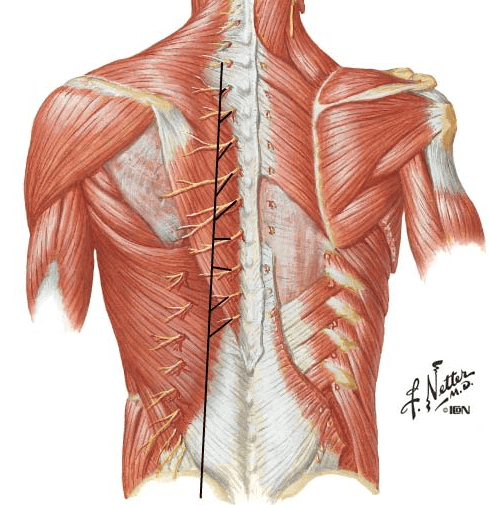
State the innervation of axial muscles of the majority of the posterior vertebral column? What group is not innervated by this group AND state what they ARE innervated by?
(A) Dorsal Rami Spinal Nerves
(B) Suboccipital Group
(C) Suboccipital Nerve
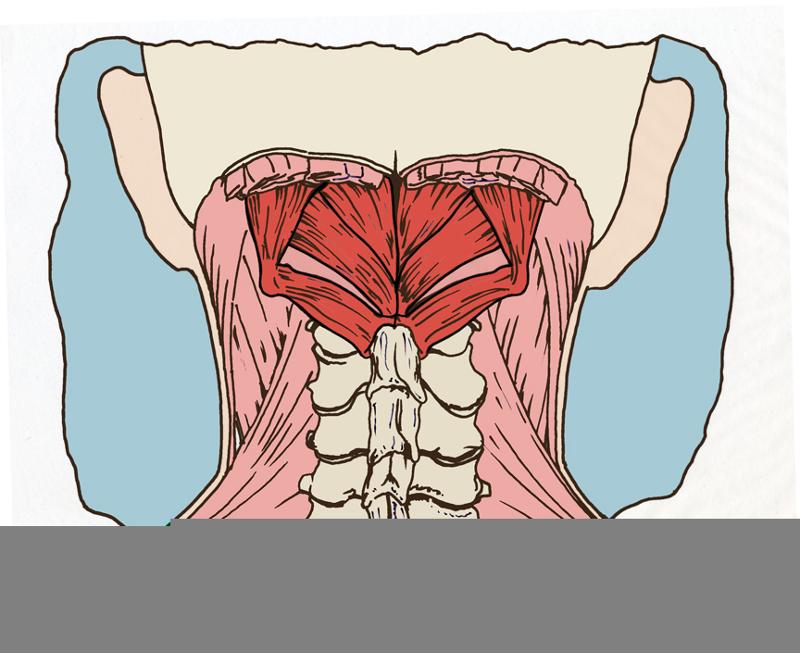
Identify and state the bilateral AND unilateral actions?
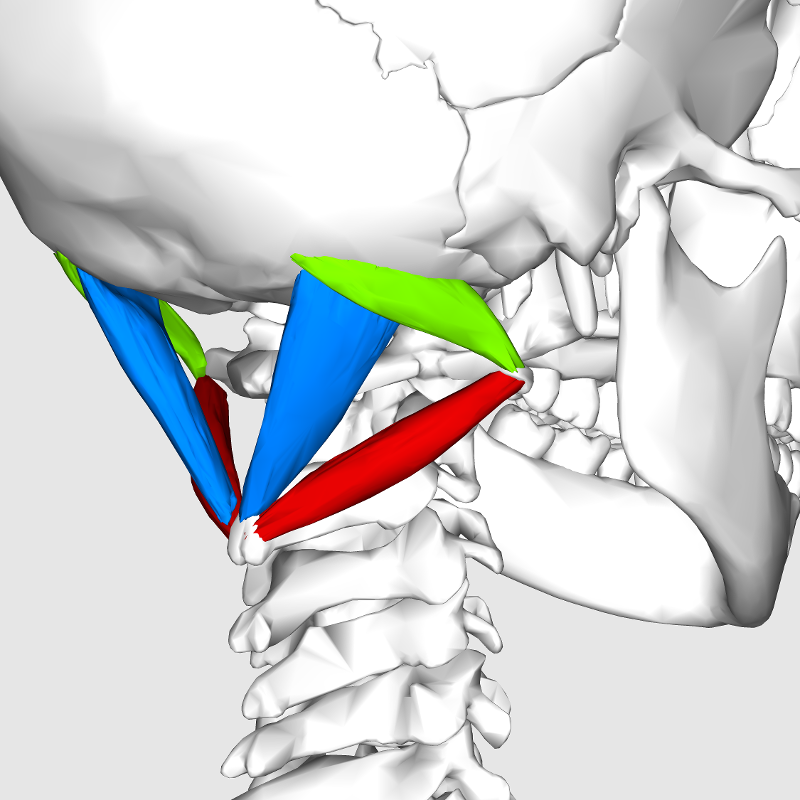
(A) The Suboccipital Group
(B) Extend head & upper cervical spine
(C) Ipsilateral: upper cervical spine rotation & cervical lateral flexion
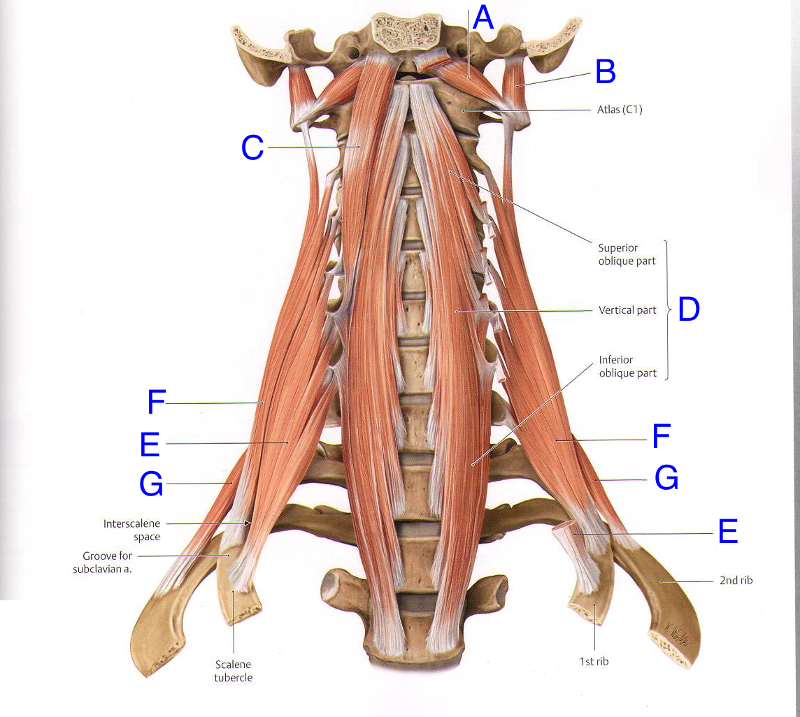
Identify (C) and state the Origin AND Insertion?
State the action?
(A) Longus Capitis (Anterior Spine)
(B) ORIGIN: transverse processes: cervical INSERTION: Basilar part of occipital bone
(C) Flex head on neck
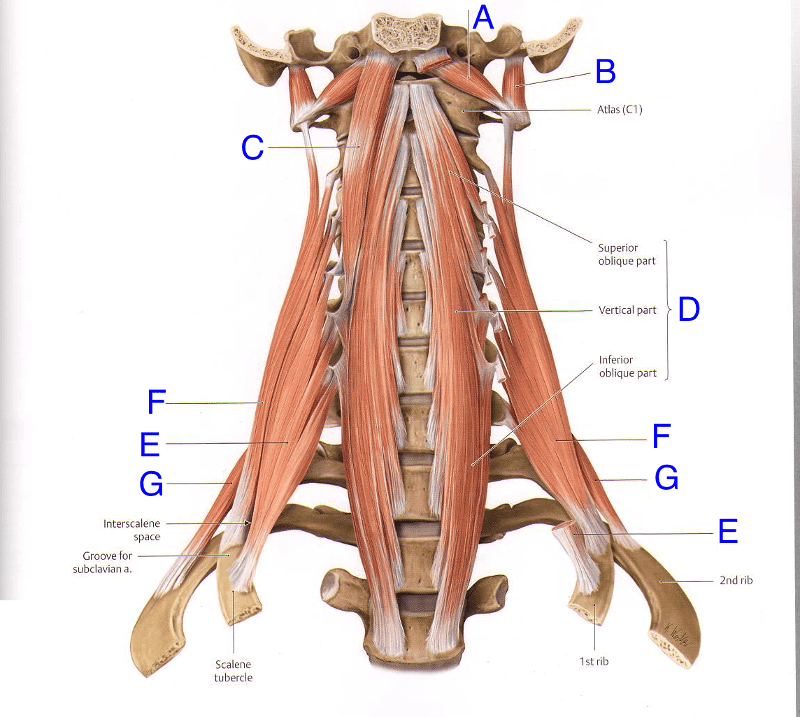
Identify (D) and state the Origin AND Insertion?
State the action?
(A) Longus Cervicis (Anterior Spine)
(B) ORIGIN & INSERTION: Anterior Cervical Vertebrae
(C) Flex Cervical Spine
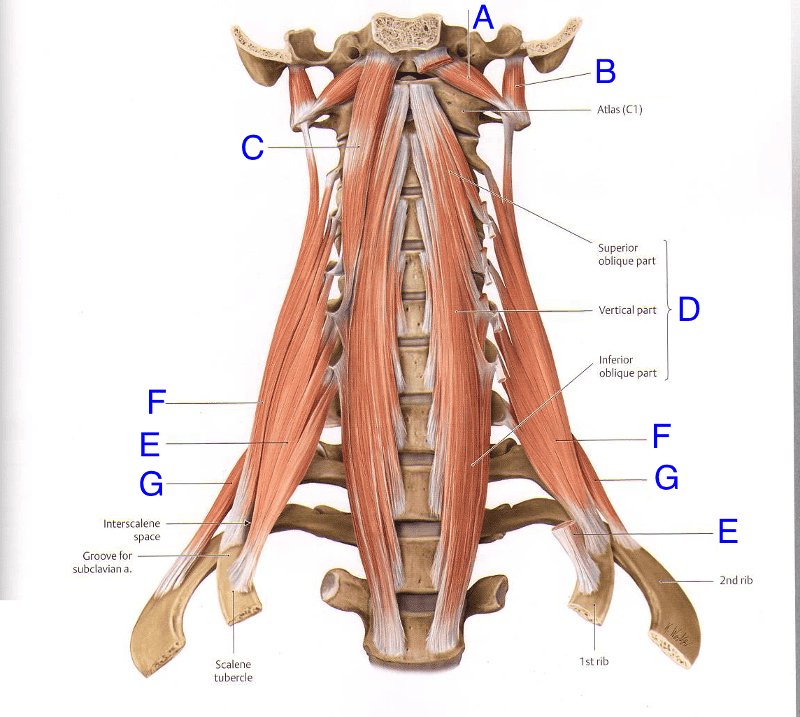
Identify two anterior LONGUS muscles that perform the actions of flexing the head on the neck & flexing the cervical spine?
State the innervation?
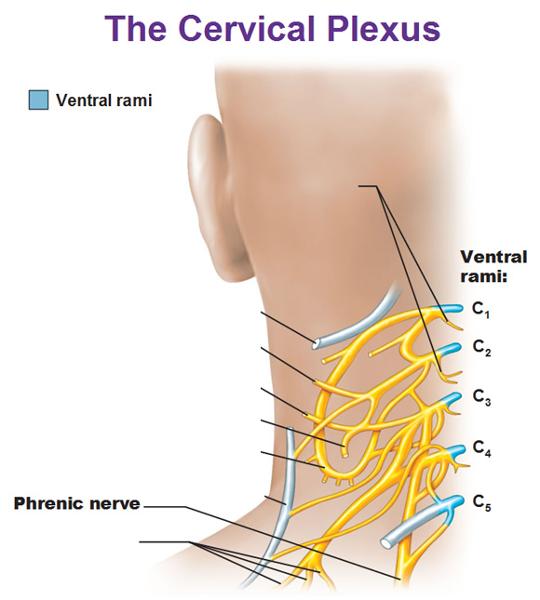
(A) The muscles are labelled (C) Longus Capitis AND (D) Longus Cervicis
(B) Ventral Rami Spinal Nerves
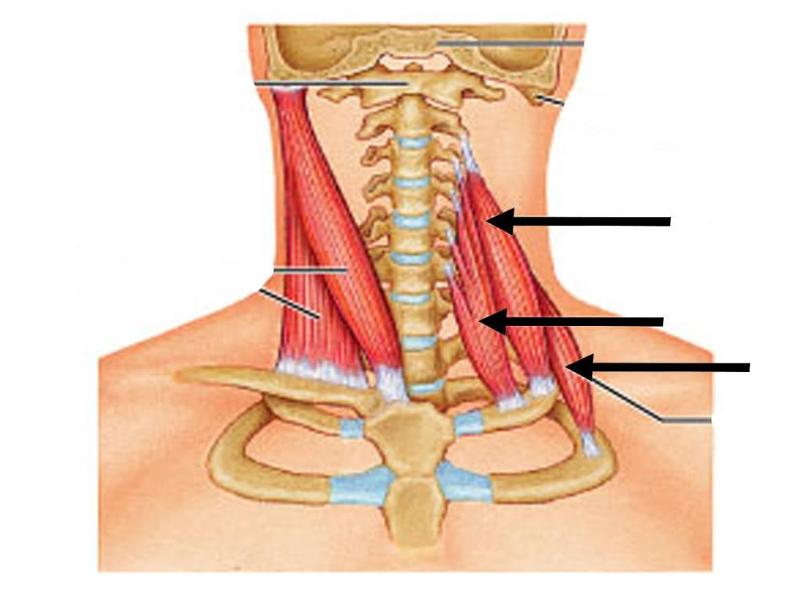
Identify these 3 muscles and state the ORIGIN & INSERTION of each?
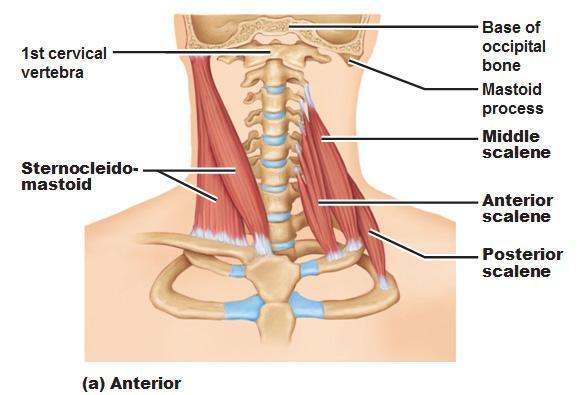
(A) Anterior, Middle & Posterior SCALENE
(B) ALL - ORIGIN: transverse processes: cervical
INSERTIONS: Anterior: anterior 1st RIB, Middle: Lateral 1st Rib, Posterior: posterior 2cd Rib
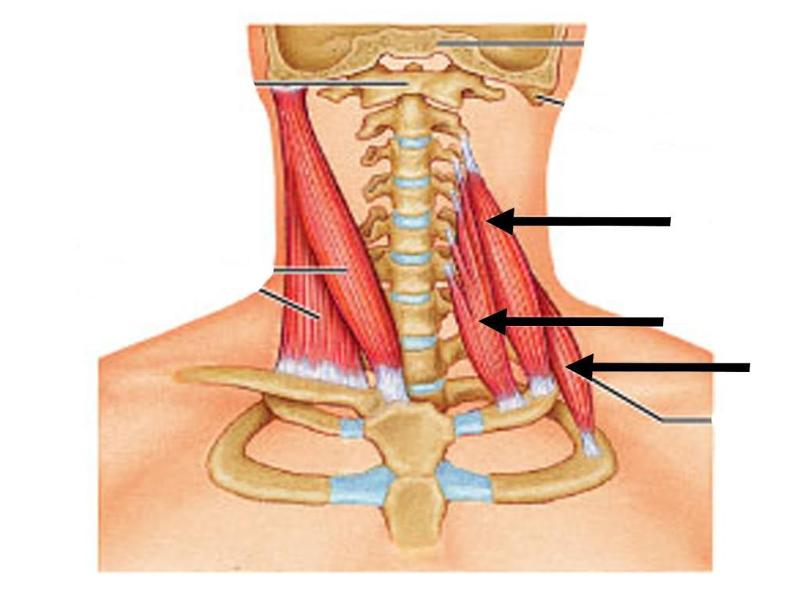
State the bilateral AND unilateral actions of the Scalene Muscles?
State the innervation?
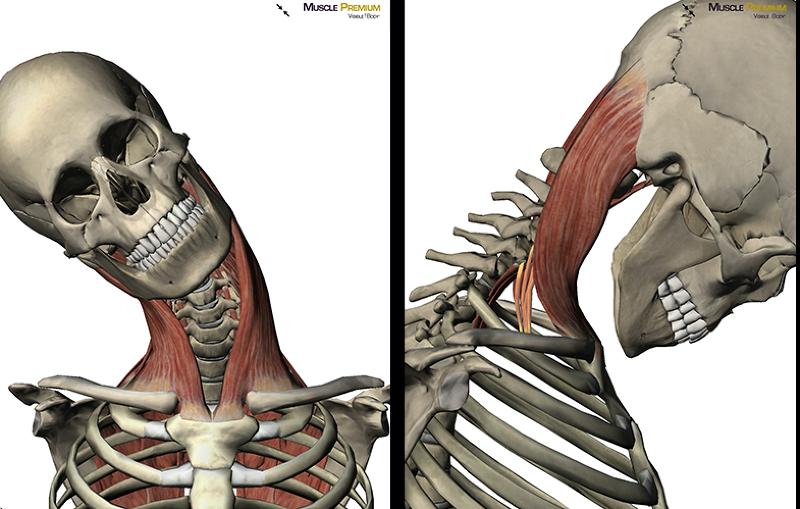
Bilateral: Cervical flexion; stabilise the cervical spine; accessory muscles for inspiration
Unilateral: Ipsilateral cervical lateral flexion
Innervation: Ventral Rami Spinal Nerve