Introduction
Development
- the pattern of movement or change that begins at conception and continues through the human life span
Life Expectancy

- the average number of years that a person born in a particular year can expect to live
Life-Span Perspective

- views development as lifelong, multidimensional, multidirectional, plastic, multidisciplinary, and contextual, and as a process that involves growth, maintenance, and regulation of loss
Plasicity
- the capacity for change
3 Types of Contextual Influences
- Normative Age-Graded
- Normative History-Graded
- Nonnormative Life Events
Normative Age-Graded Influence
- similar for individuals in a particular group
- Ex: menopause, puberty, commencement of education
Normative History-Graded Influence
- common to people of a particular generation because of historical circumstances
- Ex: assassination of JFK and the great depression
Nonnormative Life Events
- unusual occurrences that have a major impact on a individuals life
- Ex: pregnancy at a very young age or winning the lottery
Culture
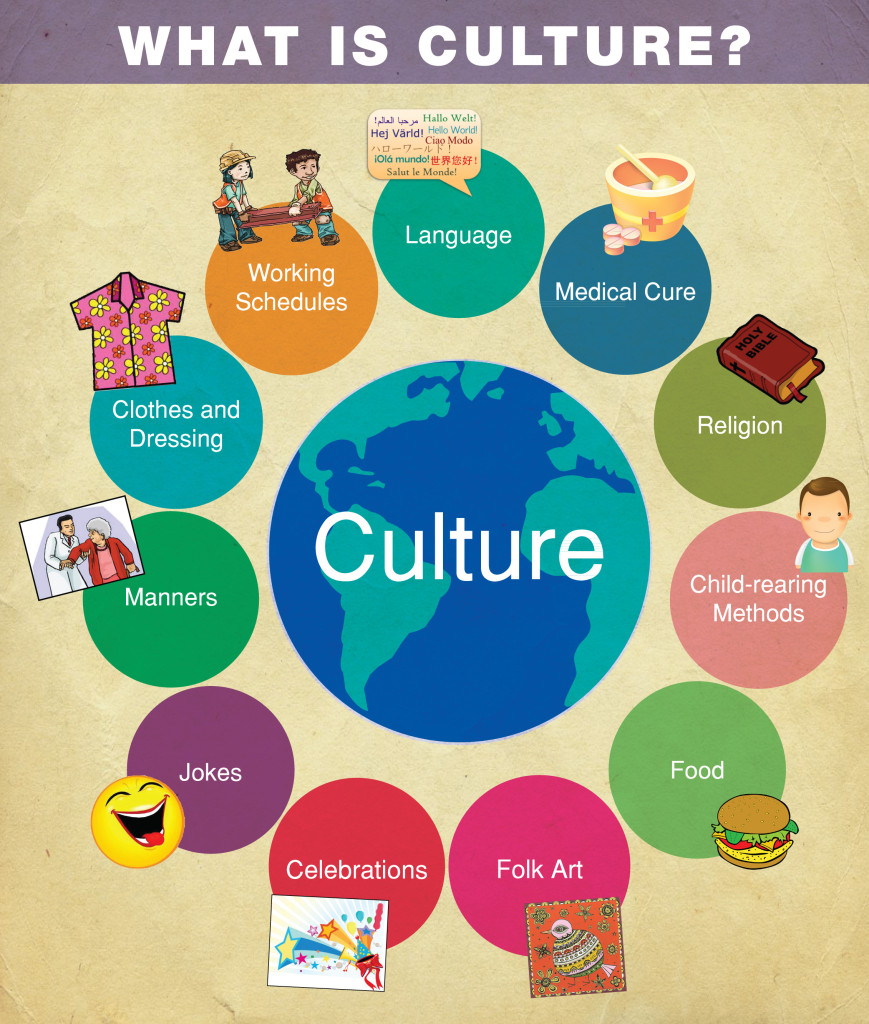
- behavior patterns, beliefs, and all other products of a group of people that are passed on from generation to generation
Cross-Cultural Studies

- comparison of one culture with one or more other cultures
- provides information about the degree to which development is similar, or universal, across cultures.
Ethnicity

- a characteristic based on cultural heritage, nationality characteristics, race, religion, and language
Socioeconomic Status (SES)
- grouping of people with similar occupational, educational, and economic characteristics
Gender
- Characteristics of people as males or females
Social Policy

- national government's course of action designed to promote the welfare of its citizens
- Ex: values, economics, and politics
Biological Processes
- changes in an individual's physical nature
- Ex: genes from parents, the development of the brain, height, and weight, nutrition, exercise, and hormonal changes
Cognitive Processes
- changes in an individual's thought, intelligence, and language
Socioemotional Processes
- changes in an individual's relationships with others, emotions, and personality
Prenatal Period
- conception to birth
- involves tremendous growth from a single cell to an organism with brain and behavioral capabilities
Infancy

- the development period from birth to 18 or 24 months
- extremely dependent on adults
- psychological activities are just beginning
Early Childhood

- the developmental period from about 3 through 5 years
- sometimes called preschool years
- develop school readiness skills
Middle and Late Childhood

- the developmental period from about 6 to 10 years
Adolscence

- the developmental period of transition from childhood to early adulthood
- approx. 10 to 18 years
- rapid physical change
Early Adulthood

- the developmental period that begins in the early 20s and lasts to through the 30s
- time of establishing personal and economic independence
Middle Adulthood

- the developmental period from approx. 40 to about 60 years of age
Late Adulthood
- the developmental period that begins in the 60s and lasts until death
- time of life review and retirement
Four Ages According to Life Span Developmentalists
- first age
- second age
- third age
- fourth age
First Age
- childhood and adolscence
Second Age
- prime adulthood
- ages 20 through 39
Third Age
- approx. 60 through 79 years of age
Fourth Age
- approx. 80 years and older
Chronological Age
- the number of years that have elapsed since birth
Biological Age
- a person's age in terms of biological health
Psychological Age
- an individual's adaptive capacities compared with those of other individuals of the same chronological age
Social Age
- connectedness with others and the social roles individuals adopt
Nature-Nurture Issue
- debate about whether development is primarily influenced by nature or nurture
Nature
- refers to an organism's biological inheritance
Nurture
- refers to environmental experiences
Stability-Change Issue
- involves the degree to which early traits and characteristics persist through life or change
Continuity-Discontinuity
- debate about the extent to which development involves gradual cumulative change (continuity) or distinct stages (discontinuity)
Scientific Method
- an approach that can be used to obtain accurate information. It
includes the following steps:
- conceptualize the problem
- collect data
- draw conclusions
- revise research conclusions and theory
Theory
- an interrelated, coherent set of ideas that helps to explain phenomena and facilitate predictions
Hypotheses
- specific assumptions and predictions that can be tested to determine their accuracy
Theories of Development
- psychoanalytic theories
- cognitive theories
- behavioral theories
- ethological theory
- ecological theory
- an eclectic theoretical orientation
Psychoanalytic Theories
- describe development as primarily unconscious (beyond awareness) and heavily colored by emotion
behavior is merely a a surface for characteristics
Laboratory
- A controlled setting where many of the complex factors of the "real world" are absent
Naturalistic Observation

- observing behavior in real-world settings, making no effort to manipulate or control the situation
Standardized Test

- a test with uniform procedures for administration and scoring
- allows a person performance to be compared with performance of other individuals
Case Study
- an in depth look at a single individual
Descriptive Research
- studies designed to observe and record behavior
Correlational Research
- studies in which the goal is to describe the strength of the relationship between two or more events or characteristics
Experiment
- a carefully regulated procedure in which one or more of the factors believed to influence the behavior being studied are manipulated while other factors are held constant
Independent Variable
- a manipulated, influential, experimental factor
- is the potential cause
Dependent Variable
- a factor that can change in an experiment, in response to changes in the independent variable
Experimental Group
- a group whose experience is manipulated
Control Group
- a comparison group that is as similar to the experimental group as possible
Cross-Sectional Approach
- a research strategy in which individuals of different ages are compared at one time
Longitudinal Approach
- a research strategy in which the same individuals are studied over a period of time, usually several years or more
Cohort Effects
- effects due to a person's time of birth, era, or generation rather than the person's actual age
Conducting Ethical Research
- informed consent
- confidentiality
- debriefing
- deception
Informed Consent
- All participants must know what their research participation will involve and what risks might develop
Confidentiality
- researchers are responsible for keeping all of the data they gather on individuals completely confidential
Debriefing
- participants should be informed of the study's purpose and methods that were used