A&P II Chapter 24: The Digestive System
Anabolism
nutrients are used as raw materials for synthesizing essential compounds
Catabolism
decomposes substances to provide energy cells need to function
Catabolic Reactions
-requires two essential ingredients
- Oxygen
- Organic molecules ( such as carbohydrates, fats, and proteins) broken down by intracellular enzymes
The Digestive Tract
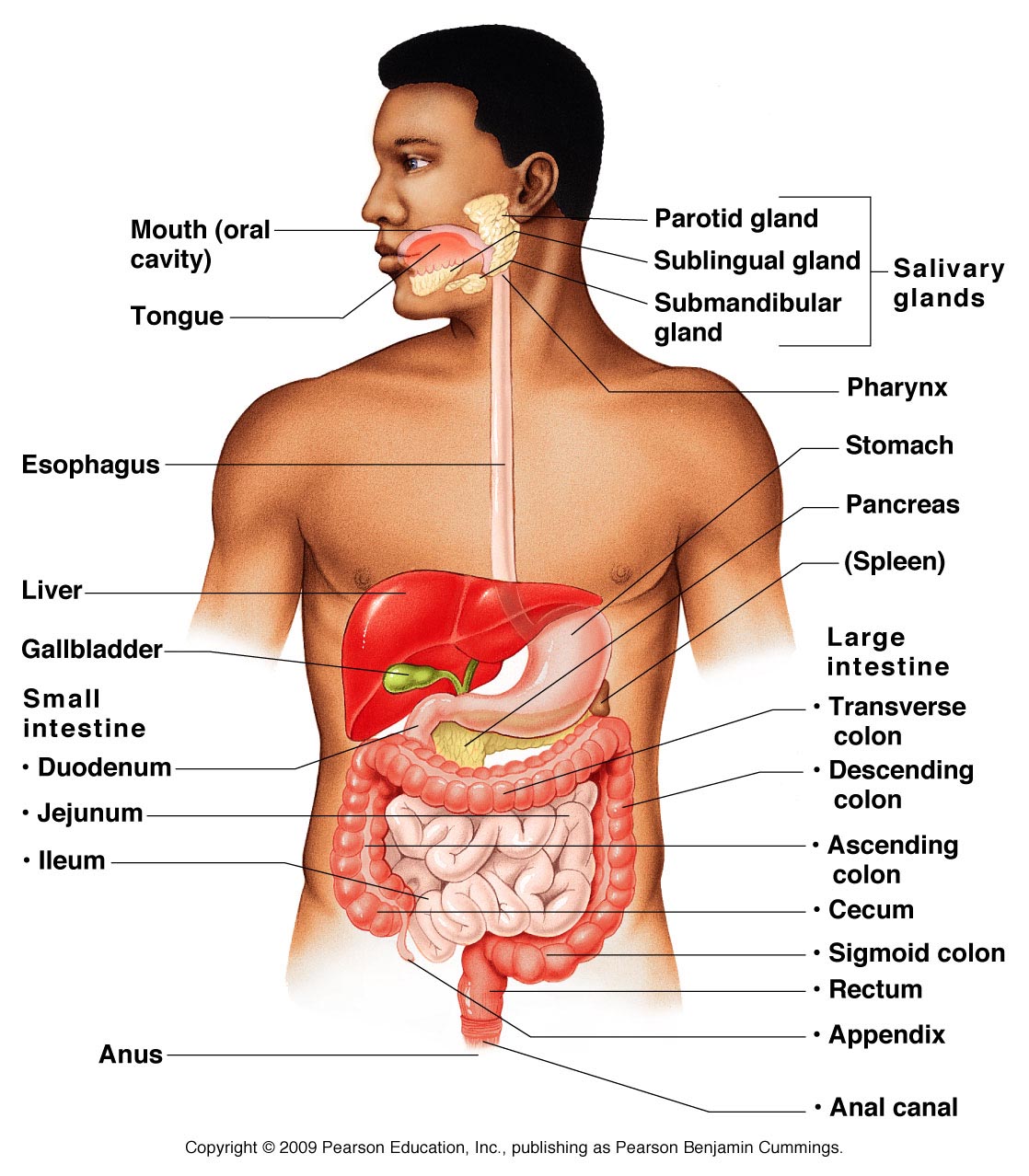
- aka the gastrointestinal (GI) tract or alimentary canal
- is a muscular tube
- includes the mouth, pharynx, esophagus, stomach, and small and large intestines
- extends from the oral cavity to the anus
Accessory Digestive Organs
- teeth
- tongue
- salivary glands
- liver
- gallbladder
- pancreas
6 Functions of the Digestive System
- Ingestion
- Mechanical Processing
- Digestion
- Secretion
- Absorption
- Excretion
Ingestion

- takes place when materials enters the oral cavity
Mechanical Processing
- crushing and shearing, making materials easier to move along the digestive tract
Digestion
- the chemical breakdown of food into small organic fragments for absorption by digestive epithelium
Secretion
- the release of water, acids, enzymes, buffers, and salts by the epithelium of the digestive tract & glandular organs
Absorption
- the movement of organic substrates, electrolytes, vitamins, and water across digestive epithelium and into interstitial fluid of the digestive trace
Excretion
the removal of wastes from the body
*defecation
Defecation
ejection of wastes from the digestive tract eliminating them as feces
Serosa or Visceral Peritoneum

covers organs within peritoneal cavity
Parietal Peritoneum
lines inner surfaces of body wall
Peritoneal Fluid
- produced by the serous membrane lining
- provides essential lubrication
- separates parietal and visceral surfaces, allowing sliding without friction or irritation
Ascites
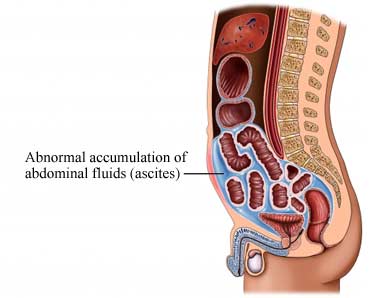
- excess peritoneal fluid causing abdominal swelling
Mesenteries
- double sheets of peritoneal membrane
- suspend portions of the digestive tract within the peritoneal cavity by sheets of serous membrane that connect parietal and visceral peritoneum
- stabilize positions of attached organs
- prevent intestines from being entangled
Areolar Tissue Between Mesothelial Surfaces
-provides an access route to and from the digestive tract for passage of blood vessels, nerves, and lymphatic vessels
The Lesser Omentum

- fat skin
- stabilizes the position of the stomach
- provides an access route for blood vessels and other structures entering or leaving the liver
- attaches stomach to liver
The Falciform Ligament

- helps stabilize the position of the liver, relative to the diaphragm and abdominal wall
The Dorsal Mesentery

- enlarges to form an enormous pouch, called the greater omentum
The Greater Omentum

- extends inferiorly between the body wall and the anterior surface of the small intestine
- hangs like an apron, from the inferior and lateral borders of the stomach
Adipose Tissue in the Greater Omentum
- conforms to shapes of surrounding organs
- provides padding & protection
- insulates to reduce heat loss
- stores lipid energy reserves
The Mesentery Proper
- suspends all but the first 25 cm of small intestine
- thick mesenterial sheet
- provides stability, but permits SOME independent movement
- associated with the duodenum and pancreas
- fuses with posterior abdominal wall, locking structures in position
Four Layers of the Digestive Tract
- mucosa
- submucosa
- muscularis externa
- serosa
The Mucosa
- the inner lining of digestive tract
- mucous membrane
- consists of epithelium, moistened by glandular secretions
- lamina propria of areolar tissue
The Digestive Epithelium
- mucosal epithelium is either simple or stratified depending on the location, function, and stresses
Lined with Stratified Squamous
- oral cavity
- pharynx
- esophagus
Lined with Simple Columnar Epithelium
- for absorption
- stomach
- small intestine
- most of the large intestine
- contains mucous cells
Enteroendocrine Cells
- scattered amongst columnar cells of the digestive tract
- secrete hormones that coordinate the activities of the digestive tract
Lining of the Digestive Tract
- appears as longitudinal folds, which disappears as the tract fills
- folding increases the surface area available for absorption
The Lamina Propria
- layer of areolar tissue
- contains:
- blood vessels
- sensory nerve ending
- lymphatic vessels
- smooth muscle cells
- scattered areas of lymphoid tissue
The Muscularis Mucusae
- narrow sheet of smooth muscle and elastic fibers in lamina propria
- cells are arranged in two concentric layers
The Submucosa
- layer of dense irregular connective tissue
- binds the mucosa to the muscularis externa
- has numerous blood and lymphatic vessels
- some regions contains exocrine glands that secrete buffers and enzymes into the lumen of the digestive tract
Submucosal Plexus
- aka Meissner plexus
- network of intrinsic nerve fibers and scattered neurons
- contains sensory neurons, parasympathetic ganglionic neurons, and sympathetic postganglionic fibers
The Muscularis Externa
- smooth muscles dominates this region
- cells are arranged in circular layer and outer longitudinal layer