SWM Module 18 Wound Care Other Wounds
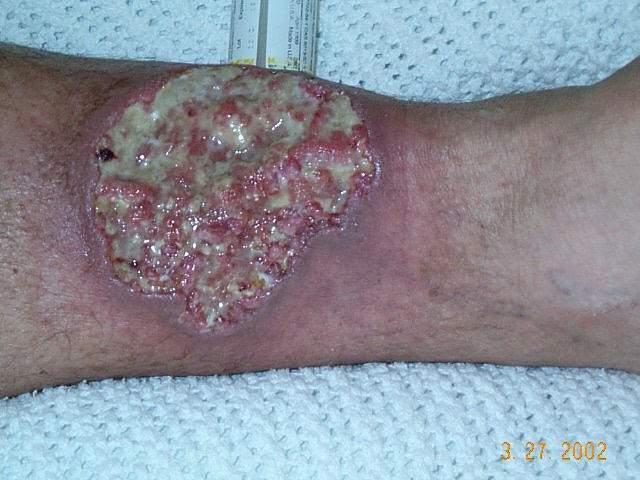
_____________________, or PG is a rare chronic inflammatory disease characterized by painful skin ulcers (Mayo Clinic, 2022b). PG is frequently noted on the lower extremities but can be present elsewhere, including surgical sites, minor traumas, and peristomal areas.
Pyoderma Gangrenosum
Pyoderma Gangrenosum : Etiology - The exact cause of PG is unknown, but...
it is multifactorial with contributions from neutrophil dysfunction, genetic predispositions, and immune system dysregulation
Those at risk for PG are patients who have (Mayo Clinic, 2022b):
- An inflammatory bowel disease
- Rheumatoid arthritis
- A blood disorder
Timely recognition of PG is crucial for appropriate management (NORD, 2023).
PG Assessment
* Providers rule out other conditions before diagnosing the patient with PG (Mayo Clinic, 2022b). Other conditions that can mimic PG include:
- Venous ulcers
- Arterial ulcers
- Vasculitis
- Infectious processes
Most common, starts as an erythematous lesion that progresses rapidly to a deep ulcer commonly found on the leg
Classic or Ulcerative
Superficial blisters on the hands, often associated with hematological cancers
Atypical or Bullous
Painful bumps on the legs and arms that develop into ulcers, often associated with inflammatory bowel disease
Pustular
Mildly painful ulcerations in various locations
Vegetative
Individuals with a history of inflammatory bowel disease may experience ______ _____ around their stoma (NORD, 2023). These lesions can be very painful for patients.
pyoderma gangrenosum
Treatment
Corticosteroids are a common first-line systemic treatment for PG (Mayo Clinic, 2022b; NORD, 2023). For limited disease, where the ulcers are smaller, or less severe, topical treatments such as corticosteroids and immunosuppressive drugs, like tacrolimus, are effective treatment options (Wu & Shinohara, 2023).
What is a sign of the CLASSIC variant classification of pyoderma gangrenosum?
Deep ulcers on the leg
* In the classic variant classification of pyoderma gangrenosum, the wound appears as deep ulcers on the leg. Atypical or bullous appear as superficial blisters on the hands, pustular presentation appears as painful bumps on extremities, and vegetative presentation appears with non-painful ulcerations.
_____ _________ Key Points
- Patients with pyoderma gangrenosum, often have an underlying autoimmune disease.
- Surgical debridement is contraindicated in PG due to the risk of pathergy.
- Sickle cell ulcerations often occur on the malleoli or other areas with less subcutaneous tissue in the lower extremities.
Pyoderma Gangrenosum
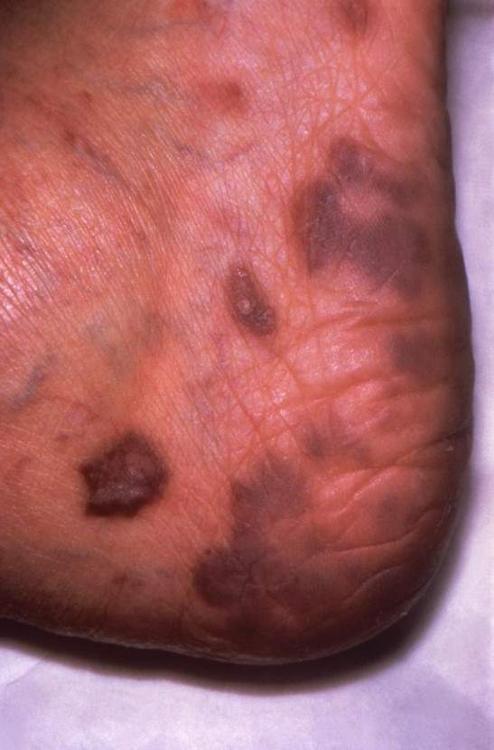
Infection with the human herpesvirus 8, also known as Kaposi sarcoma-associated herpes, or KSHV, cause KS. KS present with red, pink, purple, or brown nodules or patches
- Legs
- Arms
- Face
- Genitals
- Mouth
KS Treatment
Management includes immunotherapy and improving the overall immune system function (Johns Hopkins Medicine, 2023; Mayo Clinic, 2023). Local therapies may also be beneficial, including (Johns Hopkins Medicine, 2023):
- Cryotherapy
- Excision
- Intravenous or oral chemotherapy
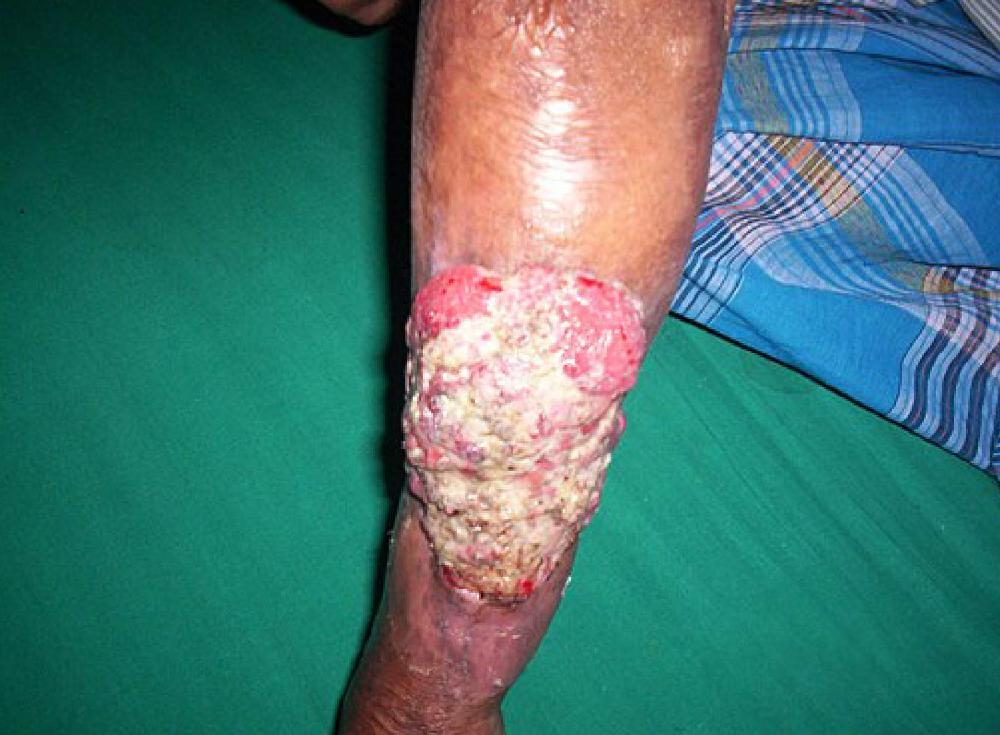
Marjolin Ulcer:
A Marjolin ulcer is a type of squamous cell carcinoma that occurs at a site of chronic inflammation or where a patient has had a scarred or poorly healed wound
Marjolin Ulcer: Etiology
Marjolin ulcers develop on traumatized skin tissue. On average, marjolin ulcers tend to appear about 30 years after the initial scarring injury (Junaid, 2017). Why these ulcers develop is not known, but one theory is that the presence of scar tissue, chronic inflammation, and trauma to the site are contributing factors. Underlying causes might include:
- Chronic wounds
- Skin treated with radiation
- Scars
Marjolin Ulcer: Appearance
Marjolin ulcers typically appear in the head, neck, legs, or feet (Junaid, 2017). Clinical features of Marjolin ulcer may include:
- Non-healing wound
- May steadily increase in size
- Excess granulation tissue that bleeds easily
- Severe pain
- Foul-smelling drainage
Marjolin Ulcer: Diagnosing
Typically involves an incisional biopsy to confirm the presence of cancerous cells. Tissue biopsy is an important differential diagnostic tool, as these ulcers are commonly mistaken for
Marjolin Ulcer: Treatment 1 of 2
Treatment of Marjolin ulcers usually involves wide excision of the affected area, which is necessary to mitigate the spread and prevent recurrence (Junaid, 2017).
Depending on the severity and extent of the cancer, additional treatments may include:
- Radiation therapy used for palliative care in cases where surgery is not possible or refused
- Amputation in severe cases where there is bone involvement
Marjolin Ulcer: Treatment 2 of 2
After surgical excision, local wound care to promote healing will be ongoing. Wound care clinicians should educate patients and their families on the following (Vera, 2018):
- Chemotherapy and radiation therapy can delay wound healing.
- Maintaining a clean, moist, and infection-free wound is critical to promote healing.
- Early wound coverage is required to protect and support the healing process.
- Regular assessment to identify any signs of unstable scar tissue or wounds that are not responding to treatment seek prompt medical attention.
A _____ ______ wound is a cancerous tumor that grows under the skin and eventually breaks through the surface, forming an ulcerative lesion (Cancer Research UK, 2023). These wounds are often associated with advanced cancers and can cause significant physical and emotional distress.
fungating malignant
Wounds are classified as ______ when they do not arise from common causes such as pressure injuries, venous insufficiency, arterial disease, diabetes, or surgical complications. Wound care clinicians must be able to identify wounds with uncommon etiologies as effective management begins with understanding and addressing the underlying conditions.
Atypical
- Offensive odor
- Copious exudate
- Itching and pain
- Bleeding
- Necrosis* Patients often experience significant physical and emotional distress from these symptoms and may delay seeking medical treatment due to fear, embarrassment, or reliance on other therapies
Assessment
Fungating malignant tumors often present with a cauliflower or fungus-like appearance (Cancer Research UK, 2023). Other symptoms include:
True or False: The Kaposi sarcoma-associated herpes virus will always develop into Kaposi sarcoma, so early intervention is essential.
False
Getting the Kaposi sarcoma-associated herpes virus does not necessarily mean the patient will develop Kaposi sarcoma. It occurs most frequently in men and immuno-compromised patients.
Kaposi Sarcoma Key Points: 1
- Kaposi sarcoma is a cancer associated with the Kaposi sarcoma-associated herpes virus, primarily affecting immunocompromised individuals.
Kaposi Sarcoma Key Points: 2
- Marjolin ulcer is a squamous cell carcinoma that occurs at a site of chronic inflammation or where a patient has had a scar or poorly healed wound.
Kaposi Sarcoma Key Points: 3
- Fungating malignant wounds are ulcerative lesions from cancerous tumors breaking through the skin, commonly shaped like cauliflower and linked to advanced cancers like head and neck cancer, breast cancer, and melanoma.
Kaposi Sarcoma Key Points: 4
- Palliative treatment focuses on improving quality of life through pain management, psychological support, exudate and odor control, and equitable access to comprehensive healthcare.
Pemphigus
Pemphigus is a rare autoimmune skin disorder that attacks the epidermis and mucous membranes (Johns Hopkins Medicine, 2019; NIAMS, 2024).
Herpes Zoster (Shingles)
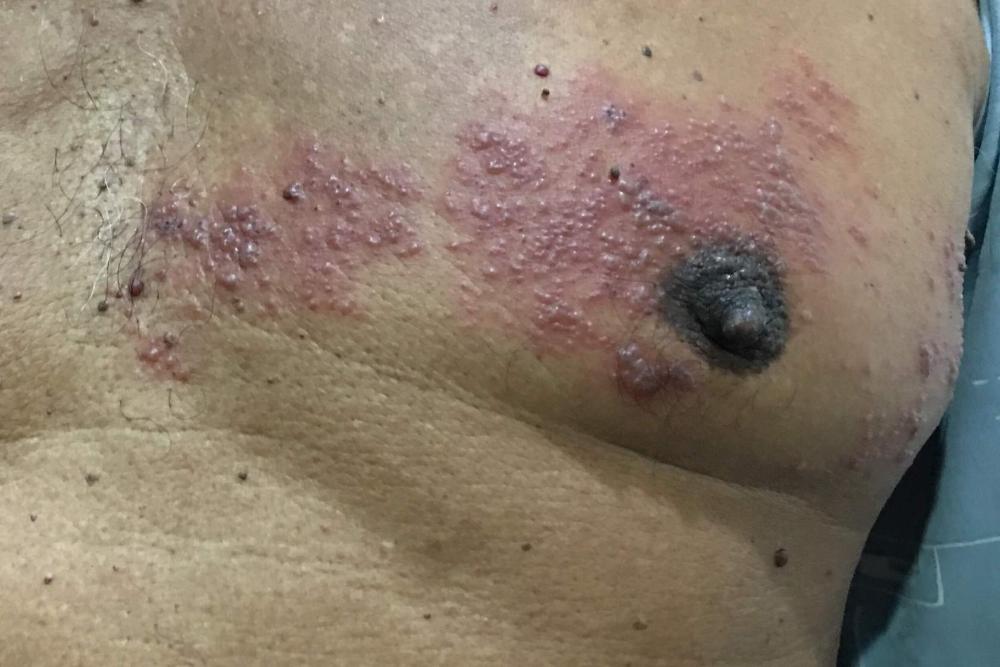
Herpes zoster, more commonly referred to as shingles, is a viral infection that creates a painful rash or blisters on the body
Pemphigus Etiology: In pemphigus, the body produces antibodies that fight against desmogleins, creating fragile skin and blistering under the skin. The disease is more likely to occur if you have certain risk factors, such as
Ethnicities- People of Indian, Middle Eastern, Southeast European, and Jewish descent are more susceptible.
Location- Rural regions of Tunisia and Brazil have a higher incidence of pemphigus.
Age- People between 40 and 60 tend to get the disease more frequently, with women having onset between the ages of 50 and 60.
Genetics- People with certain variations in the HLA immune system genes tend to get pemphigus at a higher rate.
Medications- Taking medications from certain chemical groups has been associated with drug-induced pemphigus.
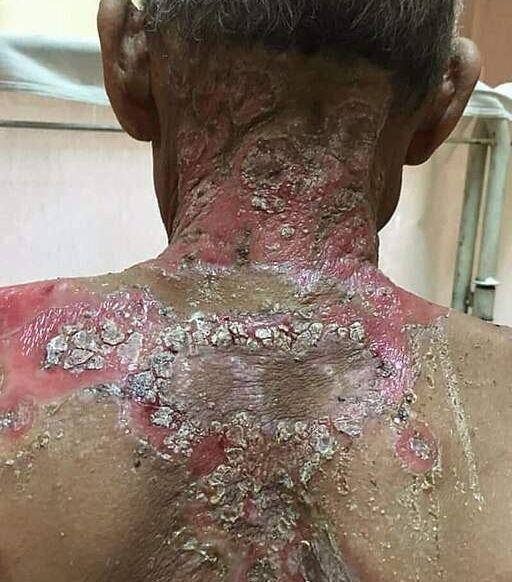
Blister and skin erosion on the neck and upper back of a patient w/pemphigus vulgaris.
Pemphigus are categorized into common and rare types:
- Pemphigus Vulgaris: Most common type in the U.S.; blistering in the mouth and other mucous membranes and deep in the epidermis
- Pemphigus Foliaceus: Less common, affecting only the skin; blisters in the upper epidermis
- Bullous Pemphigoid (BP): More common, has prodromal phase of weeks to months of pruritic, eczema-like skin rash, followed by widespread tense bullae.
- Pemphigus Vulgaris:
Most common type in the U.S.; blistering in the mouth and other mucous membranes and deep in the epidermis
Pemphigus Foliaceus:
Less common, affecting only the skin; blisters in the upper epidermis
Bullous Pemphigoid (BP):
More common, has prodromal phase of weeks to months of pruritic, eczema-like skin rash, followed by widespread tense bullae.
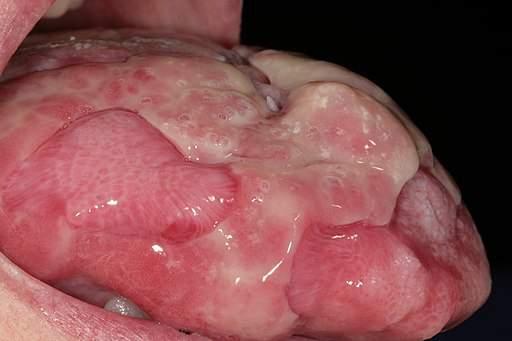
Chronic oral lesions on tongue of patient with Paraneoplastic Pemphigus
Sores form in the mouth and lips, blistering on the skin and mucous membranes; usually related to having a tumor
- IgA Pemphigus:
Caused by the IgA antibody; blisters or pimples appear on the skin in rings or groups
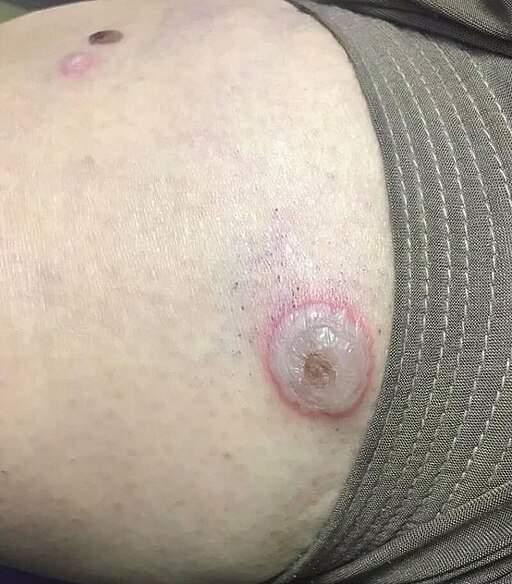
- Drug-induced Pemphigus: Pemphigus induced by antihypertensive meds.
Medications such as blood pressure medicines, antibiotics, and medications containing thiol cause sores or blisters; resolve once the medication discontinued
Drug-induced Pemphigus: Treatment
- Corticosteroids: Anti-inflammatory medications are the standard treatment for the disease. They are usually prescribed as an ointment or cream on the skin surface, however administration routes can include oral or intravenous.
- Immunosuppressants: These work to curb or suppress the immune system’s response to stop attacking the skin.
- Biologic Response Modifiers: These function by interrupting the immune system to stop attacking the skin.
- Antibiotics, Antivirals, and Antifungals: These are used to control or prevent infection.
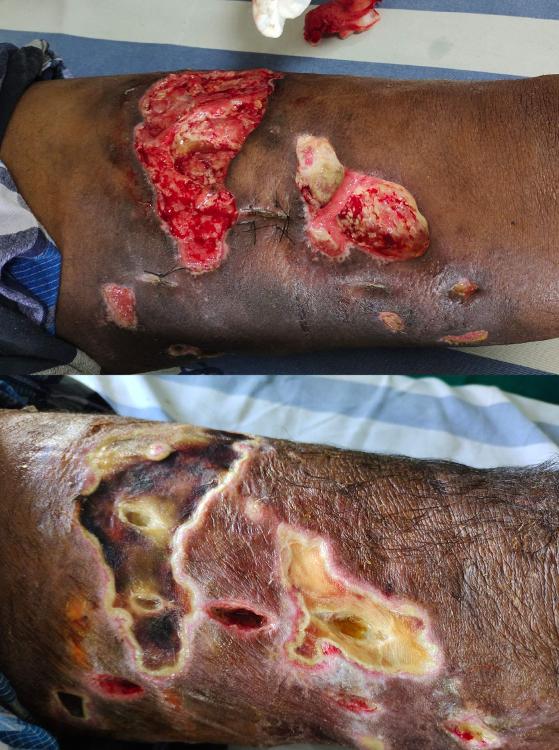
Necrotizing Fasciitis
Necrotizing fasciitis, also known as “flesh-eating bacteria” infection, is a rapidly spreading infection of soft tissues. It is also a type of necrotizing soft tissue infections (NSTIs) that are aggressive, life-threatening infections characterized by rapid tissue destruction and systemic illness. Most commonly caused by the bacteria Streptococcus pyogenes but often involves multiple types of bacteria working together, including methicillin-resistant Staphylococcus aureus, or MRSA, Clostridium perfringens, and bacteria found in marine environments