Ento exam 1
What is forensic science?
the use of scientific knowledge and technology in civil and criminal matters
What is the scientific method in steps?
-make observations that lead to question
-formulate hypothesis
-test hypothesis
-evaluate observations or data
-refine the hypothesis
Can you prove a hypothesis is true?
no, it can support/refute a hypothesis
What are the taxonomic ranks (broadest to specific)?
-Domain
-Kingdom
-Phylum
-Class
-Order
-Family
-Genus
-Species
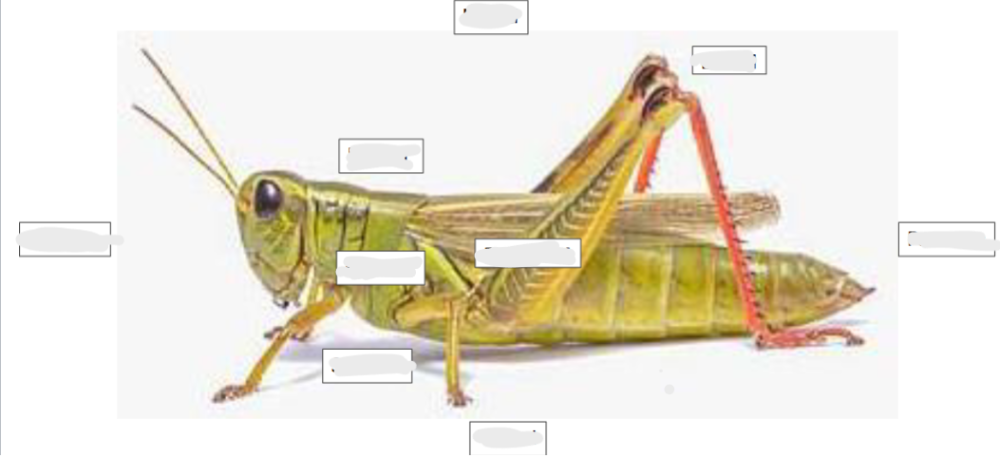
Label accordingly
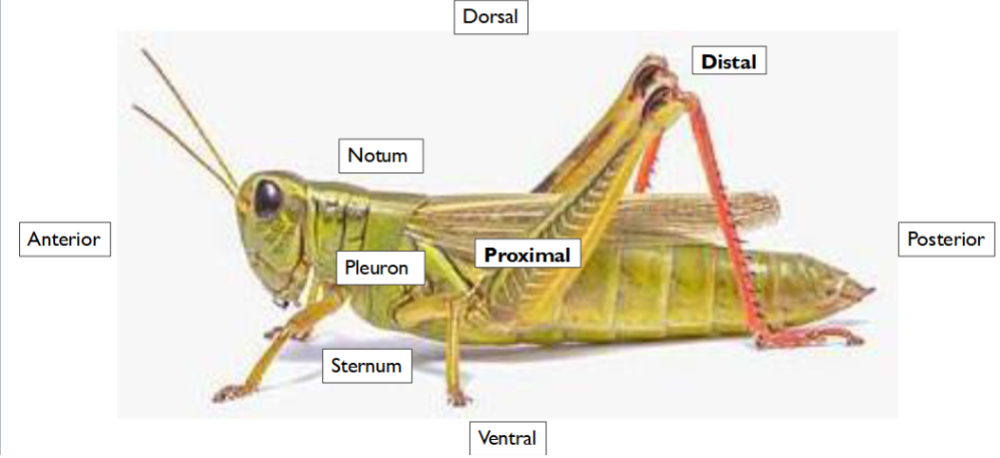
What makes up insects body?
head, thorax, abdomen, antennae, three pairs of thoracic legs
Why should we study insects?
-economic importance to agriculture and medicine
-contribute in understanding: disease, predators, pollinators, plant feeders, decomposers
-must abundant of species
What are the features of the head?
Ingest food, coordination of bodily activities, sensory perception, protection of coordinating centers
What are the features of the thorax?
center of locomotion, made of 3 body segments: prothorax, mesothorax, and metathorax
-Is used for sensory input: food, mating
-is made of 3 parts: scape, pedicel, flagellomere
Antenne
What helps in determining the age of the pupa?
the color (dark is older stage)
Comprised of many separate receptors: Ommatidia (produce larger image)
Compound eyes
-Simple eyes
- max of 3
-photoreceptors (only sense difference in light)
Ocelli
Openings into the tracheal system
Spiracles
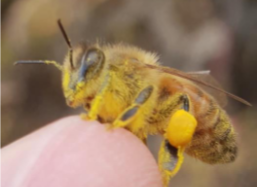
Corbicula: pollen basket
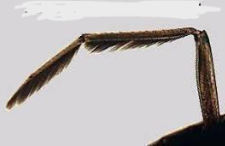
(backswimmer) Natatorial: swimming
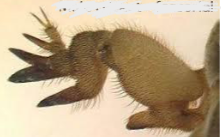
(mole cricket) Fossorial: digging
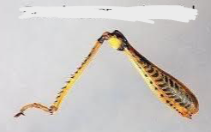
(grasshopper) Saltatorial: jumping
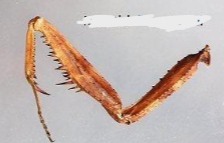
(mantid) Raptorial: grasping
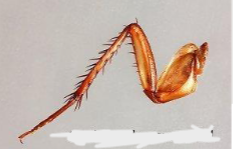
(cockroach) Cursorial: running
What types of insects are associated with Diptera (2 wings)?
"true flies", gnats, mosquitos
What types of insects are associated with Coleoptera (sheath wings)?
beetles
What types of insects are associated with Blattodea?
German/American cockroaches, termites
Diptera are
disease transmitters
Larvae in their 1st instar _____. The 3rd instar lasts about____ days.
Larvae also disperse from the body to ____.
don't move, 4-21, pupate
Blattodea can
feed on humans in cases of neglect, filth, and can be confused with bruising
What types of insects are associated with Hemiptera (half wings)?
"true bugs", Stink bug, cicadas, tree hoppers
What types of insects are associated with Hymenoptera (membrane wings)?
wasps, bees, ants
What types of insects are associated with Phthiraptera (lice)?
pubic lice, head lice
The feeding behavior of an organism that eats carrion from another animal that it did not kill (coleoptera, diptera,hymenoptera)
necrophagy
What are the factors affecting necrophagous insect populations?
-Location
-Time (year, weather, stage of decomp.)
-Associated organisms ( presence or absence of parasites, predators, scavengers)
Necrophagous insects use carrion for
feeding, breeding, and mating

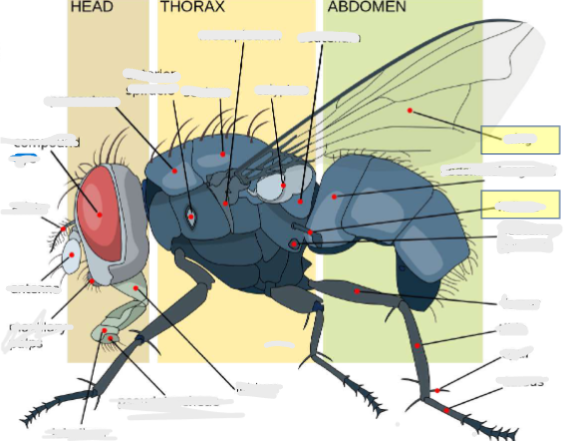
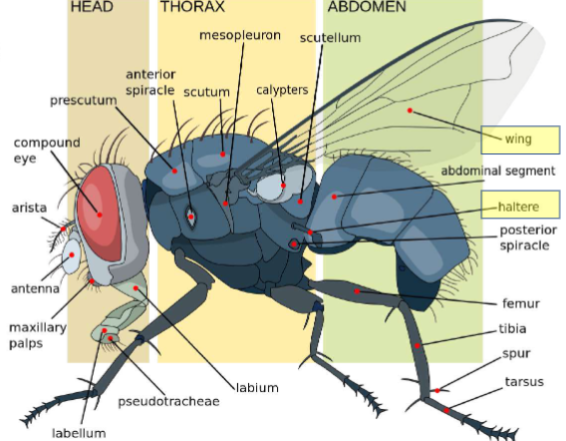
Label each parts
A. head B. thorax C. abdomen 1. antenna 2. compound eyes
3. femur 4. elytra (hardened win) 5. tibia 6. tarsus 7. claws 8. mouthparts 9. prothorax 10. mesothorax 11. metathorax 12. abdominal sternites 13. pygidium
Coleoptera have a ______life cycle
holometabolous (look diff. from adult)
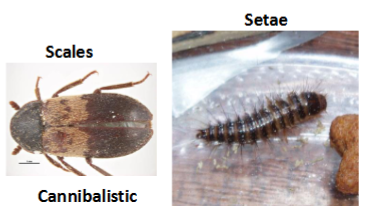
-larvae make circular holes
-adults make jagged holes
-skin, hide, carpet beetles
-stored products
-frass feces indicatos
- appear in late stages of decomp. (dry & skeletal)
Dermestidae
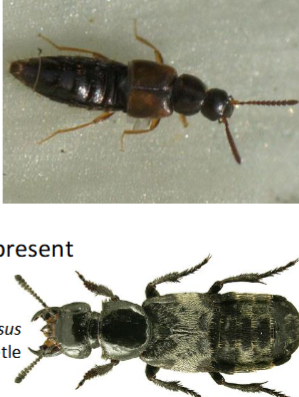
-Rove beetles
-have short elytra with exposed abdomen
-predators/scavengers
-present in bloat phase
-only show up if other insects are present
Staphylinidae
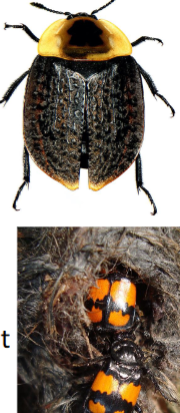
- Carrion/burying beetles
- development about 1 month
-scavengers/predators
-bury carcasses to keep to themselves and lay eggs
- appear when immature flies are present
-sexton beetle
Silphidae
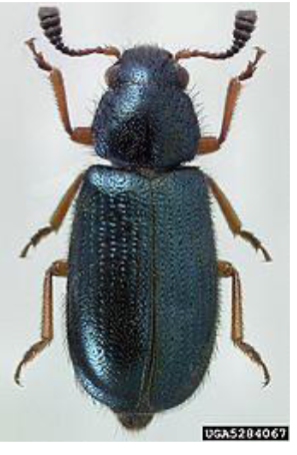
-found in later decomp. stage
-predators
- checkered beetle, red-legged ham beetle,
-like dry stages of decomp
-like flowers
Cleridae
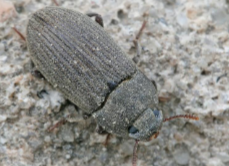
-Darkling beetle
-stored products
Tenebrionidae
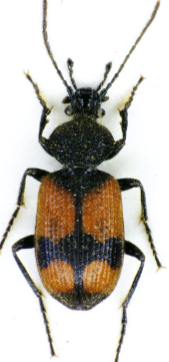
-pyramid shape
-large to small:( abdomen>thorax>head )
-ground beetle
-predators
Carabidae
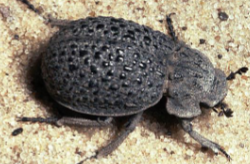
-Hide beetle
-oval, soil incrusted, warty appearance
- dry/later stages of decomp.
Trogidae
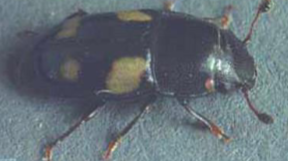
-sap beetle
-clubbed antennae
- punctured elytra(pits)
- stored products and medico-legal
- prefer late stages of decomp. but moist
Nitidulidae
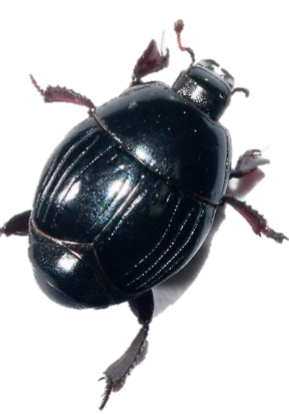
- clown beetle
- show up in mass
-boxy head
- round, shiny/metallic black/green
-predators feed on carcasses and other insects
- bloat- dry stage of decomp.
-active at night
Histeridae
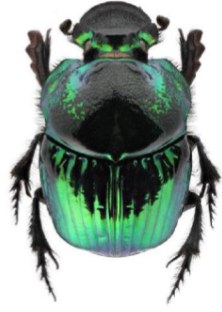
-scarab beetle, dung beetle
-antennae composed of lamellae(plates)
-stout body
- late in decomp
-larvae are grubs (c-shaped)
-front legs broad for digging (fossorial-dig)
-wider, broader head
Scarabaeidae
LARVAE:
-most important in coleoptera
-somewhat flattened
-elongated body
- cerci
-antenna
-well-developed thoracic legs(oligopod)
-catch prey
Examples: Neuroptera, Trichpotera, coleoptera
Campodeiform
What suborder has:
body shape: house fly like
pupae: coarctate (cannot move)
Antennae cf.: usually shorter than the head
Brachycera
Diptera has a ___life cycle and it includes:
holometabolous,
-3-5 instars
-pupa
-development 2 weeks
-200-400 eggs
Larvae in their 1st instar they _____. The 3rd instar lasts about____ days.
Larvae also disperse from the body to ____.
don't move, 4-21, pupate
Important larval morphology consists of
-mouth hooks
-spiracles
-Anterior and posterior
-have spiracles in both places to breathe
-determine age by slits
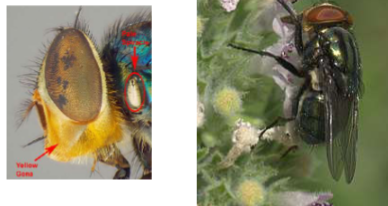
- #1 species in Texas
-secondary screwworm
-summer species
- bright yellow gena
- has longitudinal stripes on thorax
-white thoracic spiracle
-engage in myiasis
-primary colonizer of remains in Southern US
-likes fresh remains and doesn't infest living tissue
Cochliomyia macellaria
-Feed on living tissue
- Eradicated from the US
-larvae have pigmented tracheal trunks
-sterilized males to stop reproduction
Cochliomyia hominivorax
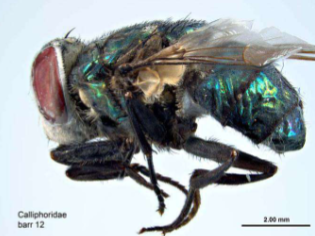
-Hairy maggot blow fly
-Southern US
-Summer species
- invasive species
-warmer times
-predacious in 2nd/3rd instar (cannibalistic)
-usually 2nd to colonize
-Bullet shaped, green/blue/copper
-white gena, white spiracles
-one of two most common on human remains
Chrysomya rufifacies
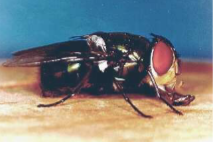
-Southern US
-warmer weather & humidity
-Large red eyes, Box-y body, Gena yellowish-orange, Anterior
spiracle
dirty brownish
-males eyes are together and females eyes re farther apart
-invasive and widely distributed over Asia and Australian regions
Chrysomya megacephala
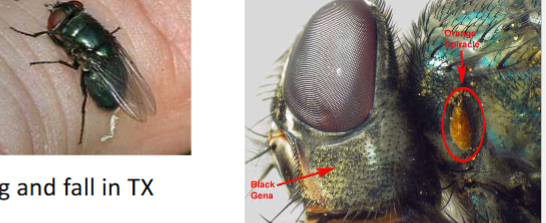
-Black blow fly
-abundant in early spring and fall in TX
-scavenger
-bright orange spiracles, black gena
-Secondary colonizers: colonize 10-24 hours after death

phormia regina
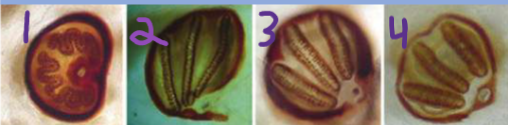
1: Muscidae
2: Sarcophagidae
3 and 4: Calliphoridae
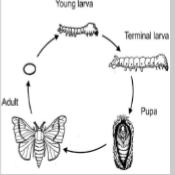
Holometabolous life cycle characteristics
-Immature stage looks like same as mature stage? NO
-Wing develop on the outside of their bodies? NO
-The immature is called: larva
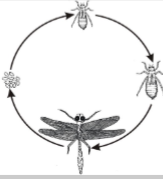
Hemimotabolous life cycle characteristics:
-Complete development? NO
-Immature stage looks the same as adult? Similar but no
-Wings develop on outside of bodies? YES
-Immature stage is called: Naiad(aquatic)
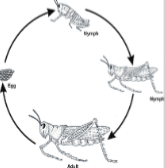
Paurometabolous life cycle characteristics:
-Complete development? NO
-Immature stage looks the same as adult? Similar but no
-Wings develop on outside of bodies? YES
-Immature stage is called: Nymph(terrestial)
Ametabolous life cycle characteristics:
-Complete development? NO
-Immature stage looks the same as adult? YES
-Wings develop on outside of bodies? WINGLESS
-Immature stage is called: Nymph
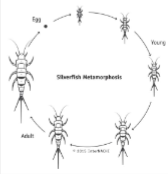
..
What are the factors affecting development?
-temperature
-nutrient
-drugs
Stages of decomposition
fresh, bloat, active decay, advanced decay, dry, remains
What hormones are involved in molting?
-Ecdysone: spike before molt stage
-PTTH: stimulates production of Ecdysone
-JH: tells insect if it's larvae or adult(when pupating, the have no JH)
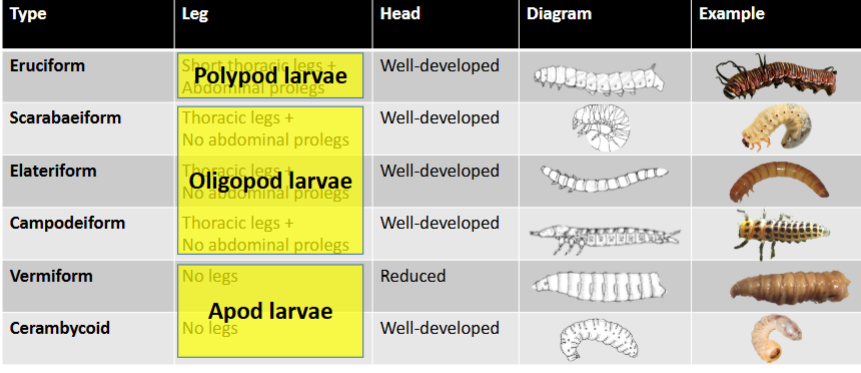
LARVAE:
-caterpillar-like
-head well-developed
-short antenna
-has prolegs
-slow moving
-thoracic legs(polypod)
Example: Lepidoptera, Mecoptera, some Hymenoptera(sawflies)
Eruciform
LARVAE:
-grub-liked (c-shaped)
-head well-developed
-don't have prolegs
-immobile
-thoracic legs (oligopod)
Examples: Coleoptera, June beetle
Scarabaeiform
LARVAE:
-most important in coleoptera
-somewhat flattened
-elongated body
- cerci
-antenna
-well-developed thoracic legs(oligopod)
-catch prey
Examples: Neuroptera, Trichpotera, coleoptera
Campodeiform
LARVAE:
-hard-shelled
- wireworm
-elongated body
-short legs(oligopod)
-store product issues
-cylindrical
Examples: coleoptera
Elateriform
LARVAE:
-elongated body
-somewhat dorsoventrally flattened
-legless with a head capsule (apod)
Example: Long-horned beetles, wood borers
Cerambycoid
LARVAE:
- Maggot-like
- Elongated/ worm-like
- legless(apod)
-not well developed head
Examples: Diptera, Siphonaptera, Hymenoptera, Lepidoptera
Vermiform(fly)
What do forensic entomologists do?
-Identify arthropod evidence
- Determine its usefulness
- estimate time of death
Time of colonization is not necessarily_________
time of death
What is frass?
is dry, long, and stringy means there are dermestidae
How are wasps (vespidae) forensically significant?
they remove flesh from bodies
How are ants (formicoidae) forensically important?
cause damage that look like burns
Larvae is fully formed till the ____instar
3rd