Print Options

Card layout: ?

← Back to notecard set|Easy Notecards home page

Instructions for Side by Side Printing
  1. Print the notecards
  2. Fold each page in half along the solid vertical line
  3. Cut out the notecards by cutting along each horizontal dotted line
  4. Optional: Glue, tape or staple the ends of each notecard together
  1. Verify Front of pages is selected for Viewing and print the front of the notecards
  2. Select Back of pages for Viewing and print the back of the notecards
    NOTE: Since the back of the pages are printed in reverse order (last page is printed first), keep the pages in the same order as they were after Step 1. Also, be sure to feed the pages in the same direction as you did in Step 1.
  3. Cut out the notecards by cutting along each horizontal and vertical dotted line
To print: Ctrl+PPrint as a list

11 notecards = 3 pages (4 cards per page)

Viewing:

Positioning and Draping

front 1

Bed Rest

back 1

  • Days to weeks of bed rest to heal and recover was fairly common until the 1960s
  • Today bed rest is generally used for patients with critically acute medical conditions and high risk pregnancy
  • rarely lasts more than several hours to a day or so

front 2

Negative effects of Bed Rest

back 2

  • compromised circulation and risk of DVT
  • decreased ventilation and risk of pneumonia
  • Decreased bone density and risk of osteoporosis
  • slowing of body functions (bowel/bladder)
  • loss of flexibility and risk of contractures
  • loss of endurance
  • loss of muscle strength and muscle mass
  • prolonged pressure over bony prominences and risk of pressure ulcers

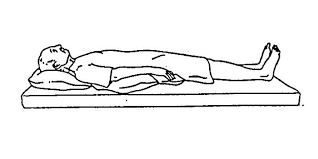
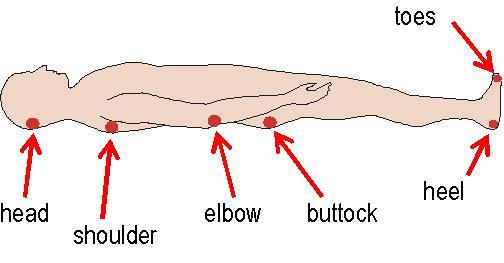
front 3

what position is this?

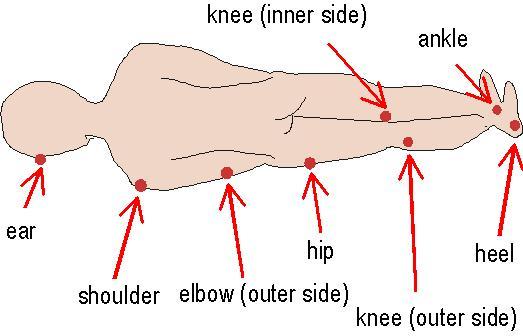
what are some of the points of pressure related to this position?

what considerations should you have for patients in this position?

back 3

  • Supine-Long Term
  • pillow under knees, back of head, cushion under heels, caution of hyperextension of the knees

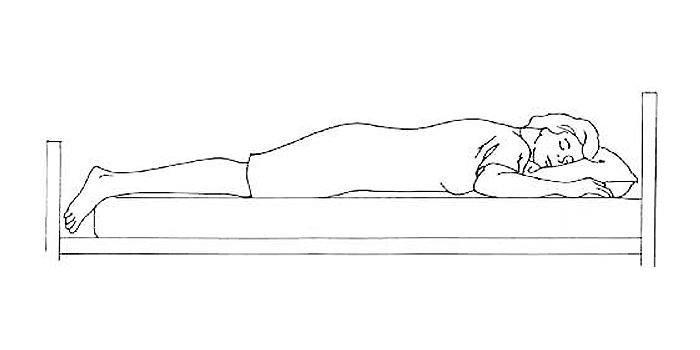
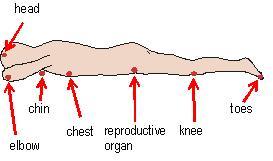
front 4

what position is this?

what are some of the points of pressure related to this position?

what considerations should you have for patients in this position?

back 4

  • Prone
  • head support, pillow under hips, support to keep toes elevated,

front 5

what position is this?

what are some of the points of pressure related to this position?

what considerations should you have for patients in this position?

back 5

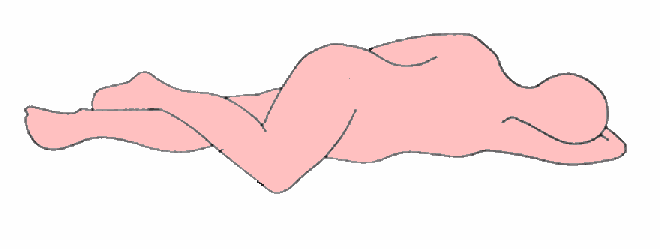
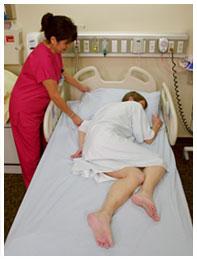
  • side lying position
  • helps alleviate pressure on anterior and posterior structures.
  • pillow or cushion b/w knees, under head, possible wedge behind back to prevent from rolls or falling.

front 6

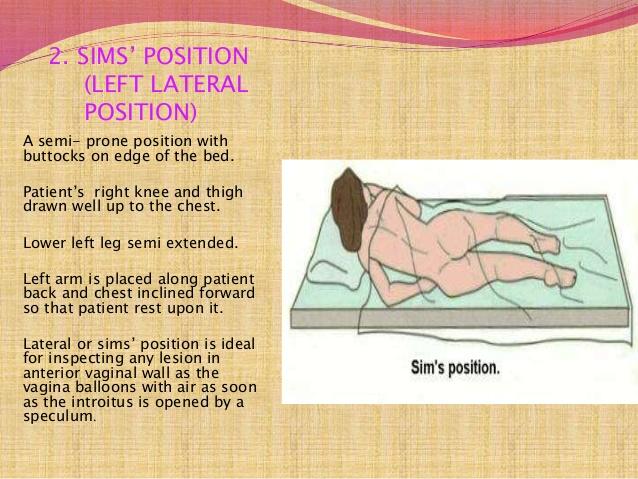
WHAT POSITION IS THIS?

This position is halfway between the lateral and prone positions. Reduces pressure of posterior body structures.

back 6

SIMS' POSITION

front 7

WHAT POSITION IS THIS?

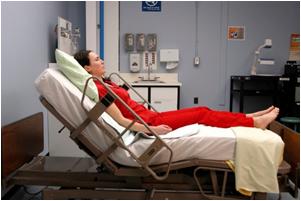
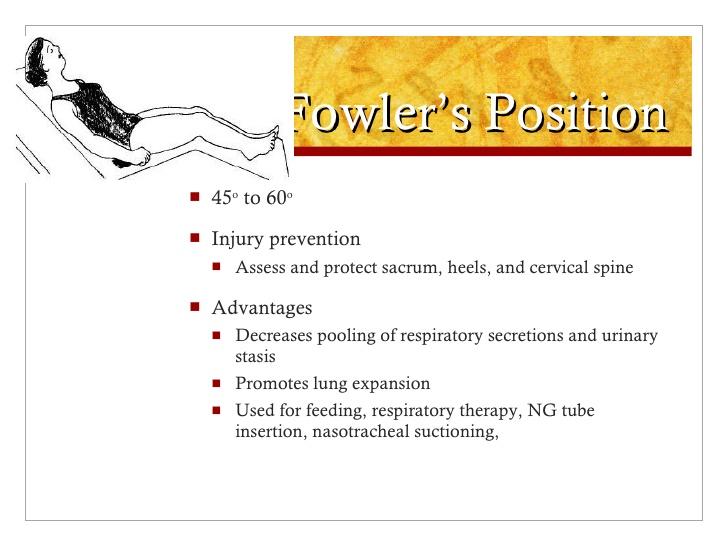
30-90 degrees; used for general comfort of patient and to improve ventilation. Use with patient's recovering from CV and other types of surgery. Head of bed is elevated 45 degrees

back 7

Fowlers!

front 8

WHAT POSITION IS THIS?

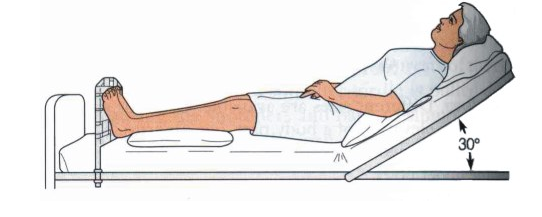
  • 30 degrees
  • this position is useful for patients with a variety of medical problems including cardiac, respiratory,m or neurological problems. Often a good position for patients who have a nasogastric tube.

back 8

SEMI-FOWLERS!

front 9

WHAT POSITION IS THIS?
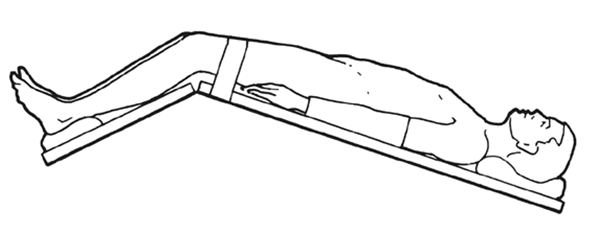
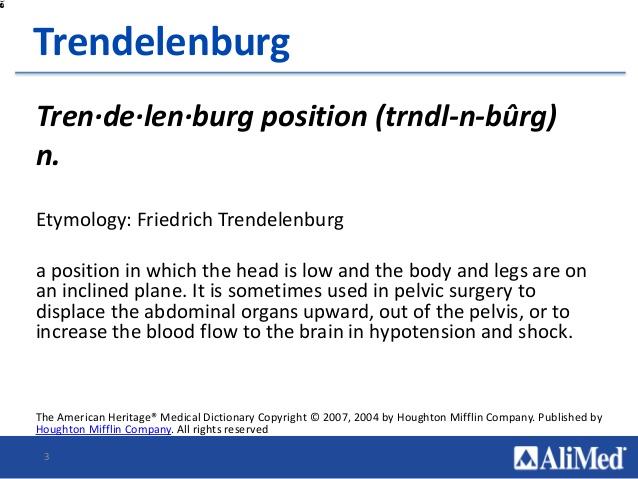
Promotes venous return and is used with patient's who have hypotension

back 9

TRENDELENBERG!

front 10

WHAT POSITION IS THIS?

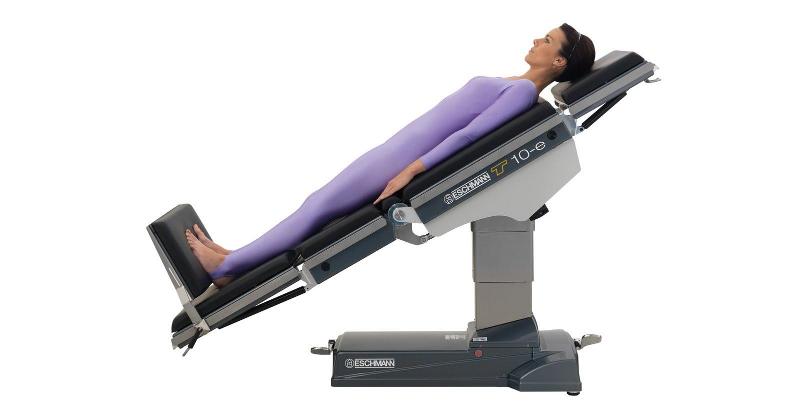
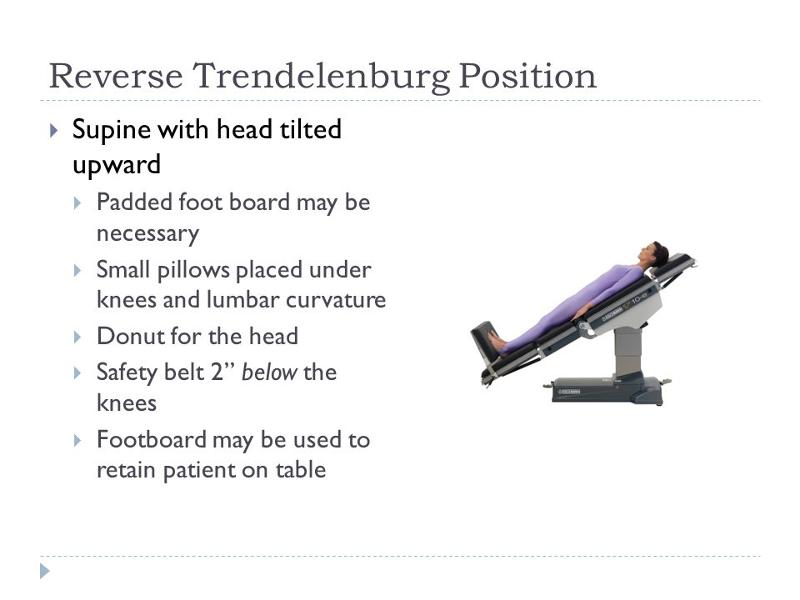
often used with patients that have GI problems. Helps to reduce or prevent esophageal reflux

back 10

REVERSE TRENDELENBERG

front 11

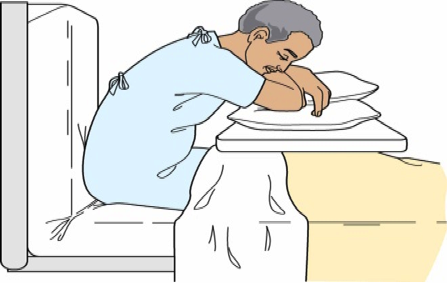
WHAT POSITION IS THIS?

often used for patients who have difficulty breathing; allows chest to expand fully

back 11

Orthopneic Position