Instructions for Side by Side Printing
- Print the notecards
- Fold each page in half along the solid vertical line
- Cut out the notecards by cutting along each horizontal dotted line
- Optional: Glue, tape or staple the ends of each notecard together
exam 4 study guide
front 1 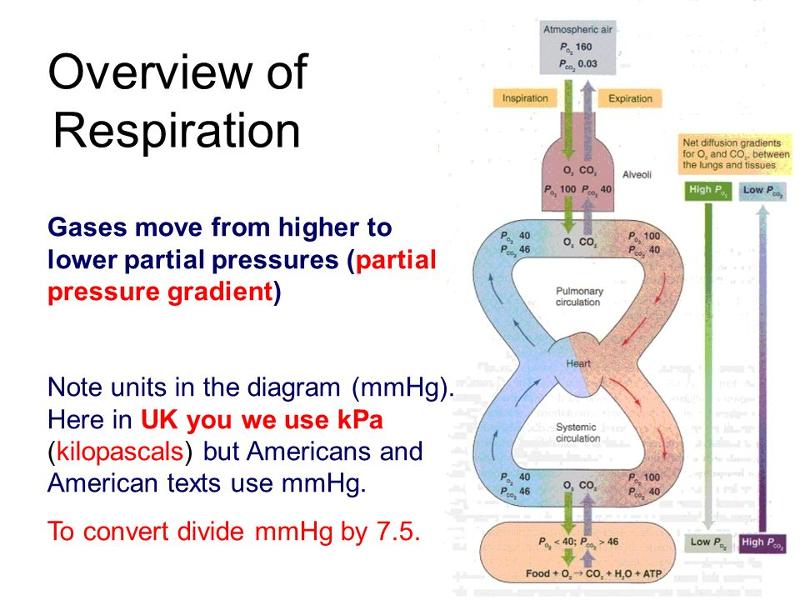 Describe the functional relationship between volume changes and gas flow into and out of the lungs.(Part 1)essay | back 1 As the muscles of inspiration , the diaphragm and the external intercostal muscles contract, the thoracic cavity is expanded inferiorly by the diaphragm pulling down as it contracts and laterally and superiorly as the external intercostal muscles cause the ribs to expand up and out. This expansion of the thoracic cavity causes the volume of the thorax to increase because it is now a larger "container" than before V(up), P(down) |
front 2 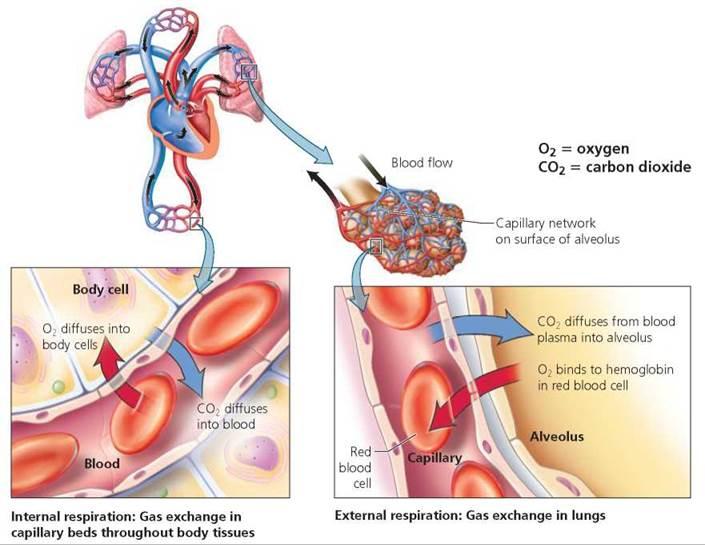 Describe the functional relationship between volume changes and gas flow into and out of the lungs.(Part 2)essay | back 2 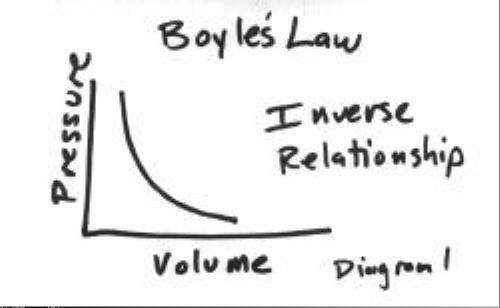 Boyle's Law, if volume increases in a given space it causes the pressure of gases in that space to decrease V(down) P (up) Pressure in the lungs is now lower than the atmospheric pressure outside of the lungs, causing the air to be pushed into the lungs along this pressure gradient from higher to lower. The flow of air into the lungs stops as the pressure equalizes with the atmospheric pressure. (pause) |
front 3 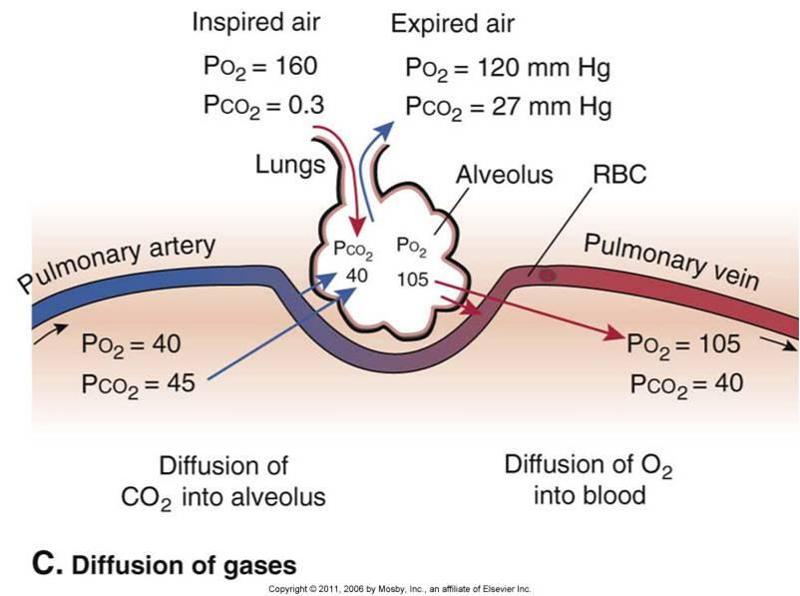 Describe the functional relationship between volume changes and gas flow into and out of the lungs.(Part 3)essay | back 3 Expiration starts when the inspiratory muscles relax and are pulled back into their normal resting length due to the elastic properties of the muscles and tissues of the thoracic cavity. The volume of the thoracic cavity and lungs is thus decreased as the size of the "space" in the thorax is reduced.V(down) P(up) This decrease of volume causes the pressure in the lungs to increase to a pressure higher than the atmospheric pressure, and air is pushed out of the lungs from the higher to lower pressure gradient. |
front 4 Identify the cause of common digestive system dysfunctions | back 4 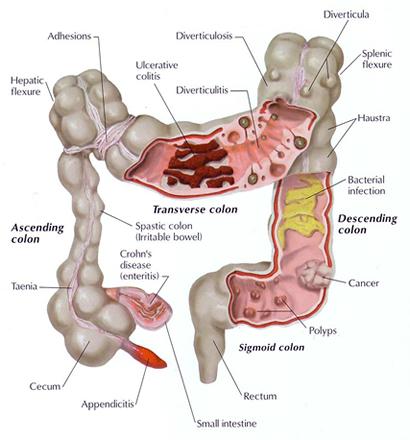 Reflux Peptic ulcers Gallstones Lactose intolerance Divertticulitis Ibs Celiac disease Constipation |
front 5 ___________________is the mechanical and chemical breakdown of foods into forms that cell membranes can absorb? | back 5 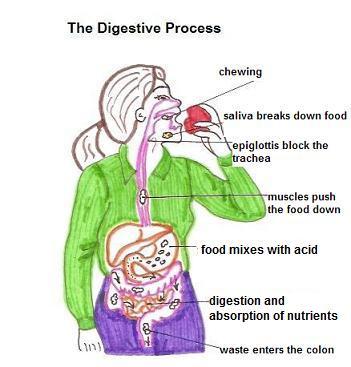 Digestion Organs of the digestive system carry out these processes, as well as ingestion, propulsion, absorption and defecation |
front 6 The digestive system consists of the ___________canal extending from the mouth to the ______, plus accessory ______ that empty into the alimentary canal | back 6 Alimentary ANUS ORGANS |
front 7 Alimentary canal (gastrointestinal or GI tract) | back 7 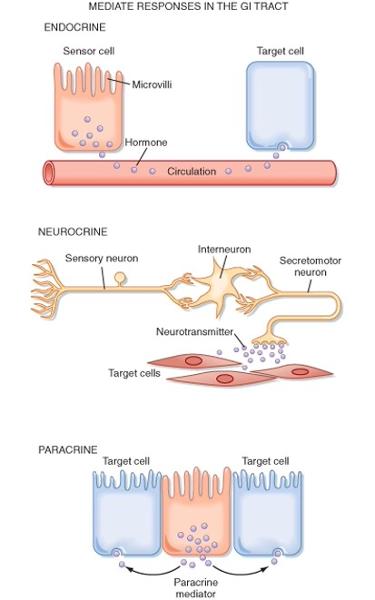 FUNCTION: Digests and absorbs food SYSTEM: Mouth, pharynx, esophagus,stomach, small intestine, and large intestine |
front 8 Accessory digestive organs | back 8 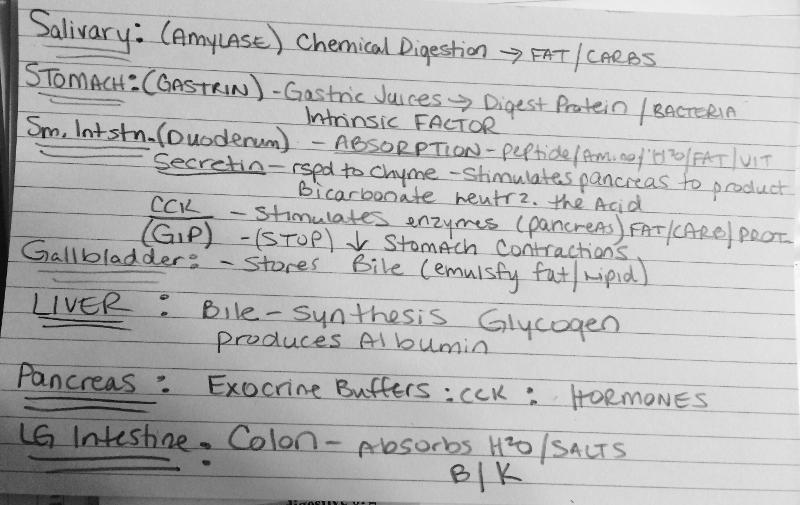 Teeth, tongue, gallbladder
Digestive
glands A) Salivary glands |
front 9 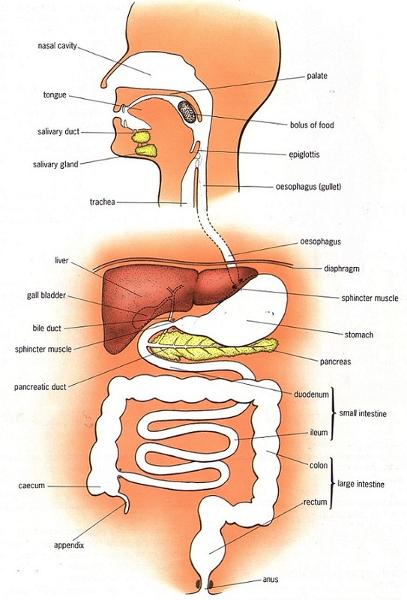 ALIMENTARY CANAL ACCESSORY ORGANS | back 9
Salivary
glands
Parotid
glands There are many minor glands scattered throughout the mucosa : t ongue, palate, and cheeks |
front 10 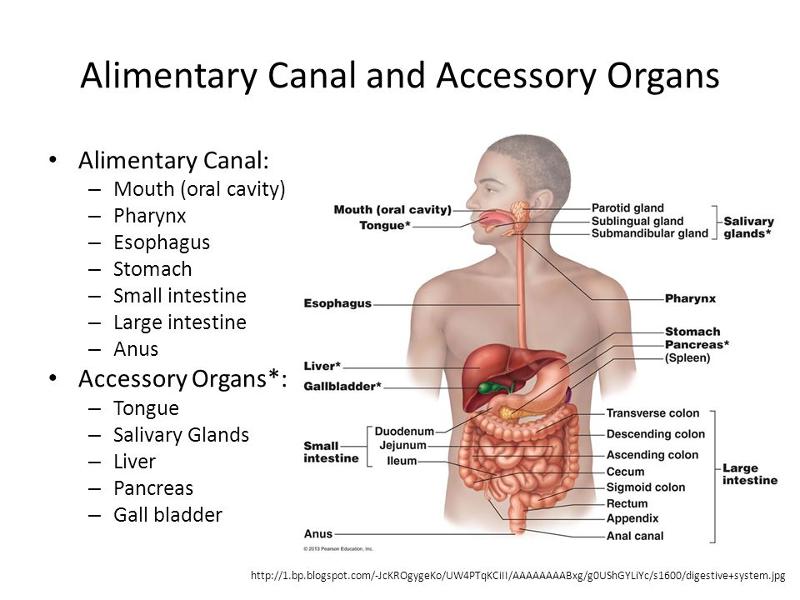 ALIMENTARY CANAL:
STEP 1 | back 10 Mouth: Mechanical breakdown of food MASTICATION begins chemical digestion of carbs
Pharynx
Esophagus pushes food to stomach |
front 11 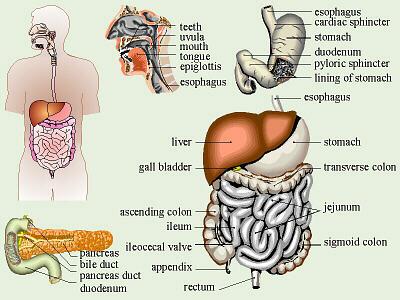 ALIMENTARY CANAL STEP 2 | back 11 Liver: Produces bile (emulsifier of fats/lipids) Gallbladder: Stores bile and introduces it into small intestine Pancreas: Produces and secretes pancreatic juice, Digestive enzymes Bicarbonate ions ----->>>> into small intestine |
front 12 ALIMENTARY CANAL STEP 3 | back 12 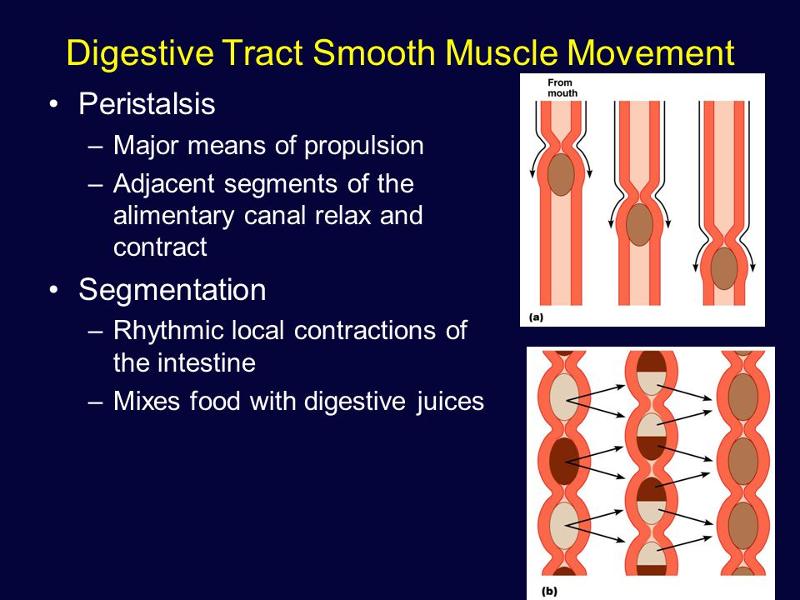 Stomach - Secretes acid and enzymes mixes food with
secretions to begin enzymatic Small intestine: Mixes food with bile and pancreatic juice FINAL enzymatic breakdown of food molecules MAIN site of nutrient absorption
Large intestine
Rectum
: Regulates elimination of feces
Anus |
front 13 Digestive Processes WHAT ARE Six essential activities? | back 13 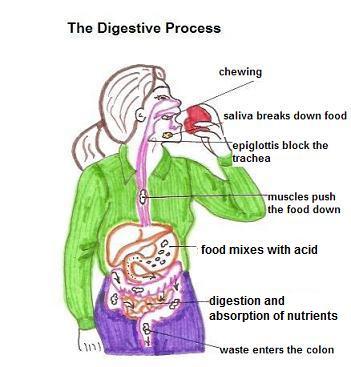
Ingestion - Swallowing can be divided into
three stages:
Propulsion
- |
front 14 WHAT ARE THE General Characteristics of the Alimentary Canal? | back 14 The alimentary canal is a muscular tube about 8 meters long |
front 15 Peritoneum and Peritoneal Cavity | back 15 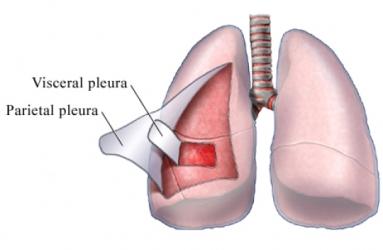
Serous membrane of
the abdominal cavity: Parietal peritoneum lines the body wall PERITONEAL CAVITY : Between the two peritoneums (Fluid lubricates mobile organs) |
front 16
________________ is a double layer of peritoneum
Holds organs in place and stores fat | back 16 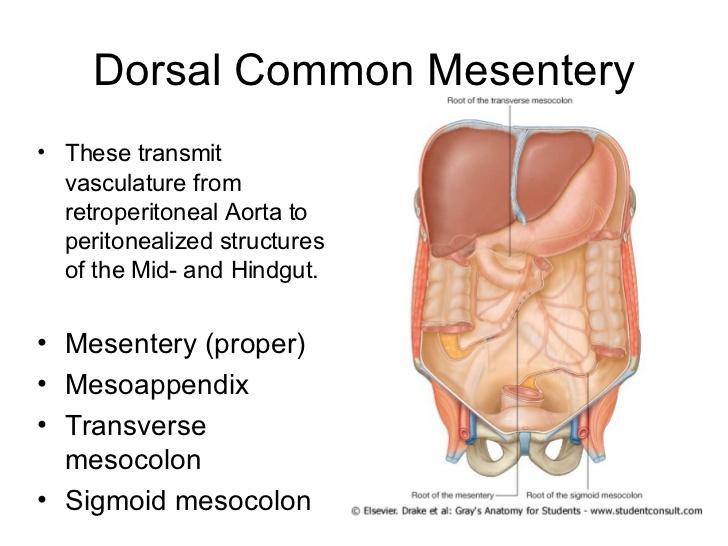 Mesentery |
front 17
___________________ lie posterior to the peritoneum
| back 17 Retroperitoneal organs Intraperitoneal (peritoneal) organs |
front 18 Branches of the sympathetic and parasympathetic divisions of the autonomic nervous system extensively innervate the alimentary canal, including:
____________ – controls secretions | back 18 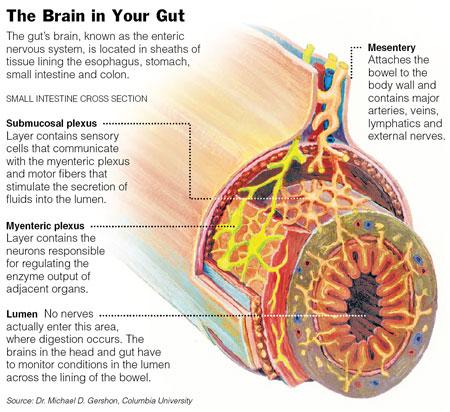 Submucosal plexus Myenteric plexus |
front 19
_____________ – increase activities of digestive
system | back 19 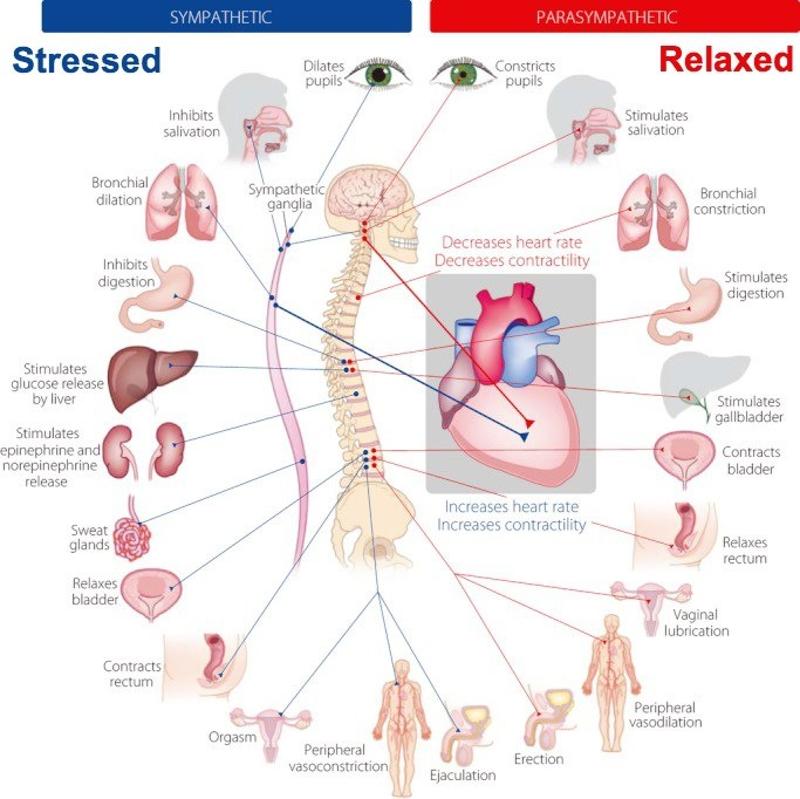 Parasympathetic impulses(FEED/BREED) Sympathetic impulses( FIGHT OR FLIGHT) |
front 20 THE ______Ingests food: Mechanically breaks up solid particles using saliva Prepares food for chemical digestion ( Mastication) | back 20 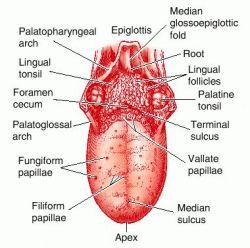 THE MOUTH |
front 21 ___________ is a thick, muscular organ that occupies the floor of the mouth and nearly fills the oral cavity when the mouth is closed | back 21 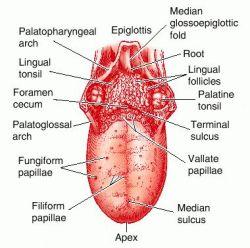 The tongue |
front 22 _______________ forms the roof of the oral cavity and consists of a hard anterior part and a soft posterior part | back 22 The palate |
front 23
Hardest structures in the body | back 23
The
teeth |
front 24 The different salivary glands have varying proportions of two types of secretory cells
___________produce a watery fluid with a digestive enzyme
called salivary amylase | back 24 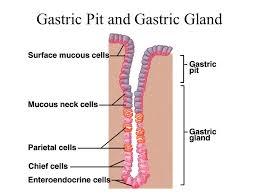 Serous cells Mucous cells |
front 25
__________ | back 25 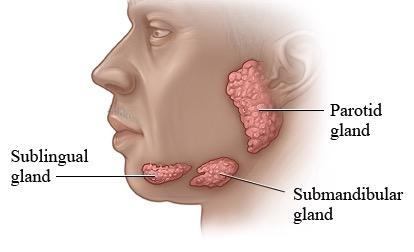
Parotid glands
|
front 26
_____________is a cavity posterior to the mouth from which the
tubular esophagus leads to the stomach. | back 26 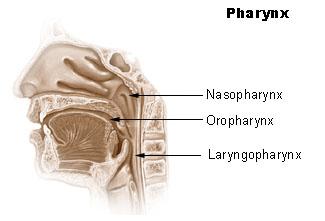 The pharynx |
front 27 The pharynx can be divided into 3 parts? | back 27 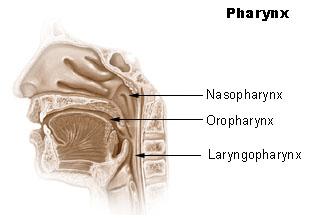
Nasopharynx |
front 28
What is the Flat muscular tube from laryngopharynx to stomach,
Pierces diaphragm at esophageal hiatus | back 28 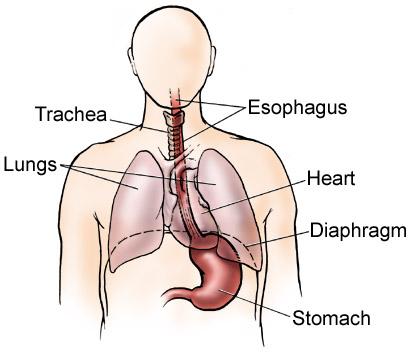 Esophagus |
front 29 _________ is a J-shaped, pouch-like organ, about 25-30 centimeters long.It hangs inferior to the diaphragm in the upper-left portion of the abdominal cavity, has three layers of smooth muscle: An inner
circular layer | back 29 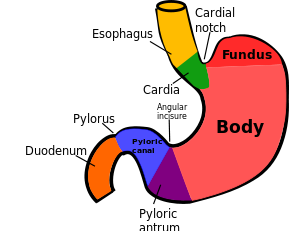 Stomach |
front 30 The mucous membrane of the ______ has tubular gastric glands that secrete. | back 30 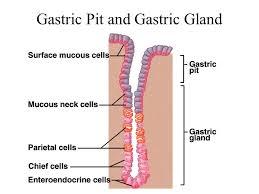 STOMACH |
front 31
________ IS From the chief cells ___________IS From pepsinogen in the presence of hydrochloric acid Is a protein splitting enzyme | back 31 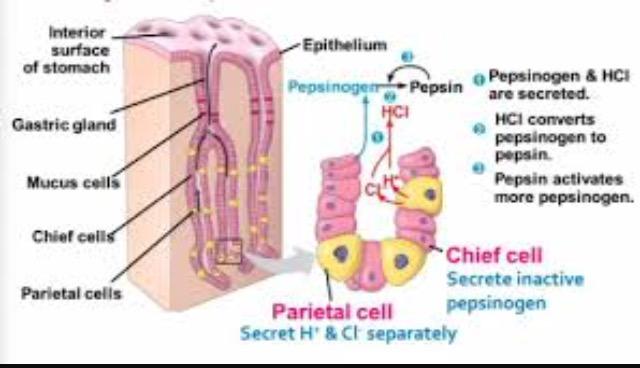
Pepsinogen |
front 32
______ IS From the parietal cells | back 32 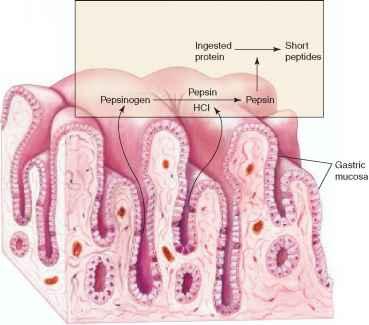 Hydrochloric acid |
front 33
_________From the goblet cells and the mucous glands
Protective to stomach wall | back 33 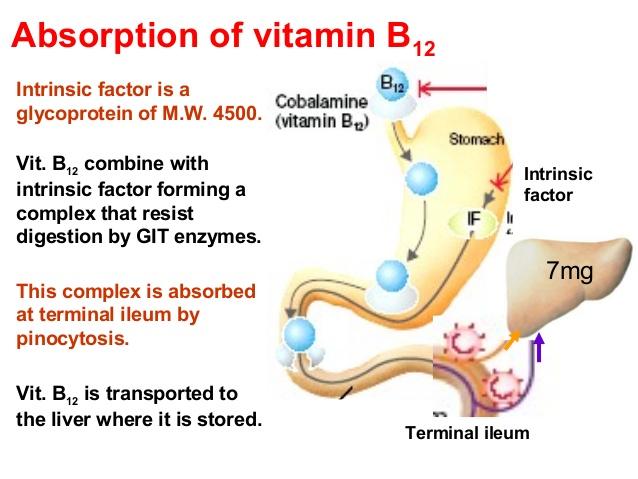 Mucus Intrinsic factor |
front 34 ______________ (air enters) → nasal cavity → ______________ (both air and food move through) → trachea → ______________ (large tubes leading to both lungs) → lungs. | back 34 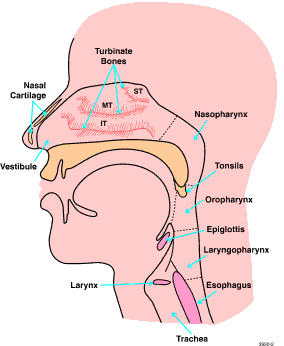 nares pharynx bronchus |
front 35 ______________ pleura; covers the surface of the lung ______________ pleura; lines the thoracic wall | back 35 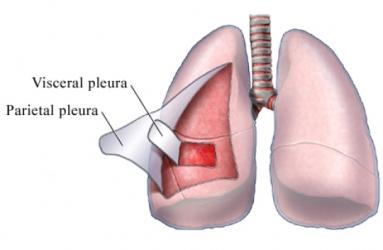 PARIETAL VISCERAL |
front 36 The space in between is called the ______________ cavity and it is filled with ______________ fluid. | back 36 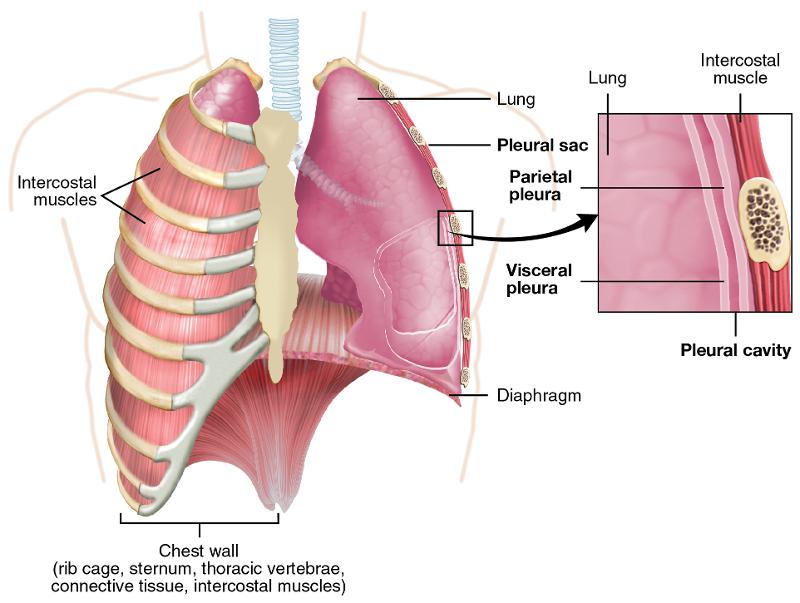 PLEURAL SEROUS FLUID |
front 37 This fluid assists breathing movements by acting as a/an ______________. | back 37 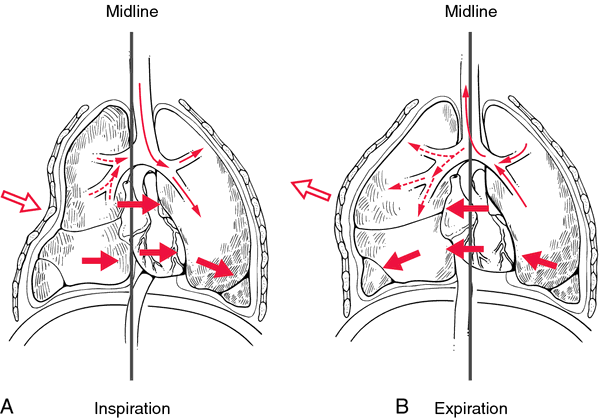 lubricant-pleural fluid |
front 38 Air flows from the trachea through the ______________, ______________, and ______________ bronchi to smaller and smaller bronchi. The trachea and bronchi contain ______________ to keep the airways open. Bronchi branch into ______________, which do not contain ______________ but do contain more ______________ muscle. This allows for regulation of air flow. | back 38 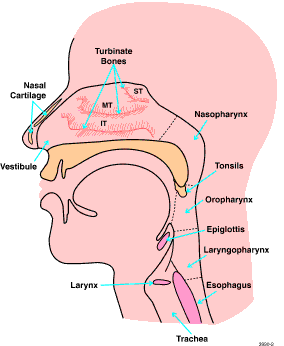 main bronchus lobar segmental cartilage terminal bronchiole cartilage smooth muscle |
front 39 Airways from the nasal cavity through the terminal bronchioles are called the ______________ zone. | back 39 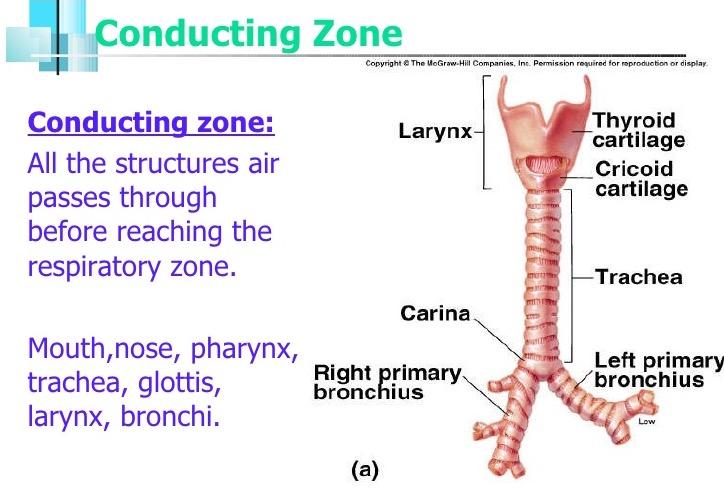 conducting zone |
front 40 The function of this zone is to ______________ and ______________ the air. | back 40 warm, moisten filter |
front 41 Is there gas exchange in this zone? _______ | back 41 no |
front 42 The respiratory zone contains ______________ where gas is exchanged. This zone consists of the ______________ bronchioles, ______________ ducts, and ______________ sacs. | back 42 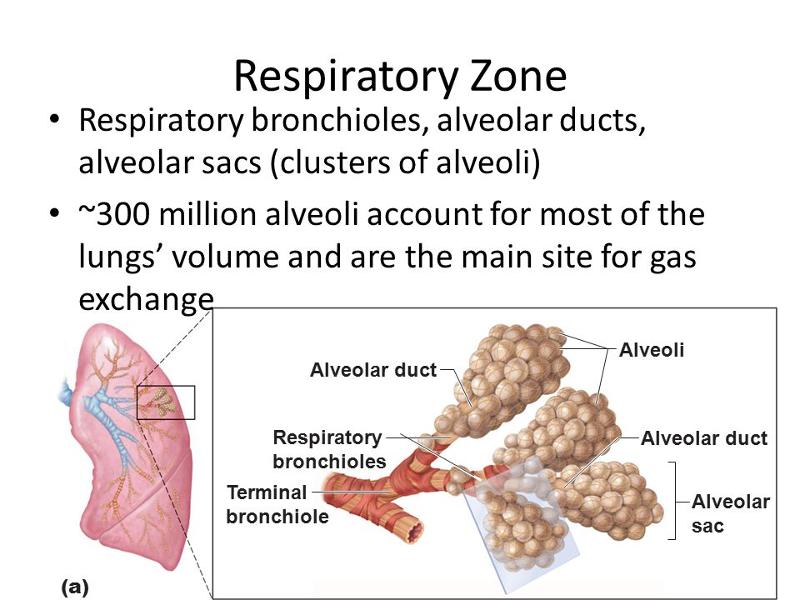 aveoli respiratory alveolar alveolar |
front 43 _________ From the goblet cells and the mucous glands: Protective to stomach wall _______________ From the parietal cells. Is required for vitamin B12 absorption | back 43 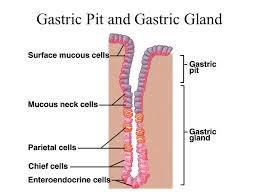 Mucus Intrinsic factor |
front 44 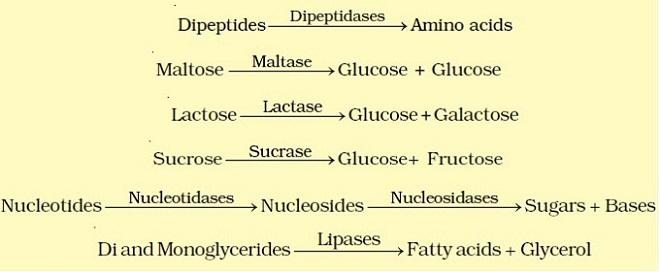
| back 44 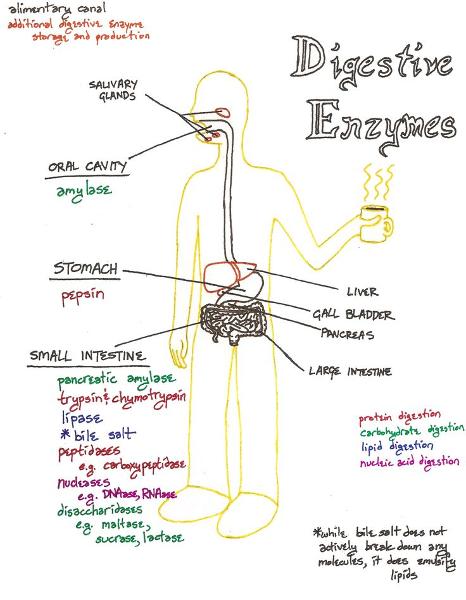 Regulation of Gastric Secretions |
front 45 O2 inhaled from environment and travels to alveoli of lungs. O2 is loaded by simple diffusion into the pulmonary capillaries and binds to hemoglobin forming oxyhemoglobin. CO2 is chemically released from the bicarbonate ion and unloaded by simple diffusion from the capillary to the alveoli to be exhaled. O2 travels in blood to capillary bed and is released from hemoglobin unloaded by simple diffusion from the blood to the tissue. CO2 is loaded by simple diffusion into the blood from the tissue and carried in the blood as a bicarbonate ion back to the lungs. | back 45 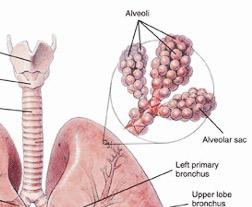 The alveoli are the sites of the vital process of gas exchange between the air and the blood. |
front 46 __________________ begin breaking down proteins, but the stomach is not well-adapted to absorb digestive products. | back 46 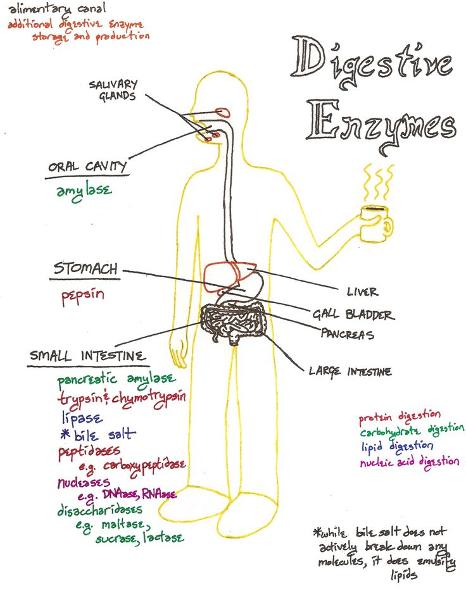 Gastric enzymes |
front 47 Some water Certain salts Certain lipid-soluble drugs Alcohol | back 47 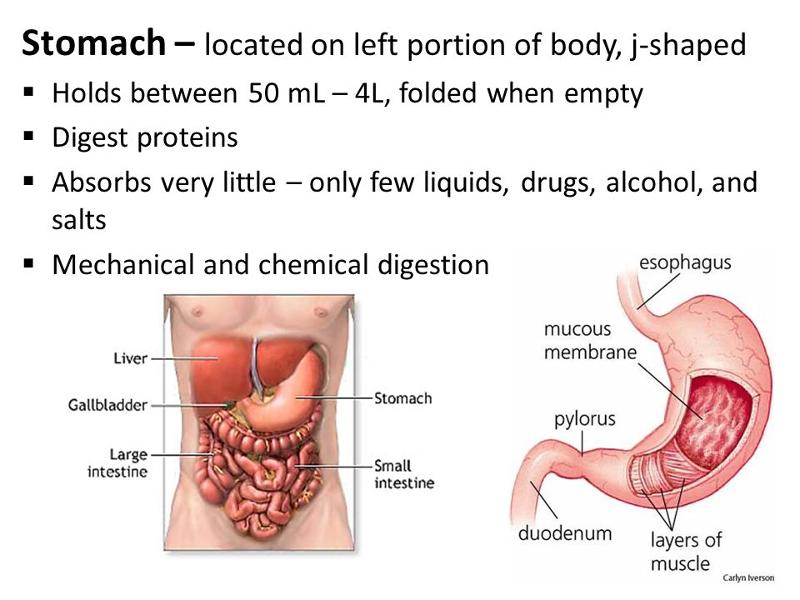 The stomach does absorb |
front 48 ALIMENTARY CANAL HAS WHAT TWO MAJOR FUNCTIONS? | back 48 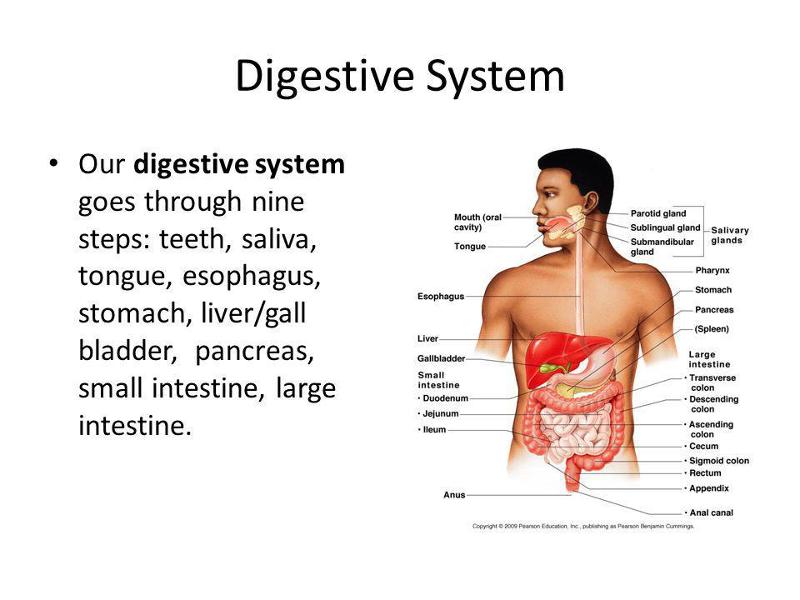
|
front 49 MECHANICAL BREAKDOWN DUE TO CHEWING (MASTICATION) AND SALIVA ENZYMES DIGEST OF CARBS BC OF SALIVA PAROTID - SEROUS FLUID (DIG. ENZYME AMYLAZE) SUBMANDILAR - SEROUS / MUCUS SUBLINGUAL - MUCUS | back 49 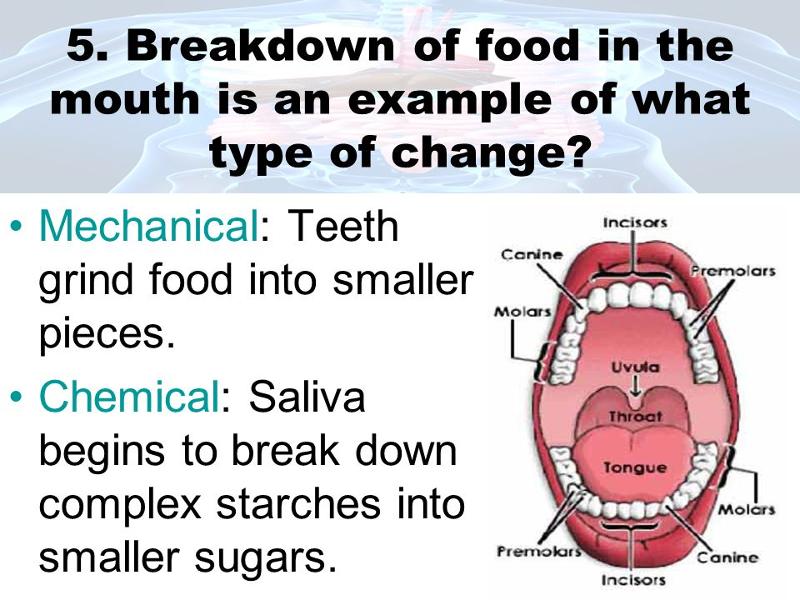 MOUTH |
front 50 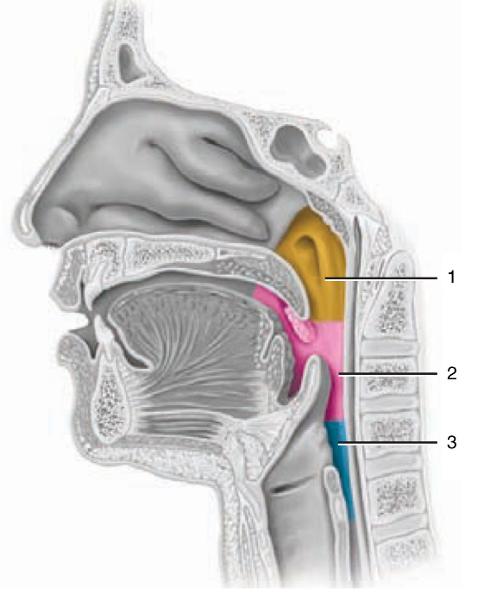 COMMON HALLWAY | back 50 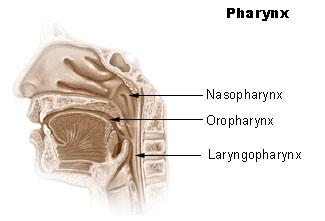 PHYRYNX |
front 51 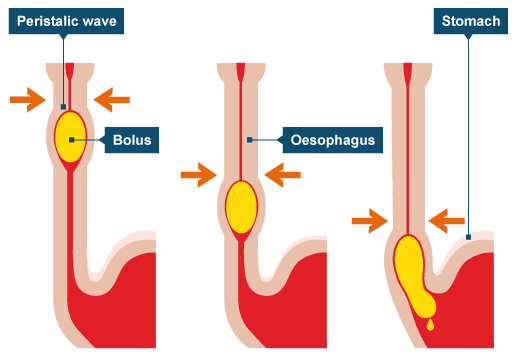 MOVES FOOD THROUGH STOMACH | back 51 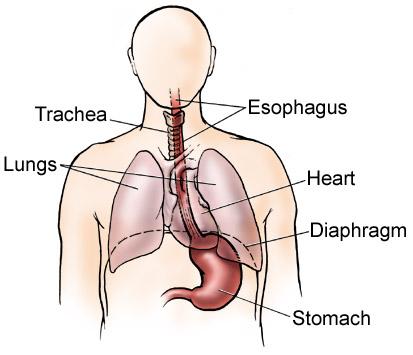 ESOPHAGUS |
front 52 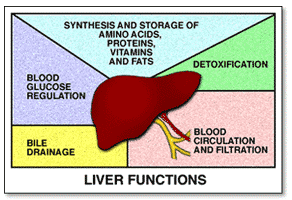 BILE- EMULSYFY FAT WORKS WITH GALLBLADDER STORAGE COMPARTMENT (FAT) LARGEST INTERNAL ORGAN- CROWN UPPER RIGHT QUAD . PRODUCES GYLCOGEN-->>GLUCOSE CONVERTS NON CARBS SYNTHESIZES FORMS UREA BREAKS DOWN RBC REMOVES ALCOHOL CONVERTS AMINO ACIDS Phagocytosis of worn out RBCs and foreign substances Removes toxins such as alcohol and certain drugs from the blood | back 52 LIVER( know 5 for test) |
front 53 WASHER(CHURNING ) HC ACIDS BREAKDOWN PROTIEN/ DIGESTION (FUNCTION) J SHAPED POUCH 25-30 CM. @ UPPER LEFT QUADRANT | back 53 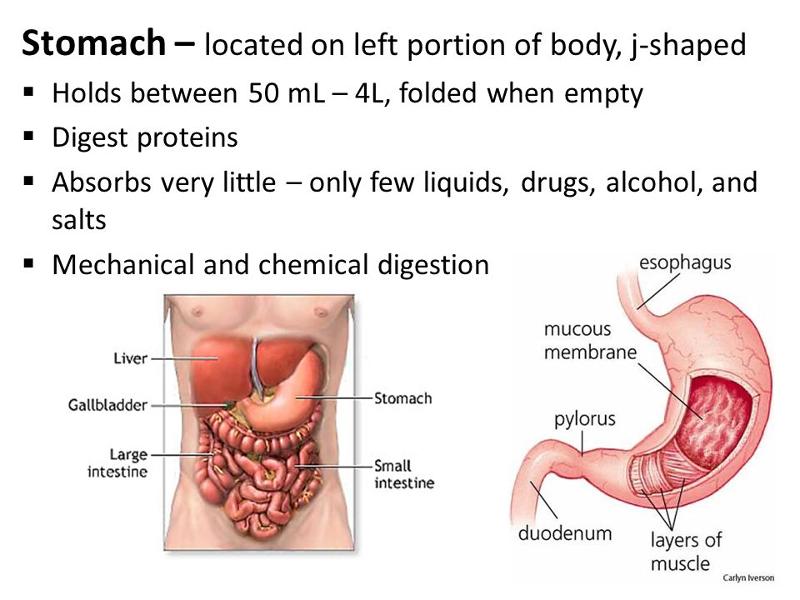 STOMACH |
front 54 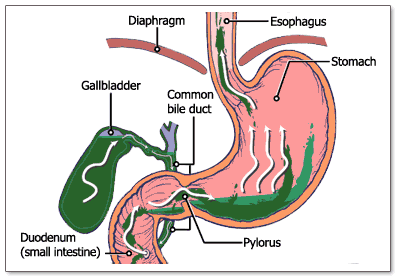 MIX AND BREAKDOWN NUTRITION ABSORBTION | back 54 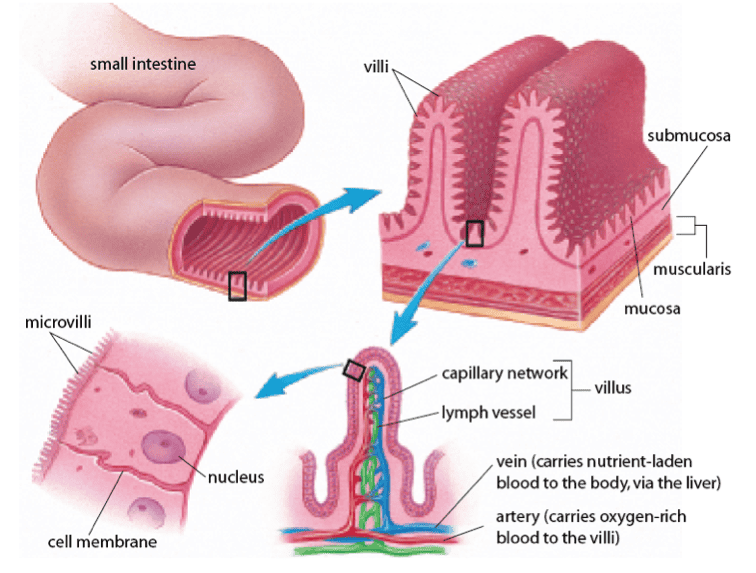 SML. INTESTINE |
front 55 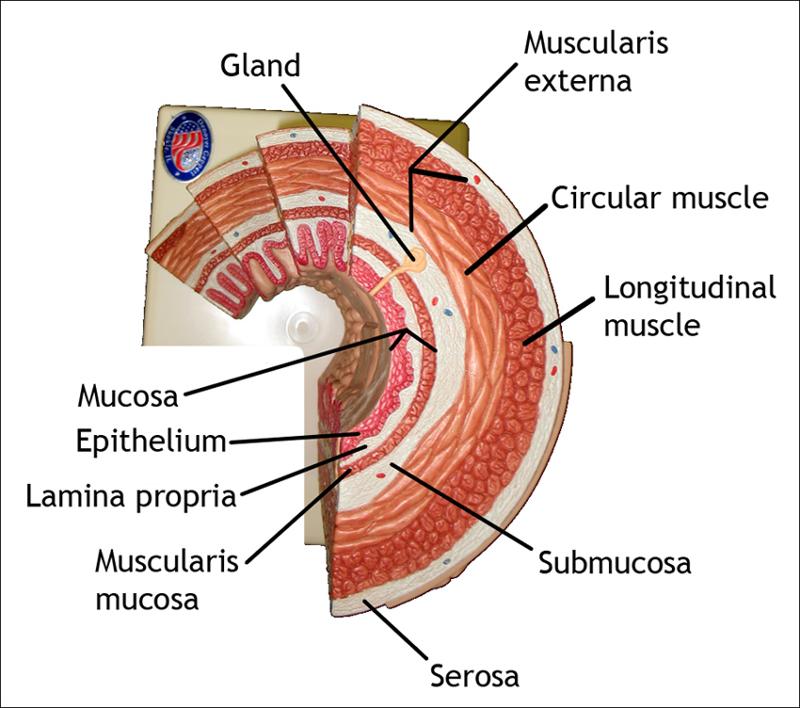 WHAT ARE THE LAYERS OF ALIMENTARY CANAL? | back 55 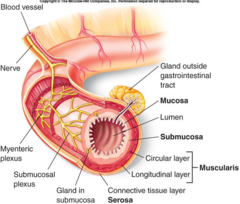 MUCOSA- CIRCULAR SUBMUCOSA - MUCULARIS CONTROLS SECRETION EXTERNA- LONG ( LAGITUTAL) SEROUS- OUTER ; EPITILIAL AND MUCUS |
front 56 WHAT ARE THE "INTRINSIC NERVE PLEXUSES ? | back 56 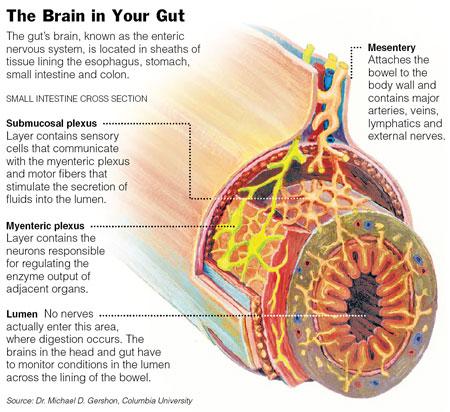
|
front 57 FINGER LIKE PROJECTION | back 57 VILLI |
front 58 DIGESTIVE SYSTEM: ACCESSORY ARE | back 58 TEETH TONGUE GALLBLADDER - CARODID |
front 59 DIGESTIONAL GLANDS | back 59 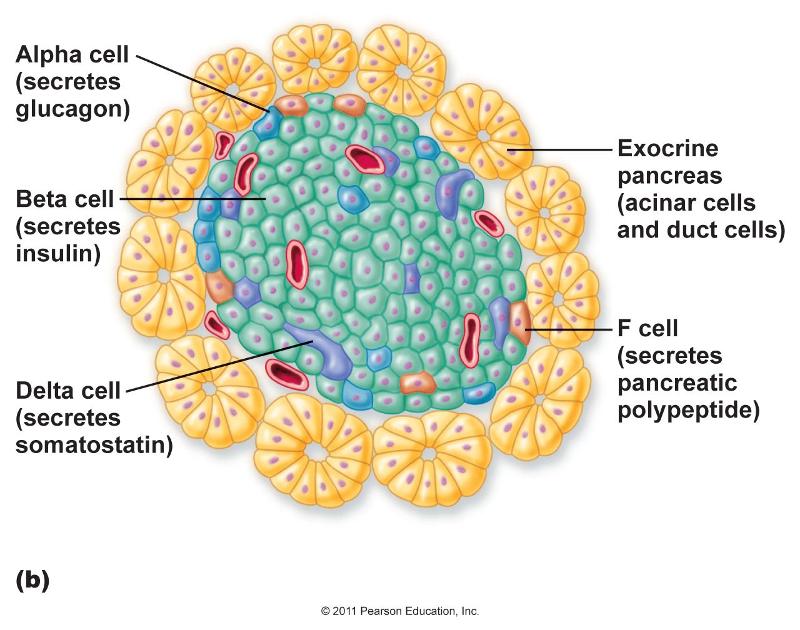 SALIVARY GLANDS LIVER PANCREAS (ENDOCRINE) *APLHA*BETA * DELTA |
front 60 FOOD | back 60 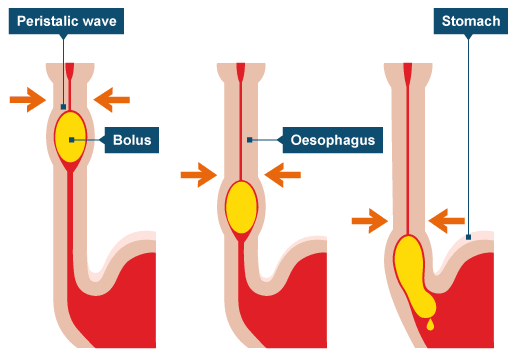 BOLLUS |
front 61 __________ GOBLET ------>>> MUCOUS GLANDS (PROTECT STOMACH WALLS) | back 61 MUCUS |
front 62 TOP OF STOMACH | back 62 FUNDUS |
front 63 RIDGES | back 63 RUGAE |
front 64 NERVE FIBER @ VAGUS NERVE RELEASE OF GASTRIC JUICE -> GASTRIC GLAND | back 64 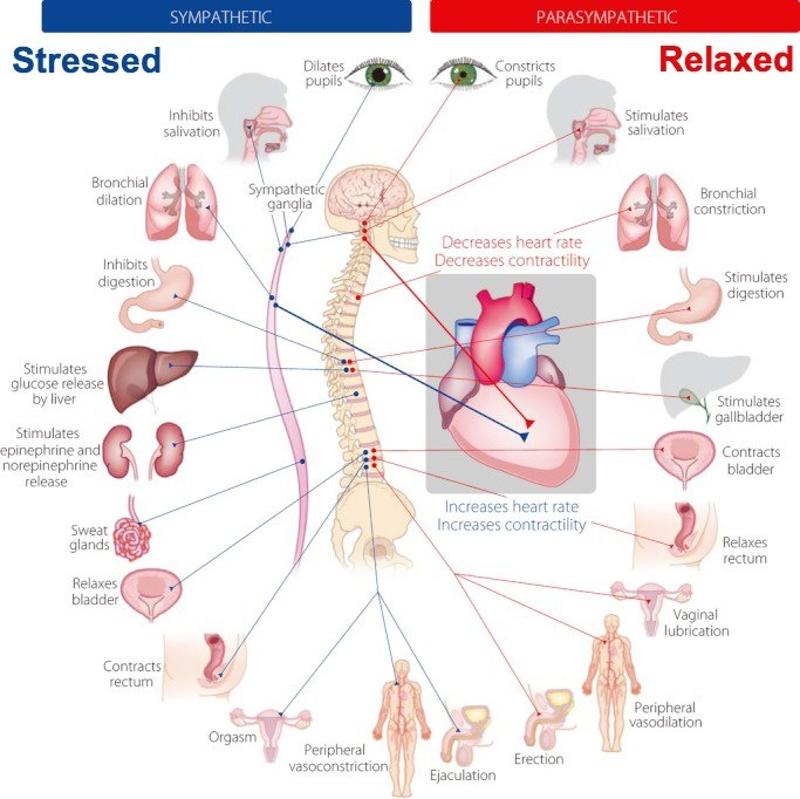 PARASYMPATIC |
front 65 IMPULSE RELEASE OF GASTRIN | back 65 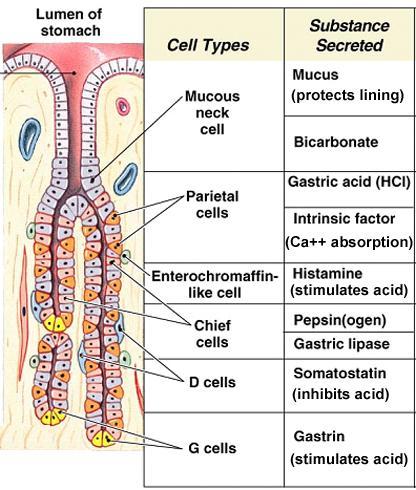 STIMULATES GASTRIC GLAND |
front 66 SEE FOOD - STIMULATES TASTE/ CELL | back 66 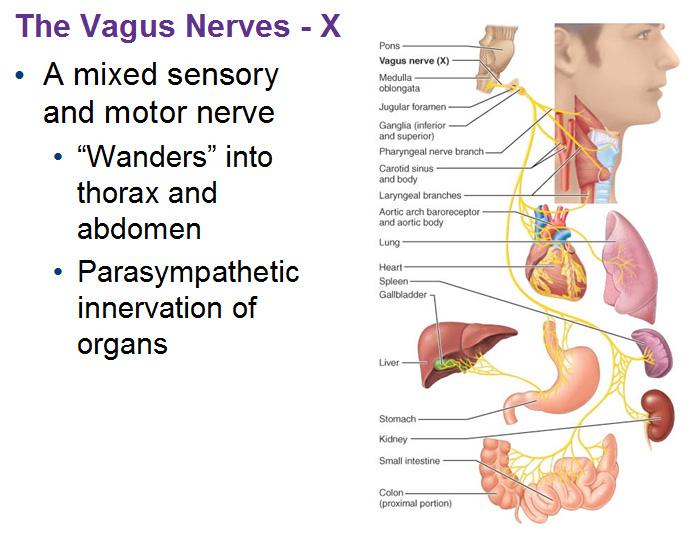 CEPHALIC (VAGUS NERVE) |
front 67 ACTIVATES STRETCH RECEPTORS FOOD CHEMICALS --->>> G CELLS (MEDULLA ---->>> VAGUS NERVE ) | back 67 GASTRIC |
front 68 LOW PH PARTIALLY : FOOD & FAT HYPERTONIC @ DUODENUM GASTRIC RELEASE AT BLOOD (STOP SIGNALS) | back 68 INTESTINAL |
front 69 ______________ DOESNT ABSORB OF DIGEST FOOD. ABSORBS SALTS, H2O, BOOZE, LIPID SOLUABLE DRUGS. | back 69 STOMACH |
front 70 DIGESTED FOOD | back 70 CHYME |
front 71 DUEL FUNCTION ENDOCRINE/ EXOCRINE RELEASES PANCREATIC JUICES BY DUODEM- (PANCREATIC DUCT TO DUODEM) FAT/PROTIEN / NUCLEIC ACID AMYLASE - SPLITS GLYCOGEN LIPASE- BREAK DOWN TRIGLYCENIDES | back 71 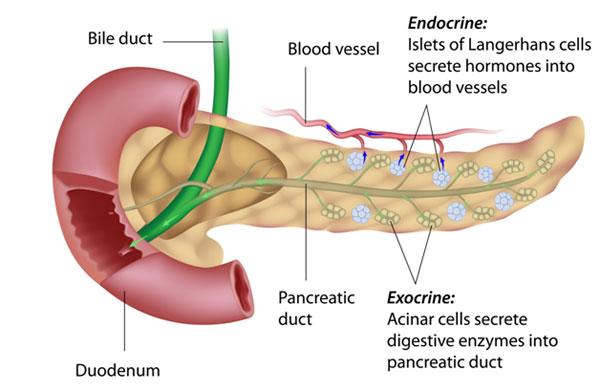 PANCREAS |
front 72 EMOLSIFER / BREAKS DOWN FAT | back 72 BILE |
front 73 SECRETION BY PANCREATIC JUICE STIMULATES BILE SALTS HEPO SPHINCTER TO RELAX STIMULATES GALLBLADDER VIA VAGUS NERVE | back 73 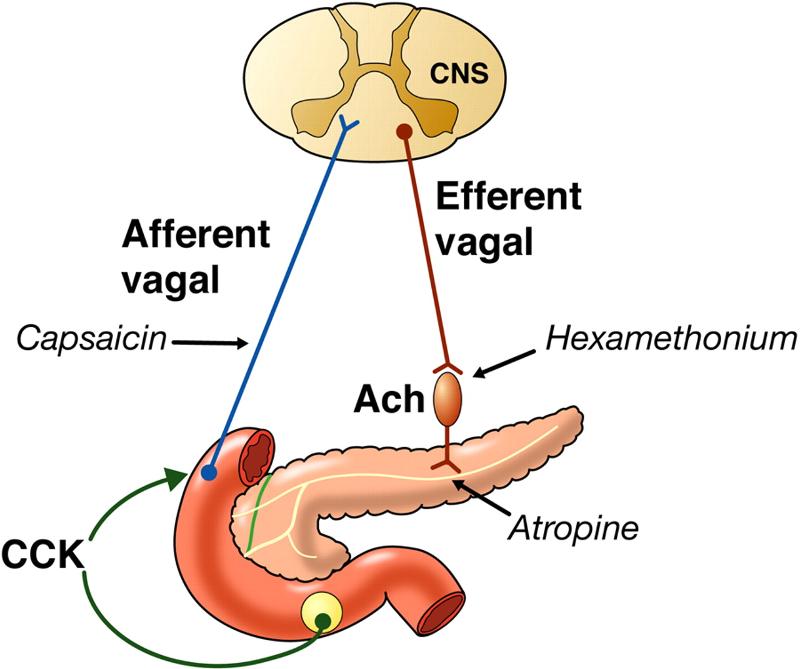 CCK |
front 74 WHICH NERVE STIMULATES GALLBLADDER MAKING BILESALTS AND PANCREATIC JUICE ? | back 74 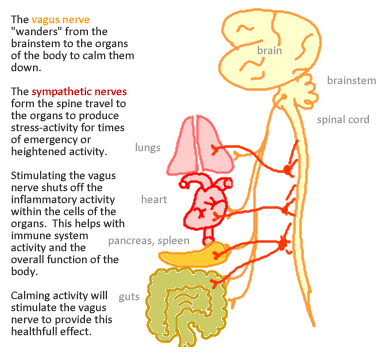 VAGUS |
front 75 CYSTIC AND HEPATIC DUCT FORM THE _________ DUCT | back 75 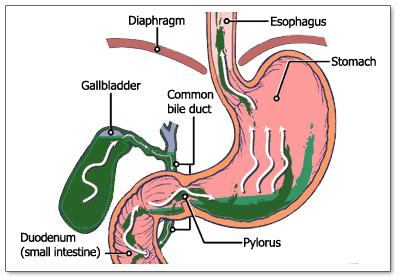 BILE |
front 76 GREEN/YELLOW H20 AND BILE SALTS ( DETERGANT) EMULSIFICATION AND TO BREAK DOWN FATS(DIGESTIVE ENZYME) SALTS- ABSORB FATTY ACID (CHOLESTROL) RECYCLED AND RETURNED TO LIVER Bile pigments Cholesterol Electrolytes | back 76 BILE (SALTS) |
front 77 Bile secretion is stimulated by____________________ | back 77 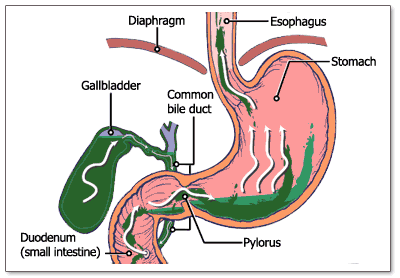 Bile salts in enterohepatic circulation, Secretin from intestinal cells exposed to HCl and fatty chyme |
front 78 Gallbladder contraction is stimulated by________________________ | back 78 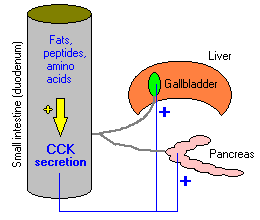 Cholecystokinin (CCK) from intestinal cells exposed to proteins and fat in chyme Vagal stimulation (minor stimulus) CCK also causes the hepatopancreatic sphincter to relax |
front 79 _________________is a tubular organ that extends from the pyloric sphincter to the beginning of the large intestine. It completes digestion of the nutrients in chyme, absorbs products of digestion, and transports the remaining residue to the large intestine. It consists of three parts that include. Duodenum. Jejunum. Ileum | back 79 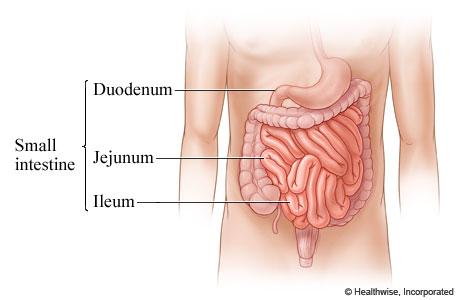 The small intestine |
front 80 In addition to mucous-secreting goblet cells, there are many specialized mucous-secreting glands (Brunner’s glands) that secrete a thick, alkaline mucus in response to certain stimuli Enzymes in the membranes of the microvilli include________ (7)? | back 80 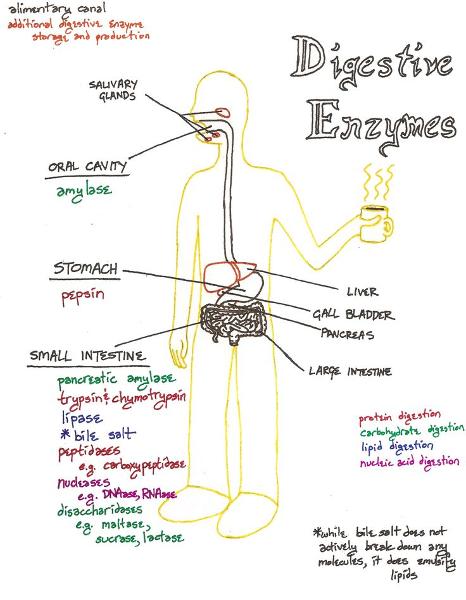
|
front 81 Regulation of small intestine secretion occurs by_______(3)? | back 81 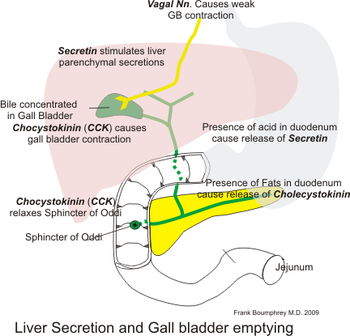
|
front 82 What are the steps to Absorption of the Small Intestine ? | back 82 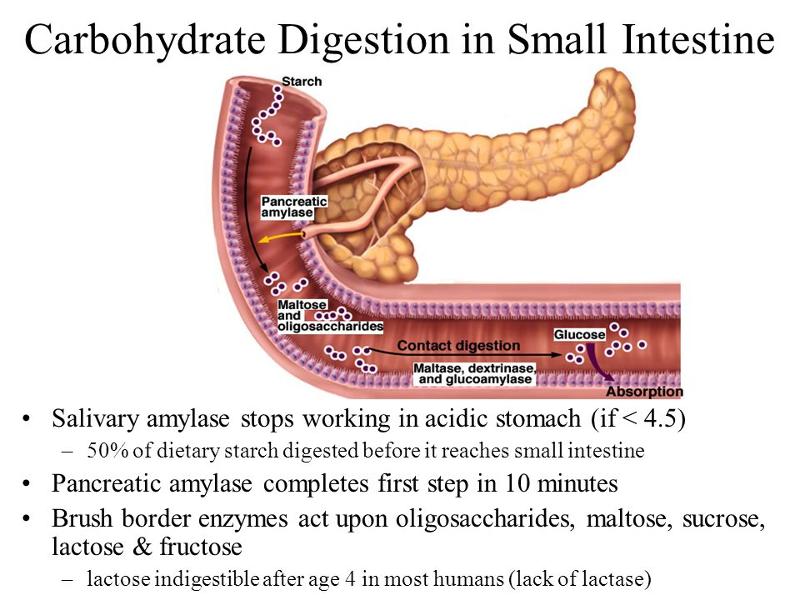
|
front 83 LARGE INTESTINE : Cecum, colon, rectum, anal, canal. UNIQUE FEATURES AND LAYERS ? | back 83 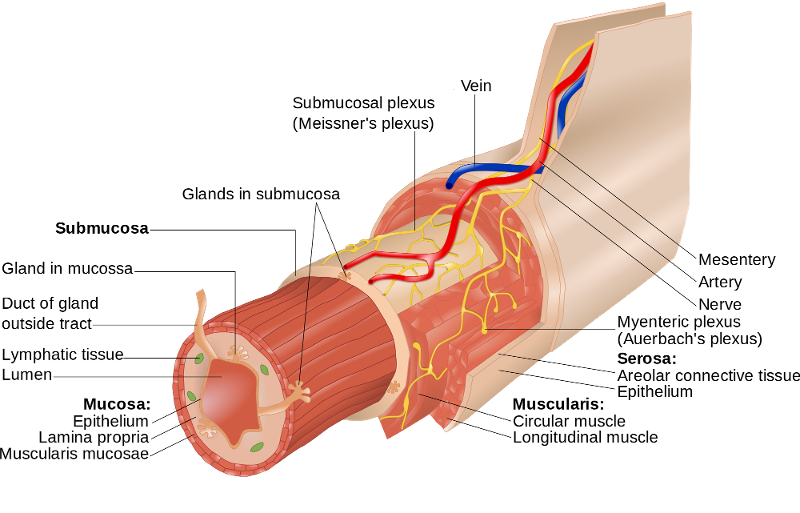 Teniae coli- Three bands of longitudinal smooth muscle in the muscularis Haustra - Pocketlike sacs caused by the tone of the teniae coli Epiploic appendages - Fat-filled pouches of visceral peritoneum |
front 84 Functions of the Large Intestine? | back 84 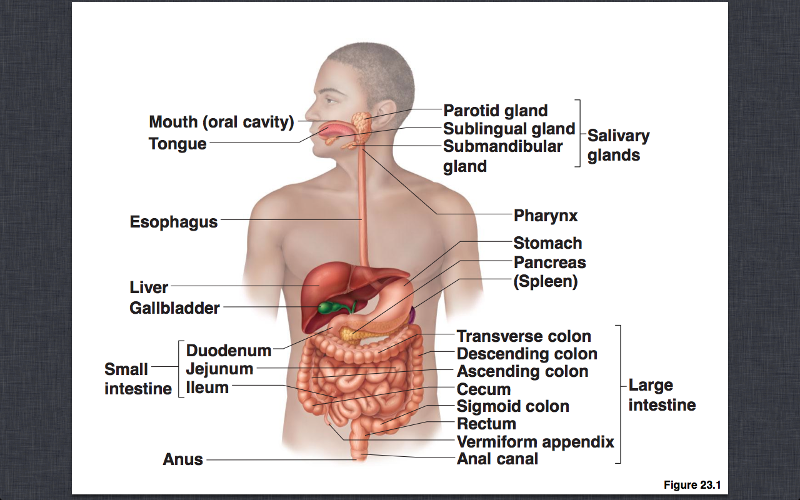
|
front 85 Movements of the Large Intestine? | back 85 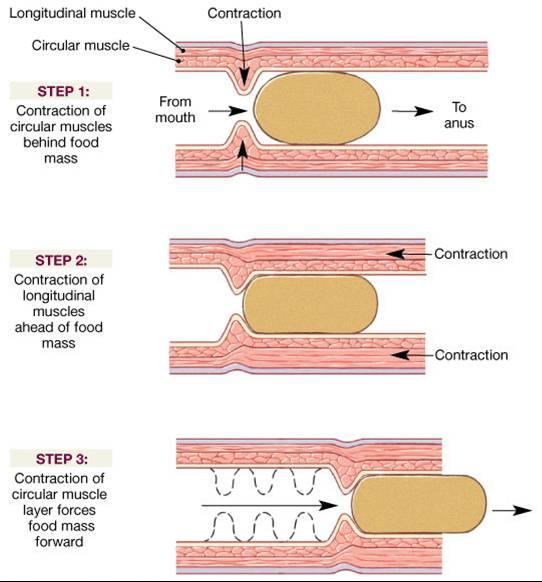
|
front 86 MOVEMENT OF FECAL MATTER | back 86 1) Distension, or stretch, of the rectal walls due to movement of feces into the rectum stimulates stretch receptors there. The receptors transmit signals along afferent fibers to spinal cord neurons. 2) A spinal reflex is initiated in which parasympathetic motor (efferent) fibers stimulate contraction of the rectal walls and relaxation of the internal ; anal sphincter 3) If it is convenient to defecate, voluntary motor neurons are inhibited, allowing the external anal sphincter to relax so that feces may pass. |
front 87 Feces is composed of materials not digested or absorbed, and include? | back 87 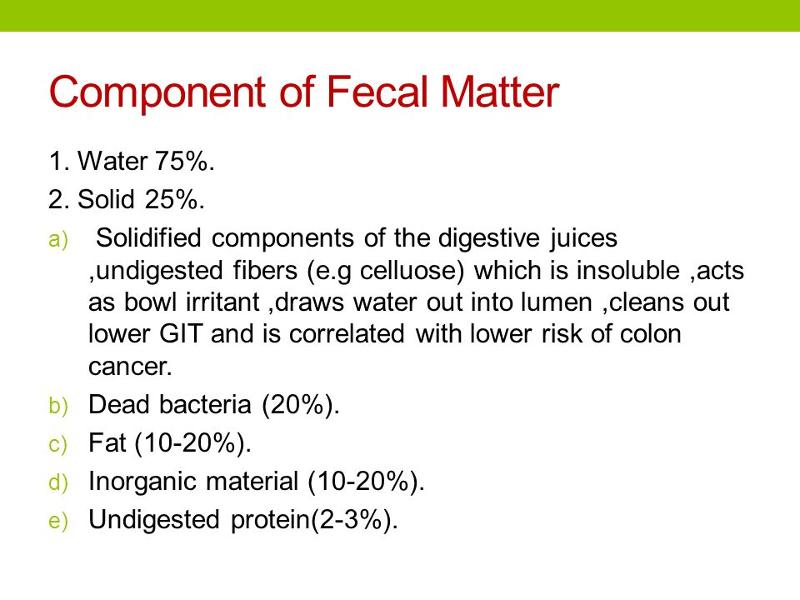
|
front 88 The pungent odor is produced by bacterial compounds including? | back 88
|
front 89 The respiratory system consists of passages that filter incoming air and transport it into the body, into the lungs, and to the many microscopic air sacs where gases are exchanged. Respiration is the process of exchanging gases between the atmosphere and body cells. Involves both the respiratory and the circulatory systems. Four processes that supply the body with O2 and dispose of CO2:_________(4) ? | back 89
|
front 90 RESPIRATION -> CIRCULATORY | back 90 RESPIRATION Pulmonary ventilation (breathing): movement of air into and out of the lung External respiration: O2 and CO2 exchange between the lungs and the blood (BOTH) CIRCULATORY: Transport: O2 and CO2 in the blood. Internal respiration: O2 and CO2 exchange between systemic blood vessels and tissues |
front 91 WHY DO WE BREATHE? | back 91
|
front 92 Organs of the Respiratory System? | back 92 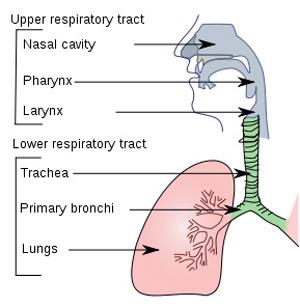 Respiratory zone: site of gas exchange –respiratory bronchioles, alveolar ducts, and alveoli Conducting zone: conduits to gas exchange sites Includes all other respiratory structures : Respiratory muscles: diaphragm and other muscles that promote ventilation |
front 93 Organs of the Respiratory System | back 93 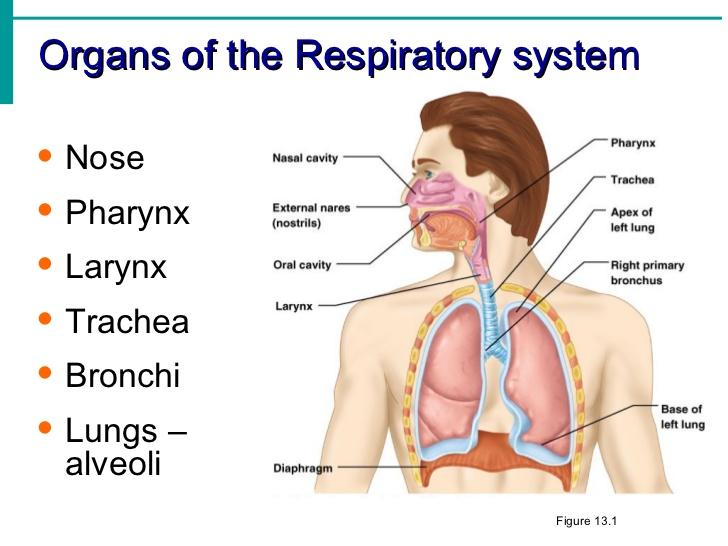 The organs of the respiratory system can be divided into two tracts: Upper respiratory tract: The nose, Nasal cavity, Sinuses, Pharynx Lower respiratory tract: Larynx, Trachea,Bronchial tree, Lungs |
front 94 ________ is an enlargement in the airway superior to the trachea and inferior to the pharynx, It is composed of a framework of muscles and cartilages bound by elastic tissue | back 94 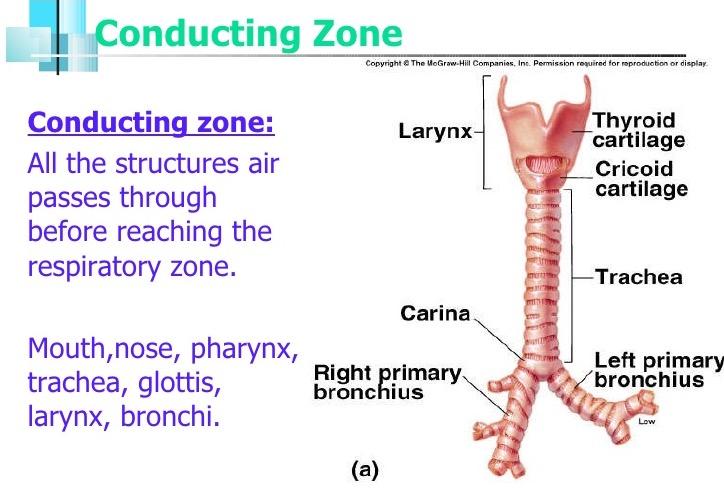 The larynx |
front 95 ______________ is a flexible cylindrical tube about 2.5 centimeters in diameter and 12.5 centimeters in lengthAs it extends downward anterior to the esophagus and into the thoracic cavity, it splits into the right and left primary bronchi | back 95 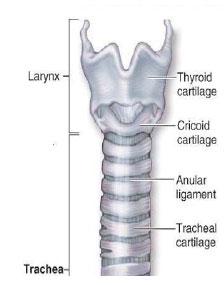 The trachea (windpipe) |
front 96 ___________________ consists of branched airways leading from the trachea to the microscopic air sacs in the lungs | back 96 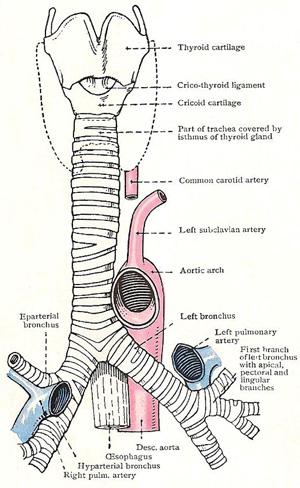 The bronchial tree |
front 97 The successive divisions of the branches from the trachea to the alveoli are? | back 97 1 .Right and left primary bronchi 2.Secondary or lobar bronchi 3.Tertiary or segmental bronchi 4.Intralobular bronchioles (12-14 generations) 5.Terminal bronchioles 6.Respiratory bronchioles 7.Alveolar ducts 8.Alveolar sacs 9.Alveoli |
front 98 _________________is similar to that of the trachea, but the C-shaped cartilaginous rings are replaced with cartilaginous plates where the bronchus enters the lung. These respiratory tubes become thinner and thinner, and the cell layers thin and change until the alveoli is reached. It is the alveoli that provides surface area for gas exchange is similar to that of the trachea, but the C-shaped cartilaginous rings are replaced with cartilaginous plates where the bronchus enters the lung These respiratory tubes become thinner and thinner, and the cell layers thin and change until the alveoli is reached It is the alveoli that provides surface area for gas exchange | back 98 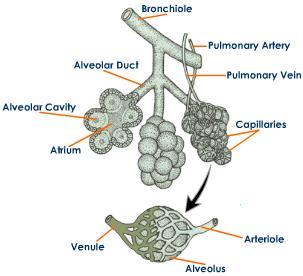 The structure of the bronchus |
front 99 WHAT : Surrounded by fine elastic fibers, Contain open pores that AND Connect adjacent alveoli, Allow air pressure throughout the lung to be equalized - > House alveolar macrophages that keep alveolar surfaces sterile | back 99 Alveoli |
front 100 ____________ are soft, spongy, cone-shaped organs in the thoracic cavity _________has three lobes and the left lung two lobes | back 100 LEFT AND RIGHT RIGHT |
front 101 WHAT ?? Occupy all of the thoracic cavity except the mediastinum, Root: site of vascular and bronchial attachments, AND Costal surface: anterior, lateral, and posterior surfaces? | back 101 LUNGS |
front 102 WHAT AM I DESCRIBING ?
| back 102 LUNGS |
front 103 _______ is smaller, separated into two lobes by an oblique fissure _______ has three lobes separated by oblique and horizontal fissures Bronchopulmonary segments (10 right, 8–9 left) _______are the smallest subdivisions; served by bronchioles and their branches | back 103 LEFT RIGHT LOBULES |
front 104 (low pressure, high volume)Pulmonary arteries deliver systemic venous blood
Pulmonary veins carry oxygenated blood from respiratory zones to the heart | back 104 BLOOD SUPPLY / PULMONARY CIRCULATION |
front 105 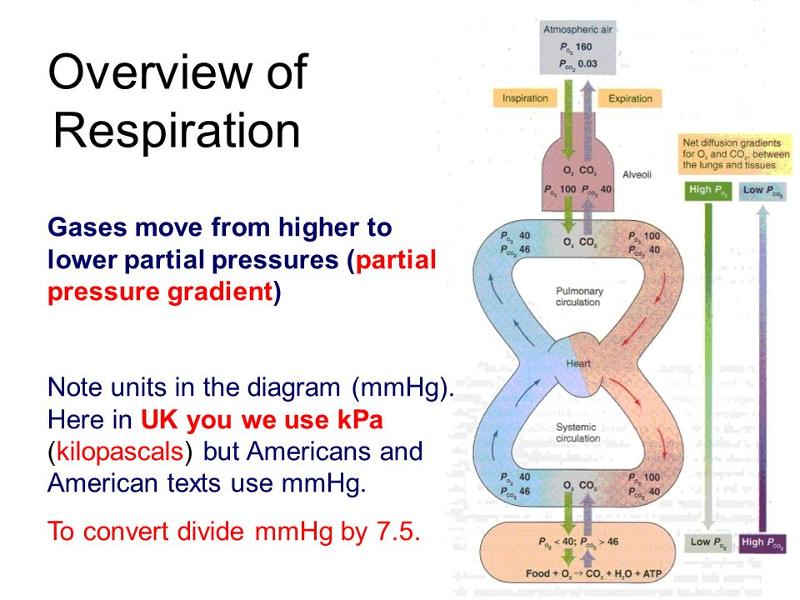 Systemic circulation (high pressure, low volume) Bronchial arteries provide oxygenated blood to lung tissue
Bronchial veins anastomose with pulmonary veins Pulmonary veins carry most venous blood back to the heart | back 105 BLOOD SUPPLY/ Systemic circulation (high pressure, low volume) |
front 106
Provides lubrication and surface tension | back 106 Pleurae |
front 107 ____________________ is the movement of air from outside of the body into the bronchial tree and the alveoli. The actions responsible for these air movements are inspiration, or inhalation, and expiration, or exhalation | back 107 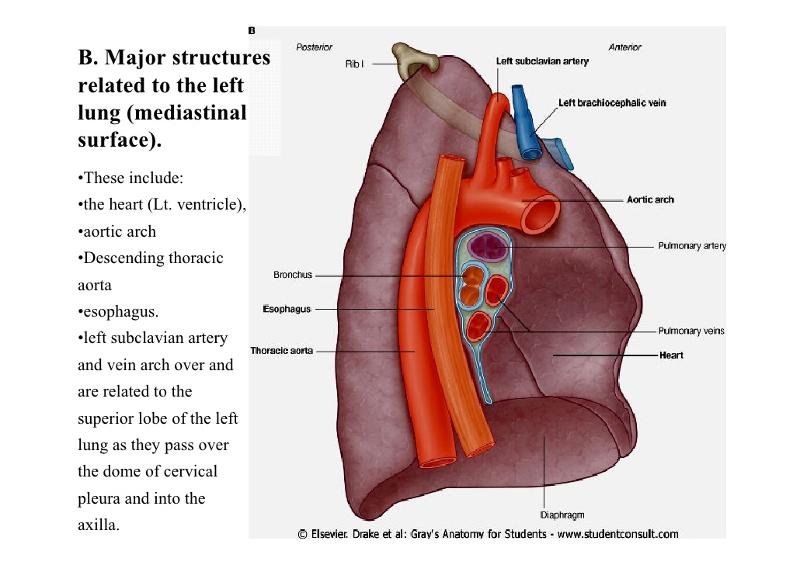 Breathing or ventilation |
front 108 _______ IS Atmospheric pressure (Patm) Pressure exerted by the air surrounding the body 760 mm Hg at sea level Respiratory pressures are described relative to Patm Negative respiratory pressure is less than Patm Positive respiratory pressure is greater than Patm Zero respiratory pressure = Patm | back 108 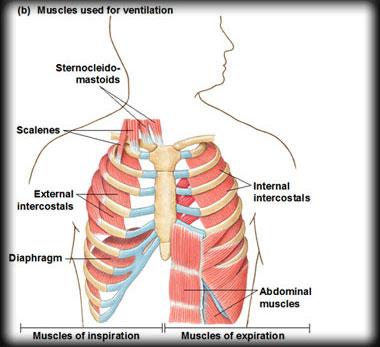 Pressure Relationships in the Thoracic Cavity |
front 109 _________________ IS (Ppul). Pressure in the alveoli, Fluctuates with breathing AND Always eventually equalizes with Patm. | back 109 Intrapulmonary (intra-alveolar) pressure |
front 110 _______ IS Pressure in the pleural cavity, Fluctuates with breathingVAND Always a negative pressure (<Patm and <Ppul) | back 110 Intrapleural pressure (Pip) |
front 111 Negative Pip is caused by opposing forces–Two inward forces promote lung collapse
One outward force tends to enlarge the lungs
| back 111 Intrapleural Pressure |
front 112 Atmospheric pressure due to the weight of the air is the force that moves air into the lungs. At sea level, atmospheric pressure is 760 millimeters of mercury (mm Hg)Moving the plunger of a syringe causes air to move in or out . Air movements in and out of the lungs occur in much the same way | back 112 Inspiration |
front 113
P 1 V 1 = P 2 V 2 | back 113 BOYLES LAW |
front 114 The forces responsible for normal resting expiration come from elastic recoil of lung tissues and from surface tension. These factors increase the intra-alveolar pressure about 1 mm Hg above atmospheric pressure forcing air out of the lungs | back 114 EXPIRATION |
front 115 CO2 + H2O = | back 115 CARBONIC ACID |
front 116 MUSCLES TO BREATHE ? | back 116 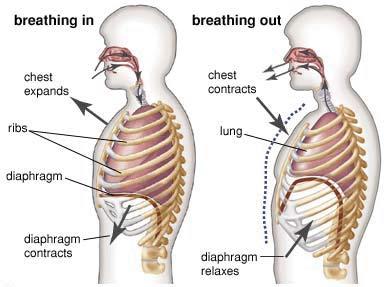 SCALENES, SCM, INTERCOSTAL (IN/EX) , DIAPHRAGM RIBS UP, DIAPHRAGM DOWN |
front 117 Alveolar ventilation rate (AVR): flow of gases into and out of the alveoli during a particular time. Dead space is normally constant, Rapid, shallow breathing decreases AVR | back 117 Alveolar Ventilation |
front 118 Used to assess a person’s respiratory status Tidal volume (TV) Inspiratory reserve volume (IRV) Expiratory reserve volume (ERV)–Residual volume (RV) | back 118 Respiratory Volumes |
front 119
| back 119 Respiratory Capacities |
front 120 Air movements other than breathing are called nonrespiratory movements. They clear air passages, as in coughing and sneezing, or express emotions, as in laughing and crying | back 120 Non-respiratory Air Movements |
front 121 Respiratory Disorders That Decrease Ventilation: _____________ | back 121 Bronchial Asthma and Emphysema |
front 122 Groups of neurons in the brainstem comprise the respiratory areas that control breathing . Impulses travel on cranial nerves and spinal nerves, causing inspiration and expiration. Respiratory areas also adjust the rate and depth of breathing. The respiratory areas include:
| back 122 Respiratory Areas |
front 123 A number of factors affect breathing rate and depth including:
Receptors involved include mechanoreceptors and central and peripheral chemoreceptors | back 123 FACTORS OF BREATHING |
front 124 Changes in blood pH, O2 and CO2 concentration stimulates chemoreceptors Motor impulses can travel from the respiratory center to the diaphragm and external intercostal muscles Contraction of these muscles causes the lungs to expand stimulating mechanoreceptors in the lungs Inhibitory impulses from the mechanoreceptors back to the respiratory center prevent overinflation of the lungs | back 124 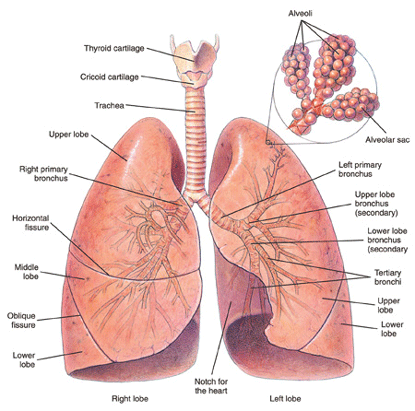 Factors Affecting Breathing |
front 125 The alveoli are the sites of the vital process of gas exchange between the air and the blood. “ Describe the exchange of O2 and CO2 in the lungs and body tissues. Include the names of the body structures needed, and how O2 & CO2 are transported in the blood.” O2 inhaled from environment and travels to alveoli of lungs. O2 is loaded by simple diffusion into the pulmonary capillaries and binds to hemoglobin forming oxyhemoglobin. CO2 is chemically released from the bicarbonate ion and unloaded by simple diffusion from the capillary to the alveoli to be exhaled. O2 travels in blood to capillary bed and is released from hemoglobin unloaded by simple diffusion from the blood to the tissue. CO2 is loaded by simple diffusion into the blood from the tissue and carried in the blood as a bicarbonate ion back to the lungs. | back 125 Alveolar Gas Exchanges |
front 126 Part of the wall of an alveolus is made up of cells (type II cells) that secrete pulmonary surfactant . The bulk of the wall of an alveolus consists of a layer of simple squamous epithelium (type I cells) .Both of these layers make up the respiratory membrane through which gas exchange takes place | back 126 Respiratory Membrane |
front 127 Molecules diffuse from regions where they are in higher concentration toward regions where they are in lower concentration. It is important to know the concentration gradient, In respiration, think in terms of gas partial pressures. Gases diffuse from areas of higher partial pressure to areas of lower partial pressure, The respiratory membrane is normally thin and gas exchange is rapid Increased diffusion is favored with more surface area, shorter distance, greater solubility of gases and a steeper partial pressure gradient Decreased diffusion occurs from decreased surface area | back 127 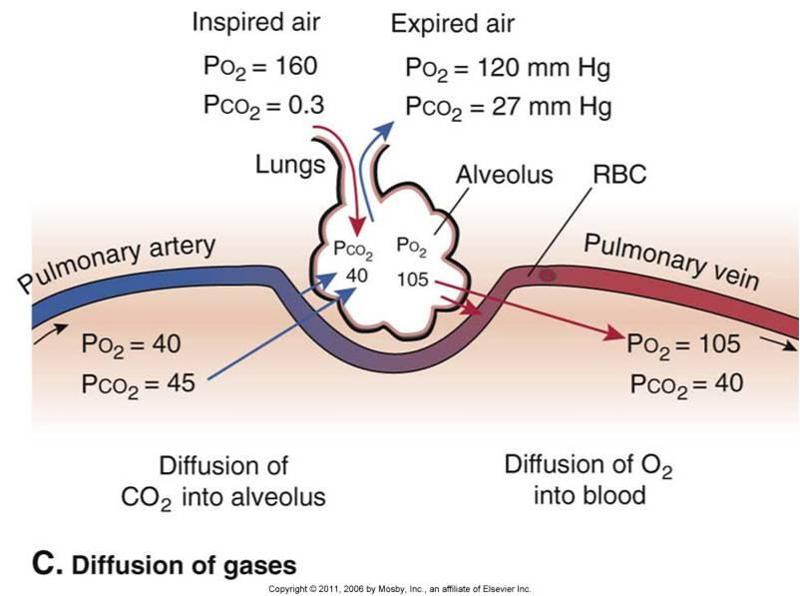 Diffusion Through the Respiratory Membrane |
front 128 Air and food are routed into the proper channels by the ________. | back 128 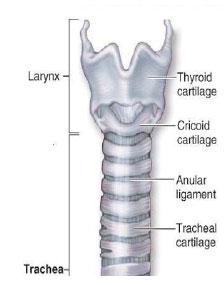 larynx |
front 129 The loudness of a personʹs voice depends on ________. | back 129 the force with which air rushes across the vocal folds |
front 130 The walls of the alveoli are composed of two types of cells, type I and type II. The function of type II is ________. | back 130 to secrete surfactant |
front 131 After the segmental (tertiary) bronchus, the next smaller branch of the respiratory passageway is (are) the ________. | back 131 terminal bronchioles |
front 132 _________ O2 and CO2 between the lungs and the body cells. As the gases enter the blood, they dissolve in the plasma or chemically combine with other atoms or molecules | back 132 BLOOD TRANSPORTS Gas Transport |
front 133 Almost all oxygen carried in the blood is bound to the protein hemoglobin in the form of oxyhemoglobin. Chemical bonds between O2 and hemoglobin are relatively unstable. Oxyhemoglobin releases O2 into the body cells. About 75% of the O2 remains bound to hemoglobin in the venous blood ensuring safe CO2 levels and thereby pH | back 133 Oxygen Transport |
front 134 Blood flowing through capillaries gains CO2 because the tissues have a high Pco2. The CO2 is transported to the lungs in one of three forms. WHAT ARE THEY ? | back 134 As CO2 dissolved in plasma As part of a compound with hemoglobin As part of a bicarbonate ion |
front 135 WHERE ? –HCO3– moves into the RBCs and binds with H+ to form H2CO3 –H2CO3 is split by carbonic anhydrase into CO2 and water –CO2 diffuses into the alveoli | back 135 In pulmonary capillaries Transport and Exchange of CO2 |
front 136 –Exemplified by chronic bronchitis and emphysema –Irreversible decrease in the ability to force air out of the lungs –Other common features
| back 136 Chronic obstructive pulmonary disease (COPD) |
front 137 –Characterized by coughing, dyspnea, wheezing, and chest tightness –Active inflammation of the airways precedes bronchospasms –Airway inflammation is an immune response caused by release of interleukins, production of IgE, and recruitment of inflammatory cells –Airways thickened with inflammatory exudate magnify the effect of bronchospasms | back 137 Asthma |
front 138 –Infectious disease caused by the bacterium Mycobacterium tuberculosis –Symptoms include fever, night sweats, weight loss, a racking cough, and spitting up blood –Treatment entails a 12-month course of antibiotics | back 138 Tuberculosis |
front 139 –Leading cause of cancer deaths in North America –90% of all cases are the result of smoking –The three most common types 1.Squamous cell carcinoma (20–40% of cases) in bronchial epithelium 2.Adenocarcinoma (~40% of cases) originates in peripheral lung areas 3.Small cell carcinoma (~20% of cases) contains lymphocyte-like cells that originate in the primary bronchi and subsequently metastasize | back 139 Lung cancer |
front 140 The smallest macroscopic subdivision of the lung is the ________. | back 140 lobule |
front 141 The pleurae are vital to the integrity of the lungs because ________. | back 141 they produce a lubricating serous secretion, allowing the lungs to glide over the thorax wall during breathing |
front 142 Intrapulmonary pressure is the ________. | back 142 pressure within the alveoli of the lungs |
front 143 A fluid secreted into the small intestine during digestion that contains cholesterol, emulsification agents, and phospholipids is ________. | back 143 BILE |
front 144 Select the statement that is true concerning primary teeth. A) There are 27 primary teeth, and the molars are permanent. B) There are 24 primary teeth, and no new primary teeth appear after 13 months. C) There are 20 primary teeth, and by 24 months of age most children have all 20. D) There are 32 primary teeth, and most children lose these teeth due to decay because they are never very strong. | back 144 20, 24 MONTH 20 |
front 145 Which of the following correctly describes mechanisms of CO2 transport?
| back 145 attached to the heme part of hemoglobin |
front 146 How is the bulk of carbon dioxide carried in blood? A) chemically combined with the amino acids of hemoglobin as carbaminohemoglobin in the red blood cells B) as the bicarbonate ion in the plasma after first entering the red blood cells C) as carbonic acid in the plasma D) chemically combined with the heme portion of hemoglobin | back 146 as the bicarbonate ion in the plasma after first entering the red blood cells |
front 147 The mechanical and chemical receptors that control digestive activity are located ________. A) in the glandular tissue that lines the organ lumen B) in the walls of the tract organs C) in the pons and medulla D) only in the esophagus because this is the only part of the tract that needs to change to accommodate food passage | back 147 in the walls of the tract organs |
front 148 Complete the following statement using the choices below. Air moves out of the lungs when the pressure inside the lungs is
| back 148 greater than the pressure in the atmosphere. |
front 149
When we ingest large molecules such as lipids, carbohydrates,
and proteins, they must undergo catabolic reactions whereby enzymes
split these molecules. This series of reactions is called:
| back 149 chemical digestion |
front 150 Which vitamin requires intrinsic factor in order to be absorbed?
| back 150 B12 |
front 151 The most powerful respiratory stimulus for breathing in a healthy person is ________. A) loss of oxygen in tissues B) increase of carbon dioxide C) pH (acidosis) D) pH (alkalosis) | back 151 increase of carbon dioxide |
front 152 The statement, "in a mixture of gases, the total pressure is the sum of the individual partial pressures of gases in the mixture" paraphrases ________. A) Henry's law B) Boyle's law C) Dalton's law D) Charles' law | back 152 Dalton's law |
front 153 The function of the hepatic portal circulation is to ________. A) carry toxins to the venous system for disposal through the urinary tract B) collect absorbed nutrients for metabolic processing or storage C) distribute hormones D) return glucose to the general circulation when blood sugar is low | back 153 collect absorbed nutrients for metabolic processing or storage |
front 154 Peristaltic waves are ________. A) segmental regions of the gastrointestinal tract B) churning movements of the gastrointestinal tract C) pendular movements of the gastrointestinal tract D) waves of muscular contractions that propel contents from one point to another | back 154 waves of muscular contractions that propel contents from one point to another |
front 155 Select the correct statement about oxygen transport in blood:
| back 155 A 50% oxygen saturation level of blood returning to the lungs might indicate an activity level higher than normal. |
front 156 ___ is the most common lethal genetic disease in the U.S | back 156 CYSTIC FIBROSIS |
front 157 A baby is admitted to the hospital with a history of projectile vomiting after each feeding. On examination, it is found that the sphincter controlling food passage from the stomach to the duodenum is thickened and does not open readily. Because of the babyʹs loss of gastric juice, his blood probably indicates ________. | back 157 alkalosis |
front 158 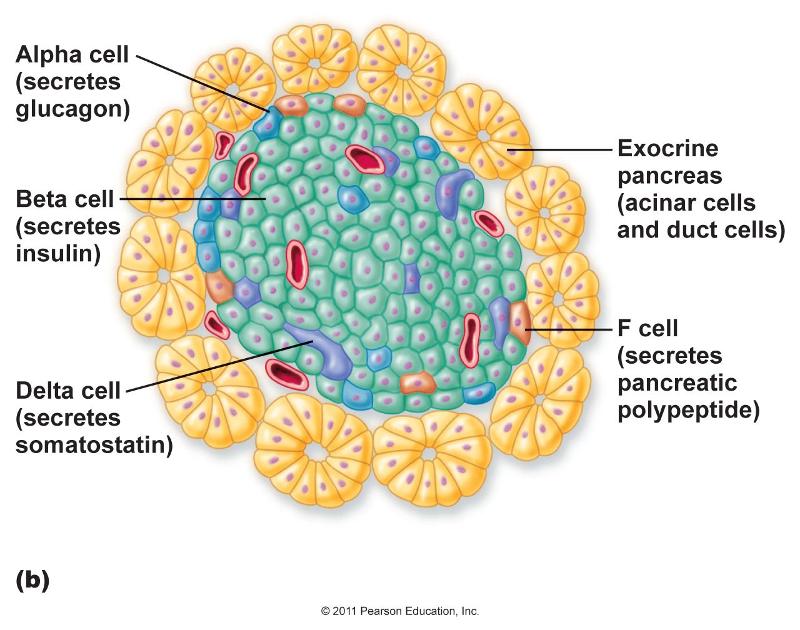 There are some 20 known pathogens found in the large intestine; our Ig ________ antibody-mediated response restricts them from going beyond the mucosa and causing problems. | back 158 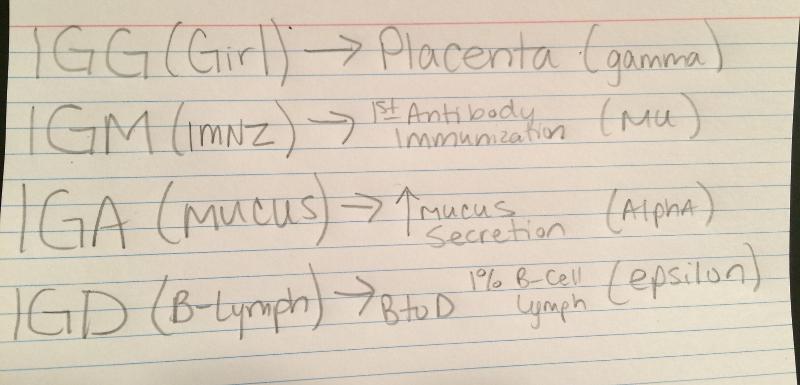 IGA |
front 159 Parietal cells of the stomach produce | back 159 HYDROCLORIC ACID |
front 160 The terminal portion of the small intestine is known as the small intestine is known as the ______? | back 160 Ileum |
front 161 Which respiratory-associated muscles would contract if you were to blow up a balloon? A) diaphragm would contract, external intercostals would relax B) internal intercostals and abdominal muscles would contract C) external intercostals would contract and diaphragm would relax D) diaphragm contracts, internal intercostals would relax | back 161 internal intercostals and abdominal muscles would contract |
front 162
Catabolism involves processes that: | back 162 break down complex structures to simpler ones |
front 163 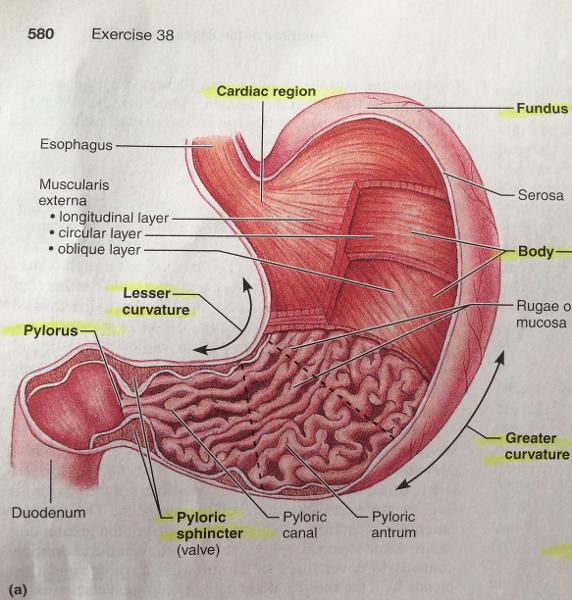 Know parts of stomach | back 163 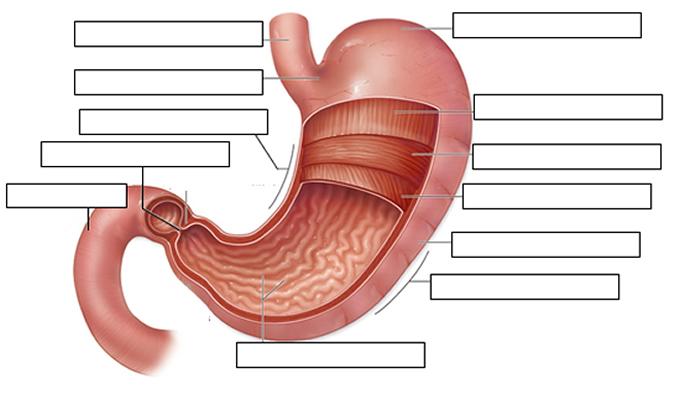 |
front 164 The solutes contained in saliva include ________. | back 164 electrolytes, digestive enzyme, mucin, lysozyme, wastes, and IgA |
front 165 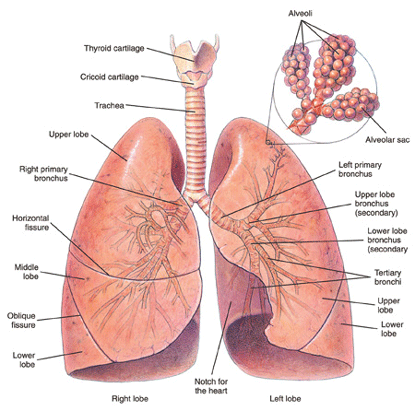 Which of the following is not found on the right lung? | back 165
CARDIAC
NOTCH; |
front 166
Gastrin, histamine, endorphins, serotonin, cholecystokinin,
and somatostatin are hormones or paracrines that are released
directly into the lamina propria. Which of the following cell types
synthesize and secrete these products? | back 166 enteroendocrine cells |
front 167
Paneth cells ________. | back 167 secrete enzymes that kill bacteria |
front 168
Digestion of which of the following would be affected the most
if the liver were severely damaged? | back 168 lipids |
front 169
Gastrin is a digestive hormone that is responsible for the
stimulation of acid secretions in the stomach. These secretions are
stimulated by the presence of ________. | back 169 protein and peptide fragments |
front 170
The capillaries that nourish the epithelium and absorb
digested nutrients lie in the ________. | back 170 lamina propria |
front 171
If an incision has to be made in the small intestine to remove
an obstruction, the first layer of tissue to be cut is the
________. | back 171 serosa |
front 172
Which of the following is an essential role played by large
intestine bacteria? | back 172 synthesize vitamin K and B-complex vitamins |
front 173
Which of these is not part of the ? | back 173 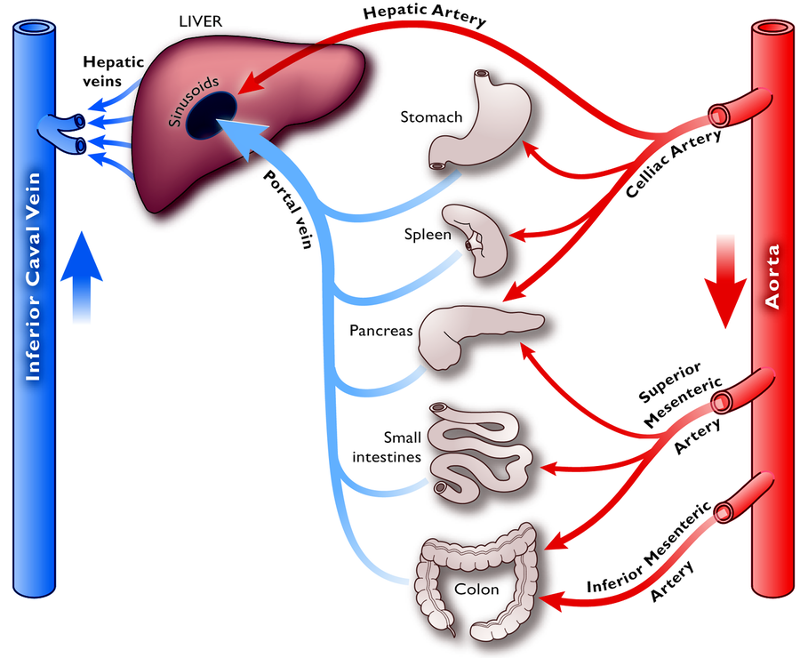 inferior vena cava |
front 174
Hormones or pancreas that inhibit gastric secretion include
________. | back 174 secretin |
front 175
The ducts that deliver bile and pancreatic juice from the
liver and pancreas, respectively, unite to form the
________. | back 175 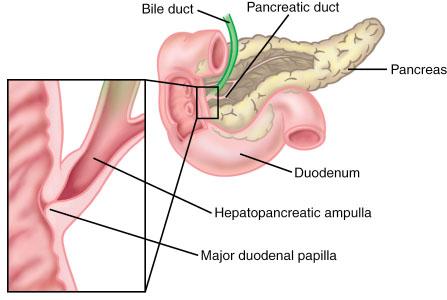 hepatopancreatic ampulla |
front 176
Which hormone causes an increased output of enzyme-rich
pancreatic juice and stimulates gallbladder contraction to release
bile? | back 176 cholecystokinin |
front 177
Hepatocytes do not ________. | back 177 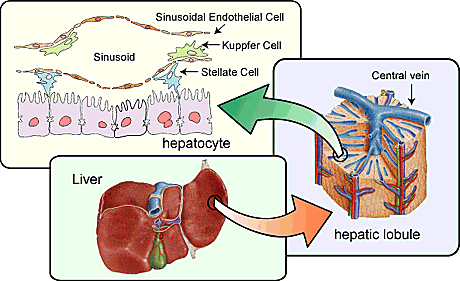 produce digestive enzymes |
front 178 You have just eaten french fries, buttered toast, ice cream, and whole milk. Which of the following glands would be active in helping you to digest this food? | back 178 THE PANCREAS |
front 179 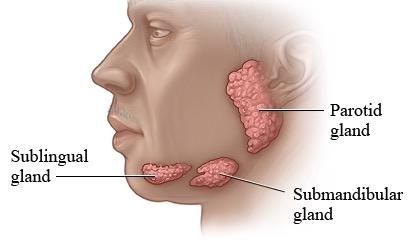 | back 179 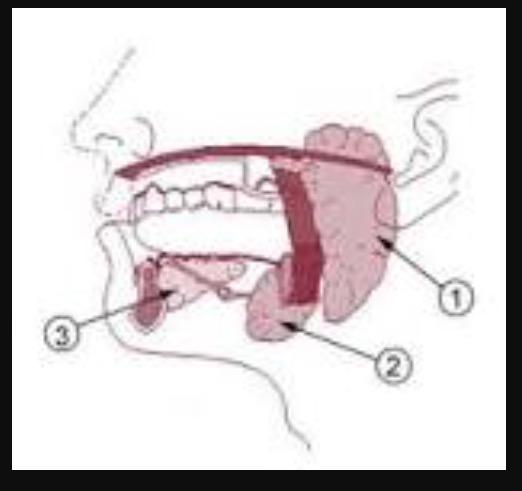 |
front 180 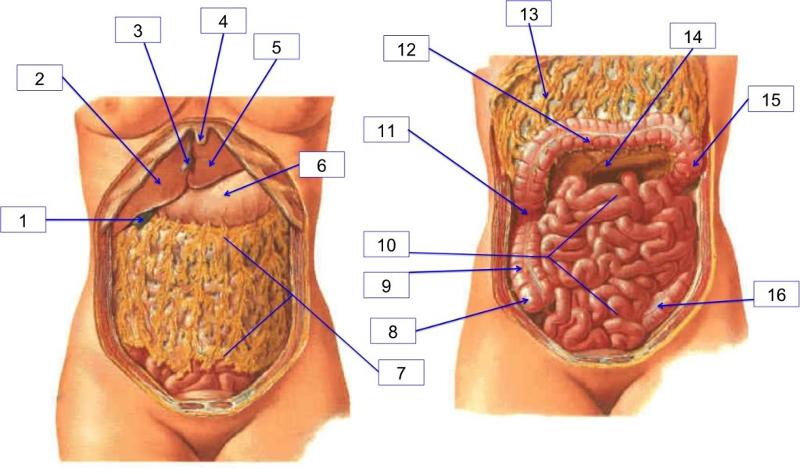 | back 180 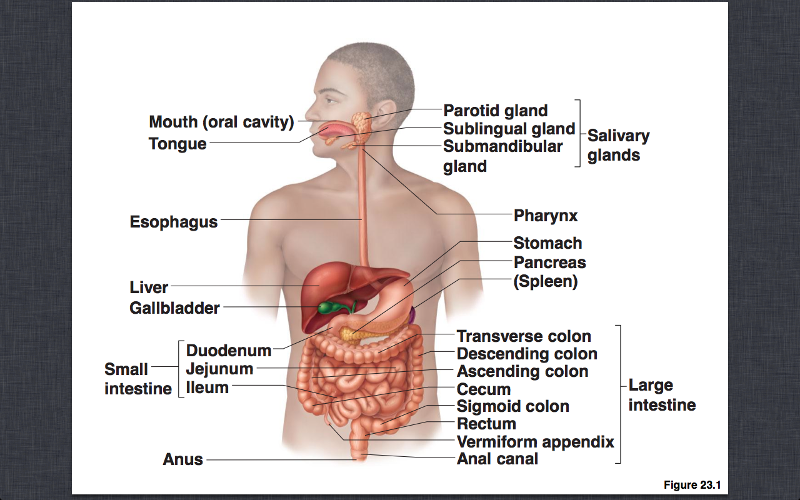 |
front 181 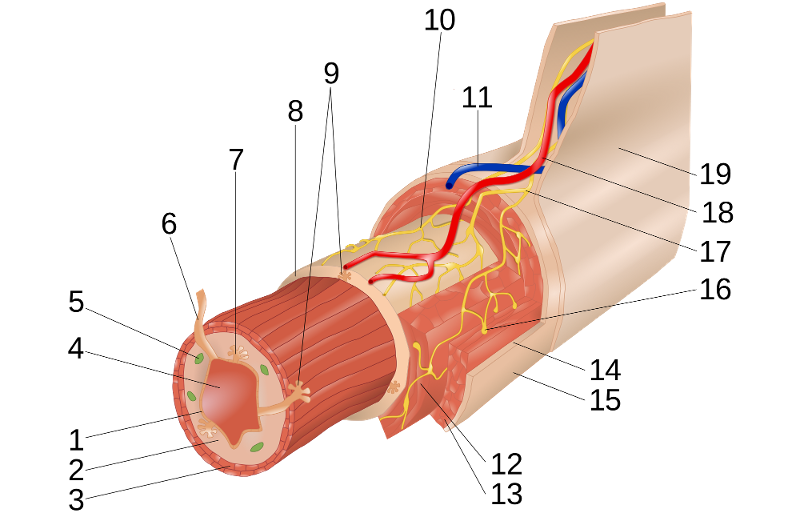 Know the layers of the alimentary canal, starting with the outermost layer | back 181 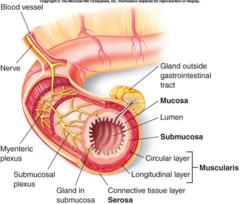 a. Serosa, Longitudinal Muscle, Circular Muscle, Submucosa, Mucosa |
front 182 Where is salivary amylase released from? | back 182 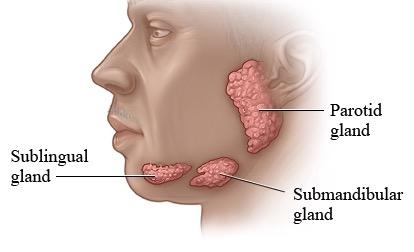 a. Parotid gland |
front 183 What does salivary amylase digest? | back 183
a.
Carbohydrates |
front 184 Gastrin: What is it for? | back 184 a. Hormone secreted by the stomach that regulates gastric juice secretion by stimulating HCl production. |
front 185 Secretion of Cholecystokinin(CCK) from the intestinal wall is stimulated in the presence of what foods? | back 185 a. Fatty foods and protein |
front 186 Secretin: inhibits | back 186 inhibits the action of pancreatic lipase. |
front 187 Peristalsis vs. Segmentation | back 187
a. Peristalsis-
occurs in stomach |
front 188 What is the function of the large intestine? | back 188
a. Absorption of
water and electrolytes |
front 189 What is the part of the digestive tract with the most lymph nodules and bacteria? | back 189 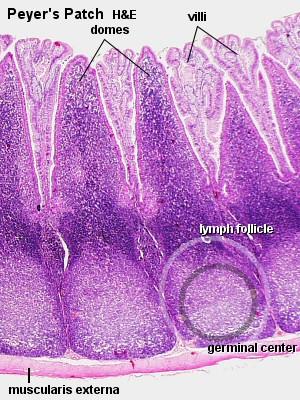 a. Ileum |
front 190 What is the greater omentum formed out of? | back 190 a. Peritoneal membrane |
front 191 If the liver is damaged , what is going to be harder to digest? | back 191 a. Lipids |
front 192 Air moves out of the lungs when the pressure inside the lungs is ____? | back 192 a. Increased |
front 193 Peristaltic waves; where are they starting? | back 193 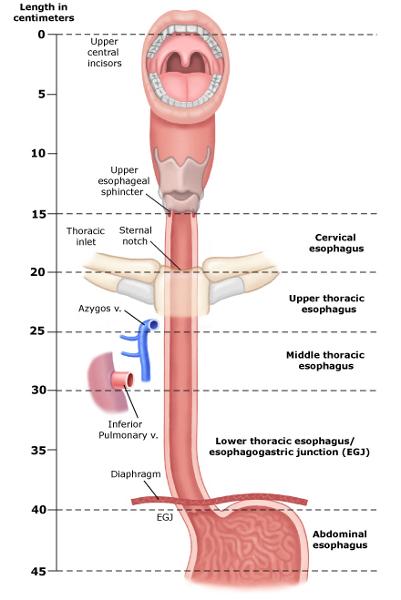 a. Esophagus |
front 194 The sheets of peritoneal membrane that hold the digestive tract in place…. | back 194 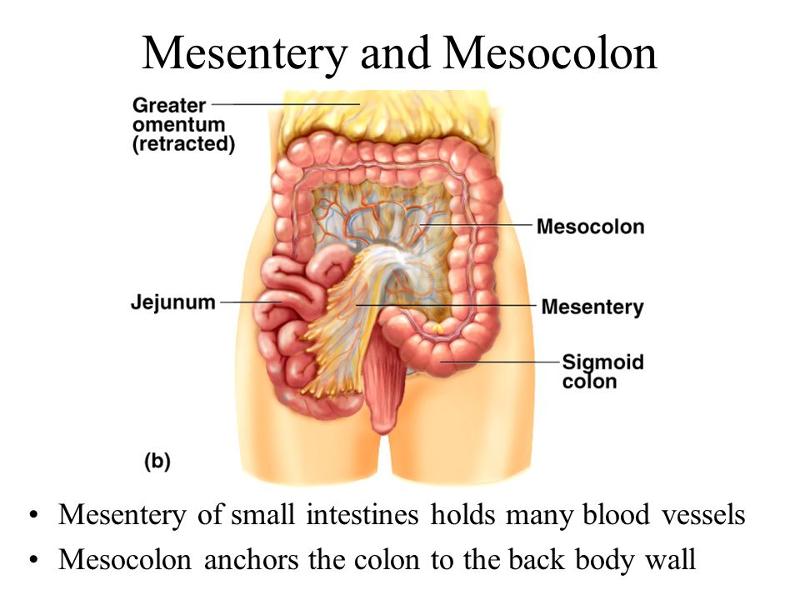 a. Mesenteries |
front 195 Expiration, unlike inspiration, is a passive act. Expiration depends on 2 factors… | back 195 a . Elastic recoil
of the lungs |
front 196 What structure has the greatest surface area for gas exchange in the lungs | back 196 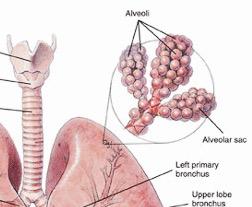 a. Alveoli |
front 197 What determines the direction of respiratory gas movement? | back 197 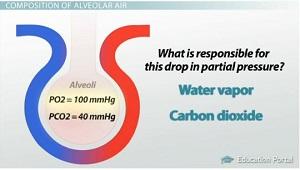 a. Partial pressure gradient |
front 198 no data | back 198 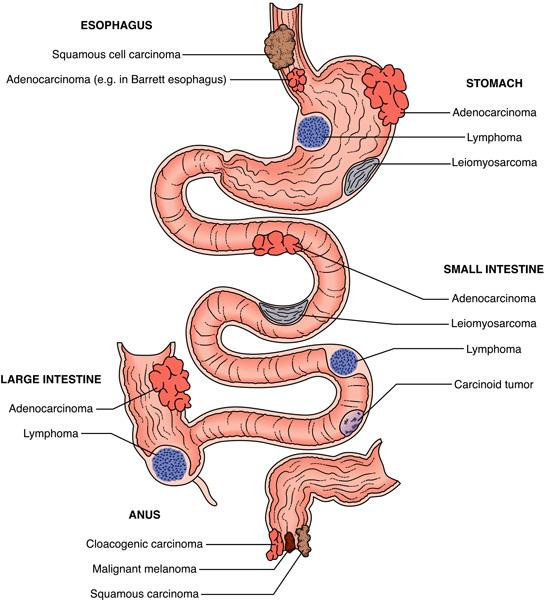 Cancers |