Instructions for Side by Side Printing
- Print the notecards
- Fold each page in half along the solid vertical line
- Cut out the notecards by cutting along each horizontal dotted line
- Optional: Glue, tape or staple the ends of each notecard together
Social 6 Chapter 1
front 1 Value | back 1 Principles about how people should act. They are also standards for what we consider important and just |
front 2 Compromise | back 2 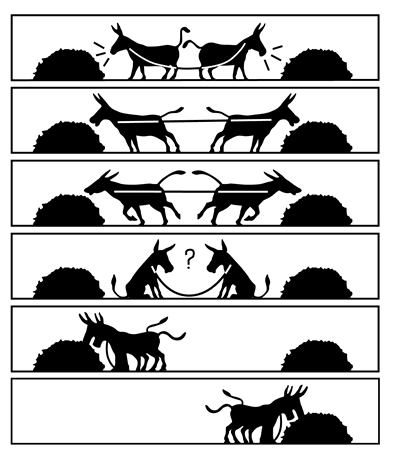 To decide on a settlement that satisfies all parties or people involved. |
front 3 Diversity | back 3  Respecting people from varied cultures and backgrounds |
front 4 What are the 4 principles or pillars of democracy? | back 4 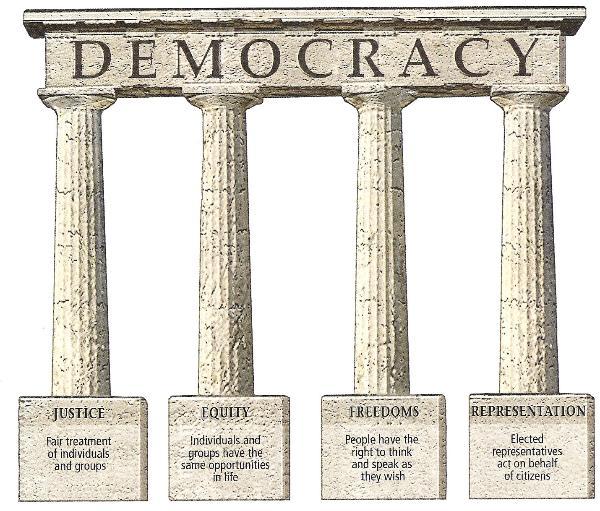 Justice - fair treatment of individuals and groups Equity - individuals and groups have the same opportunities in life Freedoms - people have the right to think and speak as they wish Representation - elected representatives act on behalf of citizens |
front 5 What are the 3 levels of government? | back 5 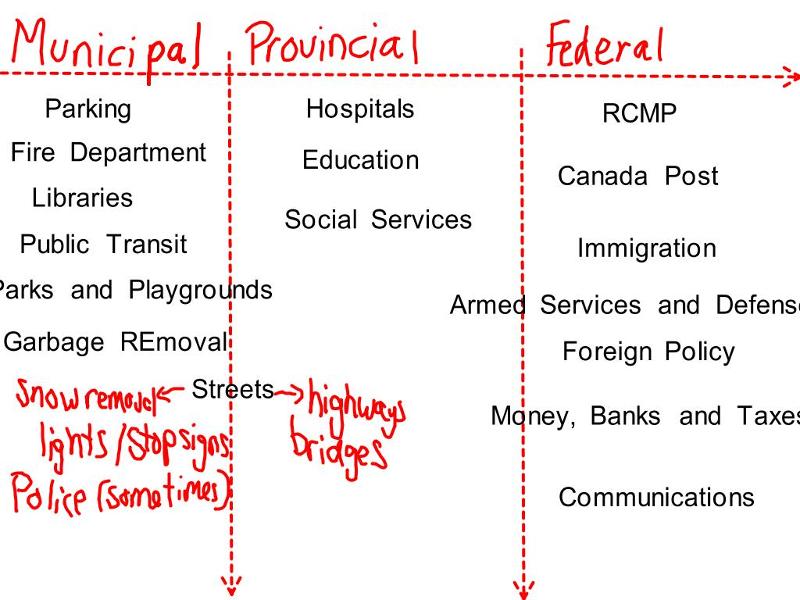
|
front 6 Society | back 6  A group of people who share the same rules, laws, and government or who share the same interests or culture. |
front 7 Constitution | back 7 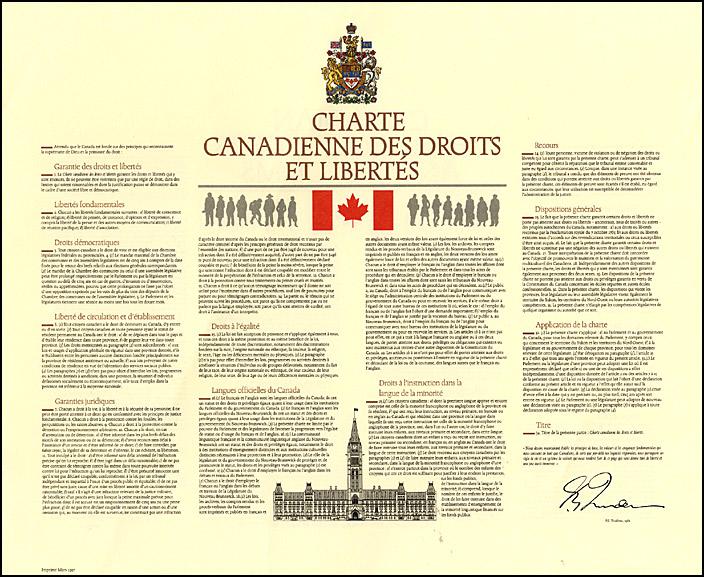 The supreme or most important law of a country or land. It outlines the structure of the government and describes the powers of the government and the rights of the people. |
front 8 Citizen | back 8 A resident of a particular place, such as a city or town; a person who has certain rights in a country, such as voting. |
front 9 What are some responsibilities of citizens in a democracy? | back 9
|
front 10 Fact | back 10 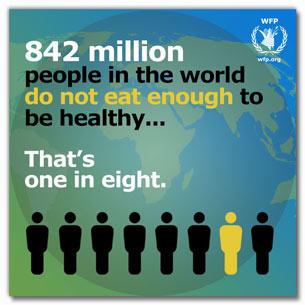 A statement that can be proven to be true. |
front 11 Opinion | back 11 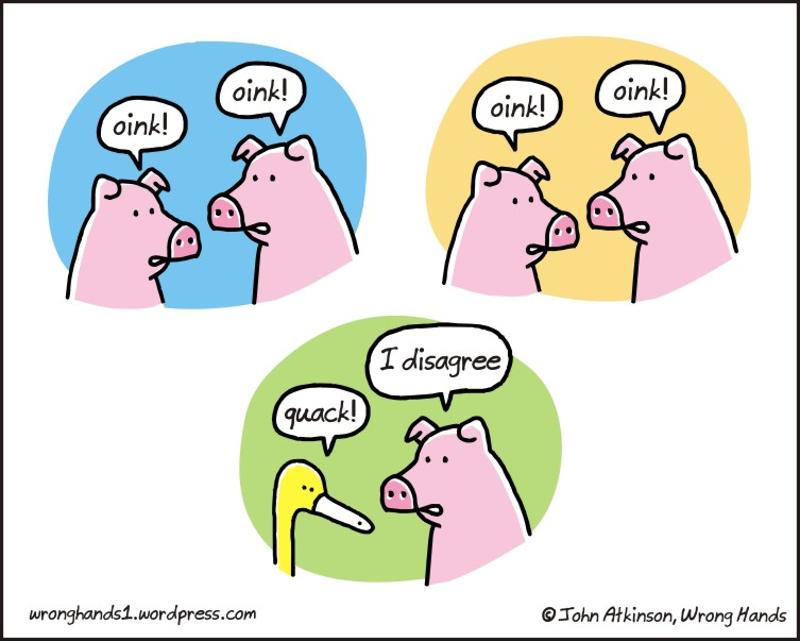 What someone believes. It cannot be proved to be right or wrong.op |
front 12 Issue | back 12 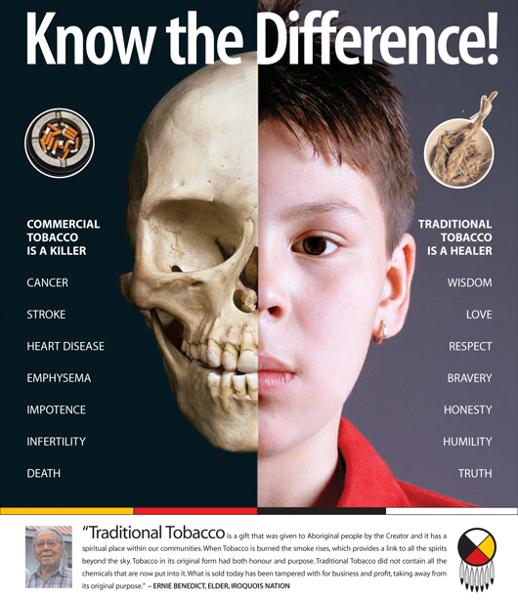 A concern or problem that affects a community. |
front 13 Injustice | back 13 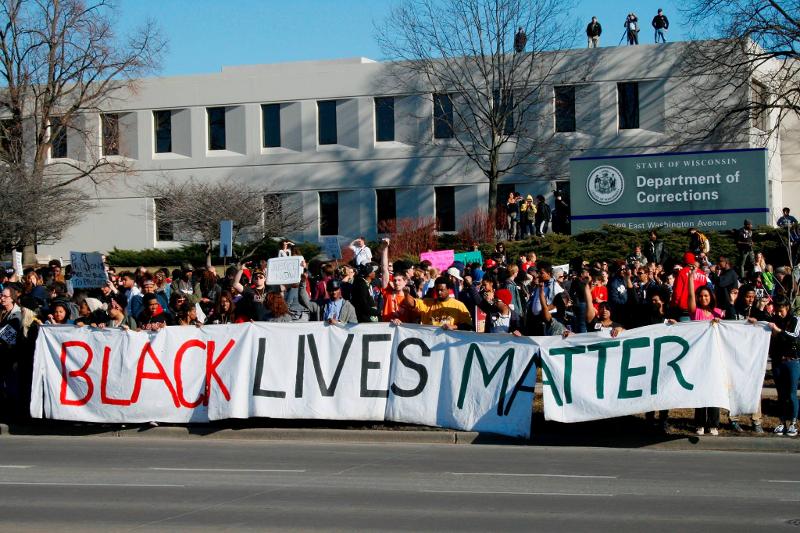 An action that is not fair or a wrong from the past; like Canada's treatment of First Nations people. |