Instructions for Side by Side Printing
- Print the notecards
- Fold each page in half along the solid vertical line
- Cut out the notecards by cutting along each horizontal dotted line
- Optional: Glue, tape or staple the ends of each notecard together
Ocean Currents (Bundle 2, Scope 1)
front 1 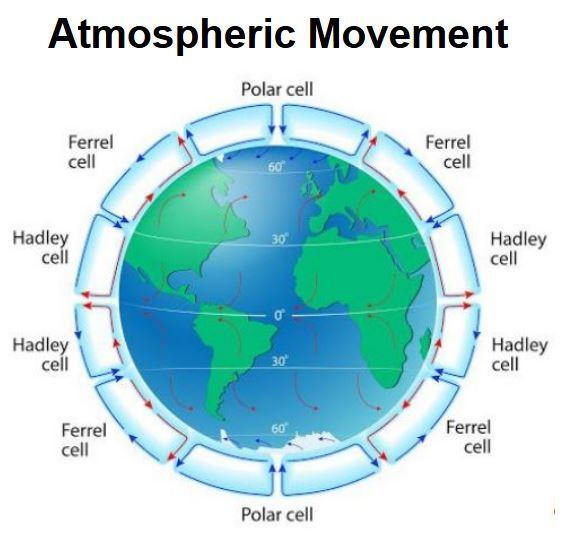 | back 1 Global air circulation patterns within the atmosphere held to Earth by gravity and warmed as heat radiates from Earth; influenced by convection of warm, less dense air (rises and spreads out) and cold, dense air (sinks). |
front 2 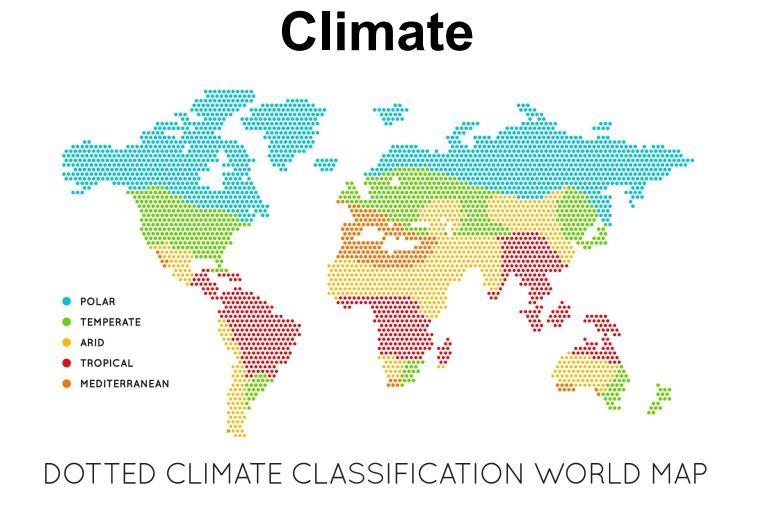 | back 2 Average weather patterns for a particular region. |
front 3 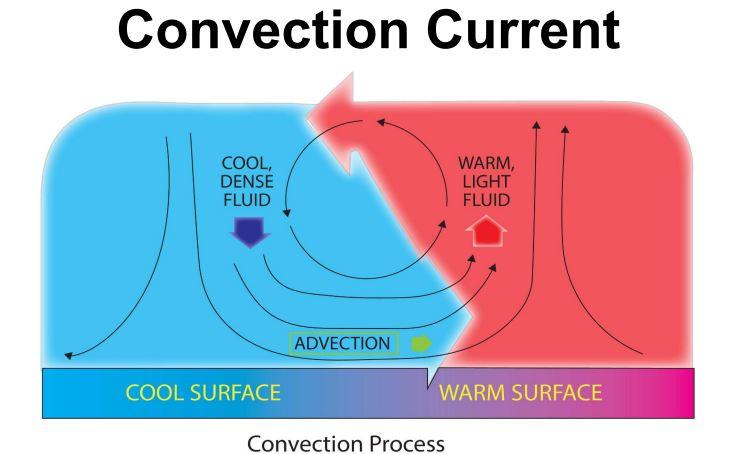 | back 3 Heat transfer caused by the rising of hotter, less dense fluids and the falling of cooler, denser fluids. |
front 4 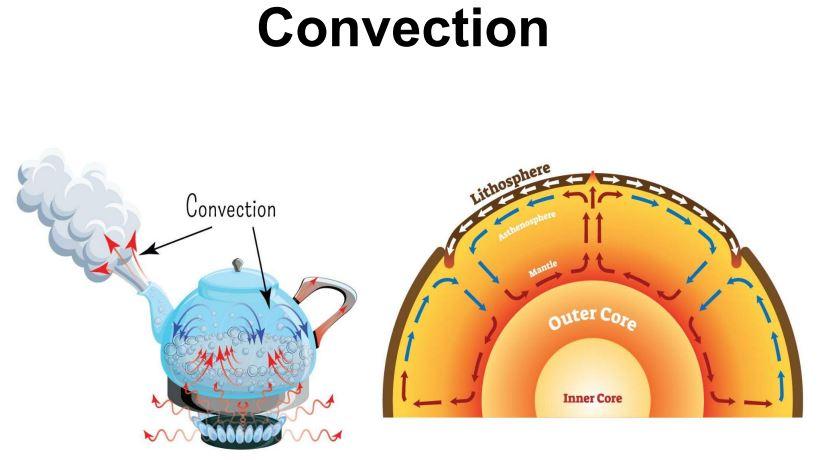 | back 4 A circular movement of fluids caused by the rising of hotter, less dense fluid and the falling of cooler, denser fluid. |
front 5 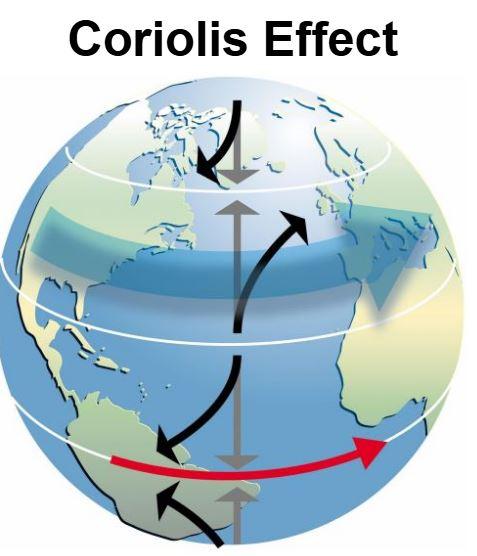 | back 5 The apparent deflection of moving air, as seen by an observer on Earth, as a result of Earth’s rotation. |
front 6 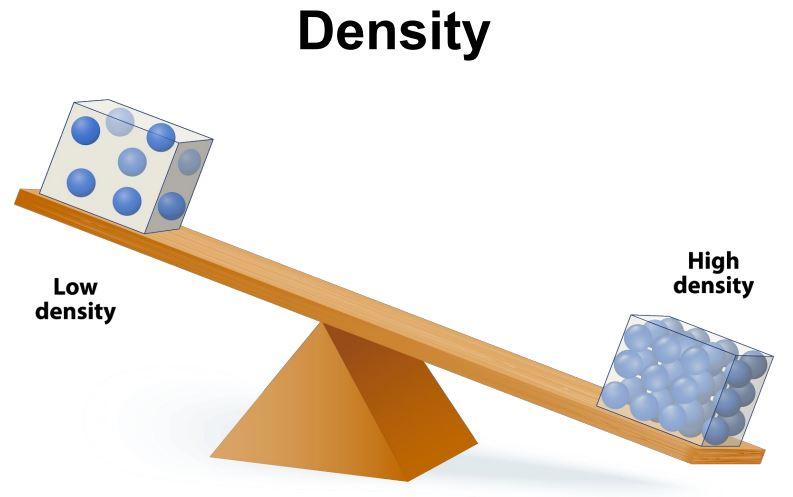 | back 6 The amount of matter in a given space or volume. |
front 7 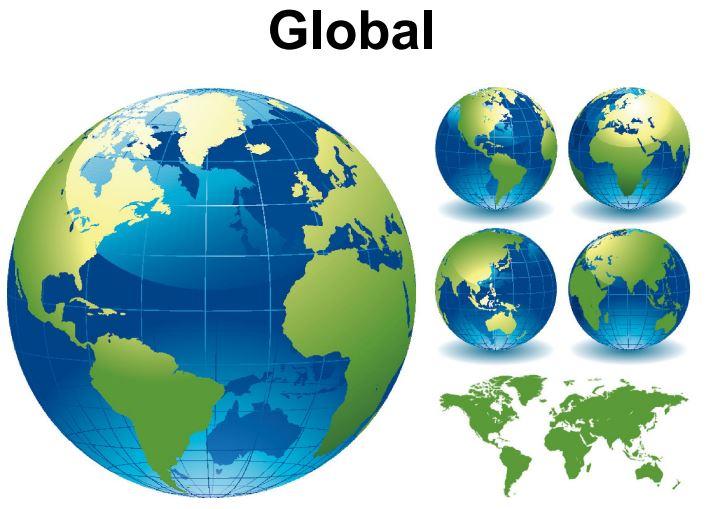 | back 7 Relating to the whole world. |
front 8 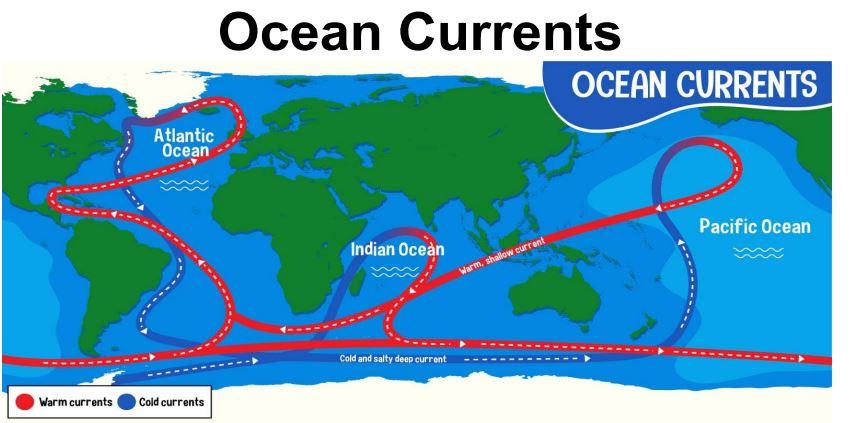 | back 8 Directional movements of ocean water; surface currents result from steady winds over the ocean surface; deep currents result from density variations due to temperature and salinity differences. |
front 9 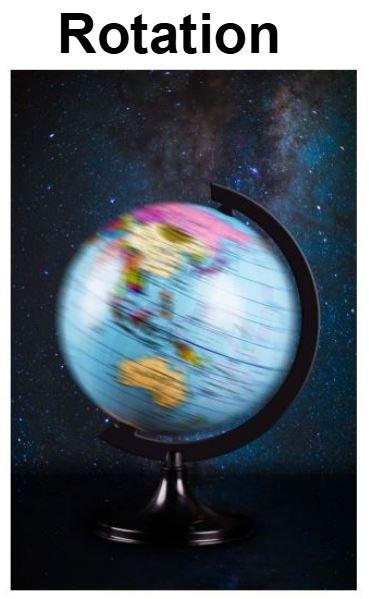 | back 9 The spinning of Earth on its axis that causes day and night to occur. |
front 10  | back 10 Saltiness or dissolved salt content of a body of water. |
front 11 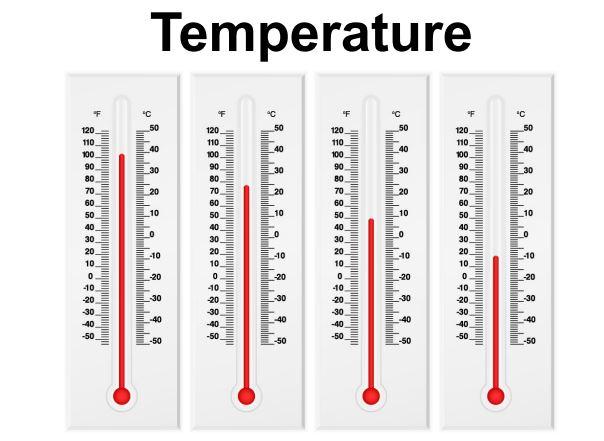 | back 11 Average kinetic energy of all the particles in a material; measured by a thermometer in degrees (usually degrees Celsius or degrees Fahrenheit). |