Instructions for Side by Side Printing
- Print the notecards
- Fold each page in half along the solid vertical line
- Cut out the notecards by cutting along each horizontal dotted line
- Optional: Glue, tape or staple the ends of each notecard together
ch 14 post lecture
front 1 A healthcare-associated infection (traditionally known as a nosocomial infection) is | back 1 acquired during the course of hospitalization. |
front 2 Which of the following is NOT a predisposing factor of disease? | back 2 genetic background occupation lifestyle climate All of these are predisposing factors of disease. |
front 3 Which of the following is NOT a communicable disease? | back 3 tetanus |
front 4 Which of the following statements is TRUE? | back 4 At least one member must benefit in a symbiotic relationship. |
front 5 Reservoirs of infections are always inanimate objects. | back 5 False |
front 6 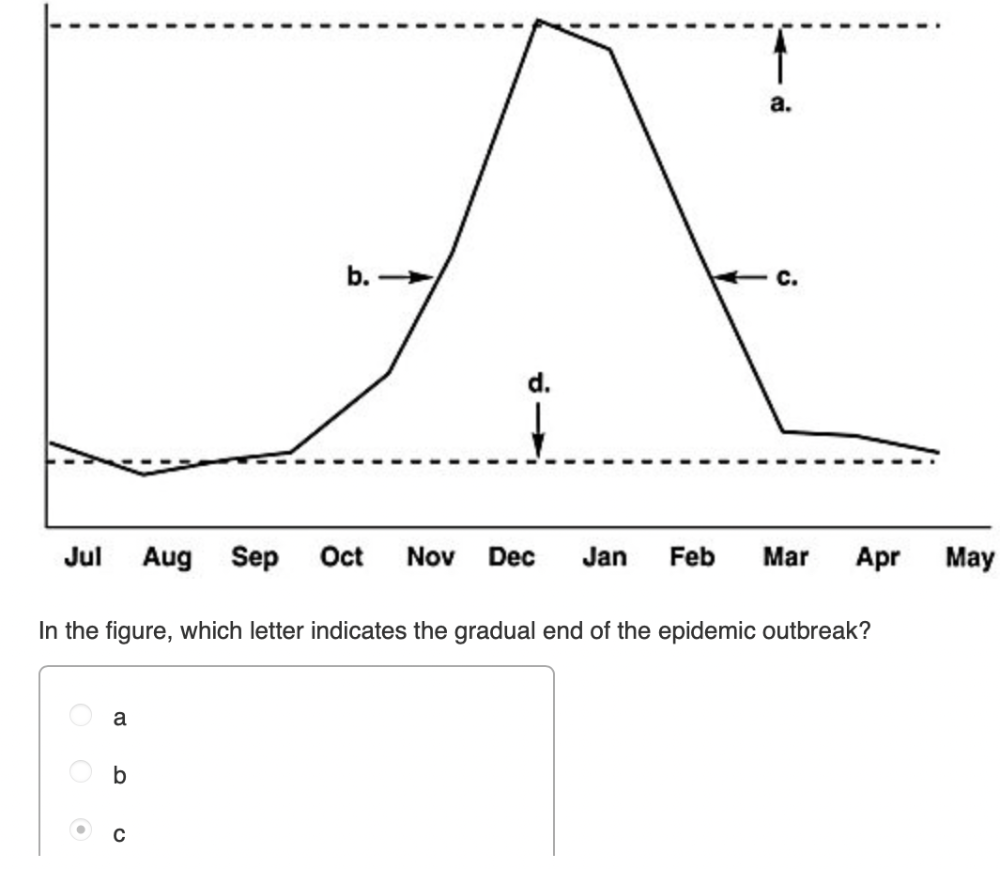 | back 6 no data |
front 7 Which of the following definitions is INCORRECT? | back 7 epidemic: a disease that is constantly present across the world |
front 8 Testing the effectiveness of a new drug for anthrax would be best performed as an experimental study. | back 8 True |
front 9 If a prodromal period exists for a certain disease, it should occur prior to | back 9 illness |
front 10 Pseudomonas bacteria colonized the bile duct of a patient following his liver transplant surgery. This is an example of a | back 10 nosocomial infection. |
front 11 Transient microbiota differ from normal microbiota in that transient microbiota | back 11 are present for a relatively short time. |
front 12 The rise in herd immunity amongst a population can be directly attributed to | back 12 vaccinations |
front 13 A commensal bacterium | back 13 may also be an opportunistic pathogen. |
front 14 During a six-month period, 239 cases of pneumonia occurred in a town of 300 people. A clinical case was defined as fever ≥ 39°C lasting >2 days with three or more symptoms (i.e., chills, sweats, severe headache, cough, aching muscles/joints, fatigue, or feeling ill). A laboratory-confirmed case was defined as a positive result for antibodies against Coxiella burnetii. Before the outbreak, 2000 sheep were kept northwest of the town. Of the 20 sheep tested from the flock, 15 were positive for C. burnetii antibodies. Wind blew from the northwest, and rainfall was 0.5 cm compared with 7 to 10 cm during each of the previous three years. | back 14 vehicle |
front 15 Which of the following is classified as a latent disease? | back 15 shingles |
front 16 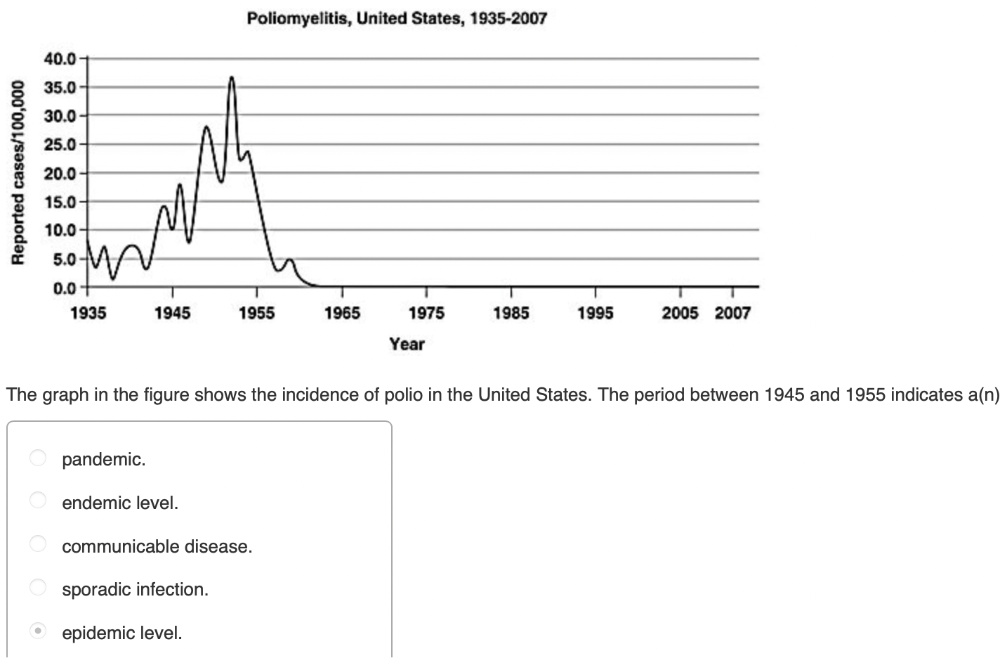 | back 16 no data |
front 17 Symptoms of disease differ from signs of disease in that symptoms | back 17 are changes felt by the patient. |
front 18 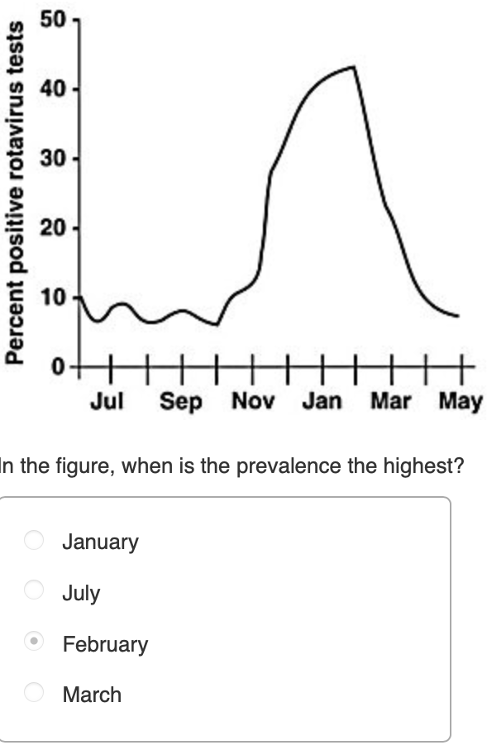 | back 18 no data |
front 19 Which of the following would be an example of disease transmission via indirect contact? | back 19 A student sneezes on her test booklet. The instructor grades it and catches her cold. |
front 20 One effect of washing regularly with antibacterial agents is the removal of normal microbiota. This can result in | back 20 increased susceptibility to disease.Submit |
front 21 Emergence of infectious diseases can be attributed to all of the following EXCEPT | back 21 The emergence of infectious diseases can be attributed to all of these.Submit |
front 22 In which of the following diseases can gender be considered a viable predisposing factor? | back 22 urinary tract infectionsSubmit |
front 23 Which of the following is NOT an example of microbial antagonism? | back 23 bacteria causing diseaseSubmit |
front 24 During a six-month period, 239 cases of pneumonia occurred in a town of 300 people. A clinical case was defined as fever ≥ 39°C lasting >2 days with three or more symptoms (i.e., chills, sweats, severe headache, cough, aching muscles/joints, fatigue, or feeling ill). A laboratory-confirmed case was defined as a positive result for antibodies against Coxiella burnetii. Before the outbreak, 2000 sheep were kept northwest of the town. Of the 20 sheep tested from the flock, 15 were positive for C. burnetii antibodies. Wind blew from the northwest, and rainfall was 0.5 cm compared with 7 to 10 cm during each of the previous three years. | back 24 Coxiella burnetii. |
front 25 A disease in which the causative agent remains inactive for a time before producing symptoms is referred to as | back 25 latent |
front 26 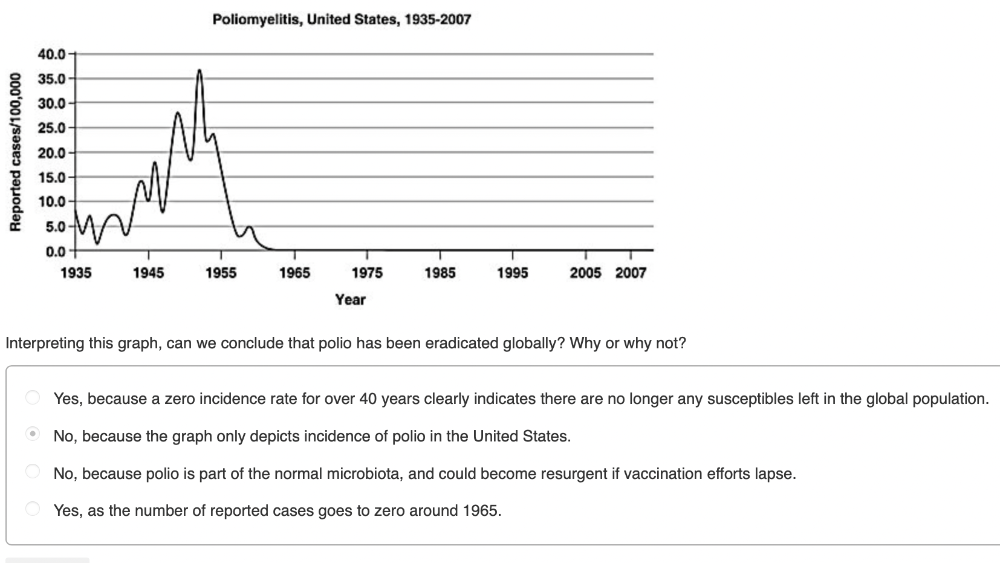 | back 26 no data |
front 27 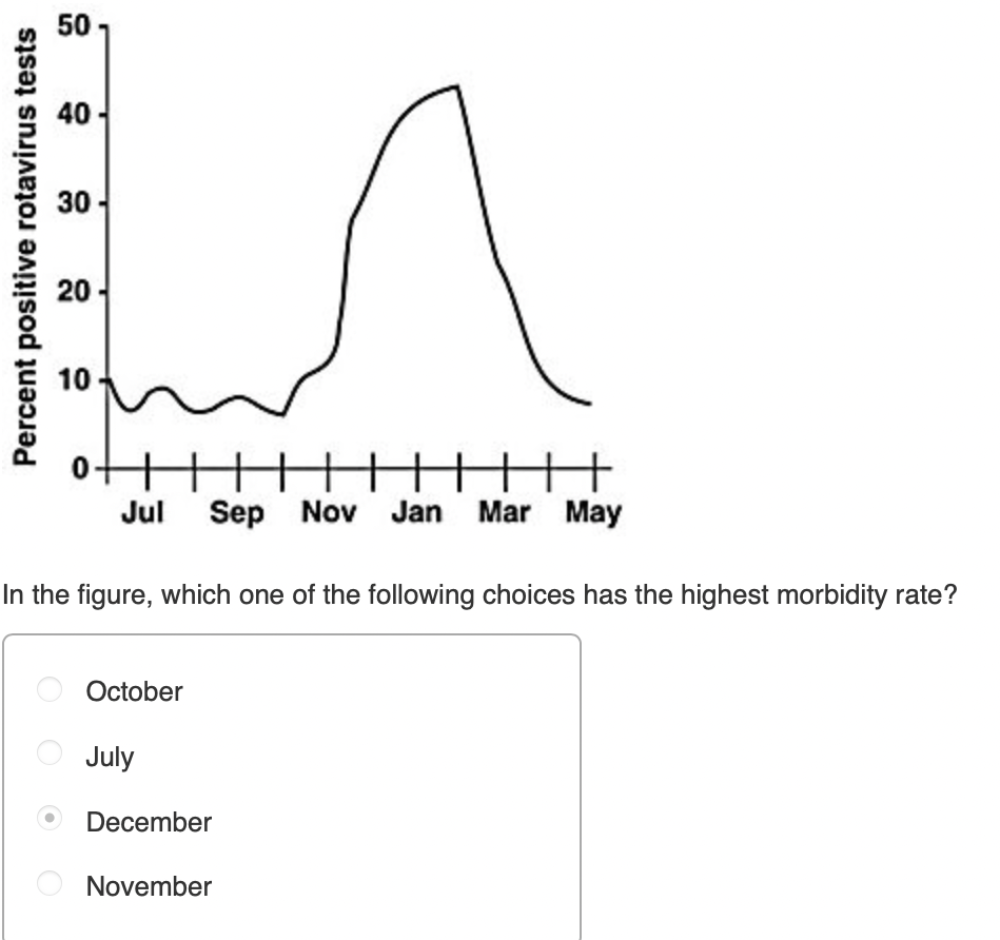 | back 27 no data |
front 28 Koch observed Bacillus anthracis multiplying in the blood of cattle. What is the condition specifically called when bacteria are multiplying in the blood? | back 28 septicemia |
front 29 Which of the following is a fomite? | back 29 a hypodermic needle |
front 30 Which one of the following does NOT contribute to the incidence of healthcare-associated infections? | back 30 gram-negative cell wallsSubmit |
front 31 A needlestick is an example of | back 31 indirect contact transmission by fomite. |
front 32 The major significance of Robert Koch's work is that | back 32 microorganisms cause disease. |
front 33 Which of the following statements about biological transmission is FALSE? | back 33 Houseflies are an important vector. |
front 34 Both normal and transient flora can become opportunistic pathogens. | back 34 True |
front 35 Biological transmission differs from mechanical transmission in that biological transmission | back 35 involves reproduction of a pathogen in an arthropod vector prior to transmission. |
front 36 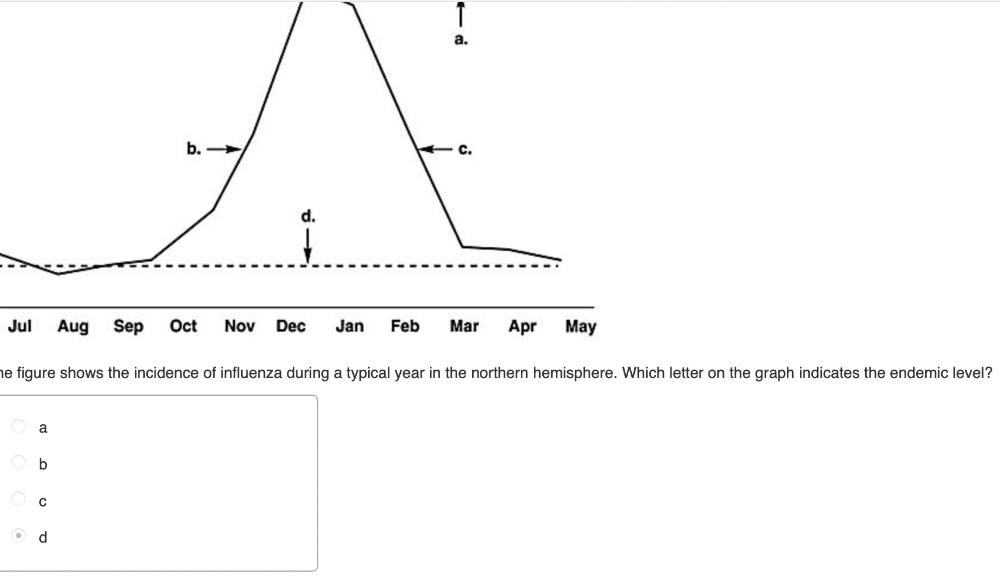 | back 36 no data |
front 37 Focal infections initially start out as | back 37 local infections. |
front 38 Which of the following diseases is NOT spread by droplet infection? | back 38 botulism |
front 39 The science that deals with when diseases occur and how they are transmitted is called | back 39 epidemiology |
front 40 In which of the following patterns of disease does the patient experience no signs or symptoms? | back 40 both incubation and convalescenceSubmit |
front 41 Which of the following is an example of the symbiotic relationship known as mutualism? | back 41 E. coli within the large intestine |
front 42 Which of the following pairs is mismatched? | back 42 malaria – foodborne transmission |
front 43 Malaria is an infectious disease caused by infection with a protozoan. In certain tropical regions, malaria is constantly present. We would say that malaria is a(n) __________ disease in these regions. | back 43 endemic |
front 44 For a particular disease at a specific time period, morbidity rates should always be equal or greater than mortality rates. | back 44 True |