Instructions for Side by Side Printing
- Print the notecards
- Fold each page in half along the solid vertical line
- Cut out the notecards by cutting along each horizontal dotted line
- Optional: Glue, tape or staple the ends of each notecard together
A&P II Chapters 16 and 17 Attendance Quiz 2 and 3 Unit Test 2
front 1 Which of the following statements does not describe blood? | back 1 blood carries body cells to injured areas for repair. |
front 2 The special type of hemoglobin present in fetal red blood cells is ________. | back 2 hemoglobin F |
front 3 No visible cytoplasmic granules are present in ___________. | back 3 monocytes |
front 4 Which blood type is generally called the universal donor? | back 4 O |
front 5 Which of the following is not a cause of bleeding disorders? | back 5 excess secretion of platelet-derived growth factor (PDGF) |
front 6 Which of the following is characteristic of all leukocytes? | back 6 they are nucleated |
front 7 An individual who is blood type AB negative can ________. | back 7 receive any blood type in moderate amounts except that with the Rh antigen |
front 8 The plasma protein that is the major contributor to osmotic pressure is ________. | back 8 albumin |
front 9 All of the following can be expected with polycythemia except ________. | back 9 low blood viscosity |
front 10 Which of the following hormones suppresses appetite and increases energy expenditure? | back 10 leptin |
front 11 A man has been told that he is NOT synthesizing enough follicle-stimulating hormone (FSH), and for this reason he may be unable to father a child. Choose the correct statement to explain this problem. | back 11 FSH stimulates sperm production in the testes |
front 12 Which of the following is NOT a change typically produced by a hormonal stimulus? | back 12 stimulates production of an action potential |
front 13 Thyroxine is a peptide hormone, but its mechanism is different from other peptide hormones. Which of the following statements is true concerning this difference? | back 13 It does not require a second messenger to cause a response. |
front 14 Fred's blood was determined to be AB positive. What does this mean? | back 14 There are no antibodies to A, to B, or to Rh antigens in the plasma. |
front 15 Which of the statements below is an incorrect or false statement? | back 15 Blood typing for the Kell, Lewis, and Duffy factors is always done before a blood transfusion. |
front 16 A lack of intrinsic factor, leading to a deficiency of vitamin B12 and causing an appearance of large pale cells called macrocytes, is characteristic of ________. | back 16 pernicious anemia |
front 17 All of the following conditions impair coagulation except ________. | back 17 vascular spasm |
front 18 Which of the following would not be a possible cause of sickling of red blood cells in someone with sickle-cell anemia? | back 18 sleeping in a well-ventilated room |
front 19 What organ in the body regulates erythrocyte production? | back 19 kidney |
front 20 The slowest step in the clotting process is ________. | back 20 formation of prothrombin activator |
front 21 Which of the following is not a functional characteristic of WBCs? | back 21 granulosis |
front 22 Select the incorrect statement regarding blood cell formation. | back 22 Platelets are formed from myeloblasts. |
front 23 Thromboembolic disorders ________. | back 23 include embolus formation, a clot moving within the circulatory system |
front 24 Which of the following is a protective function of blood? | back 24 prevention of blood loss |
front 25 Which of the following is not a structural characteristic that contributes to erythrocyte gas transport functions? | back 25 mitotically active |
front 26 Which of the following is not a phase of hemostasis? | back 26 fibrinolysis |
front 27 Blood volume restorers include all of the following except ________. | back 27 packed cells |
front 28 When neither anti-A serum nor anti-B serum clot on a blood plate with donor blood, the blood is type ________. | back 28 O |
front 29 Blood is a ________. | back 29 suspension |
front 30 James has a hemoglobin measurement of 16 g/100 ml blood. This is ________. | back 30 within the normal range |
front 31 Which of the following might trigger erythropoiesis? | back 31 hypoxia of EPO-producing cells |
front 32 What is the average normal pH range of blood? | back 32 7.35-7.45 |
front 33 Which of the choices below is the parent cell for all formed elements of blood? | back 33 hemocytoblast |
front 34 When can erythroblastosis fetalis not possibly happen in the child of an Rh negative mother? | back 34 if the father is Rh- |
front 35 Which sequence is correct for the following events? | back 35 3, 4, 1, 2 |
front 36 Which of the following is not a distribution function of blood? | back 36 transport of salts to maintain blood volume |
front 37 Several hormones are synthesized in the hypothalamus and transported to the anterior pituitary gland. The mechanism of transportation from hypothalamus to anterior pituitary gland is through the ________. | back 37 hypophyseal portal system |
front 38 Which of the following is not a cardinal sign of diabetes mellitus? | back 38 polycythemia |
front 39 The hypothalamic-hypophyseal tract ________. | back 39 is partly contained within the infundibulum |
front 40 What ion is sometimes used as a second messenger of amino acid based hormones? | back 40 Calcium |
front 41 Which organ does not produce hormones? | back 41 spleen |
front 42 Which of the following is not a type of hormone interaction? | back 42 feedback |
front 43 Virtually all of the protein or amino acid-based hormones exert their effects through intracellular ________. | back 43 second messengers |
front 44 The ability of a specific tissue or organ to respond to the presence of a hormone is dependent on ________. | back 44 the presence of the appropriate receptors on the cells of the target tissue or organ |
front 45 Eicosanoids do not include ________. | back 45 hydrocortisones |
front 46 Leptin is secreted by ________. | back 46 adipocytes |
front 47 Which of the choices below is not a factor required for target cell activation by hormone receptor interaction? | back 47 type of hormone |
front 48 Which of the following is not a steroid-based hormone? | back 48 epinephrine |
front 49 Thyroid hormone (a small iodinated amine) enters target cells in a manner similar to ________. | back 49 steroid hormones, because both diffuse easily into target cells |
front 50 Chemical substances secreted by cells into the extracellular fluids and that regulate the metabolic function of other cells in the body are called ________. | back 50 hormones |
front 51 When it becomes necessary to enlist the fight-or-flight response, a hormone that is released during the alarm phase of the general adaptation syndrome is ________. | back 51 epinephrine |
front 52 Regulating hormones from the hypothalamus ________. | back 52 first enter into the hypophyseal portal system |
front 53 ACTH ________. | back 53 secretion is regulated by a hypothalamic regulatory hormone |
front 54 Aldosterone ________. | back 54 functions to increase sodium reabsorption |
front 55 In circumstances where the body requires prolonged or increased levels of a hormone, the DNA of target cells will specify the synthesis of more receptors on the surface of the cells of the target organ. This is known as ________. | back 55 up-regulation |
front 56 The most important mineralcorticoid regulator of electrolyte concentrations in extracellular fluids is ________. | back 56 aldosterone |
front 57 The second-messenger mechanism of hormone action operates by ________. | back 57 binding to specific receptors and employing the services of G proteins and cAMP. |
front 58 Which of the following is not a parathyroid gland mechanism to maintain adequate levels of blood calcium? | back 58 inhibition of calcitonin synthesis |
front 59 Which of the following is not a category of endocrine gland stimulus? | back 59 enzyme |
front 60 The major targets of growth hormone are ________. | back 60 bones and skeletal muscles |
front 61 Oxytocin ________. | back 61 release is an example of a positive feedback control mechanism |
front 62 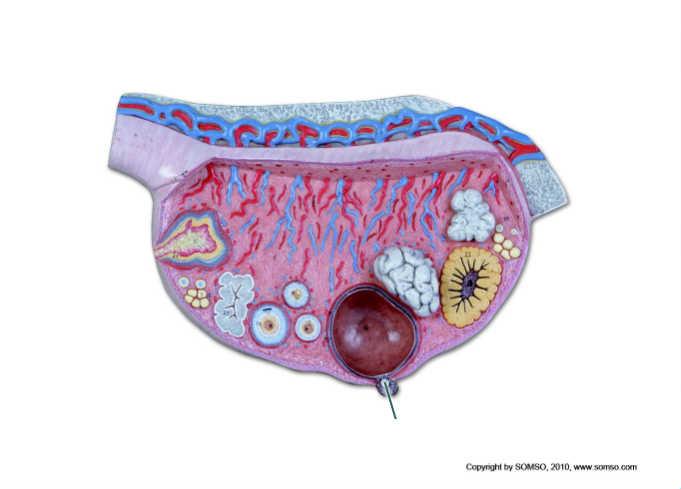 Which structure is highlighted? | back 62 oocyte |
front 63 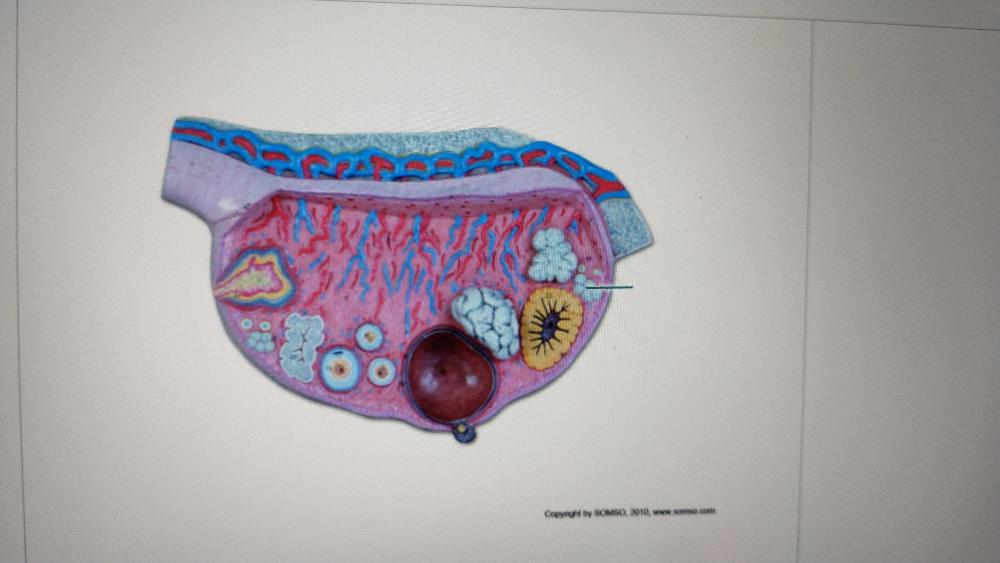 Which follicles are highlighted? | back 63 primordial |
front 64 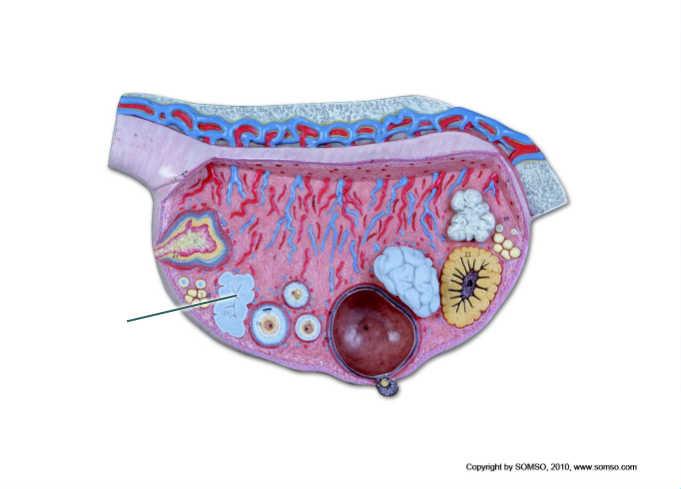 Which structure is highlighted? | back 64 corpus albicans |
front 65 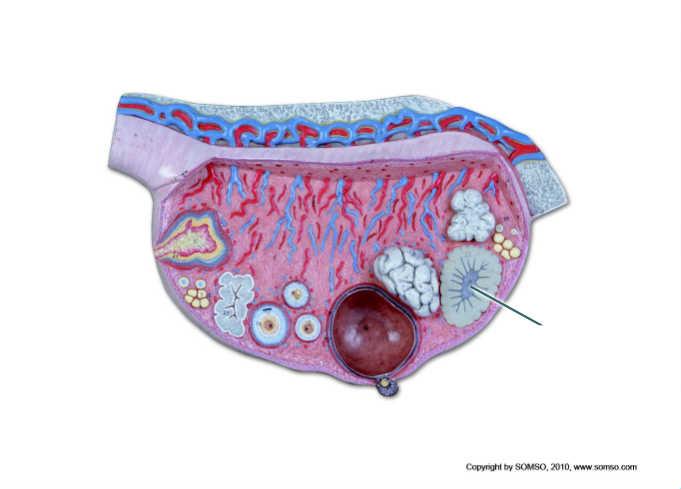 What is the function of the hormones secreted by the highlighted structure? | back 65 to prepare the uterus for implantation |
front 66 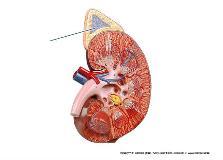 What is the result of secretions from the highlighted region? | back 66 increase blood pressure and heart rate |
front 67 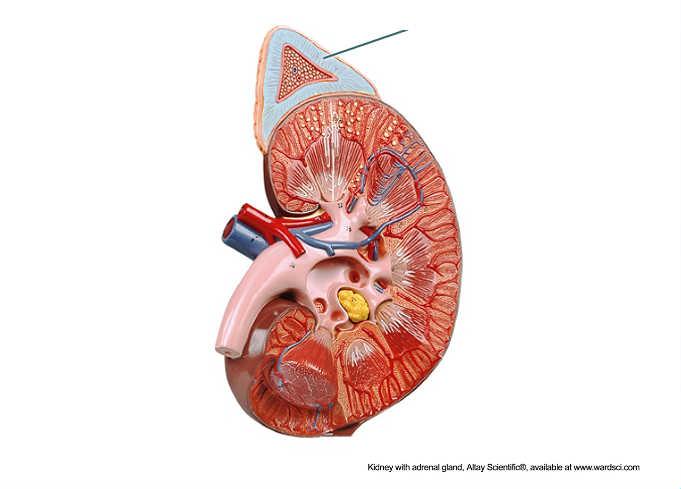 Which structure is highlighted? | back 67 adrenal cortex |
front 68 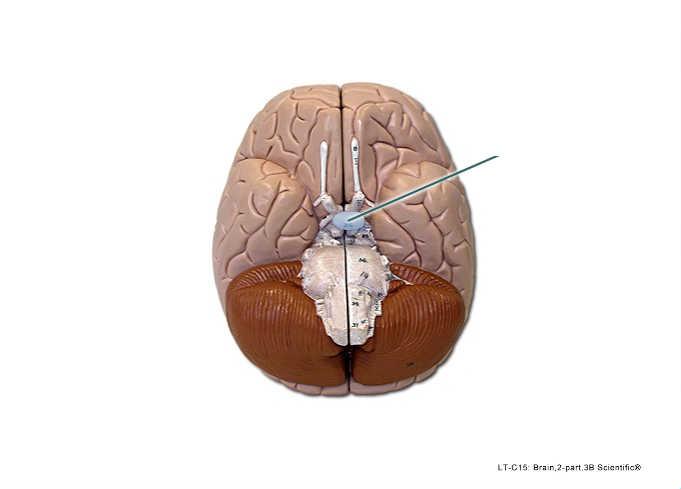 Which structure is highlighted? | back 68 pituitary gland |
front 69 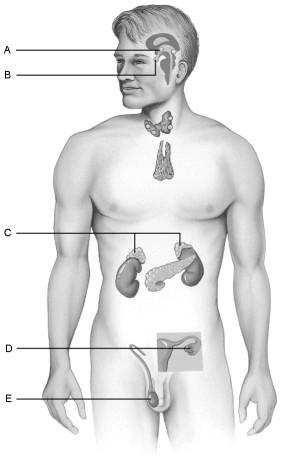 Produces the hormones that promote the development of the female secondary sexual characteristics at puberty. | back 69 D |
front 70 Produces the hormones that direct the production of the secondary male sex characteristics. | back 70 E |
front 71 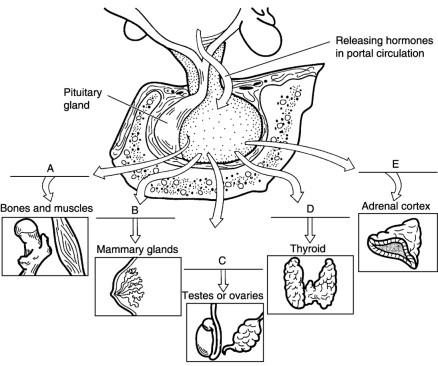 Follicle stimulating hormone | back 71 C |
front 72 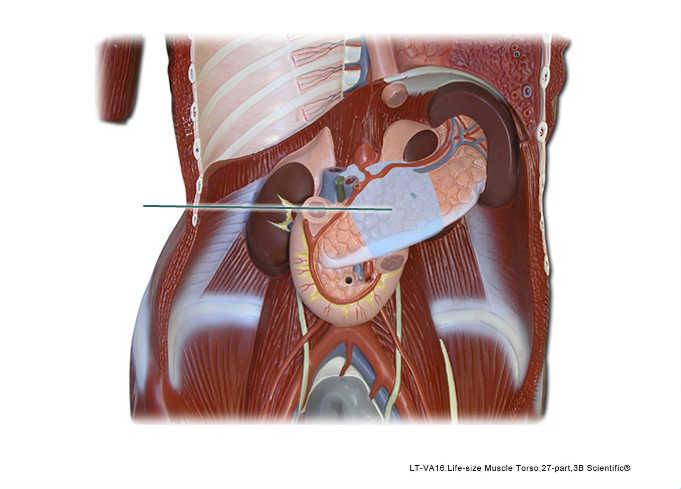 Which structure is highlighted? | back 72 body of pancreas |
front 73 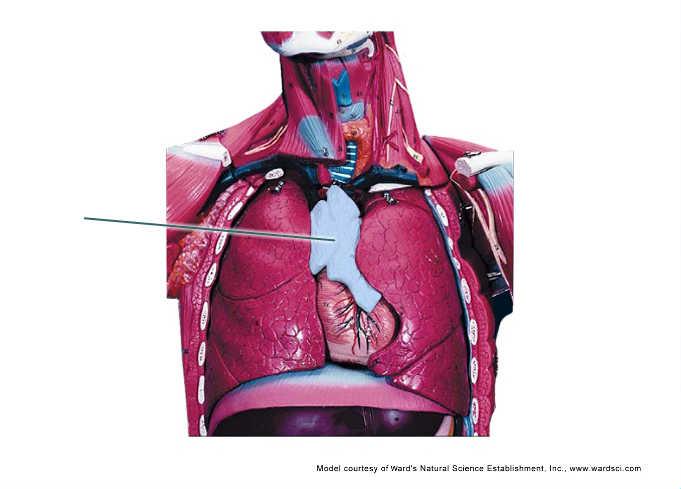 Which gland is highlighted? | back 73 thymus |
front 74  Which structure is highlighted? | back 74 parathyroid glands |
front 75 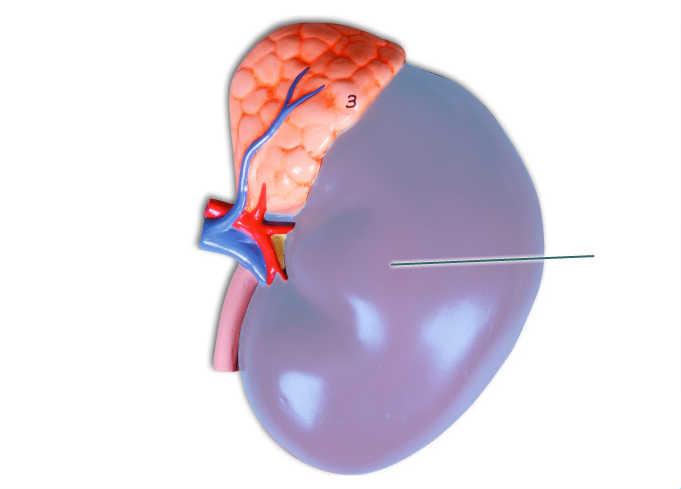 Which structure is highlighted? | back 75 kidney |
front 76 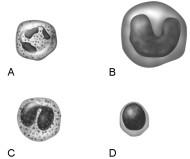 Lymphocyte. | back 76 D |
front 77 Monocyte | back 77 B |
front 78 Eosinophil. | back 78 C |
front 79 Neutrophil. | back 79 A |
front 80 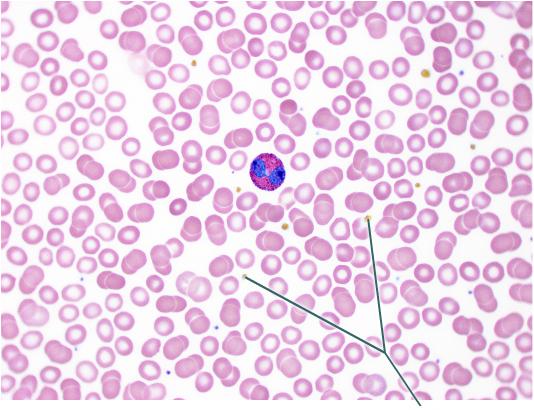 Which formed elements are highlighted? | back 80 platelets |
front 81 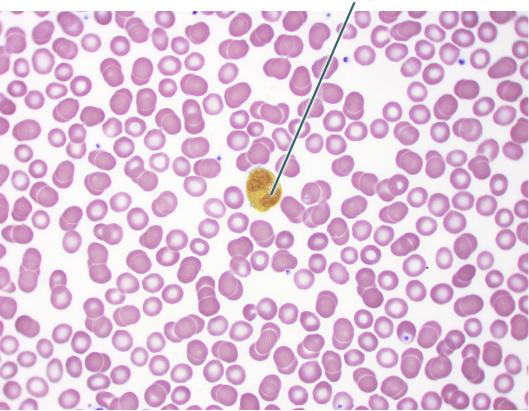 Which of the following is a function of the highlighted cell? | back 81 phagocytosis |
front 82 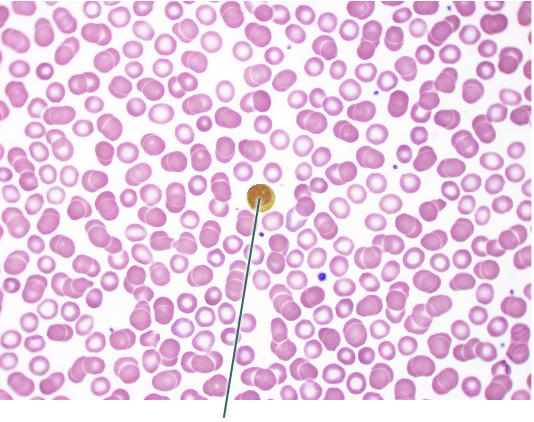 Which cell is highlighted? | back 82 lymphocyte |
front 83 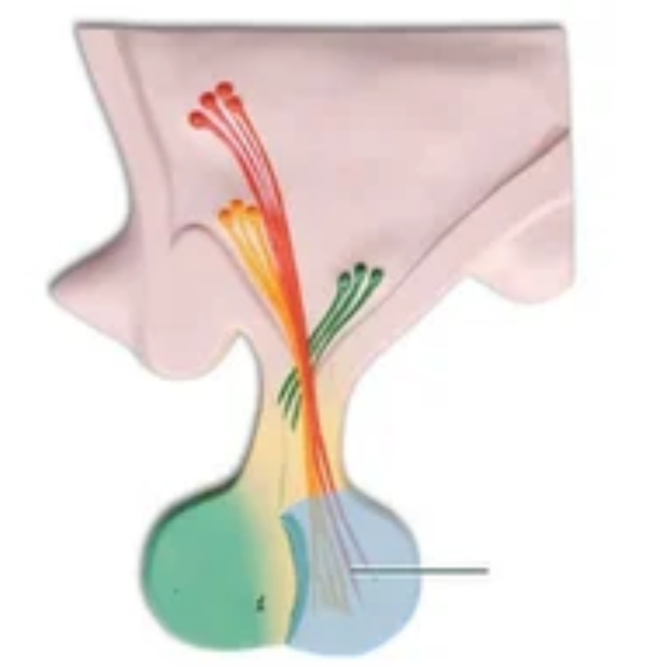 What primary tissue type comprises the highlighted structure? | back 83 nervous |