Print Options

Card layout: ?

← Back to notecard set|Easy Notecards home page

Instructions for Side by Side Printing
  1. Print the notecards
  2. Fold each page in half along the solid vertical line
  3. Cut out the notecards by cutting along each horizontal dotted line
  4. Optional: Glue, tape or staple the ends of each notecard together
  1. Verify Front of pages is selected for Viewing and print the front of the notecards
  2. Select Back of pages for Viewing and print the back of the notecards
    NOTE: Since the back of the pages are printed in reverse order (last page is printed first), keep the pages in the same order as they were after Step 1. Also, be sure to feed the pages in the same direction as you did in Step 1.
  3. Cut out the notecards by cutting along each horizontal and vertical dotted line
To print: Ctrl+PPrint as a list

13 notecards = 4 pages (4 cards per page)

Viewing:

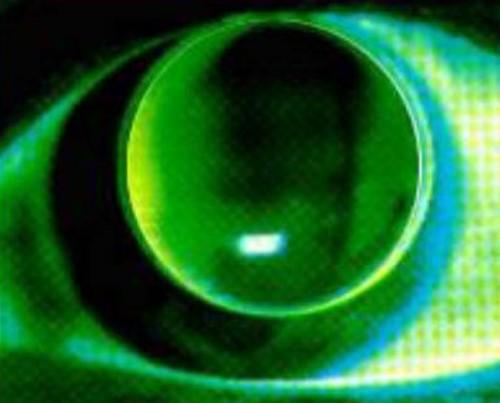
Fluorescein Patterns - RGP Lenses

front 1
back 1

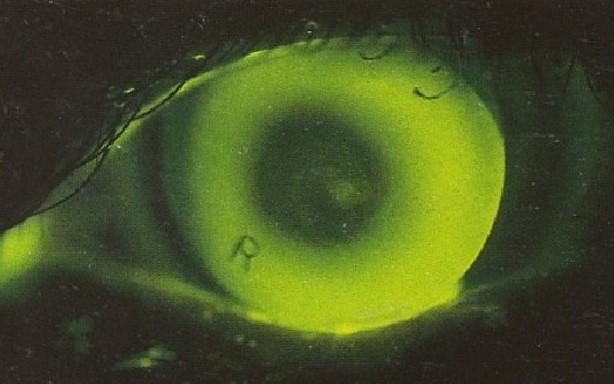
Against the Rule Astigmatism

  • Touch along the vertical meridian.
    • Flattest Curve in the 90 Meridian
  • Pooling (clearance) along the horizontal meridian
    • Steepest Curve in the 180 meridian

front 2

back 2

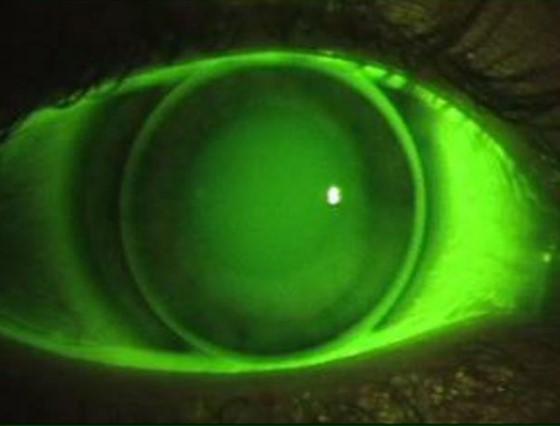
Flat Fit

  • Apical touch
  • Peripheral pooling (clearance)
  • Indicates edge lift

front 3

back 3

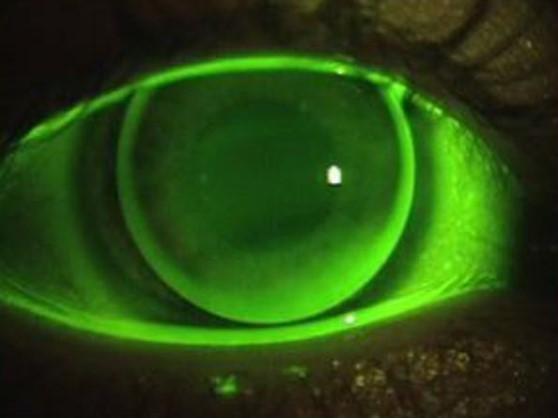
Ideal Fit

  • Also known as Alignment Fit
  • Even distribution of teas/fluorescein
  • represents uniform fluorescein pattern, not an on-K fit.
  • Bright ring of fluorescein around perimeter due to flatter peripheral curve.

front 4

back 4

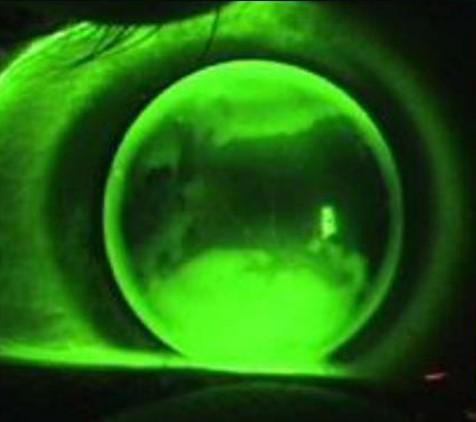
Steep Fit

  • Apical pooling (clearance)
  • Central vaulting
  • Peripheral touch
  • Steep fit is sometimes called Apical Clearance Fit
  • Indicates a tight lens fit

front 5

back 5

With The Rule Astigmatism

  • Pooling (clearance) along the vertical meridian.
    • Steepest Curve in the 90 Meridian
  • Touch along the horizontal meridian
    • Flattest Curve in the 180 meridian

front 6

Against the Rule Astigmatism

back 6

  • Touch along the vertical meridian.
    • Flattest Curve in the 90 Meridian
  • Pooling (clearance) along the horizontal meridian
    • Steepest Curve in the 180 meridian

front 7

Flat Fit

back 7

  • Apical touch
  • Peripheral pooling (clearance)
  • Indicates edge lift

front 8

Ideal Fit

back 8

  • Also known as Alignment Fit
  • Even distribution of teas/fluorescein
  • represents uniform fluorescein pattern, not an on-K fit.
  • Bright ring of fluorescein around perimeter due to flatter peripheral curve.

front 9

Steep Fit

back 9

  • Apical pooling (clearance)
  • Central vaulting
  • Peripheral touch
  • Steep fit is sometimes called Apical Clearance Fit
  • Indicates a tight lens fit

front 10

With The Rule Astigmatism

back 10

  • Pooling (clearance) along the vertical meridian.
    • Steepest Curve in the 90 Meridian
  • Touch along the horizontal meridian
    • Flattest Curve in the 180 meridian

front 11

Lens fitting philosophies

back 11

interpalpebral fit → lens sits between the lids and is well-centered

lid attached → lens is attached to lids and controlled by lids, sits more superiorly

front 12

Interpalpebral Fitting

back 12

An interpalpebral lens-to-cornea fitting relationship often refers to a lens that centers well and is positioned between the lids. It is often achieved with a slightly smaller overall diameter and steeper base curve radius than a lid attachment design.

- work best with wider apertures

front 13

Lid Attachment Fitting

back 13

The lens design includes an edge contour that sloped toward the lid to enhance lid-lens contact, often resulting in a slightly superiorly decentered fitting relationship.

- lid doesn't feel the lens with each blink because it slightly overlaps the lens

-Lid attachment RGP fits should show a thin, even edge-to-edge layer of fluorescein stained tear film that
exhibit alignment or slight apical feathering as well as less than 180 degrees of bearing in the
mid-periphery to allow for a good tear exchange with each blink.