Anatomy & Physiology: The Integumentary System
Integument
-makes up 16% of your body weight
-composed of the cutaneous membrane & accessory organs
What are the 2 components of the cutaneous membrane?

1. Epidermis
2.Dermis
Epidermis

-superficial epithelium
-stratified squamous epithelium
-avascular
-contains keratinocytes
Dermis
-underlying area of connective tissue
Accessory Structures

-hair, exocrine glands, and nails
-primarily located in the dermis and protrudes through the epidermis to the skin surface
Hypodermis

-aka superficial fascia or subcutaneous layer
-separates the integument from the deep fascia around other organs
Functions of the Integumentary System

-protection of underlying tissues & organs
-excretion of salts, water, and organic wastes
-maintenance of normal body temperature
-production of melanin
-production of keratin
-synthesis of vitamin D
-storage of lipids
- detection of touch, pressure, pain, vibration, and temperature stimuli
-coordination & immune response
4 layers of thin skin
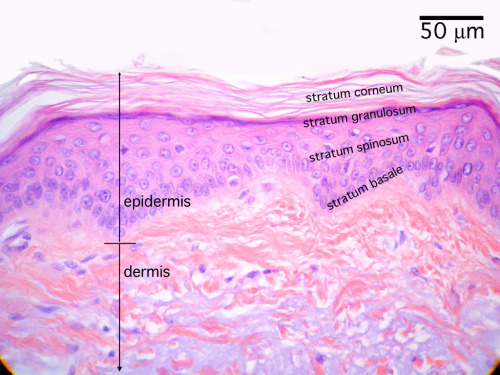
1.Stratum Corneum
2.Stratum Granulosum
3.Stratum Spinosum
4.Stratum Basale
5 Layers of thick skin

1.Stratum Corneum
2.Stratum Lucidum
3.Stratum Granulosum
4.Stratum Spinosum
5.Stratum Basale
Stratum Basale

-aka stratum germinativum
-the deepest layer of the epidermis
-attachment to the basement membrane
-forms epidermal ridges
-contains basal cells, melanocytes, and tactile cells (Merkel cells)
Basal Cells
-cells that divide to replace the more superficial keratinocytes that are shed at the epithelial surface
Stratum Spinosum "Spiny Layer"

-consists of 8-10 layers of keratinocytes bound together by desmosomes
-contains dendritic cells
Dendritic Cells

-aka Langerhans cells
- cells that participate in the immune response
-branching projections
Stratum Granulosum "Grainy Layer"
%20stratification.jpg)
-consists of 3-5 layers of keratinocytes
-produces large amounts of keratin & keratohyalin
Keratin
-A tough, fibrous protein
-the basic component of hair & nails in humans
Stratum Lucidum "Clear Layer"

-only in thick skin
-cells are flattened, densely packed without organelles, and filled with keratin
Stratum Corneum
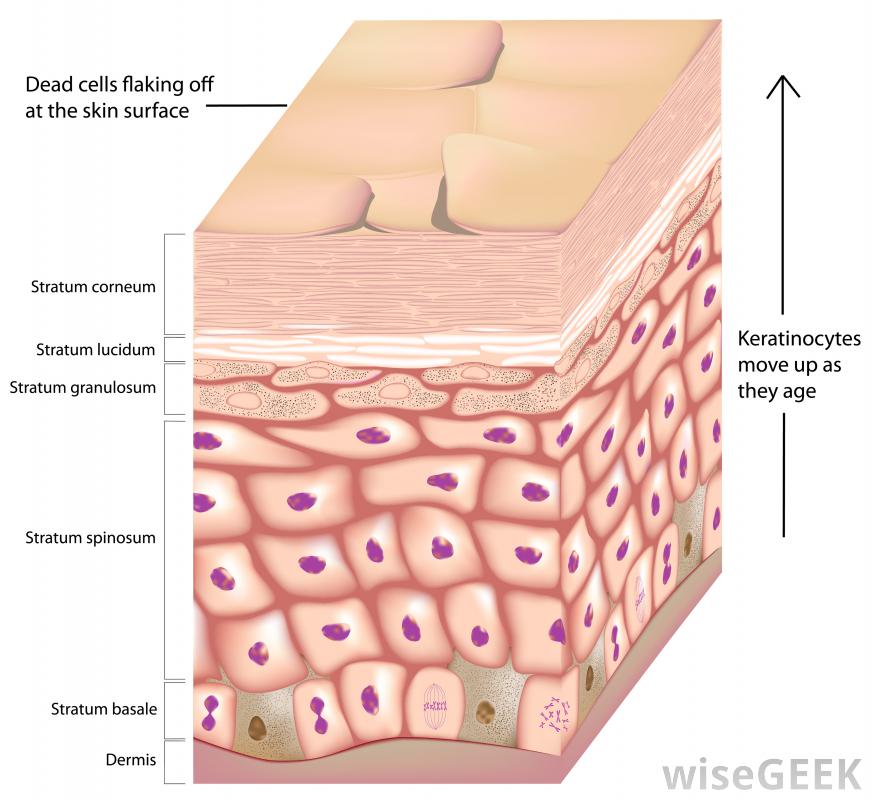
-exposed surface
-contains 15-30 layers of keratinized cells
-water resistant (NOT WATERPROOF)
Keratinization
-the formation of protective, superficial layers of cells filled with keratin
-takes place on all exposed skin surface, except the anterior surfaces of the eyes
How long does it take for a cell to move from the Stratum Basale to the Stratum Corneum?

Around 7-10 days
Insensible Perspiration
-water from interstitial fluids slowly penetrates to the surface and evaporates into the air
-you are unable to see or feel this water loss
Sensible Perspiration
-produced by active sweat glands
-you are aware of this water loss
What are the two pigments found in the epidermis?
Carotene and Melanin
Carotene
An orange-yellow pigment that normally accumulates in epidermal cells
-most apparent in the cells of the stratum corneum of light skinned individuals
Melanin

pigment produced by the melanocytes
1.Pheomelanin (red-yellow form)
2.Eumelanin (brown-black form)
Melanocytes
-manufacture both types of melanin from the amino acid tyrosine and packages it into intracellular vesicles called melanosomes
The __________ in keratinocytes protects your epidermis and dermis from the harmful effects of sunlight, which contains significant amounts of ultraviolet radiation (UV).
melanin
Blood contains red blood cells filled with the pigment ___________, which binds and transports oxygen in the bloodstream.
hemoglobin
Cyanosis
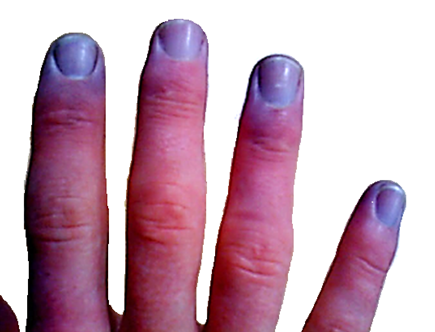
when the skins turns blue
-occurs in response to extreme cold or results of cardiovascular or respiratory issues