Year 9/10 Language Features
Noun
a person, place, thing, idea
eg: table, person, cat
Pronoun
Refers to the noun
eg: I, me, he, she, it, they, them, us, we
Verb
an action word
eg: run, walk, study, watch, talk
Verbs change form: ran, run; study, studied
Adverb
Describes how an action was performed
eg: Malachi ran fast.
Often ends in -ly; Malachi ran slowly.
Adjective
Describes a noun
eg: The smooth desk; the fuzzy dog
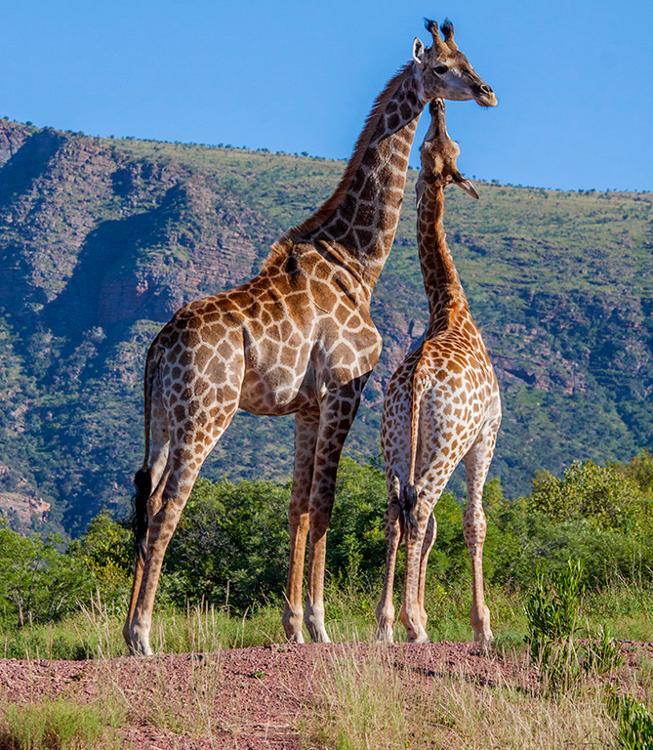
Comparative
An adjective that compares TWO things
eg: Eru is taller than Sonny.
Don't forget: 3+ syllables = MORE (word) eg: more beautiful
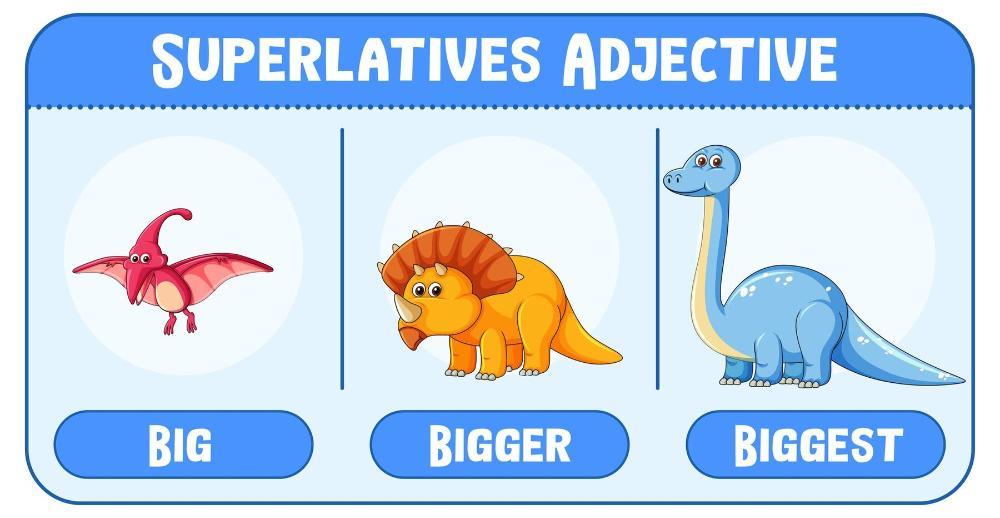
Superlative
Compares one thing to many
eg: Eru is the tallest in the class.
Don't forget: 3+ syllables = MOST (word) eg: most beautiful

Listing
To name several items in a row
eg: When I go to Wellington, I'll pack my toiletries, clothes, and a pillow.
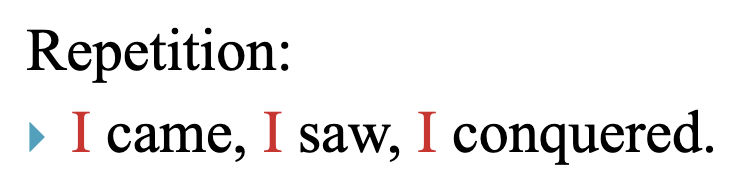
Repetition
Repeating a word or phrase on purpose to create rhythm
eg: I have told you and told you and told you to brush your teeth!
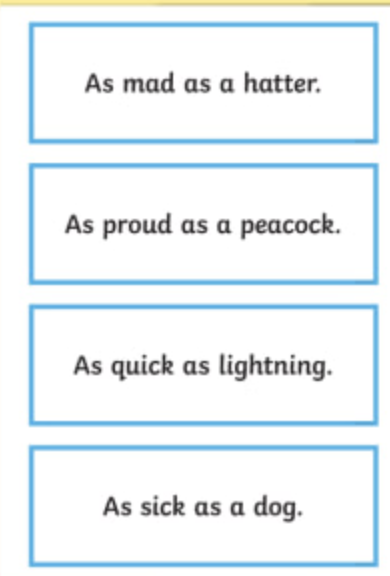
Simile
To compare one thing to another to help the reader imagine; uses "like" or "as" to do so
My love is like a flaming sword.
Onomatopoeia
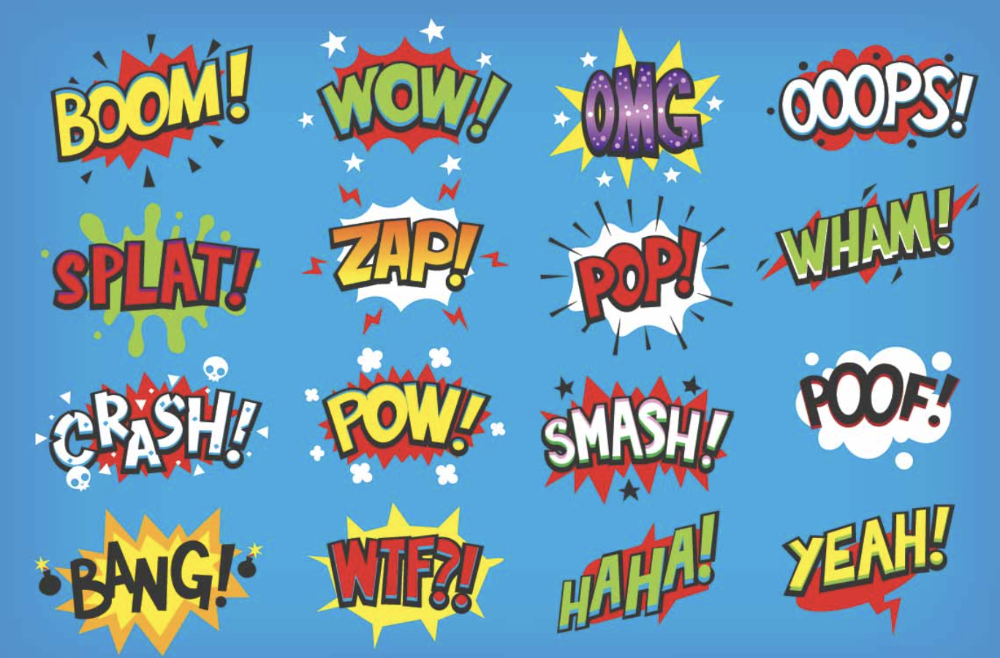
A word that creates a specific sound
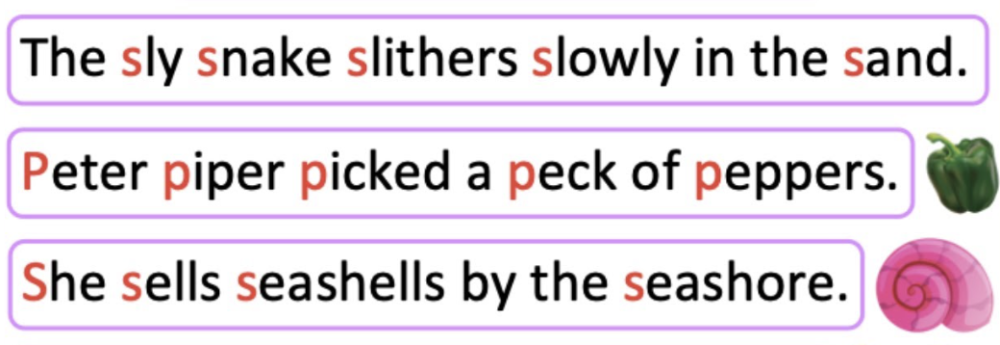
Alliteration
When the start of more than two words make the same sound
The crazy kitty ran in circles. (Notice the starting sound of "circle" is /S/, not /K/
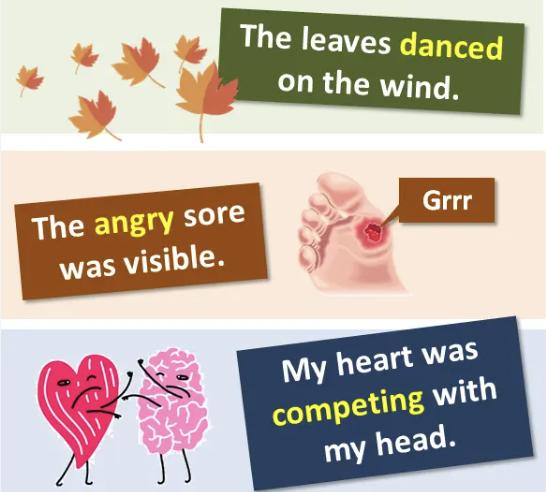
Personification
To make a non-human thing do a human-like action
The wind whispered through the trees.
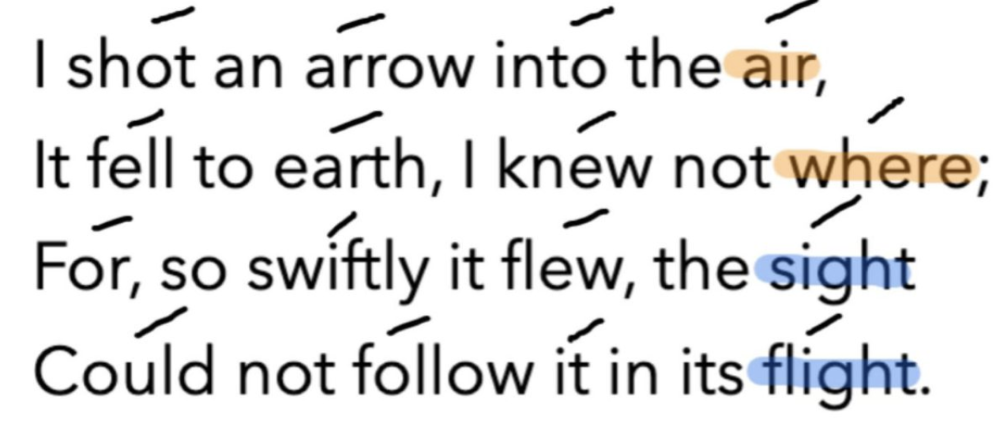
Rhyme
When the ending words sound similar
Five foot two,
Eyes of blue...
Oh what those five feet can do!
(Hasq2
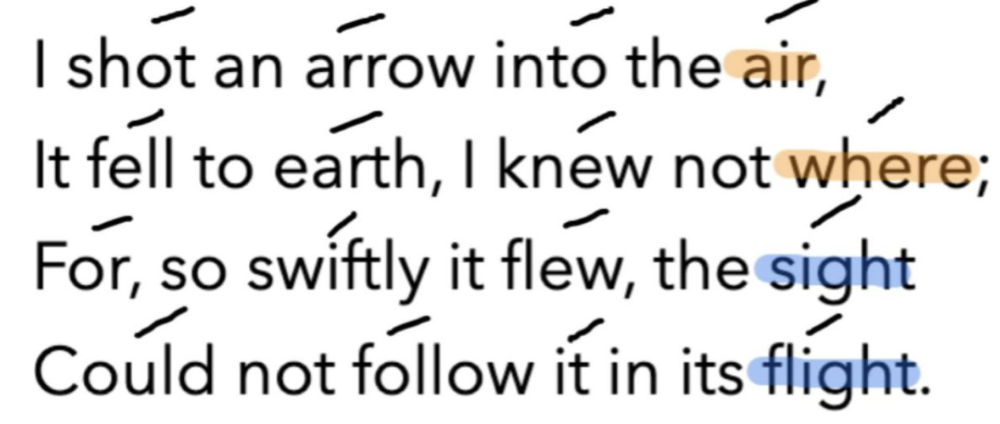
Rhythm
Using syllables to create a sound pattern
eg: Two households, both alike in dignity (10) / In fair Verona, where we lay our scene (10) / From ancient grudge break to new mutiny (10) / Where civil blood makes civil hands unclean (10)