Ancient Greek, Roman, and Etruscan Art; AP Art History
Athenian Agora, Artist/Culture
Greek
Anavysos Kouros, Artist/Culture
Greek
Peplos Kore from the Acropolis, Artist/Culture
Greek
Niobides Krater, Artist/Culture
Niobid Painter (Greek)
Doryphoros (Spear Bearer), Artist/Culture
Polykleitos (Greek)
Acropolis, Artist/Culture
Iktinos and Kallikrates (Greek)
Grave Stele of Hegeso, Artist/Culture
Kallimachos (Greek)
Winged Victory of Samothrace, Artist/Culture
Greek
Great Alter of Zeus and Athena at Pergamon, Artist/Culture
Greek
Seated Boxer, Artist/Culture
Greek
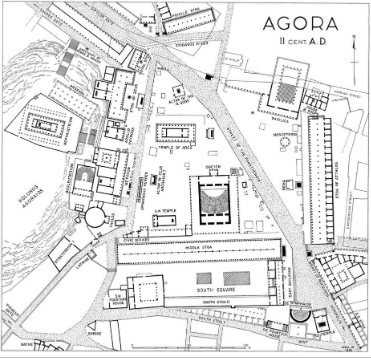
Athenian Agora
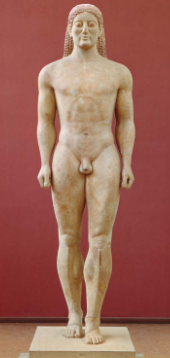
Anavysos Kouros
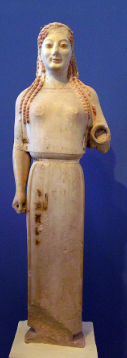
Peplos Kore from the Acropolis
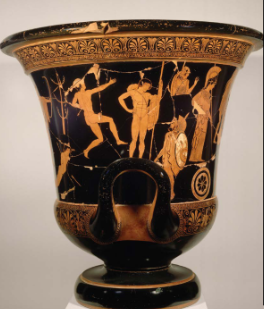
Niobides Krater
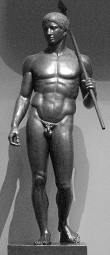
image is of a rendition of the bronze original, not the Roman marble copy
Doryphoros (Spear Bearer)
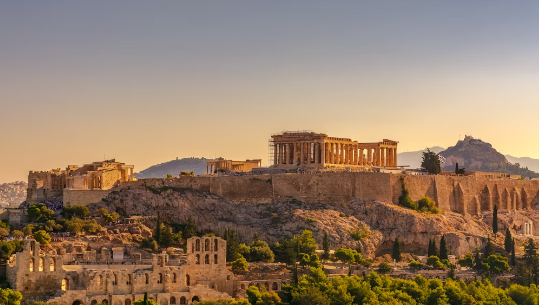
Acropolis
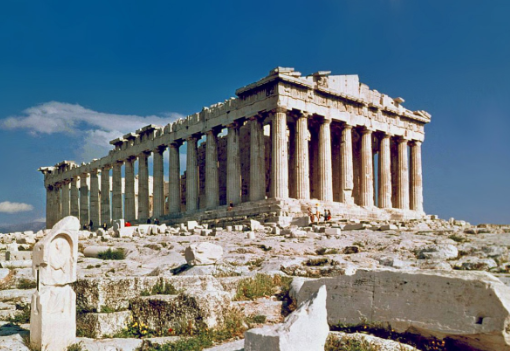
Parthenon
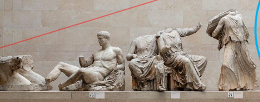
Helios, Horses, and Dionysus
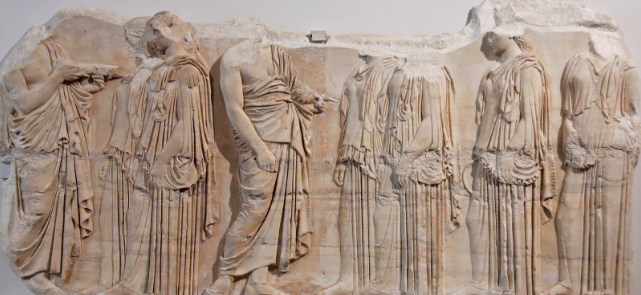
Plaque of the Ergastines
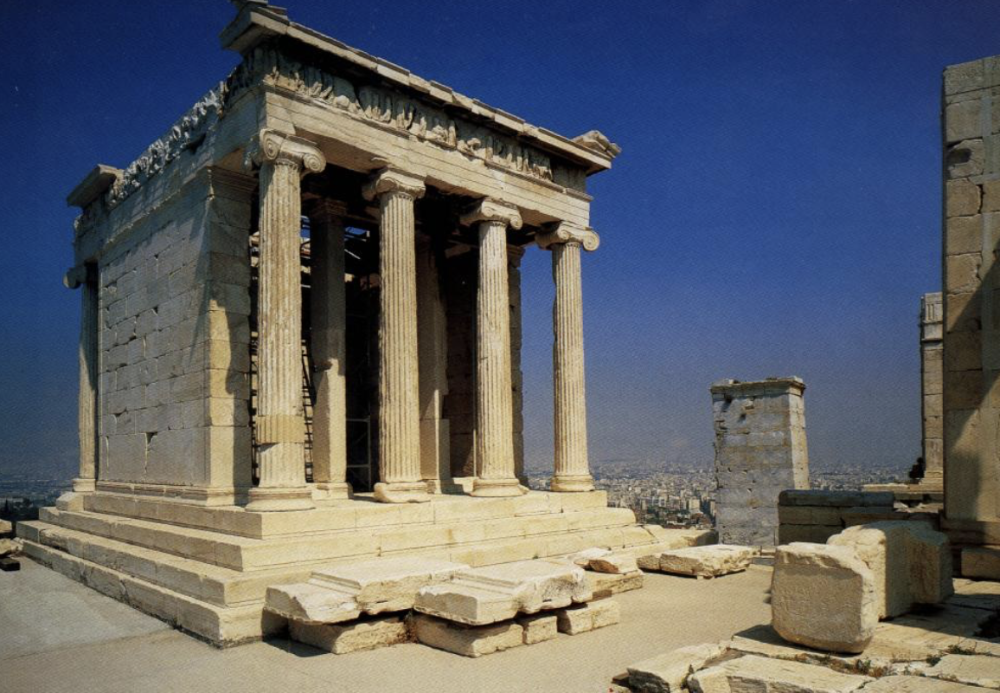
Temple of Athena Nike
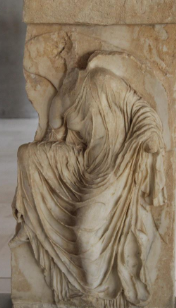
Victory (Nike) Adjusting Her Sandal
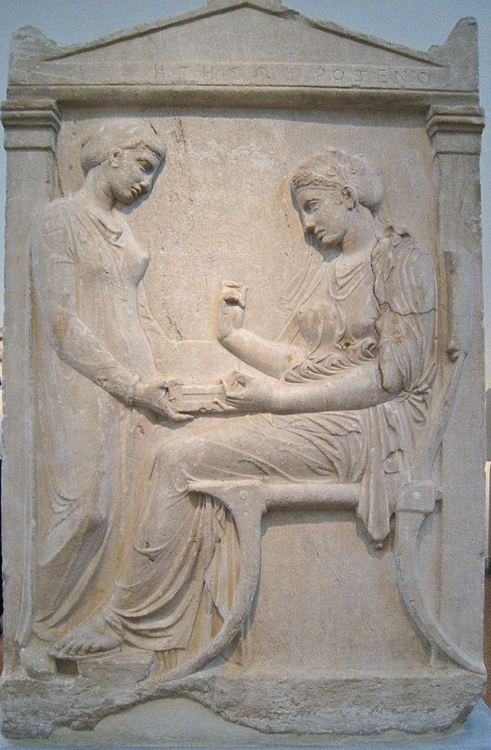
Grave Stele of Hegeso
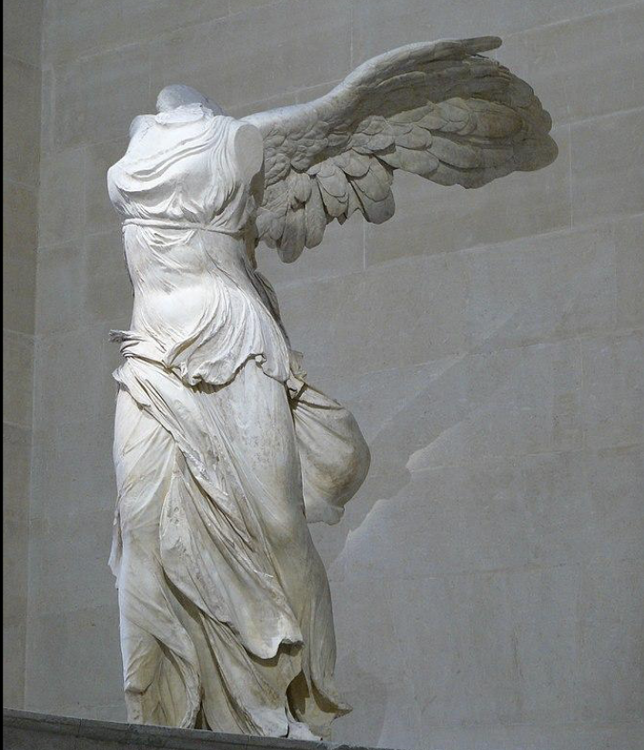
Winged Victory of Samothrace
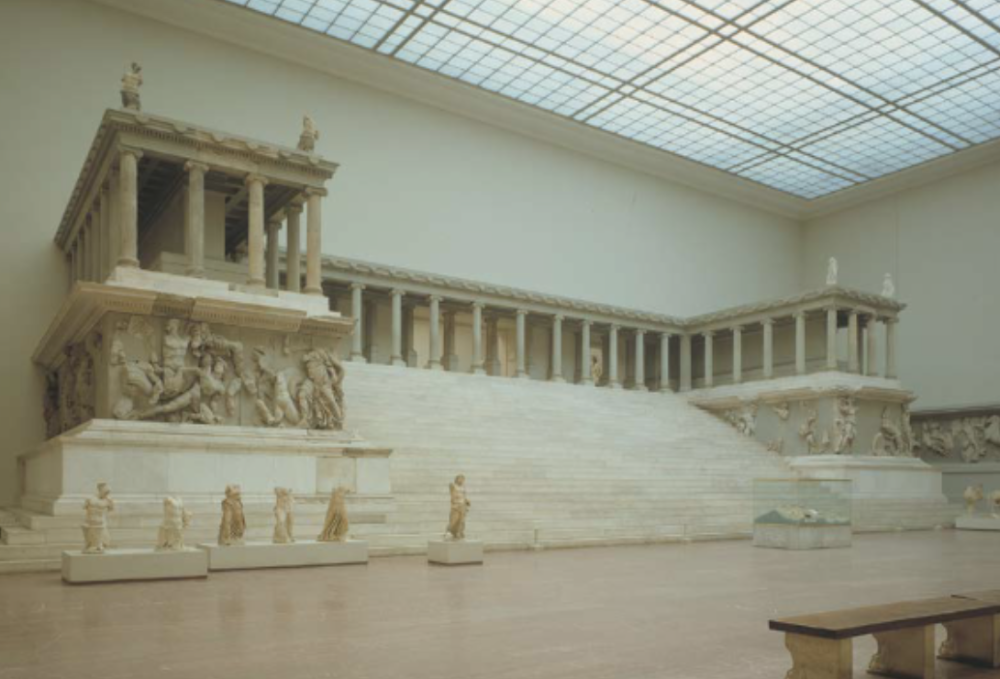
Great Altar of Zeus and Athena at Pergamon

Athena Frieze
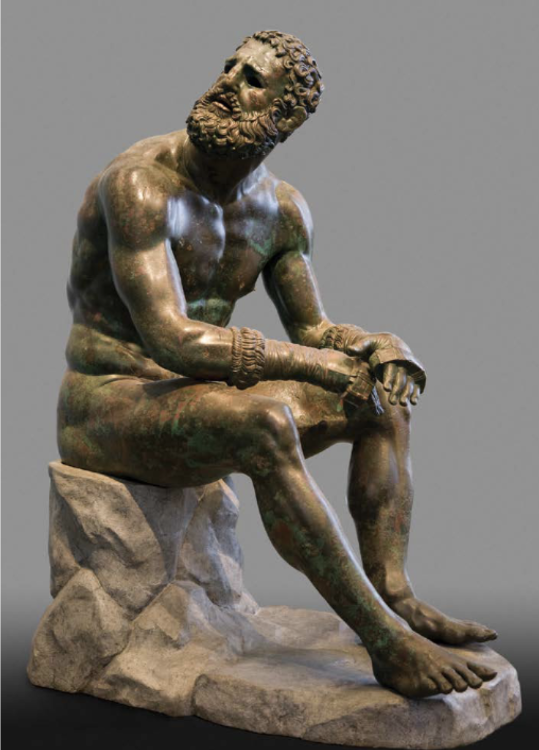
Seated Boxer
Athenian Agore, Style
Archaic through Hellenistic
Anavysos Kouros, Style
Archaic
Peplos Kore, Style
Archaic
Niobides Krater, Style
Classical
Doryphoros, Style
Classical
Acropolis, Style
Classical
Grave Stele of Hegeso, Style
Classical
Winged Victory of Samothrace, Style
Hellenistic
Great Altar of Zeus and Athena at Pergamon, Style
Hellenistic
Seated Boxer, Style
Hellenistic
Athenian Agora, Medium
Plan
Anavysos Kouros, Medium
Marble and Paint
Peplos Kore, Medium
Marble and Paint
Niobides Krater, Medium
Clay, red-figure technique with white highlights
Doryphoros, Medium
Roman Marble Copy of Greek Bronze Original
Acropolis, Medium
Marble
Grave Stele of Hegeso, Medium
Marble and paint
Winged Victory of Samothrace, Medium
Marble
Great Altar of Zeus and Athena at Pergamon, Medium
Marble
Seated Boxer, Medium
Bronze
Athenian Agora, Location
Athens, Greece
Peplos Kore, Location
Acropolis, Athens, Greece
Acropolis, Location
Athens, Greece
Great Altar of Zeus and Athena, Location
Pergamon, Turkey
Acropolis
Greek, "high city," means a rugged, raised rock; site of the city's most important temple(s)
Acroterion
acroteria (pl); sculpture in the round placed on a roof
Agora
an open square or space used for public meetings or business in Ancient Greece
Amphiprostyle
having four columns both in the front and rear of a temple
Black-figure
silhouetting of dark figures against a light background of natural, reddish clay, with linear details incised through the silhouettes
Cella
the main shrine room of a temple where a cult statue is housed
Contraposto
a graceful arrangement of the body based on tilted shoulders and hips and bent knees
encaustic
paint made of pigment mixed with wax
entablature
lintel above the columns; contains the architrave and the frieze
entasis
slight bulging or curve in the shaft of a column to correct the visual illusion of concavity
fluted shaft
shallow vertical grooves running along the long, narrow cylinder that comprises the majority of the column
frieze
a broad horizontal band of decoration and/or sculpture on architecture
gigantomachy
battle between gods and giants in Greek mythology
Isocephalism
tradition of depicting heads of figures on the same level; implies a single ground line
kiln
an oven used for making pottery
kouros (m) / kore (f)
an archaic Greek sculpture of an idealized standing youth
krater
a large Ancient Greek bowl used for mixing water and wine
lost-wax casting
a sculpture that is carved out of clay and dipped in wax; the sculpture is put into a clay casting and heated so that the wax will drip out of a hole at the bottom; as a result, space is left between the clay casting and the clay interior; molten metal is then poured into this space; after cooling, the case is cracked so that the now-metal sculpture can be released
metopes
space between two triglyphs in a Doric frieze; often decorated with low relief carving
order
a style represented by a characteristic design of the columns and entablature
panathenaic way
a ceremonial road for a procession built to honor Athena
parapet
low protective wall or barrier
parthenos
virgin; often used to refer to Athena as Athena Parthenosq
pediment
the triangular top of a classical building; typically on top of an entablature and a portico
peplos
a garment worn by women in Ancient Greece, usually full length and tied at the waist
peristyle
colonnade around the perimeter of the building
red-figure
in later Greek pottery, the silhouetting of red figures against a black background, with painted linear details; the reverse of black-figure painting
stoa
covered walkway attached to a building; used as a framing device for the structure
stylobate
the floor of a temple
triglyph
part of a Doric entablature frieze; has three vertical grooves
wet drapery
deeply incised drapery that is clingy and tight so that it reveals the shape of the body
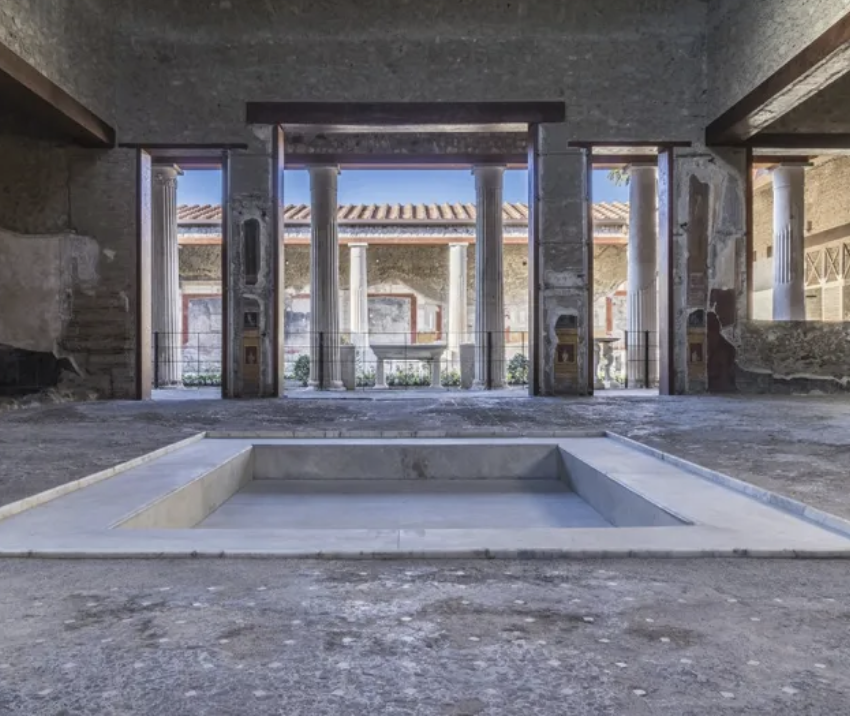
House of the Vettii

Alexander Mosaic
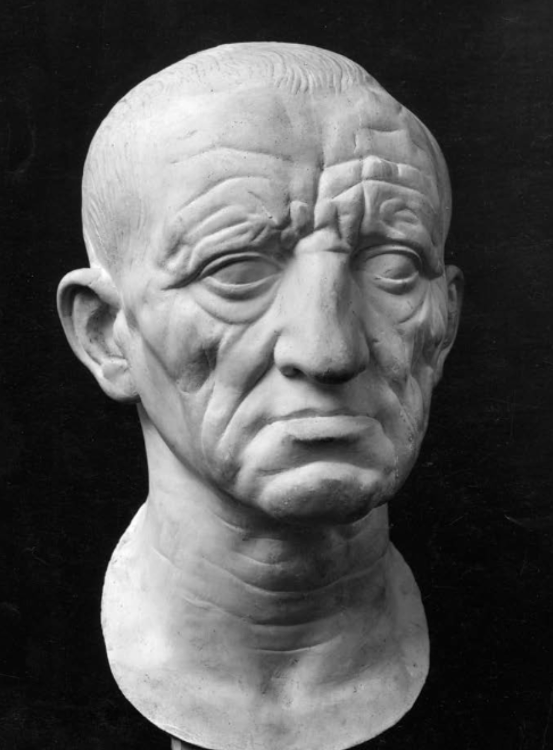
Head of a Roman Patrician
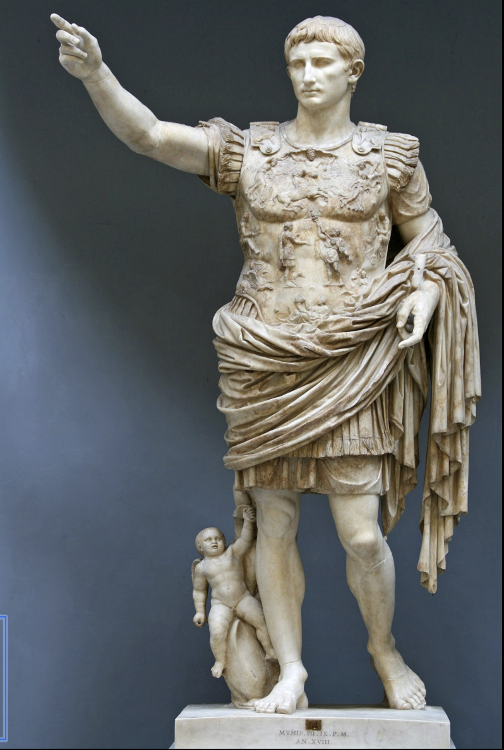
Augustus of Prima Porta
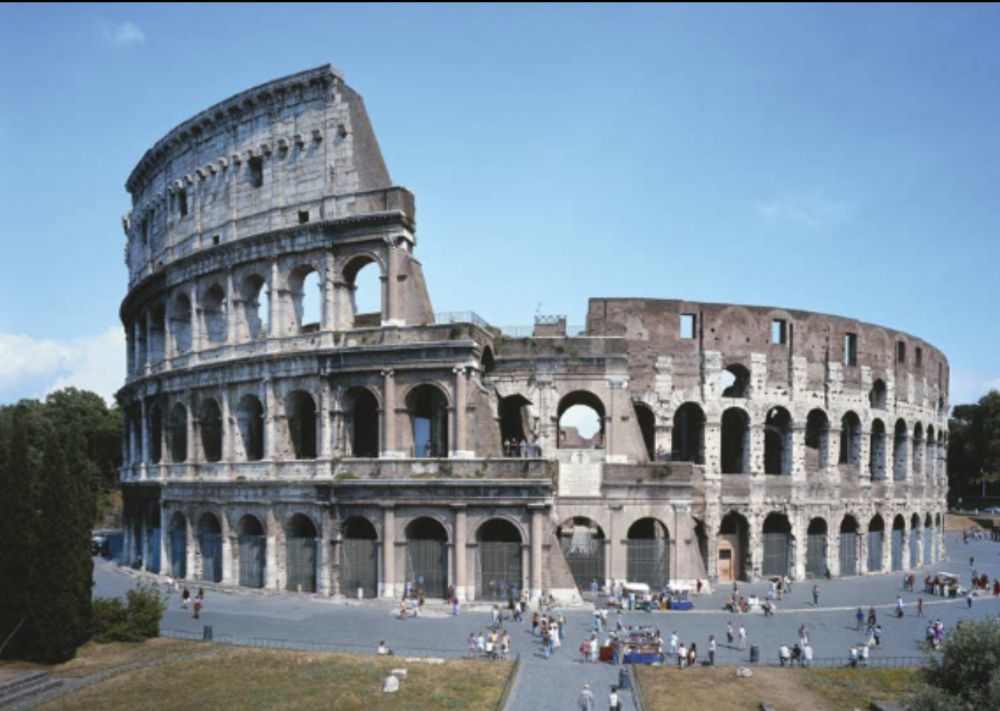
Colosseum (Flavian Amphitheater)
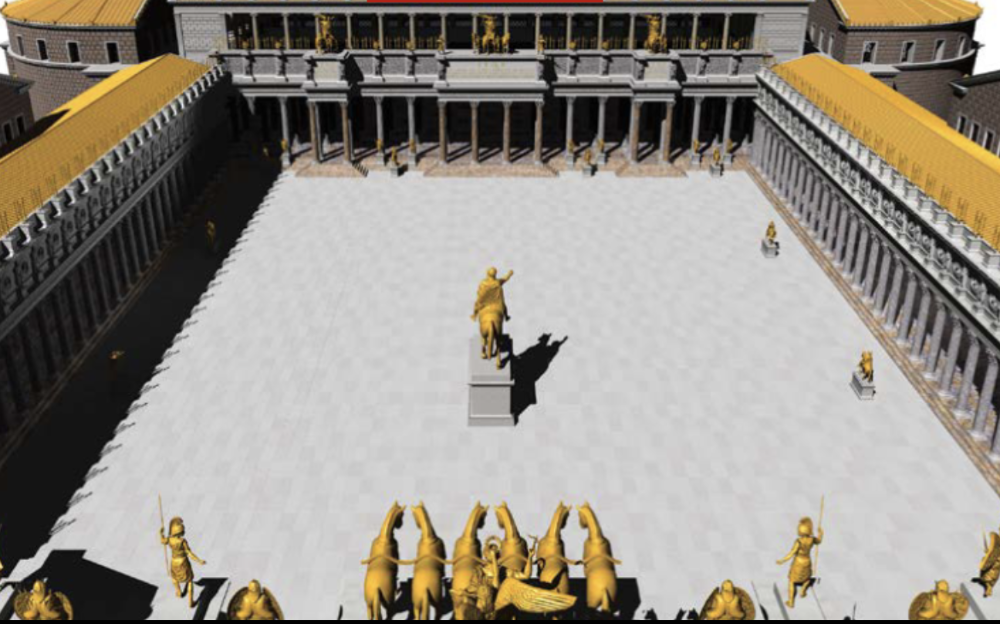
Forum of Trajan

Trajan Markets
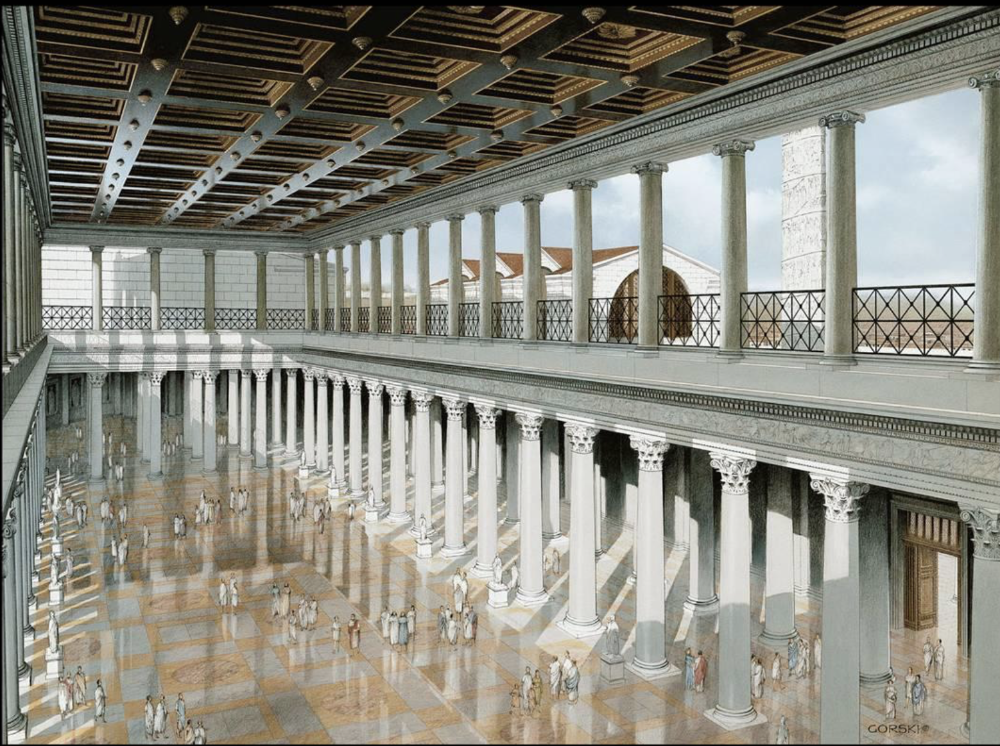
Basilica Ulpia
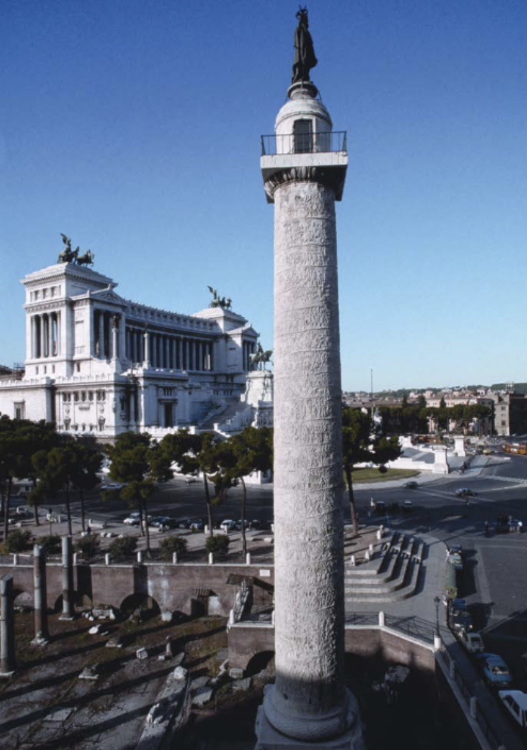
Column of Trajan
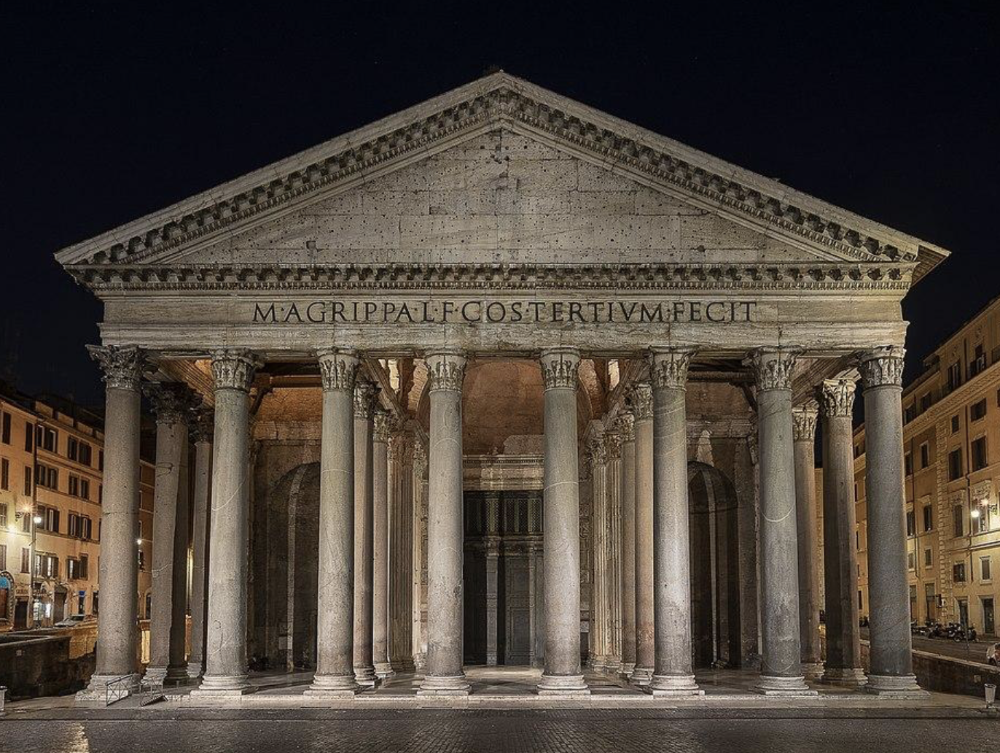
Pantheon

Ludovisi Battle Sarcophagus
House of the Vettii, Artist/Culture
Roman
Alexander Mosaic, Artist/Culture
Roman
Head of a Roman Patrician, Artist/Culture
Roman
Augustus of Prima Porta, Artist/Culture
Roman
Colosseum (Flavian Amphitheater), Artist/Culture
Roman
Forum of Trajan, Artist/Culture
Apollodorus of Damascus
Pantheon, Artist/Culture
Roman
Ludovisi Battle Sarcophagus, Artist/Culture
Roman
House of the Vettii, Style
Early Empire
Alexander Mosaic, Style
Republic
Head of a Roman Patrician, Style
Republic
Augustus of Prima Porta, Style
Early Empire
Forum of Trajan, Style
High Empire
Pantheon, Style
High Empire
Ludovisi Battle Sarcophagus, Style
Late Empire
House of the Vettii, Medium
Cut stone and fresco
Alexander Mosaic, Medium
Mosaic
Head of a Roman Patrician, Medium
Marble
Colosseum, Medium
Stone and Concrete
Forum of Trajan, Medium
Brick and Concrete (architecture); marble (columns)
Pantheon, Medium
concrete with stone facing
Ludovisi Battle Sarchophagus, Medium
Marble
House of the Vettii, Location
Pompeii, Italy
Alexander Mosaic, Location
House of Faun, Pompeii
Colosseum, Location
Rome, Italy
Forum of Trajan, Location
Rome, Italy
Pantheon, Location
Rome, Italy
apse
the semicircular rounded end of a basilica OR the endpoint of a church where the altar is located
arcade
an open-air courtyard in a Roman house or forum
Basilica
in Roman and Christian architecture, an axially planned building with a long nave, side aisles, and apses (in Christian architecture, this is where the altar is placed)
bust
a sculpture depicting a head, neck, and upper chest of a figure
clerestory
the top of a church nave that is windowed and lets in light
coffer
in architecture, a sunken panel in a ceiling to lighten the weight of the ceiling
cubicula
small underground rooms in catacombs serving as mortuary chapels OR a roman bedroom flanking an atrium
cupola/dome
a rounded, circular roof; achieved by rotating an arch on its axis 180 degrees
engaged column
a column that is still attached to a wall
foreshortening
a visual effect in which an object is shortened and turned deeper into the picture plane to give the effect of receding in space
forum
a public square with market place in a Roman city
fresco
a painting technique that involves applying paint onto a freshly plastered wall; the paint forms a bond with the plaster and becomes durable and long-lasting
impluvium
a rectangular basin in a Roman house that is placed in the open-air atrium in order to collect rain water
keystone
the center stone of an arch that holds the others in place
mosaic
a decoration using pieces of stone, marble, or colored glass, called tesserae, that are cemented to a wall or floor
nave
the main aisle of a church
oculus
a round opening at the top of a dome
peristyle
an atrium surrounded by columns in a Roman house
perspective
depth and recession in a painting
linear perspective
a mathematical system for creating the illusion of space and distance on a flat surface
orthogonals
straight lines emanating from the vanishing point
horizon line
the physical line at which sky meets land; this will be wherever the vanishing point is
vanishing point
a point in the picture plane that is the intersection of orthogonals
atmospheric/aerial perspective
the effect the atmosphere has on the appearance of an object as it is viewed from a distance (contrast decreases; colors become less saturated)
portrait bust
a sculptured representation of the upper part of the human figure including the head and neck and usually part of the shoulders and breast
taberna
single-room shops covered by a wide doorway
tesserae
small pieces of colored stone or marble; used to create a mosaic
vault
a ceiling constructed with arches
barrel vault
an arch extended into space horizontally that is curved at the top
groin vault
two intersecting barrel vaults
veristic
sculptures from the Roman Republic characterized by extreme realism (and even exaggeration) of facial features
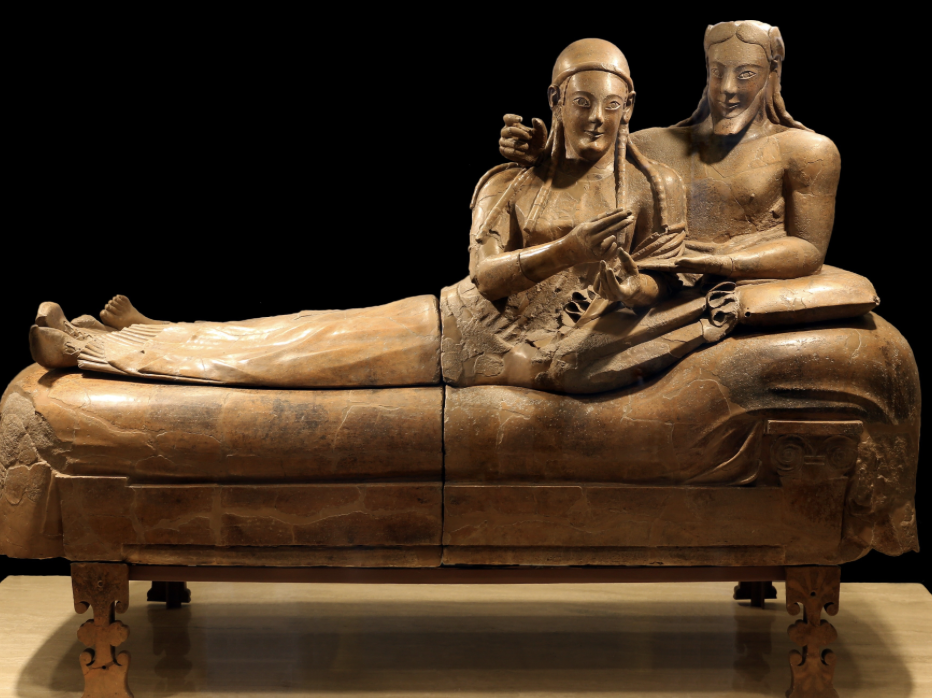
Sarcophagus of the Spouses
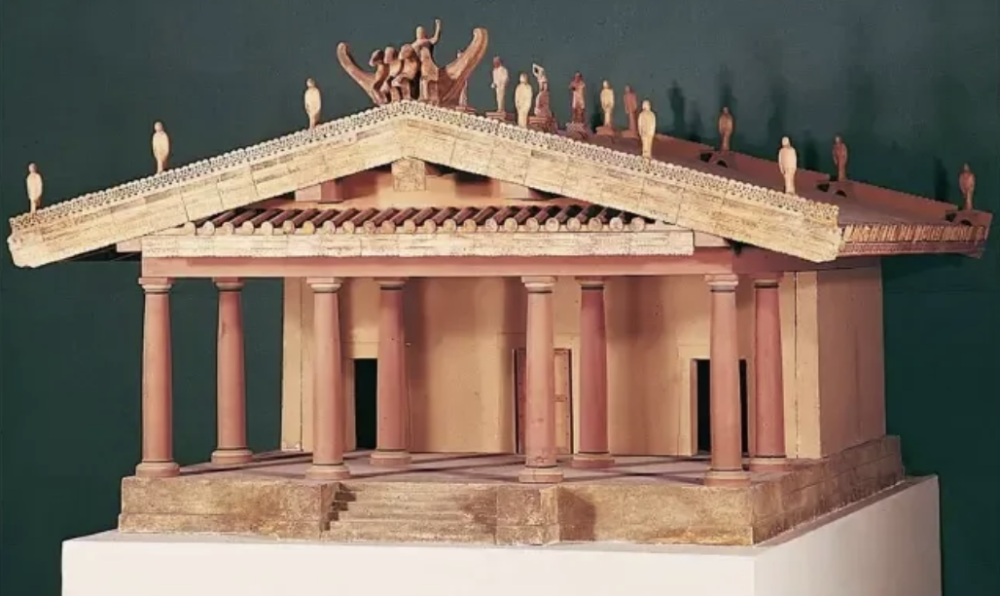
Temple of Minerva
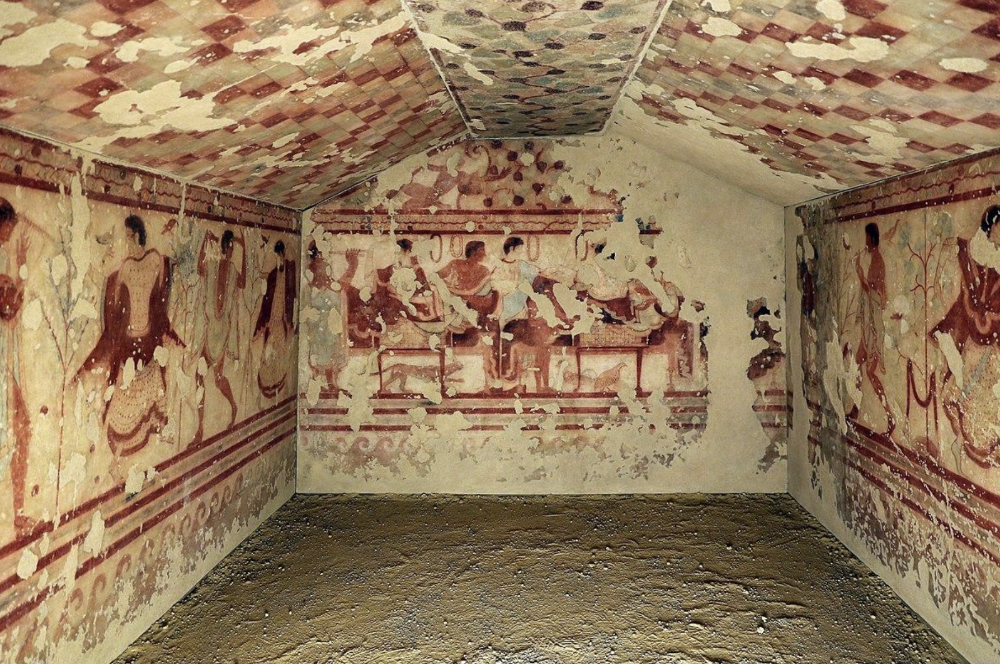
Tomb of the Triclinium
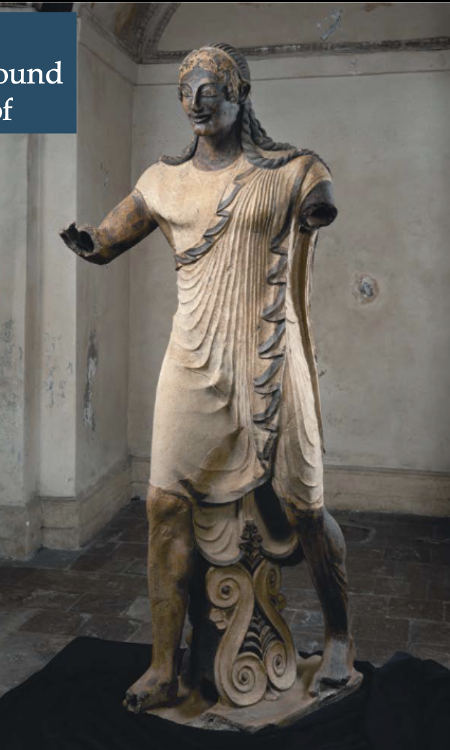
Sculpture of Apollo
Sarcophagus of the Spouses, Artist/Culture
Etruscan
Temple of Minerva and Sculpture of Apollo, Artist/Culture
Master Sculptor Vulca
Tomb of the Triclinium, Artist/Culture
Etruscan
Sarcophagus of the Spouses, Medium
Terra Cotta
Temple of Minerva and Sculpture of Apollo, Medium
original temple of wood, mud brick, and tufa (volcanic rock); terra cotta sculpture
Tomb of the Triclinium, Medium
tufa and fresco
Temple of Minerva and Sculpture of Apollo, Location
Veli, Italy
Tomb of the Triclinium, Location
Tarquinia, Italy
acroterion
sculptures in the round placed on the roof
necropolis
literally a "city of the dead," large burial area
fresco
a painting technique that involves applying paint onto a freshly plastered wall; the paint forms a bond with the plaster and becomes durable and long-lasting
tufa
a type of limestone
tumulus
burial mounds in Etruscan architecture, tumuli covered one or more subterranean multi-chambered tombs cut out of the local tufa
triclinium
a dining table in ancient Italy that has a couch on three sides for reclining at meals
tuscan
an order of ancient architecture featuring slender, smooth wooden columns that sit on simple bases; no carvings on frieze or capitals