Week 5 - Chemistry
In a covalent bond
A) two atoms exchange electrons and the ions are attracted to one another.
B) two ions come together and form a crystal lattice.
C) two atoms share valence electrons and those shared electrons form the chemical bond.
D) two elements react and form a new compound.
C) two atoms share valence electrons and those shared electrons form the chemical bond.
Which of the following is an example of a covalent bond?
A) K - Cl
B) Al - Cl
C) H - Cl
D) Al - Al
C) H - Cl
What is the correct IUPAC name for BrCl₃?
bromine trichloride
What is the correct IUPAC name for CBr₄?
carbon tetrabromide
What is the correct IUPAC name for CBr₄?
carbon tetrabromide
What is the correct IUPAC name for NI₃?
nitrogen triiodide
What is the correct IUPAC name for N₂O₄?
dinitrogen tetroxide
What is the correct IUPAC name for P₄S₃?
tetraphosphorus trisulfide
What is the correct IUPAC name for SeO₂?
selenium dioxide
What is the correct IUPAC name for S₂Cl₈?
disulfur octachloride
What is the correct IUPAC name for TeBr₆?
tellurium hexabromide
What is the correct IUPAC name for Se₂I₈?
diselenium octaiodide
What is the correct IUPAC name for SO₃?
sulfur trioxide
What is the correct IUPAC name for TeF₄?
tellurium tetrafluoride
What is the correct IUPAC name for AsBr₃?
arsenic tribromide
What is the correct IUPAC name for As₂S₅?
diarsenic pentasulfide
What is the correct IUPAC name for SbCl₃?
antimony trichloride
Write the chemical formula for arsenic pentafluoride
AsF₅
Write the chemical formula for bromine pentachloride
BrCl₅
Write the chemical formula for carbon tetrafluoride
CF₄
Write the chemical formula for dichlorine heptoxide
Cl₂O₇
Write the chemical formula for dinitrogen tetroxide
N₂O₄
Write the chemical formula for diphosphorus pentabromide
P₂Br₅
Write the chemical formula for nitrogen trichloride
NCl₃
Write the chemical formula for selenium hexafluoride
SeF₆
Write the chemical formula for sulfur tetraiodide
SI₄
Write the chemical formula for tellurium hexaiodide
TeI₆
Write the chemical formula for tetraphosphorus hexasulfide
P₄S₆
P₄S₆
Which has the correct name-formula combination?
A) Chlorine pentafluoride - ClF
B) Diphosphorus pentoxide - P₂O
C) Carbon tetraiodide - CI₄
D) Sulfur tetrafluoride - SF
C) Carbon tetraiodide - CI₄
Which has the incorrect name-formula combination?
A) Sulfur dioxide - SO₂
B) Iodine trifluoride - IF
C) Nitrogen tribromide - NBr₃
D) Silicon tetrafluoride - SiF₄
B) Iodine trifluoride - IF
Which of the following is the correct Lewis symbol for a neutral atom of Al?
A) see problem image
B) see problem image
C) see problem image
D) see problem image
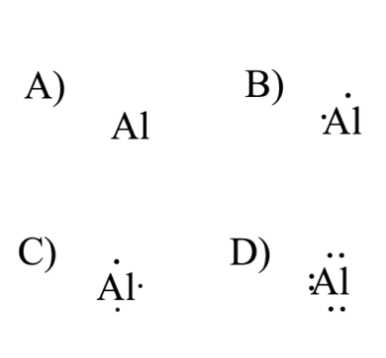
C) see problem image
Which of the following is the correct Lewis symbol for a neutral atom of F?
A) see problem image
B) see problem image
C) see problem image
D) see problem image
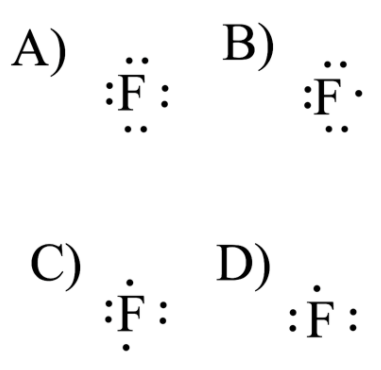
B) see problem image
Which of the following is the correct Lewis symbol for a neutral atom of O?
A) see problem image
B) see problem image
C) see problem image
D) see problem image
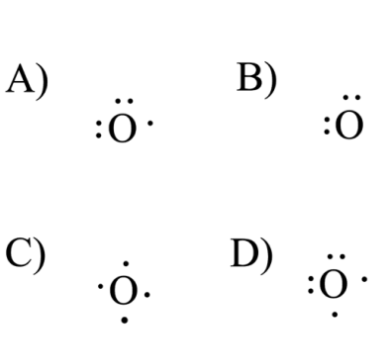
D) see problem image
Which of the following is not a valid Lewis symbol?
A) see problem image
B) see problem image
C) see problem image
D) see problem image
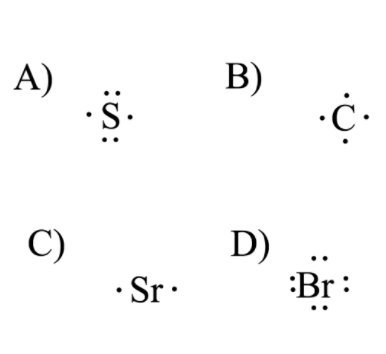
D) see problem image
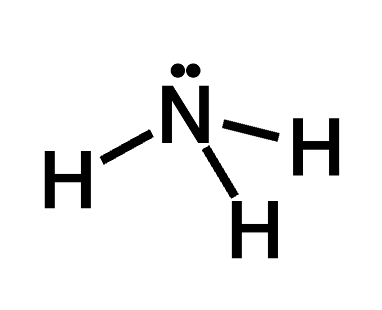
Draw the Lewis structure of ammonia (NH₃).
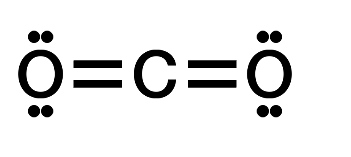
Draw the Lewis structure of carbon dioxide (CO₂).
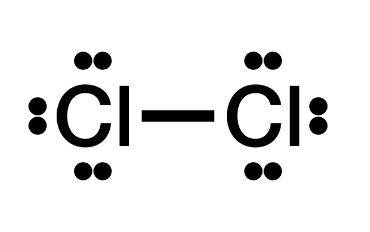
Draw the Lewis structure of Cl₂.
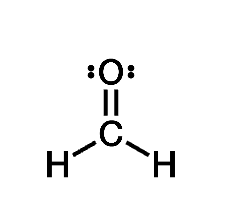
Draw the Lewis structure of formaldehyde (H₂CO).
Draw the Lewis structure of H₂.
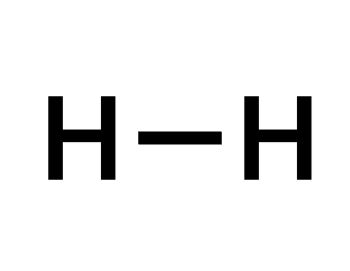
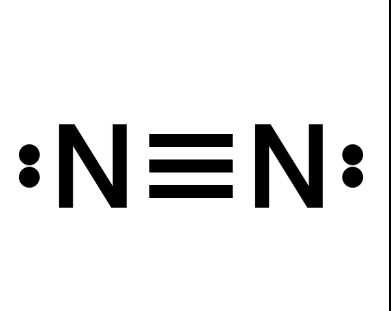
Draw the Lewis structure of N₂.
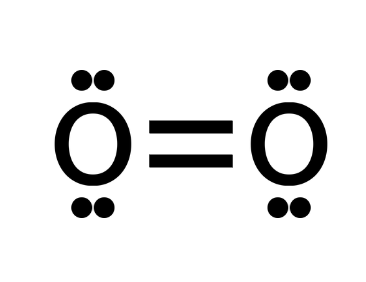
Draw the Lewis structure of O₂.
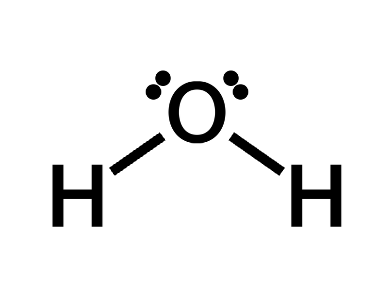
Draw the Lewis structure of water (H₂O).
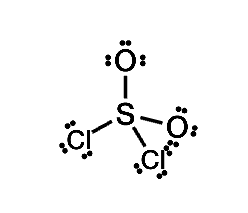
A skeletal structure for SO₂Cl₂ is shown below. Starting from this structure, complete the Lewis structure that follows the octet rule on all atoms.
Determine the number of valence electrons in HCN and then draw the corresponding Lewis structure.
A) 13
B) 12
C) 10
D) 9
E) 7
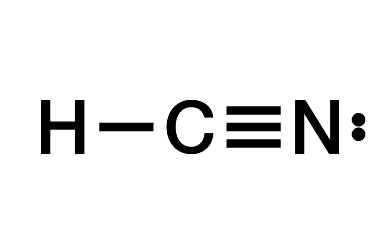
C) 10
Determine the number of valence electrons in POCl₃ and then draw the corresponding Lewis structure (by following the octet rule on all atoms).
A) 30
B) 32
C) 28
D) 31
E) 35
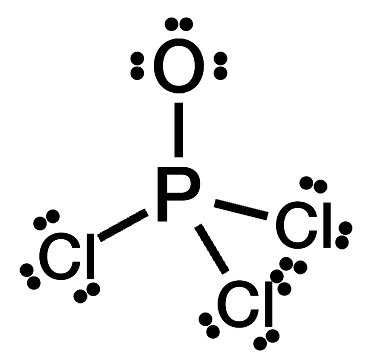
B) 32
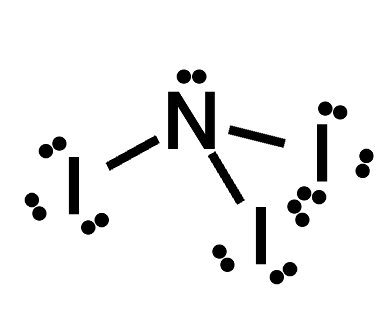
The Lewis structure for NI₃ shown below is incorrect. Starting from this structure, complete the correct structure.
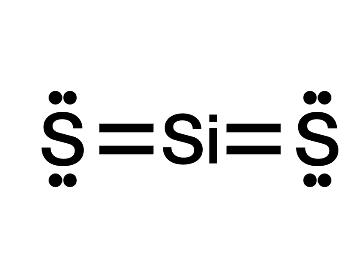
The Lewis structure for SiS₂ shown below is incorrect. Starting from this structure, complete the correct structure.
Determine the number of valence electrons in ethene (C₂H₄) and then draw the corresponding Lewis structure.
A) 11
B) 13
C) 12
D) 15
E) 14
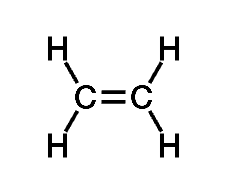
C) 12
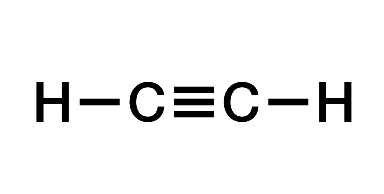
The Lewis structure for ethyne (C₂H₂) shown below is incorrect. Starting from this structure, complete the correct structure.
Determine the number of valence electrons in nitrous acid (HNO₂, sometimes written as HONO) and then draw the corresponding Lewis structure.
A) 22
B) 18
C) 19
D) 15
E) 17
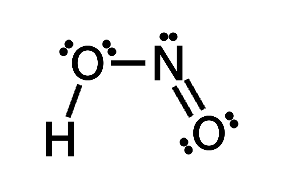
B) 18
A single bond, compared to a double bond,
A) is longer.
B) is stronger.
C) has a higher bond dissociation energy.
D) is not capable of rotation.
A) is longer.
Which of the following has the shortest bond length?
A) a single bond
B) a double bond
C) a triple bond
C) a triple bond
Which of the following has the shortest bond length?
A) a single bond
B) a double bond
C) a triple bond
C) a triple bond
Which one of the following statements best describes electronegativity in atoms?
A) Electronegativity is what happens when an atom gains an electron to become an anion.
B) Electronegativity is the attraction an element's nucleus has for the electrons in a chemical bond.
C) Electronegativity is the energy lost when an atom gains an electron.
D) Electronegativity is the energy absorbed when an atom loses an electron.
B) Electronegativity is the attraction an element's nucleus has for the electrons in a chemical bond.
Which one of the following is the least electronegative atom?
A) Na
B) Cl
C) P
D) Al
A) Na
Which group in the periodic table tends to have high electronegativity values?
A) the alkali metals
B) the noble gases
C) the halogens
D) the transition metals
C) the halogens
Which of the following bonds is a nonpolar covalent bond?
A) H - F
B) N - F
C) F - Cl
D) F - F
D) F - F
Which of the following bonds is a polar covalent bond?
A) Li - Cl
B) Cl - Cl
C) H - Cl
D) Li - Li
C) H - Cl
Based on their positions in the periodic table, which of the following bonds is the most polar?
A) O - F
B) C - F
C) B - F
D) F - F
C) B - F
In a polar covalent bond,
A) both atoms in the bond have the same level of electronegativity.
B) one atom in the bond must have higher electronegativity than the other atom.
C) one atom must be a H atom.
D) both atoms in the bond must be metals.
B) one atom in the bond must have higher electronegativity than the other atom.
Which one of the following statements is FALSE?
A) Ionic bonding results from the transfer of electrons from one atom to another
B) Dipole moments result from the unequal distribution of electrons in a molecule
C) The electrons in a polar bond are found nearer to the more electronegative element
D) A molecule with very polar bonds can be nonpolar
E) Linear molecules cannot have a net dipole moment
E) Linear molecules cannot have a net dipole moment
What is the correct molecular geometry of NH₃ according to Valence Shell Electron Pair Repulsion Theory?
A) trigonal planar
B) trigonal pyramidal (pyramidal)
C) bent
D) tetrahedral
B) trigonal pyramidal (pyramidal)
Draw the Lewis structure of chloroform (CHCl₃) and then determine the ideal bonding angle(s) of the central atom.
A) 180º
B) 90º and 120º
C) 109.5º
D) 120º
E) 135º
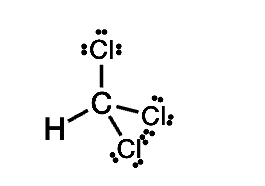
C) 109.5º
Draw the Lewis structure of CHOCl and then determine the ideal bonding angle(s) of the central atom.
A) 120º
B) 45º
C) 135º
D) 90º
E) 60º
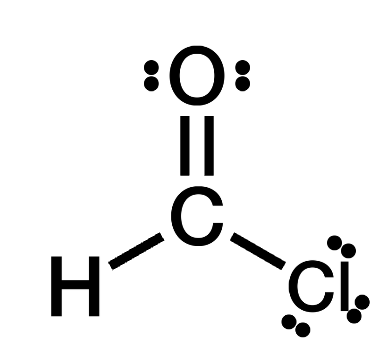
A) 120º
Draw the Lewis structure of ClF₃ (with minimized formal charges) and then determine its electron domain and molecular geometries.
A) trigonal bipyramidal / pentagonal
B) trigonal bipyramidal / t-shaped
C) trigonal / pyramidal
D) trigonal / square planar
E) pyramidal / pentagonal
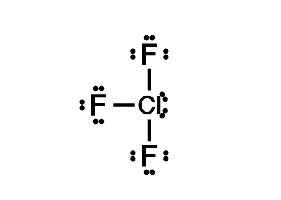
B) trigonal bipyramidal / t-shaped
Draw the Lewis structure of ethyne (C₂H₂) and then choose the appropriate pair of molecular geometries of the two central atoms. Your answer choice is independent of the orientation of your drawn structure.
A) linear / linear
B) trigonal / pyramidal
C) pyramidal / trigonal
D) trigonal pyramidal / trigonal pyramidal
E) planar / linear
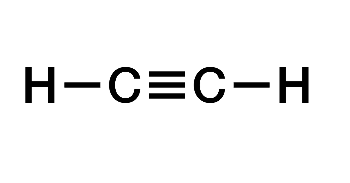
A) linear / linear
Draw the Lewis structure of H₂CS and then determine its electron domain and molecular geometries.
A) planar / tetrahedral
B) trigonal planar / linear
C) trigonal / trigonal planar
D) trigonal planar / trigonal planar
E) planar / planar
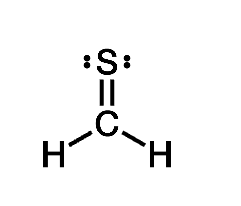
D) trigonal planar / trigonal planar
Draw the Lewis structure of methanol (CH₃OH) and then choose the appropriate pair of molecular geometries of the two central atoms. Your answer choice is independent of the orientation of your drawn structure.
A) bent (109.5º) / bent (120º)
B) tetrahedral / bent (109.5º)
C) trigonal pyramidal / planar
D) planar / trigonal
E) bent (120º) / planar
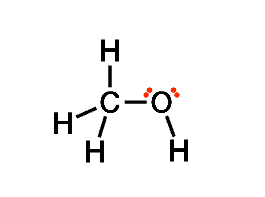
B) tetrahedral / bent (109.5º)
Draw the Lewis structure of ozone (O₃) and then determine its electron domain and molecular geometries.
A) planar / trigonal planar
B) trigonal planar / bent (120º)
C) trigonal / trigonal planar
D) planar / trigonal
E) pyramidal / pyramidal
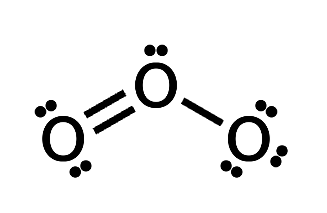
B) trigonal planar / bent (120º)
Draw the Lewis structure of PH₃ and then determine its electron domain and molecular geometries.
A) tetrahedral / bent (109.5º)
B) tetrahedral / trigonal pyramidal
C) trigonal / tetrahedral
D) planar / trigonal pyramidal
E) trigonal planar / trigonal planar
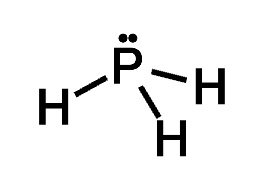
B) tetrahedral / trigonal pyramidal
Draw the Lewis structure of silicon dioxide (SiO₂) and then determine its electron domain and molecular geometries.
A) planar / trigonal pyramidal
B) trigonal planar / bent (120º)
C) planar / trigonal
D) linear / pyramidal
E) linear / linear
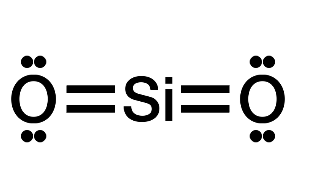
E) linear / linear
Draw the Lewis structure of water (H₂O) and then determine its electron domain and molecular geometries.
A) trigonal planar / trigonal
B) trigonal planar / planar
C) tetrahedral / bent (109.5º)
D) tetrahedral / linear
E) tetrahedral / trigonal planar
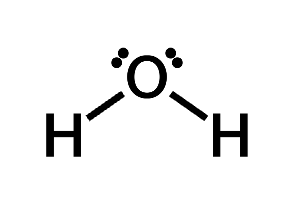
C) tetrahedral / bent (109.5º)
Which of the following bonds is the most polar?
A) P - S
B) C - Cl
C) F - F
D) Rb - Br
E) All bonds have equal polarity.
D) Rb - Br
Draw the Lewis structure of carbon dioxide (CO₂) and then determine if the molecule is polar or nonpolar.
A) Nonpolar
B) Polar
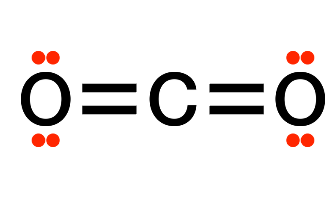
A) Nonpolar
Draw the Lewis structure of carbon tetrafluoride (CF₄) and then determine if the molecule is polar or nonpolar.
A) Nonpolar
B) Polar+
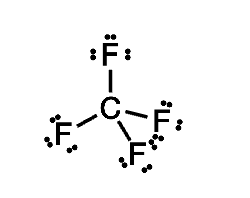
A) Nonpolar
Draw the Lewis structure of formaldehyde (H₂CO) and then determine if the molecule is polar or nonpolar.
A) Nonpolar
B) Polar
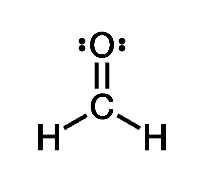
B) Polar
Draw the Lewis structure of O₂ and then determine if the molecule is polar or nonpolar.
A) Nonpolar
B) Polar
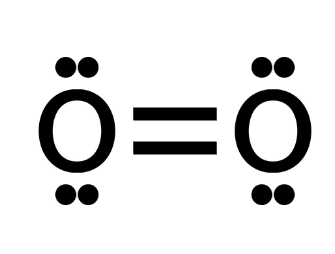
A) Nonpolar
Draw the Lewis structure of water (H₂O) and then determine if the molecule is polar or nonpolar.
A) Nonpolar
B) Polar+
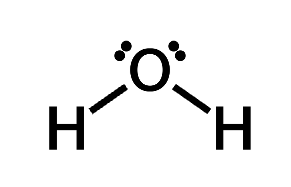
B) Polar
Draw the Lewis structure of PBr₃ and then determine if the molecule is polar or nonpolar.
A) Nonpolar
B) Polar
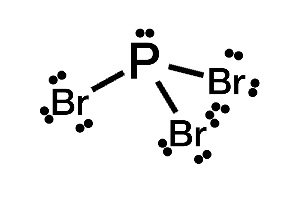
B) Polar
How would you determine the formula weight of NaCl?
A) Add the mass of sodium (22.99 amu) plus the mass of chlorine together (35.45 amu).
B) Multiply the mass of sodium (22.99 amu) by the mass of chlorine (35.45 amu).
C) Divide the mass of chlorine (35.45 amu) by the mass by sodium (22.99 amu).
D) Subtract the mass of chlorine (35.45 amu) from the mass of sodium (22.99 amu).
A) Add the mass of sodium (22.99 amu) plus the mass of chlorine together (35.45 amu).
What are the similarities in how formula weight and molar mass are calculated?
A) Formula weight and molar mass are both calculated by taking the individual atoms' masses in the formula, multiplying them by how many there are in the formula, and then adding the numbers together.
B) Formula weight and molar mass are both calculated by taking the individual atoms' masses in the formula, multiplying them by how many there are in the formula, and then subtracting the numbers from each other.
C) Formula weight and molar mass are both calculated by taking the individual atoms' masses in the formula, dividing them by how many there are in the formula, and then adding the numbers together.
D) Formula weight and molar mass are both calculated by taking the individual atoms mass in the formula, dividing them by how many there are in the formula, and then subtracting the numbers from each other.
A) Formula weight and molar mass are both calculated by taking the individual atoms' masses in the formula, multiplying them by how many there are in the formula, and then adding the numbers together.
Determine the formula weight of KBr.
119.00 amu
Determine the molar mass of CH₃OCH₃.
46.08 g/mol
Determine the molar mass of CH₃OH.
32.05 g/mol
Determine the molar mass of C₆H₁₂O₆.
180.18 g/mol
Which one of the following has the smallest molar mass?
A) Ca(NO₃)₂
B) Ca₃N₂
C) Ca(C₂H₃O₂)₂
D) CaSO₄
D) CaSO₄
The number of covalent bonds carbon forms in organic compounds is ____.
A) 2
B) 3
C) 4
D) 5
E) 6
C) 4
Which of the following formulas represents an organic compound?
A) KCl
B) NH₃
C) Cl₂
D) C₃H₈
E) SiH₄
D) C₃H₈
A hydrocarbon is referred to as __________ if all the bonds in the molecule are single bonds.
A) aromatic
B) saturated
C) unsaturated
D) planar
E) octahedral
B) saturated