Instructions for Side by Side Printing
- Print the notecards
- Fold each page in half along the solid vertical line
- Cut out the notecards by cutting along each horizontal dotted line
- Optional: Glue, tape or staple the ends of each notecard together
EMS Quiz 1
front 1 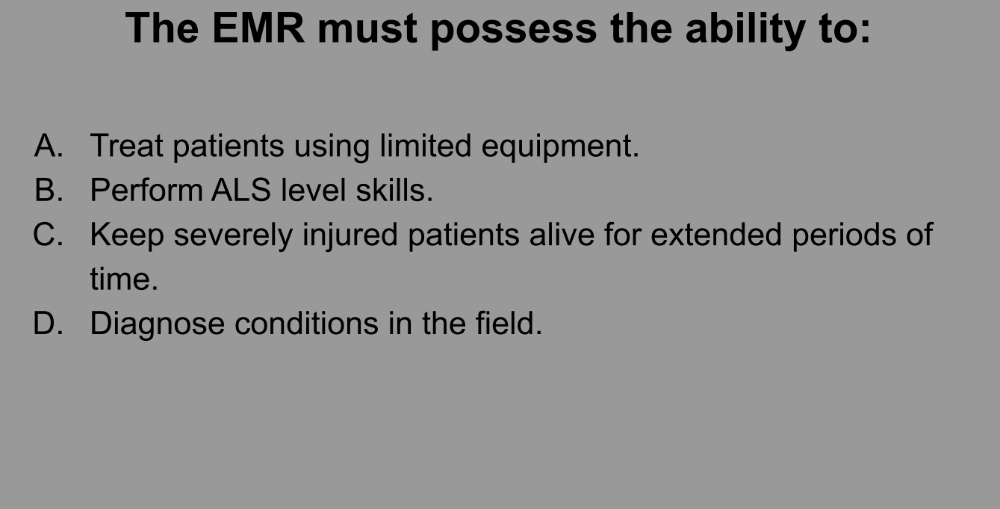 | back 1 A. Treat patients using limited equipment |
front 2 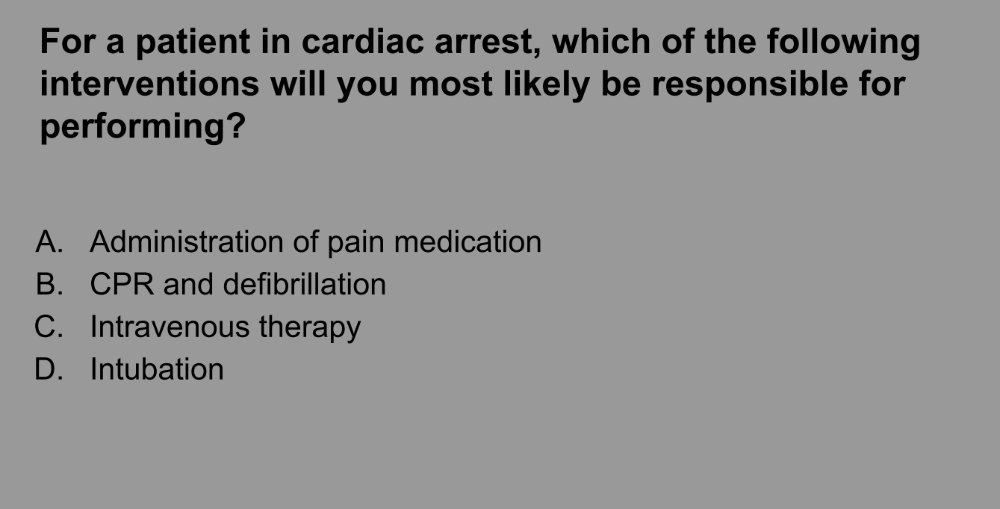 | back 2 B. CPR and defibrillation |
front 3 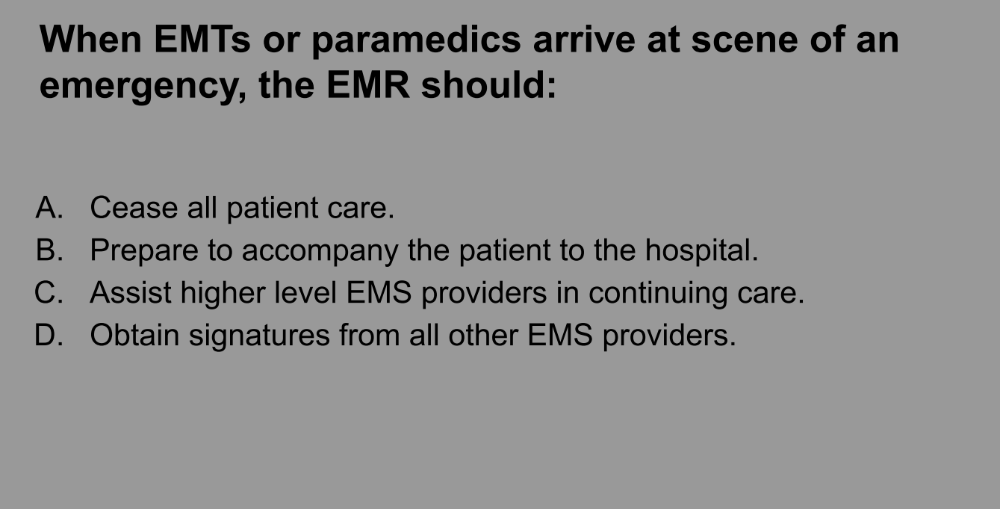 | back 3 C. Assist higher level EMS providers in continuing care |
front 4 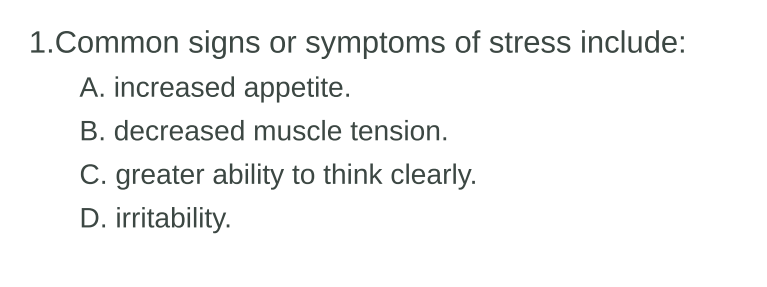 | back 4 D. Irritability |
front 5 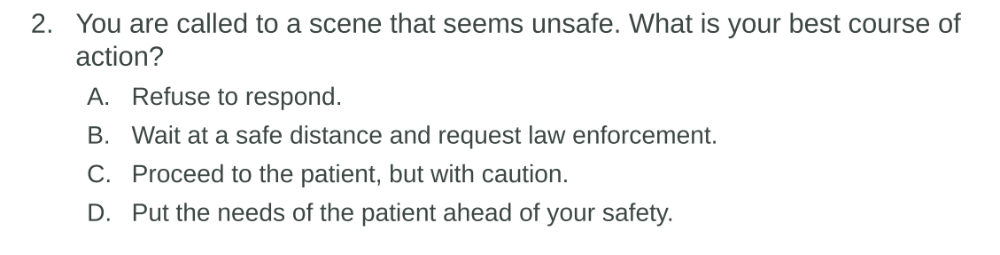 | back 5 B. Wait at a safe distance and request law enforcement |
front 6 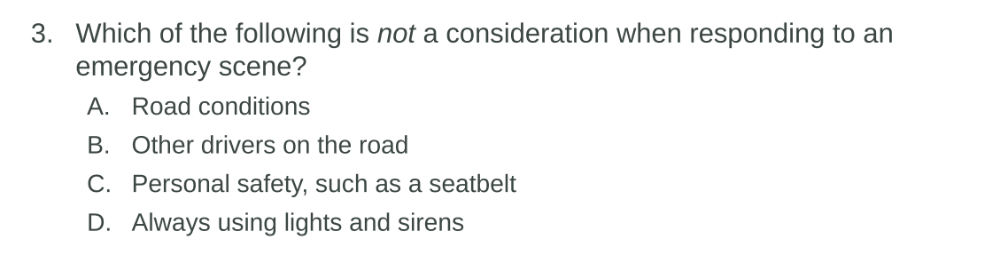 | back 6 D. Always using lights and sirens |
front 7 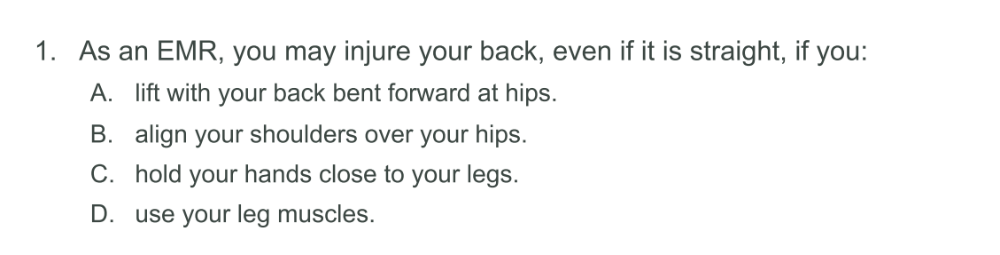 | back 7 A. Lift with your back bent forward at hips |
front 8 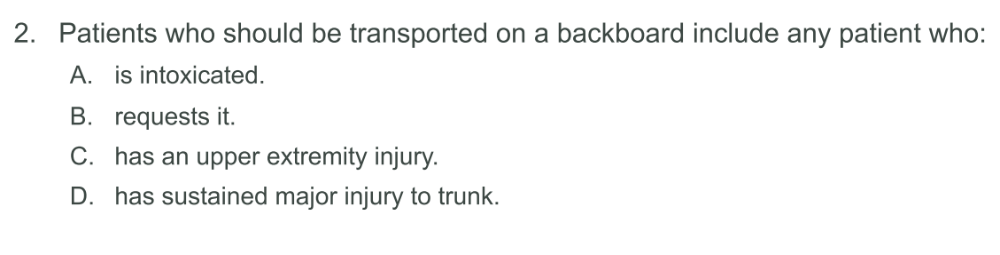 | back 8 D. Has sustained major injury to trunk |
front 9 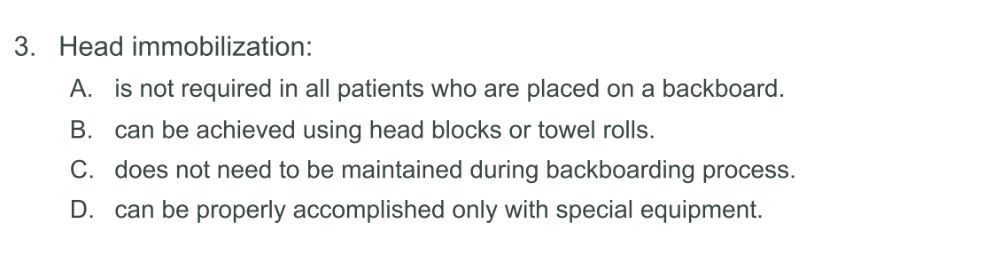 | back 9 B. Can be achieved using head blocks or towel rolls |
front 10 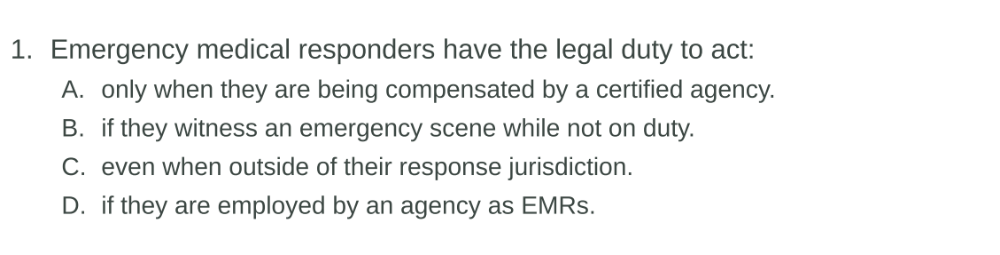 | back 10 D. If they are employed by an agency as EMRs |
front 11 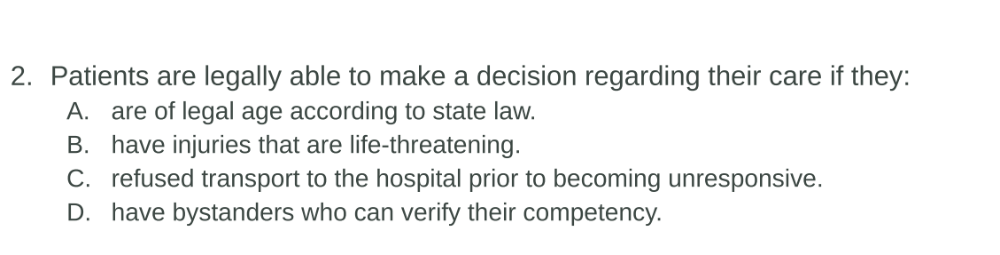 | back 11 A. Are of legal age according to state law |
front 12 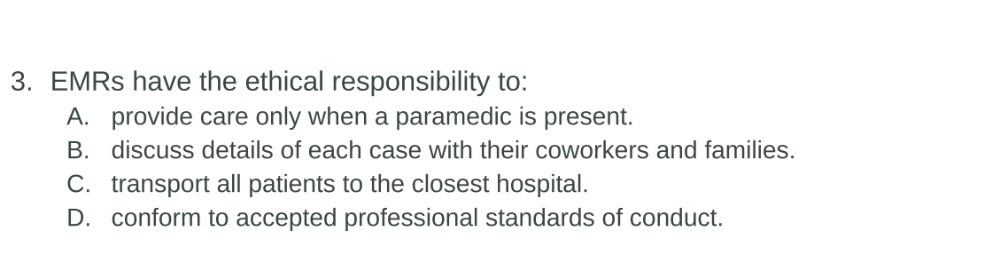 | back 12 D. Conform to accepted professional standards of conduct |
front 13 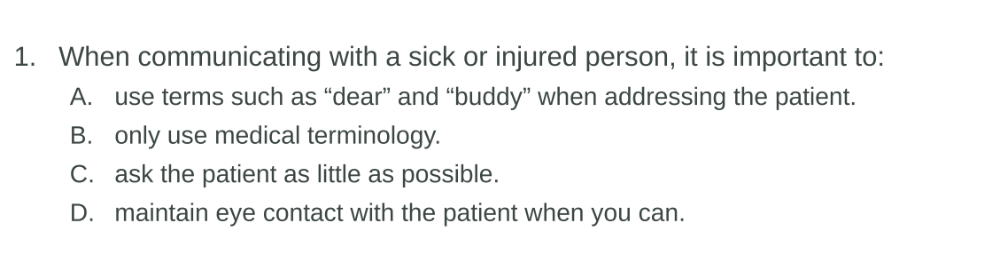 | back 13 D. Maintanin eye contact with the patient when you can |
front 14 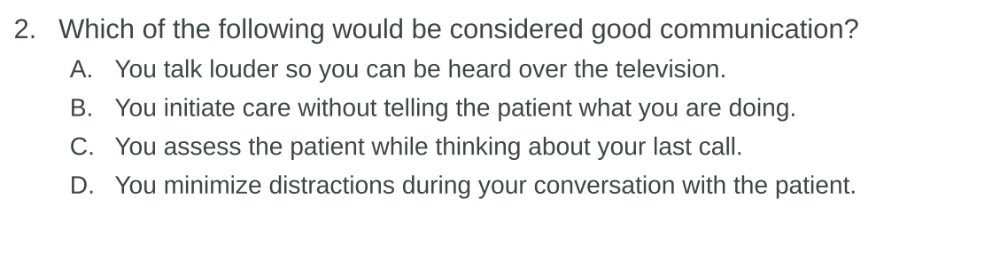 | back 14 D. You minimize distractions during your conversation with the patient |
front 15 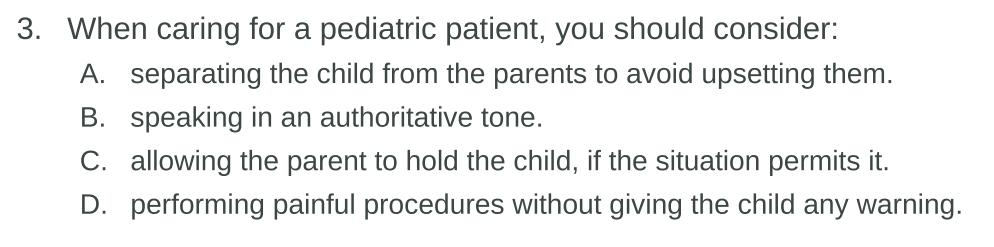 | back 15 C. Allowing the parent to hold the child, if the situation permits it |
front 16 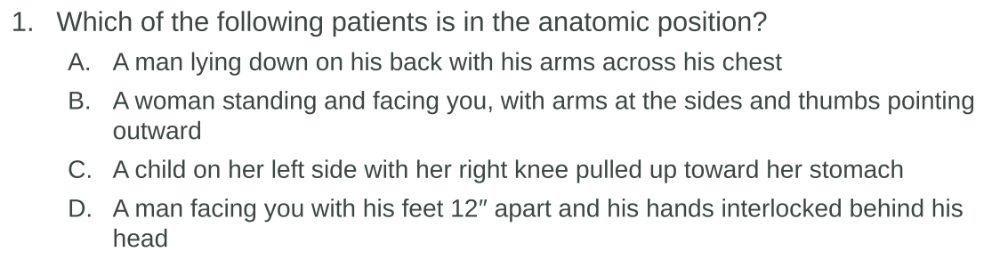 | back 16 B. A woman standing and facing you, with arms at the sides and thumbs pointing outward |
front 17 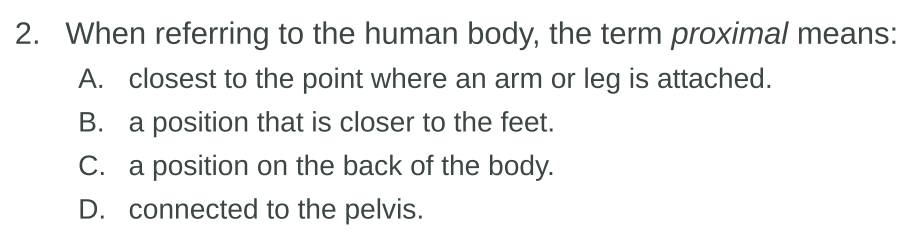 | back 17 A. Closest to the point where an arm or leg is attached |
front 18 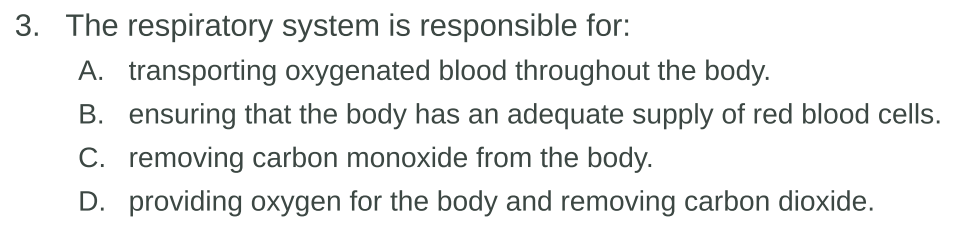 | back 18 D. Providing oxygen for the body and removing carbon dioxide |
front 19 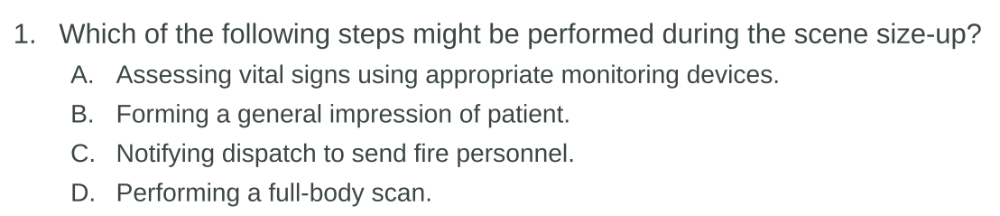 | back 19 C. Notifying dispatch to send fire personnel |
front 20 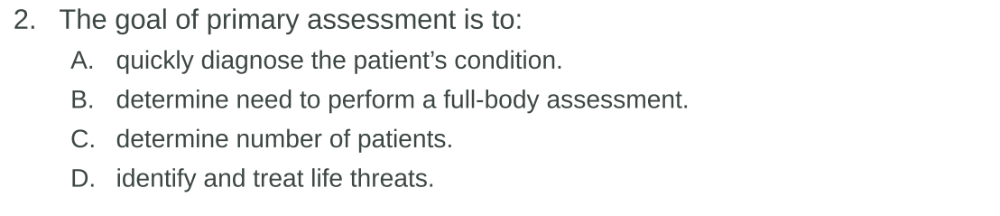 | back 20 D. Identify and treat life threats |
front 21 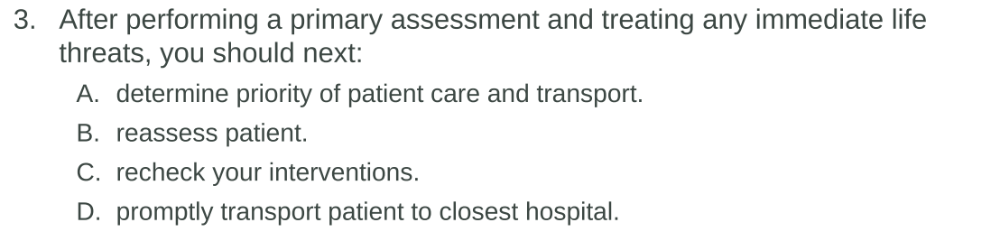 | back 21 A. Determine priority of patient care and transport |