Instructions for Side by Side Printing
- Print the notecards
- Fold each page in half along the solid vertical line
- Cut out the notecards by cutting along each horizontal dotted line
- Optional: Glue, tape or staple the ends of each notecard together
BACE EXAM
front 1 Complimentary base pairing between two DNA strands is due to the formation of: Hydrogen Bonds Phosphodiester bonds Ionic bonds Operon bonds | back 1 Hydrogen bonds |
front 2 Cellulose is an important raw material for textiles and a variety of other industries. Which of the following is a function of polysaccharides in the cell? Transporting molecules throughout the cell Recognition of receptor proteins on other cells Providing structure and energy storage within cells All of the above | back 2 Providing structure and energy storage within cells |
front 3 Lipids are composed mainly of which of the following atoms? Oxygen and nitrogen Hydrogen, oxygen, and nitrogen Carbon and hydrogen Carbon, nitrogen and sulfur | back 3 Carbon and hydrogen |
front 4 A solute is the dissolved matter in a solution. True False | back 4 True |
front 5 Process which uses oxygen as a raw material. Aerobic Respiration Anaerobic Respiration Neither Aerobic and Anaerobic Respiration Both Aerobic and Anaerobic Respiration | back 5 Aerobic Respiration |
front 6 Process in which glucose is utilized by a cell. Aerobic Respiration Anaerobic Respiration Neither Aerobic and Anaerobic Respiration Both Aerobic and Anaerobic Respiration | back 6 Both Aerobic and Anaerobic Respiration |
front 7 Process which releases carbon dioxide and ethyl alcohol. Aerobic Respiration Anaerobic Respiration Neither Aerobic and Anaerobic Respiration Both Aerobic and Anaerobic Respiration | back 7 Anaerobic Respiration |
front 8 Process which uses carbon dioxide as a raw material. Aerobic Respiration Anaerobic Respiration Neither Aerobic and Anaerobic Respiration Both Aerobic and Anaerobic Respiration | back 8 Neither Aerobic and Anaerobic Respiration |
front 9 Why are enzymes necessary in living organisms? Enzymes increase the rate of chemical reactions which would otherwise occur too slowly to sustain life Enzymes raise the activation energy required for a reaction to proceed. Enzymes are the source of energy for most reactions. | back 9 Enzymes increase the rate of chemical reactions which would otherwise occur too slowly to sustain life. |
front 10 Which of the following affects the rate of a chemical reaction? Concentration Presence of a catalyst Heat All of these | back 10 All of these |
front 11 Made of four nitrogenous bases | back 11 All DNA |
front 12 Small, circular DNA floating in the cytoplasm | back 12 Plasmid DNA |
front 13 Contained in a nucleus | back 13 Eukaryotic DNA |
front 14 Double helix structure of repeating nucleotides | back 14 All DNA |
front 15 Long, circular DNA with several thousand genes | back 15 Prokaryotic DNA |
front 16 Linear, very long pieces of DNA with many thousands of genes | back 16 Eukaryotic DNA |
front 17 When DNA replicates, each original strand of DNA serves as a template for a new strand. What type of replication is this? Anti-parallel replication Semi-conservative replication Double helical replication Base-paired replication | back 17 Semi-conservative replication |
front 18 Transcription begins when RNA polymerase binds to which area on the DNA strand? Okazaki Fragment Poly(A) tail 5' cap Promoter | back 18 Promoter |
front 19 Many enzymes used in biotechnology applications occur naturally within the cell. Which of the following enzymes are involved in DNA replication? DNA Polymerase Restriction Endonuclease Luciferase Aminotransferase | back 19 DNA Polymerase |
front 20 Where does translation take place in prokaryotes? In the nucleus At the ribosomes At the lysosomes At the vacuoles | back 20 At the ribosomes |
front 21 If a bacterial cell did not contain restriction enzymes, which of the following would be likely to occur? The cell would create incomplete plasmids. The cell would not be able to replicate DNA. The cell would be easily infected and lysed by bacteriophages. | back 21 The cell would be easily infected and lysed by bacteriophages. |
front 22 Cell theory states: All life forms are made from one or more cells. Cells only arise from pre-existing cells. The cell is the smallest form of life. All of these | back 22 All of these |
front 23 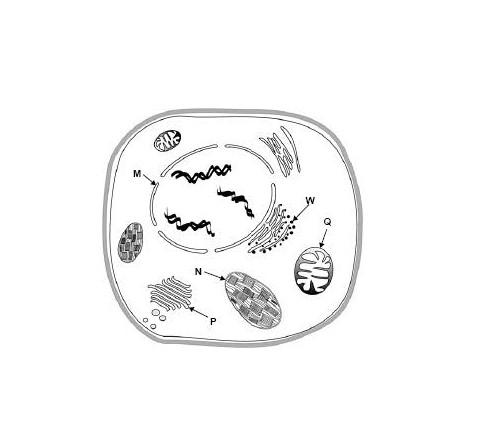 Which process occurs at structure W? Packaging of molecules Aerobic respiration Protein Synthesis DNA replication | back 23 Protein Synthesis |
front 24 Which type of cell could use sugar to produce energy in an oxygen-deprived environment? Bacterial Animal (muscle) Yeast All of these | back 24 All of these |
front 25 After mitotic division, how many chromosomes do daughter cells have compared with the parent cell? Half as many Twice as many The same number None of these | back 25 The same number |
front 26 Which of the following is an accurate description of Gram positive bacteria after Gram staining? Pink, because gram positive bacteria have a thin layer of peptidoglycan in the cell wall. Pink, because gram positive bacteria have a thick layer of peptidoglycan in the cell wall. Purple, because gram positive bacteria have a thin layer of peptidoglycan in the cell wall. Purple, because gram positive bacteria have a thick layer of peptidoglycan in the cell wall. | back 26 Purple, because gram positive bacteria have a thick layer of peptidoglycan in the cell wall. |
front 27 A technician performing an ELISA uses a primary antibody with a mouse IgG2a isotype to analyze patient blood samples. Which of the following secondary antibodies would be the most appropriate to use in the assay? Mouse anti-human Rabbit anti-mouse Mouse anti-rabbit Human anti-rabbit | back 27 Mouse anti-rabbit |
front 28 Which of the following best defines the term "epitope"? The part of an antigen that is recognized by the immune system The quantity of circulating antibody in the blood The response to a specific foreign substance The component of blood that contains the antibodies | back 28 The part of an antigen that is recognized by the immune system |
front 29 A couple seeks the help of a genetic counselor to help them understand their chances of having a child with cystic fibrosis (CF). The husband’s father had CF, so they are worried he is a carrier of the mutant CF gene. The results of their genetic screening shows that both the husband and the wife are carriers of mutant CF gene. Both are “Cc”, where “C” represents the normal (dominant) gene, and “c” represents the mutant (recessive) gene. What is the percent likelihood each of their children would have CF? No chance 25% chance of having the disorder 50% chance of having the disorder 100% chance of having the disorder | back 29 25% chance of having the disorder |
front 30 Genomics involves the study of all of the following EXCEPT: Mapping the location of genes in the genome Comparing genomes between different organisms Studying gene expression under varying conditions or in different cell types Studying how DNA is replicated within the cell cycle Identifying the function of the genes in the genome | back 30 Studying how DNA is replicated within the cell cycle |
front 31 Human males inherit an X chromosome and mitochondrial DNA from their mothers. True False | back 31 True |
front 32 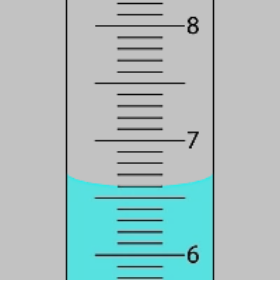 Referring to the image above, what is the volume in mL in the graduated cylinder? Record the answer to one decimal place below. | back 32 6.6 |
front 33 Which of the following instruments should be used to pipet 175 microliters? P20 P100 P200 P1000 | back 33 P200 |
front 34 Shaking is not necessary to oxygenate an aerobic liquid culture for optimal growth. True False | back 34 False |
front 35 Which of the following methods is used to obtain single, isolated bacterial colonies? Streak plate method Optical density method Aerosol method Gram stain method | back 35 Streak plate method |
front 36 You have just completed streaking out some E. coli on an LB agar plates. Which of the following is the best next step? Confirm incubator temperature is correct, then place plates, right-side up, inside. Place plates, right-side up, inside the incubator, then confirm the temperature is correct. Confirm incubator temperature is correct, then place plates, upside-down, inside. Place plates, upside-down, inside the incubator, then confirm the temperature is correct. | back 36 Confirm incubator temperature is correct, then place plates, upside-down, inside. |
front 37 A technician is asked to determine the size of a PCR product. She runs the PCR product on an agarose gel, but notices the band for the PCR product is well above (i.e., closer to the wells) than any bands on the DNA ladder. Which of the following steps can the technician take to ensure she can determine the size of the PCR product the next time the samples are run? Run the gel at a lower voltage Run the gel at a higher voltage Use a DNA ladder with larger DNA fragments Use a DNA ladder with smaller DNA fragments | back 37 Use a DNA ladder with larger DNA fragments |
front 38 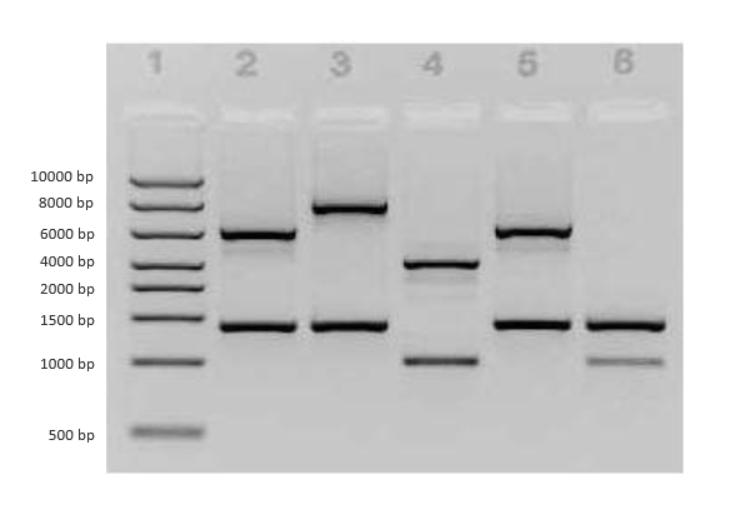 Assume the DNA fragments in lane 3 below are from one plasmid digested with the restriction enzyme EcoRI. What is the approximate size in bp of the plasmid? 2500 5000 7500 9500 | back 38 9500 |
front 39 Assume the DNA in lane 3 in the image below was loaded on the gel after it was digested with the restriction enzyme EcoRI. If the DNA was originally a plasmid, and the restriction enzyme digest was complete, how many EcoRI sites are in the plasmid? 0 1 2 3 4 | back 39 2 |
front 40 Which of the following is the correct method to make 375mL of a 24% (w/v) CaCl2 solution? Dissolve the CaCl2 in a small volume of dH2O, then adjust the volume to 375 mL Dissolve the CaCl2 in 400 mL dH2O, then remove 25 mL Dissolve the CaCl2 in 375 mL of dH2O | back 40 Dissolve the CaCl2 in a small volume of dH2O, then adjust the volume to 375 mL |
front 41 A technician is performing an assay with a 30 minute incubation step. If the technician begins the incubation at 14:42, at what time will the incubation step end? 15:12 15:22 14:52 13:12 | back 41 15:12 |
front 42 A technician is testing the purity of a DNA sample using a spectrophotometer. He gets a 260 nm reading of 0.51 au, and a 280 nm reading of 0.65 au. Recalling that the preferred range for the value is 1.8-2.0, is the purity of the sample acceptable? Yes No No right answer based on information given. | back 42 No |
front 43 What event occurred in the 1950’s that contributed to the growth of biotechnology? First genetically engineered organisms Methods developed to produce recombinant DNA Structure of DNA described, as well as its method of replication Explosion in biotech companies, products and employment | back 43 Structure of DNA described, as well as its method of replication |
front 44 The advent of recombinant DNA technology began with which of the following events? Isolation of bacteriophages Human Genome Project Isolation of restriction enzymes Solving the structure of DNA | back 44 Isolation of restriction enzymes |
front 45 Which of the following statements is FALSE regarding vaccines? They are typically made of a weakened or a killed form of a disease-causing microorganism. They signal the immune system to make antigens against the microorganism for which the vaccine was developed. They signal the immune system to make antibodies against the microorganism for which the vaccine was developed. They can provide protection against future infection by the pathogen for which they were developed. | back 45 They signal the immune system to make antigens against the microorganism for which the vaccine was developed. |
front 46 Which of the following is an product of agricultural biotechnology? Transgenic crops Recombinant insulin Vaccines Restriction Enzymes | back 46 Transgenic crops |
front 47 Biopharmaceuticals differ from chemical drugs in that they: Are produced by a living system, Cannot be terminally sterilized using heat, Are more sensitive to how they are handled in the manufacturing process, All of these | back 47 All of these |
front 48 Which of the following represents a potential benefit of genetically engineered animals? Enhanced animal welfare and health to increase resistance to disease, minimizing the need for animal care interventions, Production of valuable industrial products, such as spider silk used for medical and defense purposes, Efficient production of replacement proteins, drugs, vaccines or tissues for treating and preventing human diseases, All of these | back 48 All of these |
front 49 Which of the following represents a benefit of genetic engineering to humans? Producing foods with low nutritional value Reducing the biodiversity of organisms Decreasing the yield of crops Developing medications | back 49 Developing medications |
front 50 Which of the following pieces of legislation prohibits bias that is based on information derived from DNA testing? Food, Drug, and Cosmetic Act Genetic Information Nondiscrimination Act Pure Food and Drugs Act 21st Century Cures Act | back 50 Genetic Information Nondiscrimination Act |
front 51 Biotechnology can be used to provide alternative, cleaner technologies to help reduce or remove hazardous environmental contaminants. Examples include: • A lignin degrading enzyme used in place of bleach in paper
mills What might be some limitations preventing the widespread use of these new technologies? Microbial activity may change with seasonal changes in temperature, Degraded waste byproducts may still be a major problem, New technologies might be more costly and take more time Concerns regarding long-term outcomes from using genetically modified organisms All of these | back 51 All of these |
front 52 If you have a research-based biotechnology job, you are most likely involved in: Information systems, such as computer support Regulatory affairs and quality assurance Discovering new products and the process for their development Legal arguments over ownership of a procedure | back 52 Discovering new products and the process for their development |
front 53 Oversees and ensures that all products meet standards of quality prior to being released for sale Quality Assurance (QA) Quality Control (QC) Manufacturing Research and Development | back 53 Quality Assurance (QA) |
front 54 Works to identify new or improved products or processes Quality Assurance (QA) Quality Control (QC) Manufacturing Research and Development | back 54 Research and Development |
front 55 Participates in the production of commercial quantities of a product Quality Assurance (QA) Quality Control (QC) Manufacturing Research and Development | back 55 Manufacturing |
front 56 Conducts testing on raw materials, in-process samples, and finished productsc: Quality Assurance (QA) Quality Control (QC) Manufacturing Research and Development | back 56 Quality Control (QC) |
front 57 Identifying a product Step 1 Step 2 Step 3 Step 4 Step 5 | back 57 Step 1 |
front 58 Research and development Step 1 Step 2 Step 3 Step 4 Step 5 | back 58 Step 2 |
front 59 Clinical trials Step 1 Step 2 Step 3 Step 4 Step 5 | back 59 Step 3 |
front 60 Manufacturing Step 1 Step 2 Step 3 Step 4 Step 5 | back 60 Step 4 |
front 61 Sales and Marketing Step 1 Step 2 Step 3 Step 4 Step 5 | back 61 Step 5 |
front 62 Research and development Step 1 Step 2 Step 3 Step 4 Step 5 | back 62 Step 1 |
front 63 Process development Step 1 Step 2 Step 3 Step 4 Step 5 | back 63 Step 2 |
front 64 Small-scale manufacturing Step 1 Step 2 Step 3 Step 4 Step 5 | back 64 Step 3 |
front 65 Testing for safety and efficacy Step 1 Step 2 Step 3 Step 4 Step 5 | back 65 Step 4 |
front 66 Large-scale manufacturing Step 1 Step 2 Step 3 Step 4 Step 5 | back 66 Step 5 |
front 67 The FDA regulations governing the manufacture of drugs, devices, and biologics are designed to: Ensure that medical products are safe Ensure that medical products are what they claim to be Ensure that medical products are effective All of these | back 67 All of these |
front 68 Which of the following is a critical function of Quality Assurance (QA) personnel? Maintain and control documentation for regulatory compliance Clinical research Manufacture of product Perform environmental monitoring | back 68 Maintain and control documentation for regulatory compliance |
front 69 Which of the following describes the process of providing documented evidence that a method does what it is intended to do? Planned Deviation Calibration Assay Validation Design Qualification | back 69 Assay Validation |
front 70 Which of the following represents the process in which a health care provider educates a patient about the risks, benefits, and alternatives of a given procedure or intervention? Informed Consent Express Consent Implied Consent Unanimous Consent | back 70 Informed Consent |
front 71 cGMP is an abbreviation used in the pharmaceutical and biopharmaceutical industry, and stands for: Current Good Money Practices Company Good Manufacturing Practices Company Guideline Manufacturing Practices Current Good Manufacturing Practices | back 71 Current Good Manufacturing Practices |
front 72 A technician notes the date incorrectly while completing a Batch Record. Which of the following is the most appropriate course of action? Cover the error with correction fluid/tape, and write the correct information over it. Cross out the entry with a single line, and initial and date it. Black out the information entirely with a marker. Destroy the document and get a new one. | back 72 Cross out the entry with a single line, and initial and date it. |
front 73 Good Documentation Practices require a company to have a traceable, written record of all processes and checks. True False | back 73 True |
front 74 Lab workers may take their lab notebooks home to fill them out. True False | back 74 False |
front 75 Measures hydrogen ion activity in water-based solutions pH Meter Water bath Plate Reader Microscope | back 75 pH Meter |
front 76 A device for regulating the temperature of anything subjected to heat pH Meter Water bath Plate Reader Microscope | back 76 Water Bath |
front 77 Instrument that produces enlarged images of small objects pH Meter Water bath Plate Reader Microscope | back 77 Microscope |
front 78 Used to quantify biological or chemical events within a microtiter plate pH Meter Water bath Plate Reader Microscope | back 78 Plate Reader |
front 79 Used to measure the absorption of light by a substance in order to quantify it Water bath Spectrophotometer Plate Reader Microscope | back 79 Spectrophotometer |
front 80 Connects to an electrophoresis tank to create an electric field between the electrodes pH Meter Power Supply Plate Reader Microscope | back 80 Power Supply |
front 81 Enclosed, ventilated workspace designed to limit exposure to hazardous or toxic fumes, vapors, or dust pH Meter Water bath Plate Reader Fume Hood | back 81 Fume Hood |
front 82 Measures and delivers volumes under 1.0 mL pH Meter Water bath Micropipet Microscope | back 82 Micropipet |
front 83 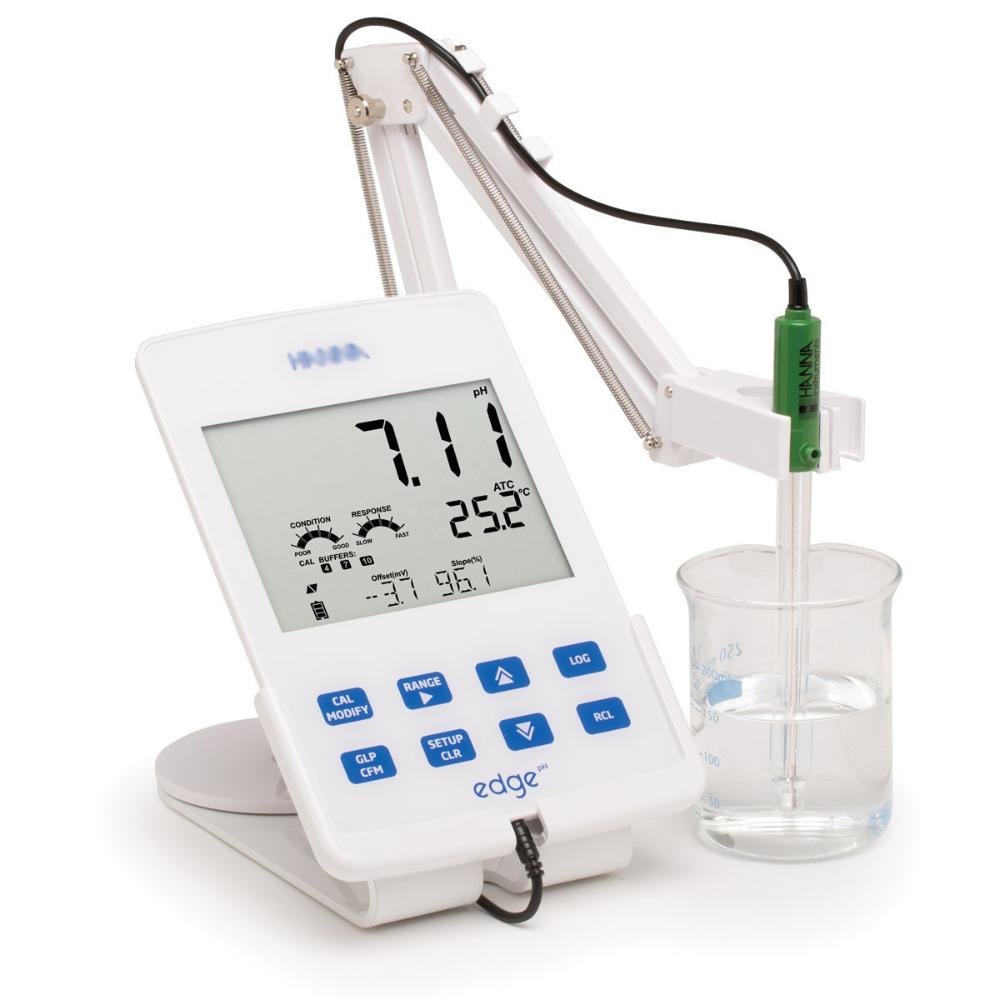 | back 83 pH Meter |
front 84 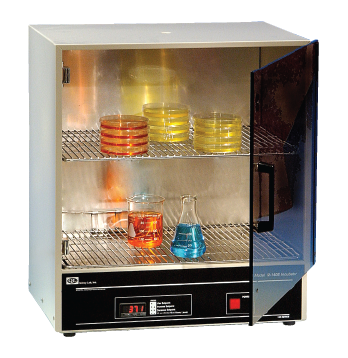 | back 84 Incubator |
front 85 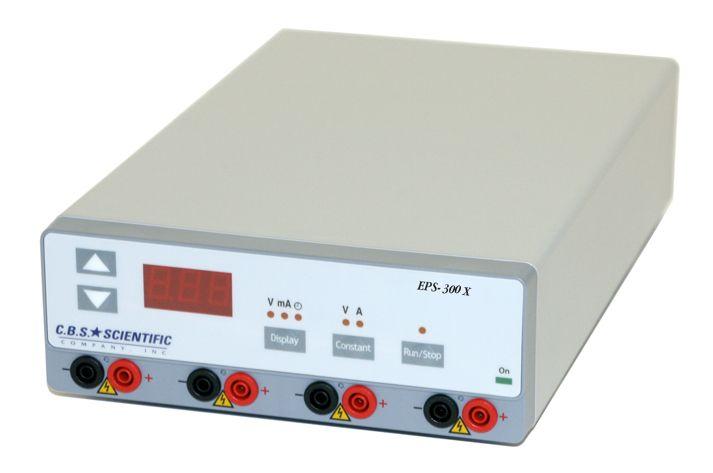 | back 85 Power Supply |
front 86 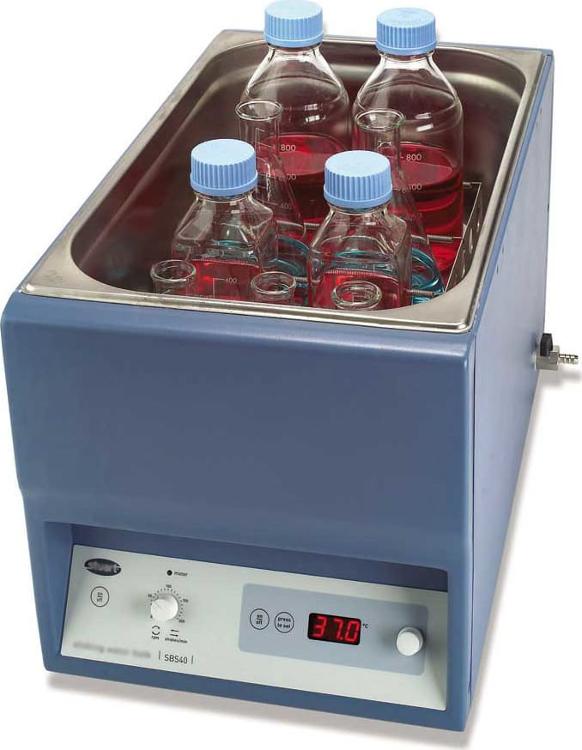 | back 86 Water Bath |
front 87 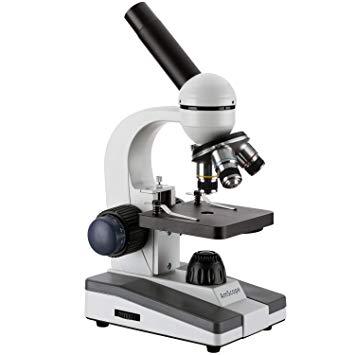 | back 87 Microscope |
front 88 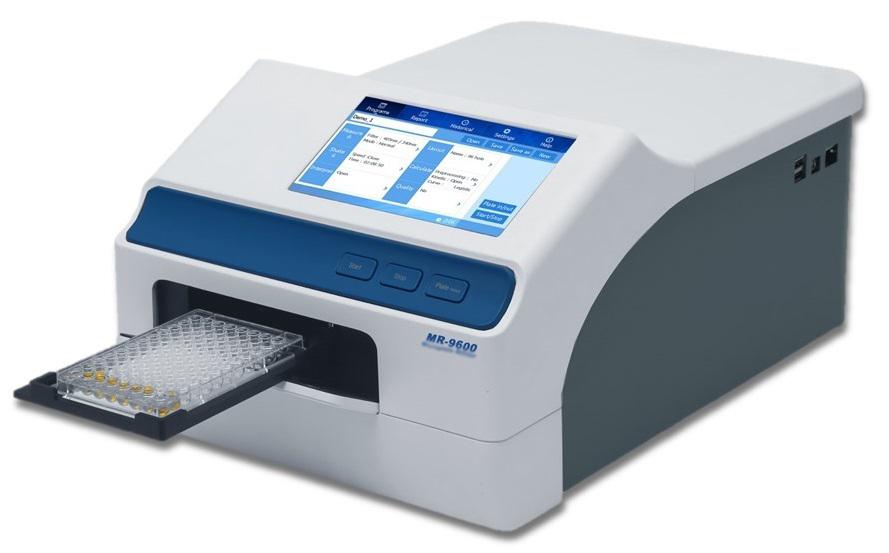 | back 88 Plate Reader |
front 89 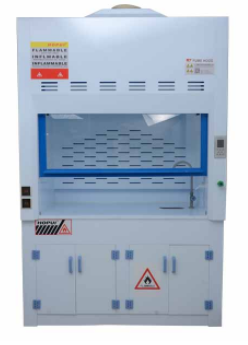 | back 89 Fume Hood |
front 90 Look at picture | back 90 Spectrophotometer |
front 91 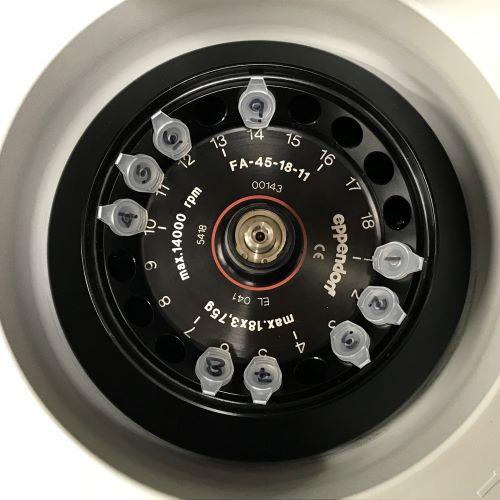 Where should the final microcentrifuge tube be placed in the rotor below to balance the centrifuge? | back 91 Space 15 |
front 92 When transferring bacteria using aseptic technique, it is common practice to place the sterile loop into the culture tube by moving the tube over the loop, rather than moving the loop into the tube. True False | back 92 True |
front 93 Which of the following should NOT be used to disinfect an area that is potentially contaminated by DNA? Bleach Alcohol UV Light | back 93 Alcohol |
front 94 Uses a laser light to scan samples that have been dyed Confocal Microscope Bright Field Microscope Inverted Microscope Electron Microscope | back 94 Confocal Microscope |
front 95 Light source is located above the specimen Confocal Microscope Bright Field Microscope Inverted Microscope Electron Microscope | back 95 Inverted Microscope |
front 96 Objectives are located above the stage Confocal Microscope Bright Field Microscope Inverted Microscope Electron Microscope | back 96 Bright Field Microscope |
front 97 Uses electrons to scan samples in near-vacuum conditions Confocal Microscope Bright Field Microscope Inverted Microscope Electron Microscope | back 97 Electron Microscope |
front 98 Why are enzyme solutions always prepared using a buffered solvent at a specific pH? A buffered solvent is resistant to changes in pH because it is made with 50% sugar. Enzymes are best able to maintain their pH in a high sugar environment. A buffered solvent easily changes in pH because it is made with a combination of a weak acid and its conjugate base. Enzymes perform best in solutions that can vary in pH. A buffered solvent is resistant to fluctuations in pH, because it is made with a combination of a weak acid and its conjugate base. Enzymes best retain their function within a narrow pH range. | back 98 A buffered solvent is resistant to fluctuations in pH, because it is made with a combination of a weak acid and its conjugate base. Enzymes best retain their function within a narrow pH range. |
front 99 Below is a DNA sequence that you are trying to amplify from a genomic DNA sample. Evaluate the appropriateness of using the potential primer (below the DNA strand) to amplify the specific sequence of DNA. DNA Sequence of interest: 3’-ACATGCTGCTGCTGGTCACAAGTCAATTCCTAA-5’ Potential primer to the sequence: 5’-TGTACGACGACGAC-3’ This is not a good primer because it is not anti-parallel to the sequence. This is not a good primer because it has too many G’s and C’s. This is a good primer because it is anti-parallel and doesn't add long repeats to the sequence. This is a good primer because it has the sequence “GACC” in the middle. | back 99 This is a good primer because it is anti-parallel and doesn't add long repeats to the sequence. |
front 100 Which enzyme is used to join together DNA fragments? Phosphatase Ligase Restriction endonuclease| Amylase | back 100 Ligase |
front 101 Plasmid DNA is purified using anion exchange column chromatography because DNA is positively charged. True False | back 101 False |
front 102 Which of the following would increase the likelihood for good separation of adjacent bands on an agarose gel? Use a lower percentage of agarose when making the gel (0.5%) Use a higher percentage of agarose in the gel (1.5% to 2.0%) Increase the voltage setting, and decrease running time Increase the voltage setting and increase running time | back 102 Use a higher percentage of agarose in the gel (1.5% to 2.0%) |
front 103 Which of the following statements best illustrates the reason for separation of DNA during gel electrophoresis? DNA fragments are separated in the gel matrix based on their mRNA transcript DNA fragments are separated in the gel matrix based on their size DNA fragments are separated in the gel matrix based on their charge DNA fragments are separated in the gel matrix based on their nucleic acid sequence | back 103 DNA fragments are separated in the gel matrix based on their size |
front 104 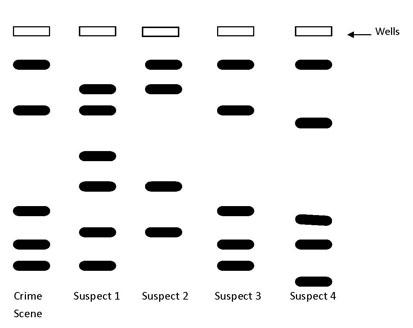 Which suspect is incriminated by the results of the DNA analysis below? Suspect 1 Suspect 2 Suspect 3 Suspect 4 | back 104 Suspect 3 |
front 105 Which Suspect sample has the smallest piece of DNA? Suspect 1 Suspect 2 Suspect 3 Suspect 4 | back 105 Suspect 4 |
front 106 Which of the following should be included in a gel electrophoresis to determine the sizes of the DNA fragments on the gel? Loading dye Amino Acid sequences Molecular Weight Markers DNA Polymerase | back 106 Molecular Weight Markers |
front 107 Gels are used to separate pieces of RNA, DNA, and protein. What type of gel is typically used for protein electrophoresis? Polyacrylamide Agarose Agarosamide Agar | back 107 Polyacrylamide |
front 108 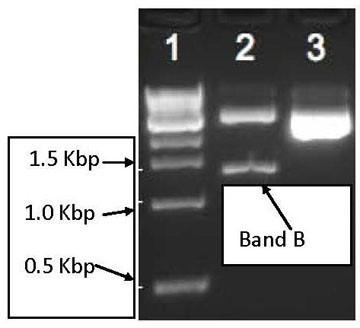 Referring to the gel above, what is the approximate size of band B? Approximately 140 base pairs Approximately 1,400 base pairs Approximately 14,000 base pairs None of these | back 108 Approximately 1,400 base pairs |
front 109 A plasmid has three restriction sites for EcoRI. If the plasmid is treated with EcoR1, how many fragments will be obtained? 2 3 4 5 | back 109 3 |
front 110 Two DNA samples with different sequences are cut with the same restriction enzyme. When they are run on an agarose gel, the resulting bands will match. True False | back 110 False |
front 111 Which of the following can be used as vehicles for delivering new DNA to a cell? Lipid Plasmid Virus All of these | back 111 All of these |
front 112 Which of the following describes genetic engineering? The alteration of an organism’s genetic, or hereditary, material in a laboratory The alteration of an organism’s genetic, or hereditary, material in nature Allowed in the U.S. A precursor step in producing recombinant proteins for therapeutic use All of these | back 112 All of these. |
front 113 Which of the following is a common technique used to transform bacteria? Electroporation Electrophoresis Electroblotting Electroencephalography | back 113 Electroporation |
front 114 When developing a new PCR procedure, every variable needs to be tested to determine the optimum conditions for that specific reaction. Which of the statements below describes the best experimental design for optimizing the primer-annealing temperature? Multiple reactions run with Primer, DNA, dNPT’s, and Buffer concentration kept constant, changing only the annealing temperature in a range of 75°C to 95°C. Multiple reactions run with Primer, DNA, dNPT’s, and Buffer concentration kept constant, changing only the annealing temperature in a range of 50°C to 70°C. Multiple reactions run with Primer, DNA, dNPT’s, and Buffer concentration varied, changing the annealing temperature in a range of 50° C to 70°C. Multiple reactions run with Primer, DNA, dNPT’s, and Buffer concentration varied, changing the annealing temperature in a range of 75°C to 95°C. | back 114 Multiple reactions run with Primer, DNA, dNPT’s, and Buffer concentration kept constant, changing only the annealing temperature in a range of 50°C to 70°C. |
front 115 Which of the following enzymes are used to amplify DNA in a Polymerase Chain Reaction (PCR)? Phosphatase Restriction endonuclease Ligase DNA polymerase | back 115 DNA polymerase |
front 116 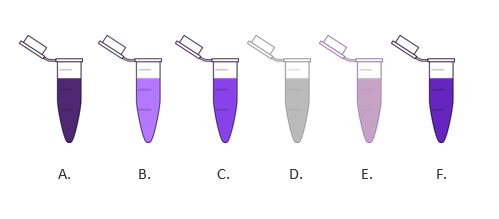 Refering to the scenario above, which of the tubes in the picture below most likely contains the 0.0 mg/mL BSA standard? A B C D E F | back 116 D |
front 117 Refering to the scenario above, which of the tubes in the picture below most likely contains the 10.0 mg/mL BSA standard? A B C D E F | back 117 A |
front 118 Monoclonal antibodies for scientific research can be produced in human cells. True False | back 118 True |
front 119 Why is a blocking step typically included in a western blot? To prevent non-specific binding of the antibody used for detection To transfer proteins from the gel to the membrane To detect the secondary antibody To cleave the substrate for visualization of the bands | back 119 To prevent non-specific binding of the antibody used for detection |
front 120 Running DNA gels: Vertical gel electrophoresis box Horizontal gel electrophoresis box Heat-stable DNA polymerase Spectrophotometer | back 120 Horizontal gel electrophoresis box |
front 121 Polymerase Chain Reaction (PCR): Vertical gel electrophoresis box Horizontal gel electrophoresis box Heat-stable DNA polymerase Spectrophotometer | back 121 Heat-stable DNA polymerase |
front 122 Measuring DNA or protein concentration: Vertical gel electrophoresis box Horizontal gel electrophoresis box Heat-stable DNA polymerase Spectrophotometer | back 122 Spectrophotometer |
front 123 Running protein gels (PAGE): Vertical gel electrophoresis box Horizontal gel electrophoresis box Heat-stable DNA polymerase Spectrophotometer | back 123 Vertical gel electrophoresis box |
front 124 Joining pieces of DNA: Vertical gel electrophoresis box Horizontal gel electrophoresis box Heat-stable DNA polymerase Spectrophotometer DNA Ligase | back 124 DNA Ligase |
front 125 Digesting DNA: Vertical gel electrophoresis box Horizontal gel electrophoresis box Heat-stable DNA polymerase Spectrophotometer DNA Ligase Restriction Enzymes | back 125 Restriction Enzymes |
front 126 Determining the size and purity of a specific protein: Spectrophotometer SDS PAGE ELISA Stability Enzyme Activity | back 126 SDS PAGE |
front 127 Determining the presence of a specific protein: Spectrophotometer SDS PAGE ELISA Stability Enzyme Activity | back 127 ELISA |
front 128 Determining the time period protein remains active: Spectrophotometer SDS PAGE ELISA Stability Enzyme Activity | back 128 Stability |
front 129 Determining the protein's activity: Spectrophotometer SDS PAGE ELISA Stability Enzyme Activity | back 129 Enzyme Activity |
front 130 Determining the amount of a protein present Spectrophotometer SDS PAGE ELISA Stability Enzyme Activity | back 130 Spectrophotometer |
front 131 In which of the following applications (diagnostic testing) are monoclonal antibodies NOT used? Paternity testing Tissue typing before transplantation Detection of infectious agents Pregnancy testing | back 131 Paternity Testing |
front 132 Which of the following is NOT an advantage of a human monoclonal antibody over a polyclonal antibody made in a mouse? Human monoclonal antibodies are produced using hybridomas, so they can be grown indefinitely in cell culture. Human monoclonal antibodies bind to many different antigens, allowing for broad-based drug delivery system. A human monoclonal antibody recognizes only one specific antigenic epitope, making them more accurate for diagnostic testing. A human monoclonal antibody recognizes many antigenic epitopes, making them more accurate for diagnostic testing. | back 132 A human monoclonal antibody recognizes many antigenic epitopes, making them more accurate for diagnostic testing. |
front 133 573,900 written in scientific notation is: 5.739 x 10⁻⁵ 5.739 x 10⁵ 5.74 x 10⁻⁵ 5.74 x 10⁵ | back 133 5.739 x 10⁵ |
front 134 What is 0.9851 rounded to three significant figures? 0.100 0.986 0.985 0.990 | back 134 0.990 |
front 135 What is 37.6 x 1.037, rounded to the correct number of significant digits? 38.9 38.99 39.0 39.99 | back 135 39.0 |