Instructions for Side by Side Printing
- Print the notecards
- Fold each page in half along the solid vertical line
- Cut out the notecards by cutting along each horizontal dotted line
- Optional: Glue, tape or staple the ends of each notecard together
Chapter 6- Protozoa: Intestinal Flagellates and Ciliates
front 1 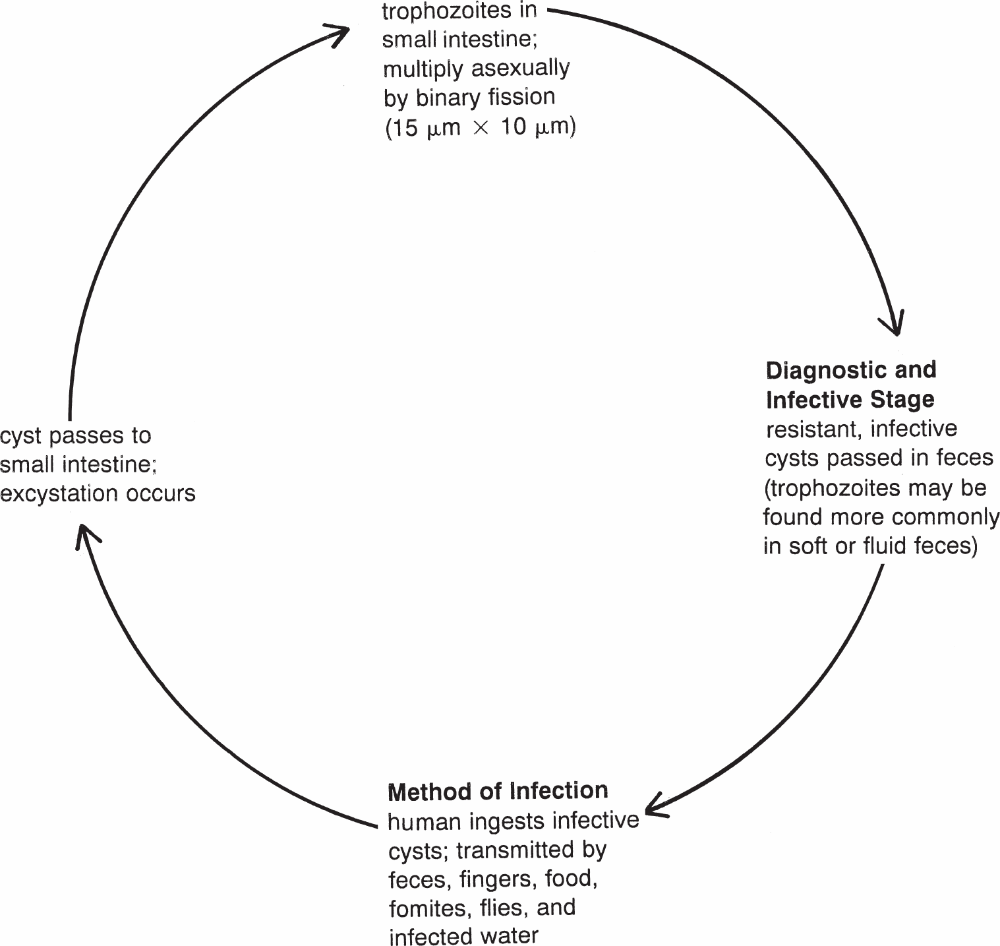 Giardia lamblia (G. duodenalis, G. intestinalis) (flagellate) | back 1 Common Name: Traveler's Diarrhea Disease Name: Giardiasis, Traveler's Diarrhea Worldwide distribution Diagnosis: Recover and identify trophozoites and/or cysts in feces or duodenal contents Major Disease Manifestations: abdominal pain, foul-smelling diarrhea and gas, malabsorption syndrome, mechanical irritation of intestinal mucosa with shortening of villi and inflammatory foci. Treatment: 1.Quinacrine 2.Metronidazole or Furazolidone *IgA deficient patients are more susceptible; *No RBCs/WBCs in stool Specimen Requirements: 1. Intermittent shedding multiple stools may be required. 2. A permanently stained smear for each specimen should be prepared and examined. 3. Examine areas of mucus in feces for presence of parasites 4. The string test (Entero-Test*) if fecal examinations are negative. 5. Immunoassay test great but doesn't test for other parasites. |
front 2 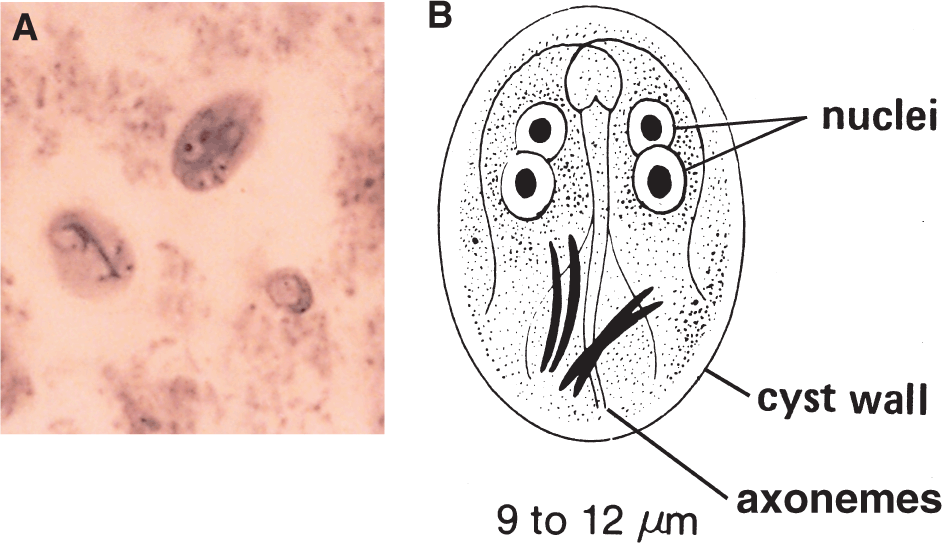 Giardia lamblia cyst | back 2 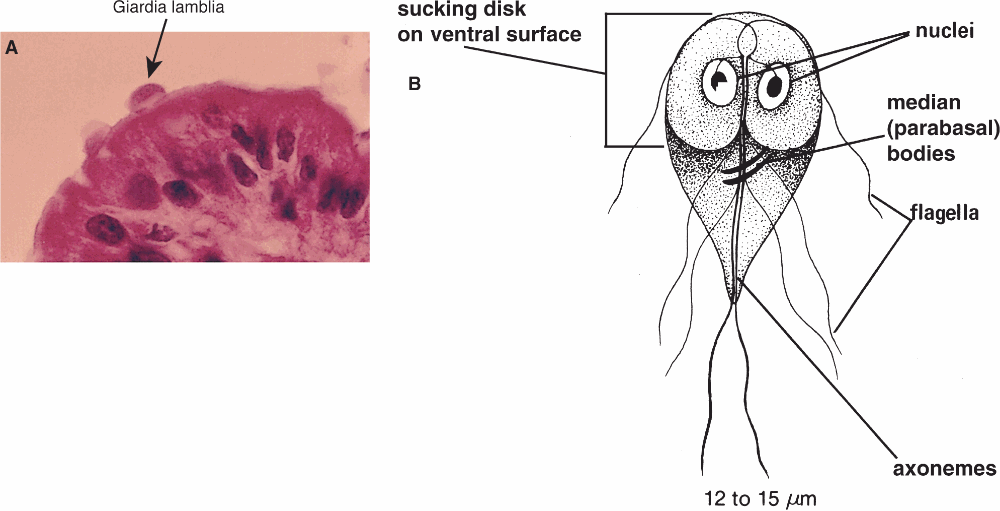 Giardia lamblia trophozoite |
front 3 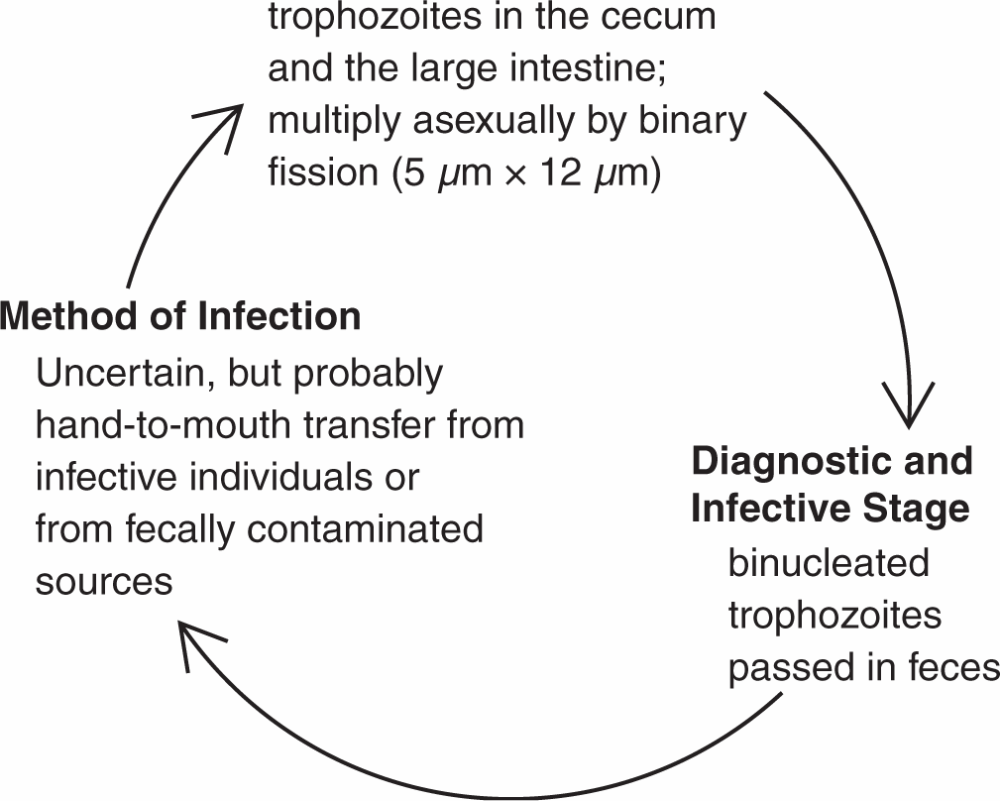 Dientamoeba fragilis (intestinal flagellate) | back 3 No common name; Disease name: dientamoebiasis Worldwide Distribution Treatment: Iodoquinol, tetracycline, paramomycin Diagnosis: trophozoites or cysts in feces Specimen Requirements: 1.Multiple stool specimens may be required 2.stained smears for every specimen; examined for trophozoites 3. trophozoites can be found in formed stools Major Disease Manifestations: Diarrhea, anorexia, abdominal pain, but usually asymptomatic Method of Infection is uncertain but thought to be ingestion of trophozoite or cyst |
front 4 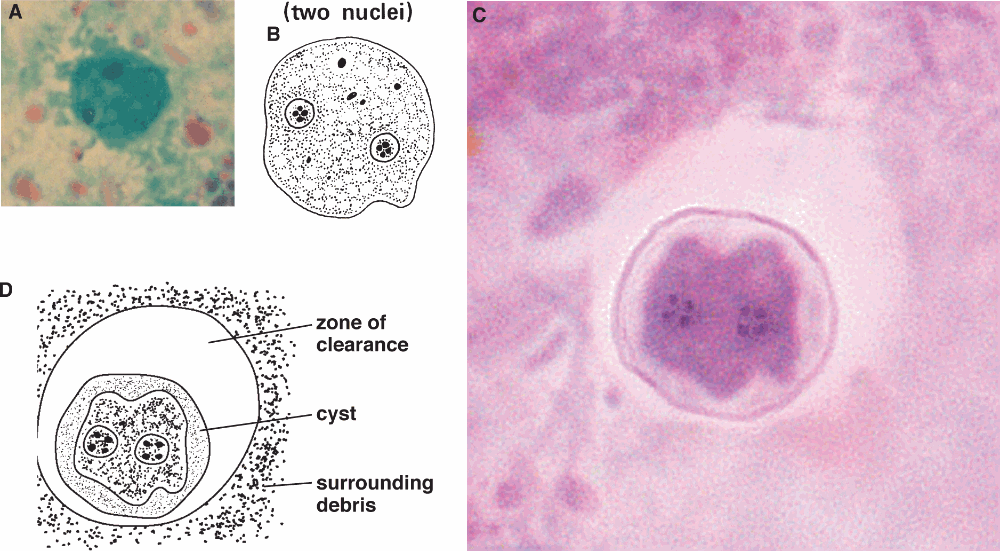 | back 4 Dientamoeba fragilis: A. Dientamoeba fragilis. B. Trophozoite structures. C. Cyst. D. Cyst structures. |
front 5 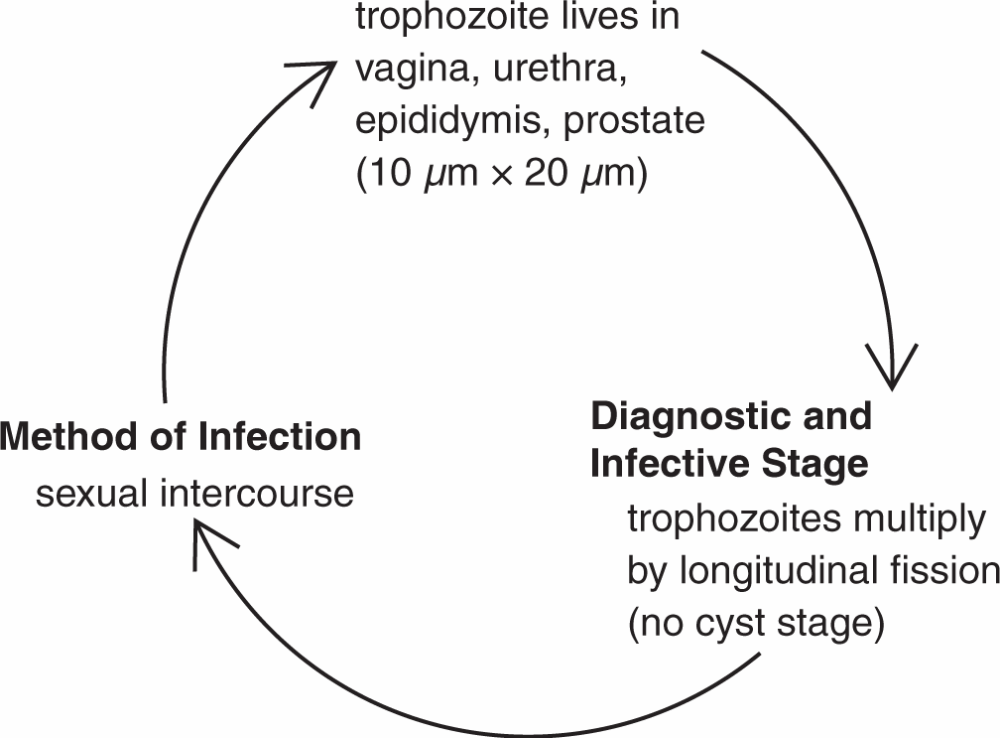 Trichomonas vaginalis (atrial flagellate) | back 5 Common name: trich Disease name: Trichomonad vaginitis, urethritis, trich Worldwide Treatment: metronidazole Diagnosis: trophozoites in urine or vaginal smear (cysts rare) Major Disease Manifestations: Irritating, yellowish, frothy, foul-smelling vaginal discharge, burning with urination, itching/irritation in vaginal area in women; men are asymptomatic Specimen Requirements: 1.Fresh urethral discharge, vaginal smear, or urine are examined as a wet mount diluted with a drop of saline. 2.Several specimens may be needed before diagnosis is confirmed. |
front 6 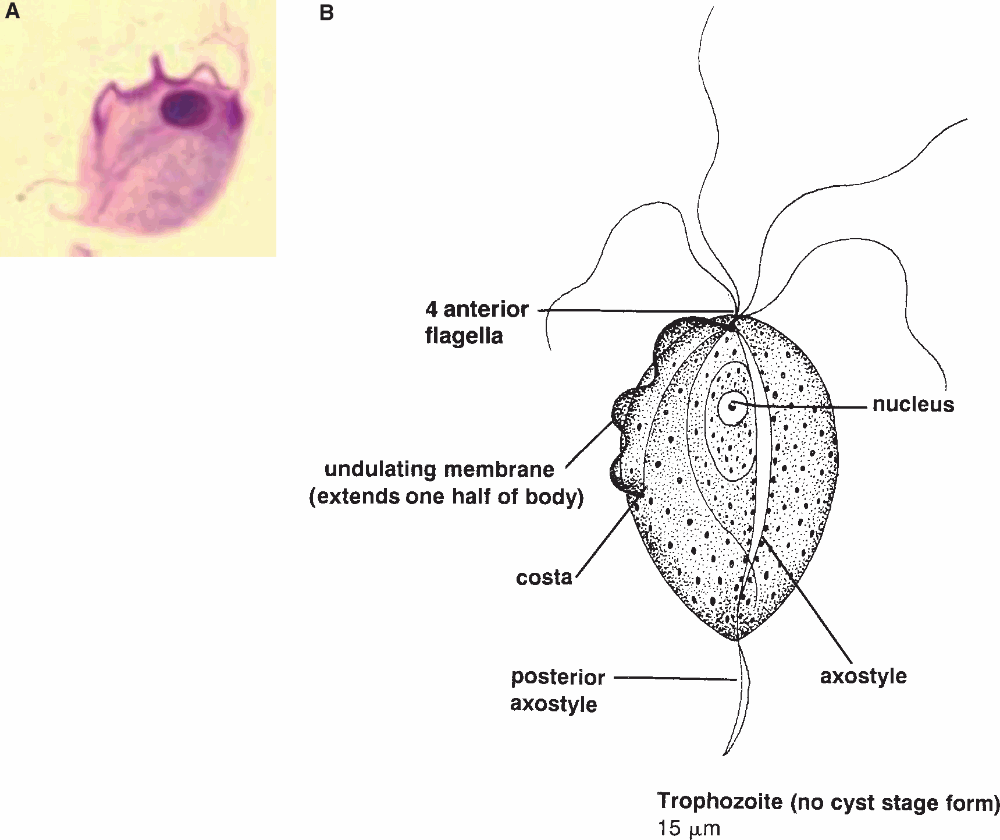 | back 6 A. Trichomonas vaginalis trophozoites. B. Trophozoite structures. |
front 7 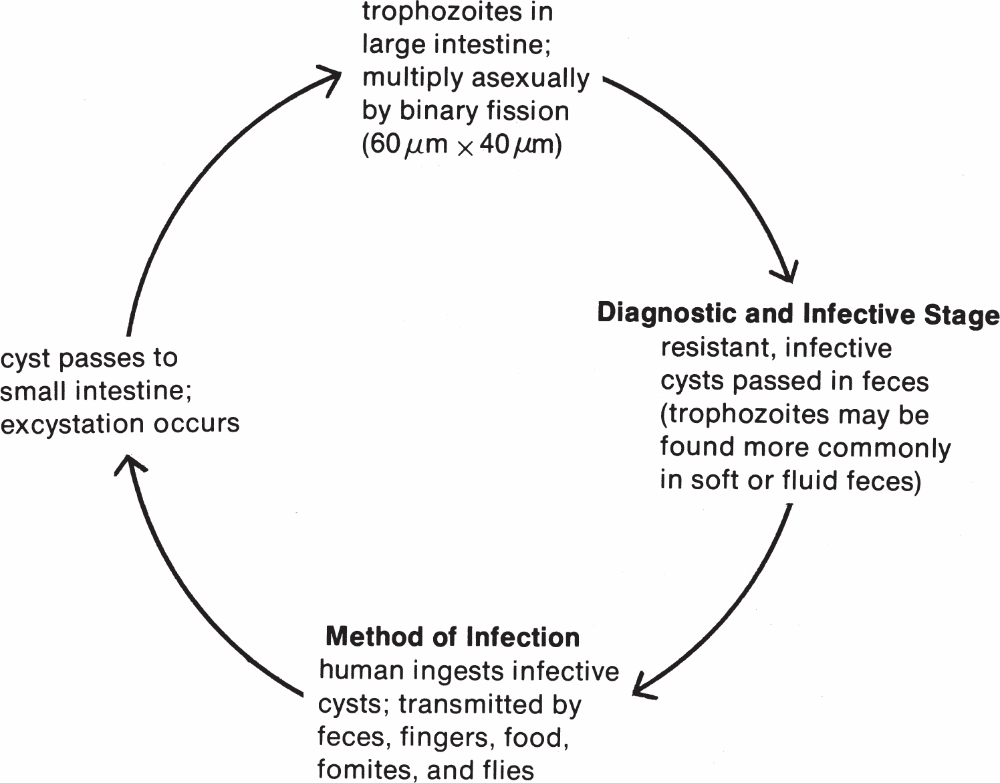 Balantidium coli (ciliate) | back 7 Common name: balantidiasis Disease name: Balantidiasis, Balantidial dysentery Worldwide Diagnosis: Trophozoites or cysts in feces Treatment: Tetracycline, Iodoquinol, Metronidazole Major Disease Manifestations: Asymptomatic usually; Acute: abdominal discomfort, mild to moderate chronic recurrent diarrhea/acute dysentery, a healthy person less likely to become ill Specimen Requirements: 1.1-3 stools required 2. wet mounts of fresh or concentrated stool best. Organisms stain darkly in permanent stain preps. |
front 8 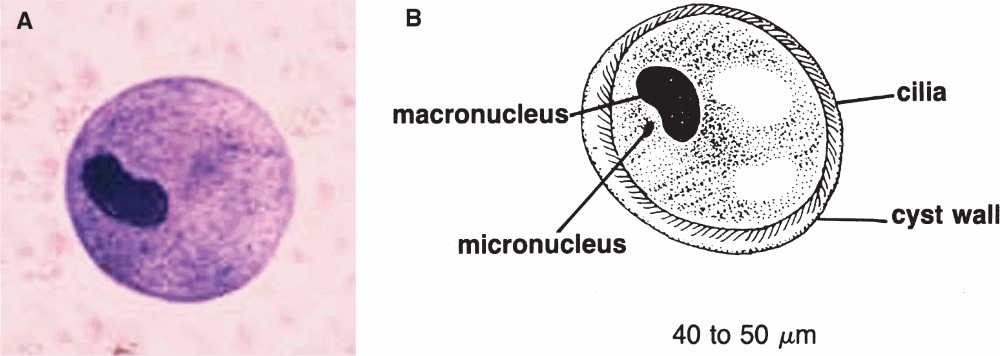 A. Balantidium coli cyst. B. Cyst structures. | back 8 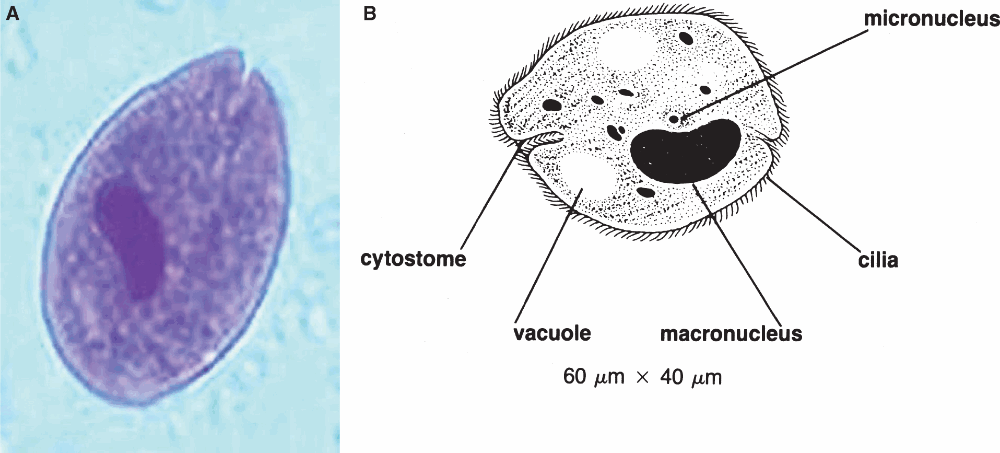 A. Balantidium coli trophozoite. B. Trophozoite structures. |
front 9 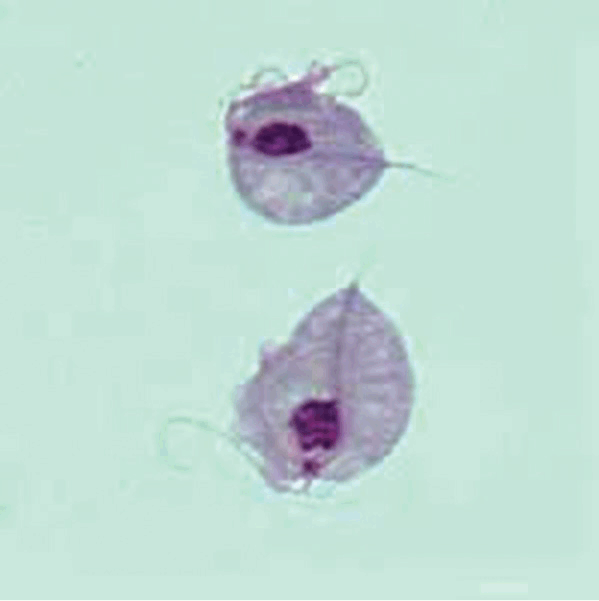 CASE STUDY 6-1 A 22-year-old woman was admitted to the emergency department at 3:00 a.m. complaining of burning during urination and severe vaginal itching. The physician ordered a routine urinalysis and a vaginal swab for microscopic examination. The technologist observed many motile organisms measuring approximately 12 µm in diameter in both the urine microscopic wet mount and the vaginal wet-mount preparation. 1. What is the most likely organism (genus and species) seen in the wet preparation? 2. How is this infection acquired? 3. What symptoms are seen in men infected with this organism? 4. What should be done to prevent reinfection in this patient? | back 9 1. Trichomonas vaginalis 2. This trophozoite is transferred from host to host by sexual intercourse. Cysts are not formed by this parasite. 3. Men are generally asymptomatic but may have urethral discharges containing trophozoites. 4. All sexual partners should be treated to prevent reinfection. |
front 10 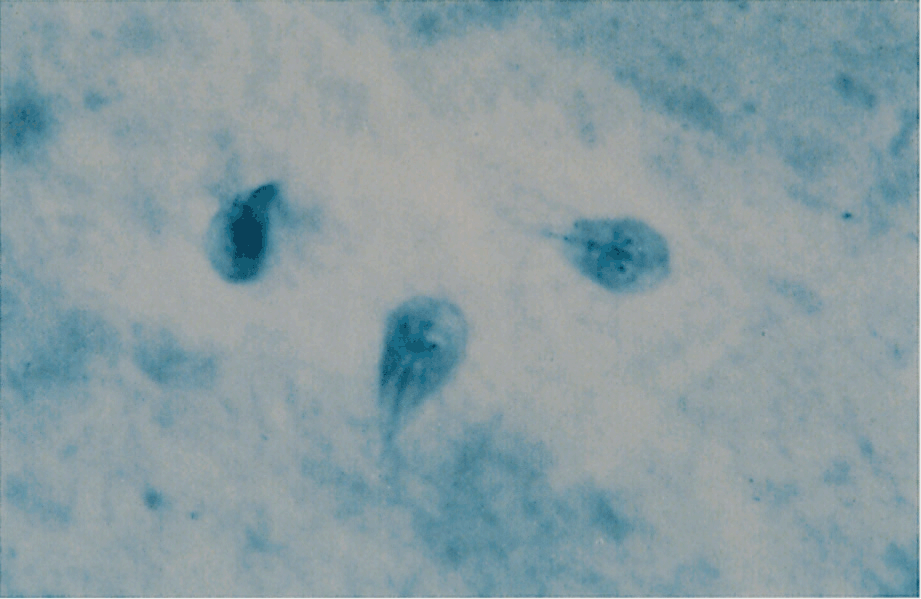 CASE STUDY 6-2 Two 16-year-old boys returned from a 4-week camping trip in the northwest United States. For 2 weeks after the trip, both boys experienced abdominal cramps and diarrhea, usually within 1 hour after eating. Foul-smelling flatulence was present as well. On questioning, the boys denied drinking water that was not treated with halazone tablets (a chloramine disinfectant used to purify water). Three of their stools were submitted for culture and identification of enteric bacterial pathogens and intestinal parasites. All the results were negative for bacterial pathogens, and only one trichrome stain from one sample revealed the parasite form seen in the accompanying figure. 1. What parasite (genus and species) do you report? 2. How did these boys become infected, assuming they correctly used their halazone tablets? 3. Why wasn’t the parasite recovered in more of the specimens submitted? 4. What other tests are available for detecting this organism? | back 10 1. Giardia lamblia 2. The boys probably acquired the infection by drinking the treated water because G. lamblia cysts are resistant to chlorine. Filtration and iodine treatment of stream water provide better protection against this parasite. 3. Giardia does not appear consistently in the feces. Periods of high excretion often alternate with periods of low excretion; therefore, it may be necessary to collect several specimens over an extended period to diagnose this disease. 4. Entero-Test, duodenal aspirates, and immunologic methods are other ways used to detect this parasite. |
front 11 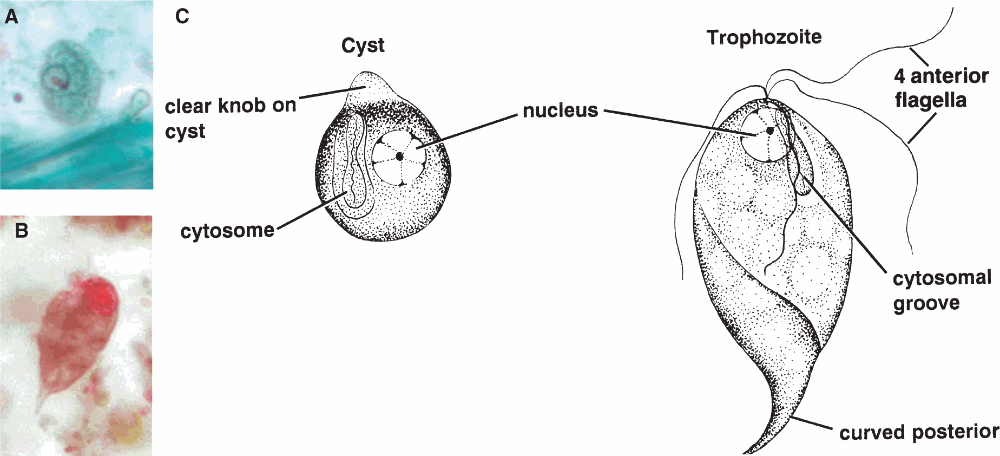 Nonpathogenic Intestinal Flagellates: A. Chilomastix mesnili cyst. B. C. mesnili trophozoite. C. Cyst and trophozoite structures. | back 11 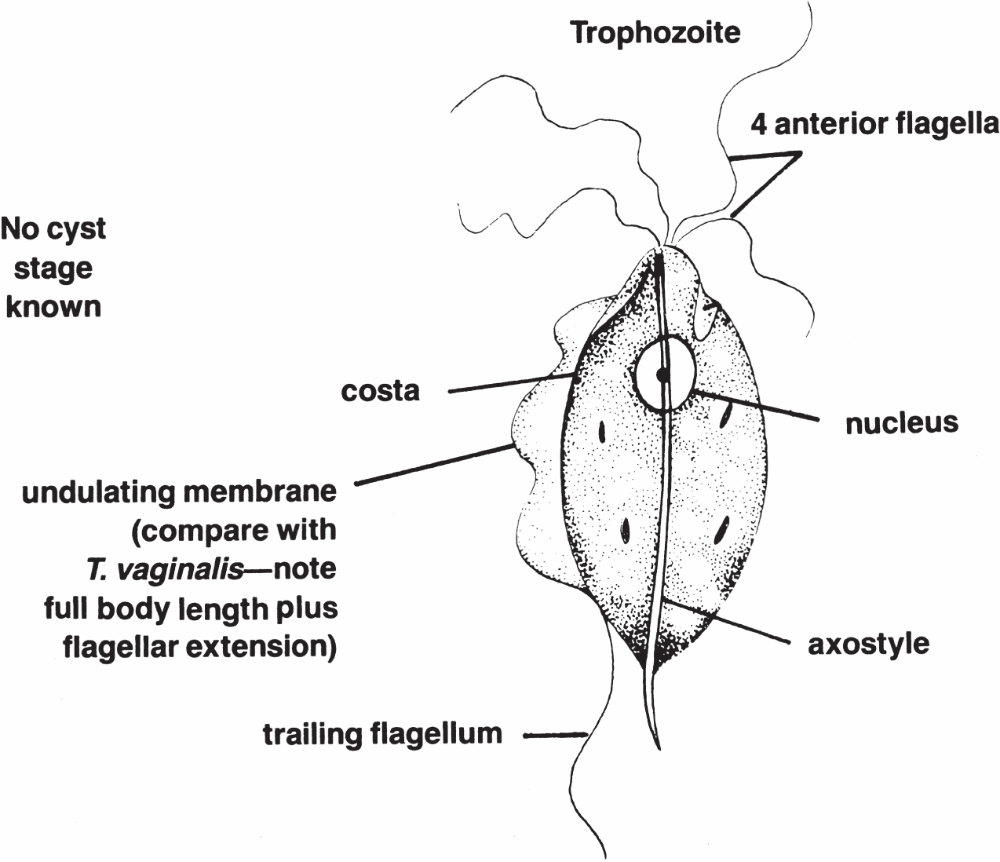 Nonpathogenic Intestinal Flagellates: Pentatrichomonas hominis structure. |